
Garlic Elephant Bulbs: How to Grow
Also sold as Russian garlic. Plant the large cloves in April or May, keep the bed weeded and watered, and use the finger test to judge when the bulbs are ready.
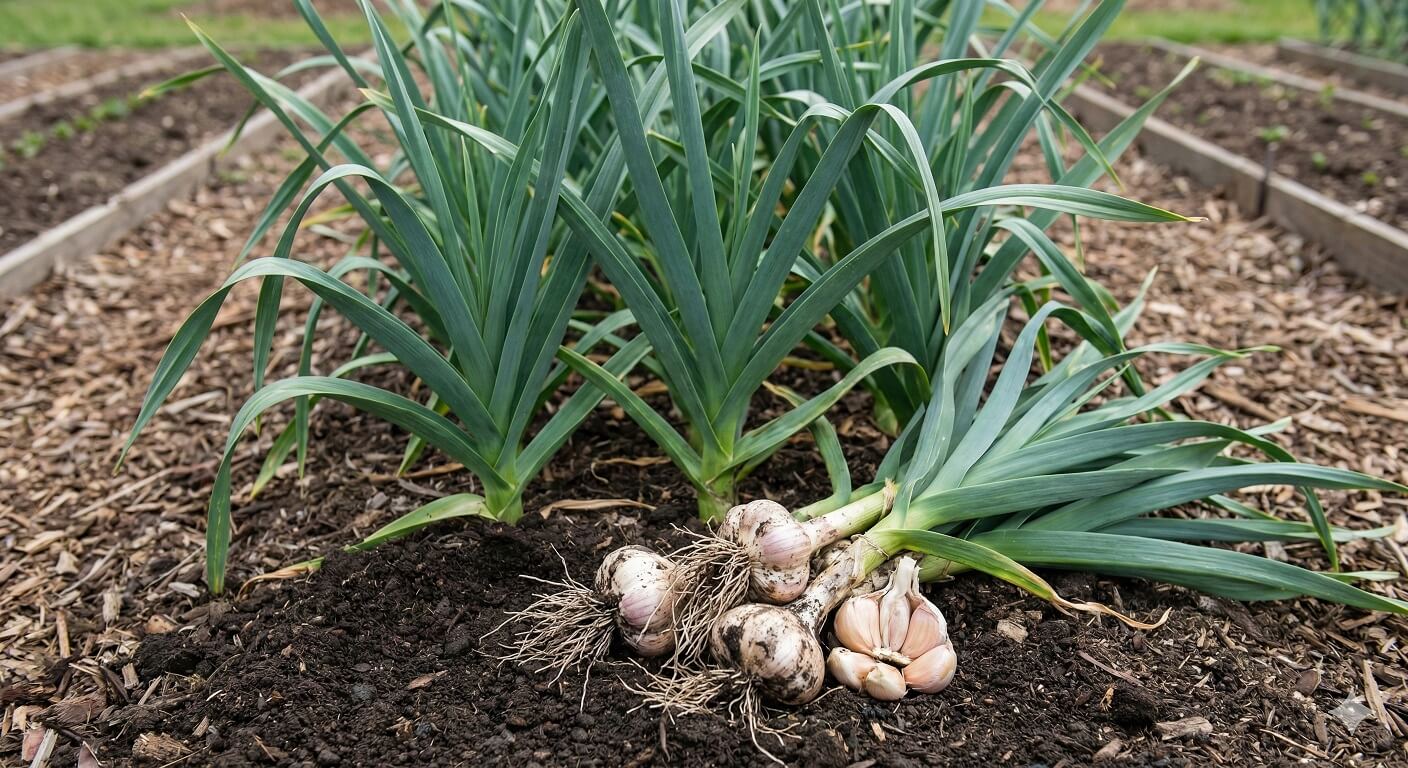
If you want to feel like a champion gardener with minimal effort, Elephant Garlic (Allium ampeloprasum, often referred to by growers as Russian Garlic is the crop for you.
Producing bulbs that can weigh up to 1kg and grow as large as a grapefruit, this plant is a showstopper. But here is the secret: it isn't actually garlic. It is biologically closer to a leek. This creates a unique flavour profile, mild, sweet, and nutty, that lacks the pungent "heat" of traditional garlic, making it perfect for roasting.
Whether you call it Elephant or Russian Garlic, here is the specific grower's guide to achieving a massive harvest in Australia.
1. When to Plant
While standard garlic is often planted early, Russian Garlic requires patience.
- The Ideal Window: Plant your cloves in April or May.
- This timing ensures the soil temperature is just right for root establishment without encouraging premature top growth before winter sets in.
2. Soil Preparation: Feeding the Beast
Russian Garlic is a heavy feeder. You cannot just pop it in sandy soil and expect a monster harvest. To get those cricket-ball-sized bulbs, you need to prep the ground.
- Drainage is King: Like all alliums, if it sits in water, it rots. If you have heavy clay soil, you must plant in raised garden beds or mound the soil up.
- The Pre-Plant Feed: Two weeks before planting, dig in plenty of aged manure, compost, and a handful of blood and bone.
- pH Level: Aim for a pH between 6.0 and 7.0.
3. Planting Your Cloves
- Don't Peel: Keep the papery skin on the clove to protect it.
- Depth: Plant the clove so the top is covered by about 4-5cm of soil.
- Spacing: Space the cloves 20cm to 30cm apart. These plants grow large; give them room to breathe.
4. The Growing Season & The "Flower Head" Rule
Water consistently during winter and spring. In spring, the plant will shoot up a tall, central flower stalk (scape).
- The 3-Week Rule: Watch these flower heads closely. Once they break off (or you snap them off to direct energy to the bulb), start your countdown.
- The Countdown: You will typically harvest approximately 3 weeks after the flower heads have broken off. This final burst is when the bulb does its most critical swelling.
5. Harvesting: The "Finger Test"
Do not guess when to harvest! If you pull them too early, you get a single round bulb (a "round"). If you pull them too late, the cloves split open and rot.
Target Date: In most Australian climates, you will be looking to harvest in mid-to-late November.
The Finger Test (The Grower's Secret): Before you pull the whole crop, do a spot check.
- Gently dig your finger into the soil around the base of the stem.
- Feel the bulb. You are checking whether the bulb has "cloved out" (separated into distinct cloves).
- If it feels like a single solid mass, leave it longer.
- If you can feel the ridges of the cloves, it is time to get them out!
How to Harvest: Use a garden fork to loosen the soil widely around the base, then gently lift the bulb from underneath.
6. Curing: The Hanging Bunch
Proper curing is essential to ensure your Russian Garlic lasts.
- Do not wash them. Brush off excess dirt.
- Bunch them up: Tie the stalks together in bunches.
- Hang them: Suspend the bunches in a dry, airy place (like a shed or veranda) out of direct sunlight.
- Allow them to dry until the necks are tight and papery before trimming.
7. How to Eat It
- Roasted Gold: Slice the top off the whole bulb, drizzle with olive oil, and roast. The mild, creamy paste pairs well with sourdough.
- Chips: Slice the giant cloves thinly and fry them until crisp, then remove from the oil and drain on paper towels.
Ready to grow your own giants? [Shop our Elephant (Russian) Garlic Seed Cloves here]
Grow it
More bulb and tuber guides
All bulbs and tubers
Garlic
When to plant garlic in each Australian climate zone, how deep and how far apart, feeding through winter, and how to tell when the bulbs are ready to lift and cure.
| Position | Full sun |
|---|---|
| Depth | 50 mm |
| Spacing | 15 cm |
| First pick | About 8 months |

Saffron
How to plant saffron corms, when the flowers appear in autumn, how to pick and dry the threads, and how to keep the corms productive year after year.
| Position | Full sun |
|---|---|
| Depth | 100 to 150 mm |
| Spacing | 15 cm |
| First pick | Flowers in autumn |