
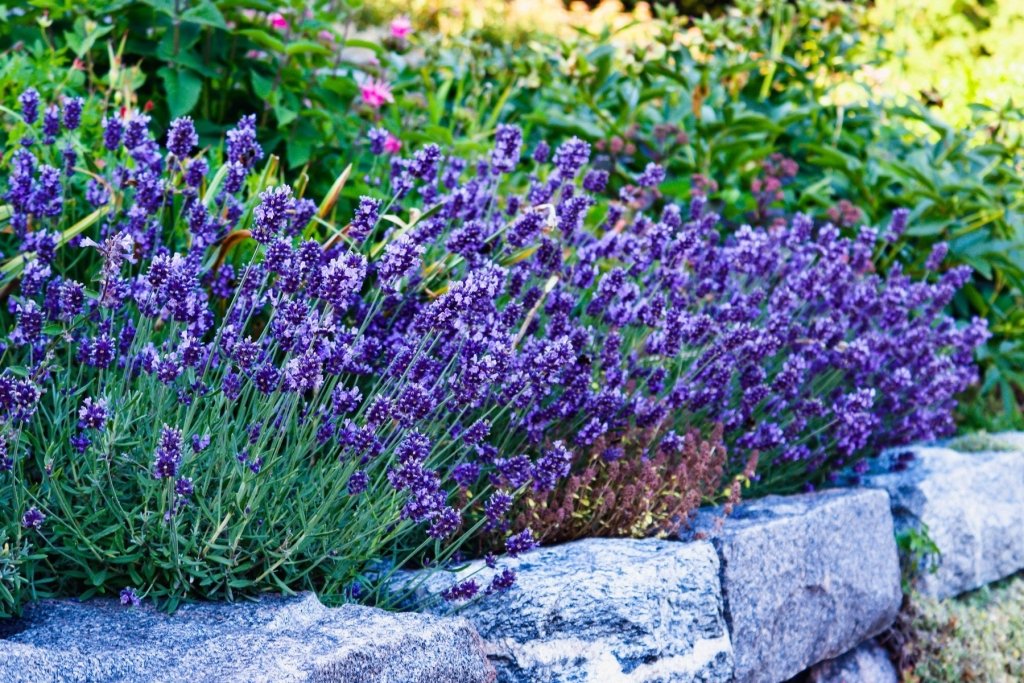
The short version: Yes, lavender from seed is worth it, as long as you are patient and grow the right type. English lavender (Lavandula angustifolia) raises well from seed, given light to germinate, sharp drainage and full sun, though it is slow and the flowers are usually a second-year reward. French and Spanish lavenders rarely come true from seed, and named cultivars are better bought as plants or grown from cuttings. So if you want a hedge's worth of lavender cheaply, seed is brilliant; if you want one specific variety in a hurry, buy a plant.
Lavender is one of those plants people assume is fussy, and from seed it does ask for a little patience. But the payoff, rows of silver foliage topped with humming purple spikes, is hard to beat, and a single packet of seed can fill a whole bed for the price of one nursery pot. The trick is knowing what is realistic, which type to choose, and the one thing lavender will not forgive.

Is lavender from seed worth it?
Here is the honest answer: it depends on what you want and how patient you are. Growing lavender from seed is slow and a little hit and miss compared with buying a plant, and you will wait, often until the second year, for a proper show of flowers. What you get in return is quantity and value. For the cost of one potted plant you can raise a dozen or more, which is exactly what you want if you are planting a low hedge or a whole border.
The catch is that seed does not reliably reproduce named varieties. If you have your heart set on a particular cultivar, you are better off with a plant or a cutting, which comes true every time. Seed is the path for species lavender, for quantity, and for gardeners who enjoy the slow way.

Choose the right lavender
English lavender (Lavandula angustifolia) is the one to grow from seed, while the others are better bought as plants. It is the hardiest and most cold-tolerant, it is the source of culinary lavender, and it comes from seed more reliably than the rest. It is happiest in the cooler and drier parts of the country.
The other common types are best kept straight by their botanical names. French lavender (Lavandula dentata) has soft, toothed grey leaves, while Spanish or Italian lavender (Lavandula stoechas) carries the distinctive topped, rabbit-ear flowers. Both cope with humidity far better than English lavender, which makes them the usual choice for warm, coastal and subtropical gardens, but they rarely come true from seed, so they are better bought as plants. One important warning before you plant Spanish or Italian lavender (Lavandula stoechas): it is a declared weed in Victoria and Western Australia and a declared plant in parts of South Australia, and it has naturalised as an environmental weed in bushland across the south. Do not plant it in Victoria, and check your state and local council rules before planting it anywhere. Where it is declared, grow English lavender or French lavender (Lavandula dentata) instead.

Sowing the seed
Lavender seed needs light to get going, so it wants a bright start rather than to be hidden away in the dark. It also wants warmth, a free-draining mix and plenty of fresh air, since the damp, stagnant conditions that suit so many seeds are exactly what rot a lavender seedling.
Two things make the wait easier to bear. First, patience: lavender can take a few weeks to germinate and is slow in its first season, so do not give up on a tray too early. Second, realistic expectations: even in good conditions the strike can be patchy and uneven, which is simply how lavender is, and part of why it pays to sow more seed than you think you need. English lavender, used to cold winters in its homeland, tends to be the most willing of the lot.

The one thing lavender will not forgive
If you remember nothing else, remember this: lavender would rather go thirsty than sit with wet feet. More lavender is killed by soggy soil than by anything else, so sharp drainage and full sun are not optional extras, they are the whole game. Plant it where water never pools, raise the bed or add coarse sand and grit if your soil is heavy, and give it the sunniest spot you have.
Beyond that, lavender is wonderfully low-maintenance. It wants little water once established and little to no fertiliser, since rich, damp soil gives you soft, floppy growth and few flowers. A tidy-up after each flush of flowers keeps a plant compact and flowering well for years.

Lavender across Australia
More than most plants, lavender lives and dies by how well its type matches your climate:
- Mediterranean (Perth, southern WA, Adelaide): lavender heartland, with hot dry summers that suit English lavender beautifully; just give it drainage.
- Temperate (Sydney, Melbourne, Canberra): English lavender does well; on the humid coast, lean towards French lavender (Lavandula dentata) and keep the air moving. Do not plant Spanish or Italian lavender (Lavandula stoechas) in Victoria, where it is a declared weed.
- Cool and alpine (Tasmania, Ballarat, the tablelands): English lavender thrives in the cool, given full sun and sharp drainage.
- Subtropical (Brisbane, Sunshine Coast): humidity is the enemy of English lavender here, so choose French lavender (Lavandula dentata) and plant it high and open for airflow.
- Tropical (Darwin, Cairns): the hardest zone by far; lavender struggles in the humidity, so treat it as a short-term pot plant in the dry season rather than a permanent shrub.
- Arid and semi-arid (Alice Springs, Mildura): dry heat suits it well, with the only real job being a deep drink now and then through the worst of summer.

What you get for the wait
The reward is worth the patience. Lavender in flower is one of the great bee plants, alive with pollinators all summer, and the flowers dry better than almost anything for sachets, posies and potpourri. If you grew English lavender, you also have a culinary herb for baking and tea, though it is worth noting that only English lavender (Lavandula angustifolia) is the type used in the kitchen.

So be honest with yourself about patience and climate, choose English lavender for seed in cooler, drier gardens, and never, ever let it sit in wet soil. You can browse our herb seeds for lavender and other aromatic herbs, and if you are new to raising plants this way, our tips for beginning seed gardeners will help you get the most from a tray.
Lavender from seed is a slow pleasure rather than an instant one, but few plants give back so much for so long. Plant it once, get the drainage right, and it can hum with bees every summer for years.
Frequently asked questions
Is it hard to grow lavender from seed?
It is not hard so much as slow and a little uneven. Lavender seed needs light to germinate, can take a few weeks to appear, and is slow in its first season, with flowers usually arriving in the second year. The trick is less about technique than patience, along with the sharp drainage and full sun that lavender insists on.
Which lavender is best to grow from seed?
English lavender (Lavandula angustifolia) is the best choice from seed, as it is the hardiest, the culinary type, and the most reliable from seed. French and Spanish lavenders rarely come true from seed and are better bought as plants.
How long does lavender take to flower from seed?
Usually until its second year. Lavender is slow to establish in its first season, putting its energy into roots and foliage, and most plants give their first proper show of flowers the following summer. Patience is the price of the long display that follows.
Why does my lavender keep dying?
The usual culprit is wet feet. Lavender needs sharp drainage and full sun, and more plants are lost to soggy soil than to anything else. Raise the bed, add grit or coarse sand to heavy soil, and never plant it where water pools.
Can I grow lavender in humid parts of Australia?
Yes, but choose the right type. English lavender struggles in humidity, so in the subtropics and warm coast, grow French lavender (Lavandula dentata), plant it high and open for airflow, and accept it may be shorter-lived than in a dry climate. Avoid Spanish or Italian lavender (Lavandula stoechas) if you garden in Victoria or another state where it is declared.
Can you cook with any lavender?
It is best to stick to English lavender (Lavandula angustifolia) for culinary use, as it is the type traditionally used in cooking and has the right flavour. Use it sparingly, and only use flowers you know have not been sprayed.
Related growing guides
- Stop Letting Your Basil Flower
- Herbs on a Sunny Windowsill: Fresh Pickings All Year
- Why Coriander Bolts, And How to Keep Picking it Into Summer
Ready to plant? Browse our Herb seeds.