
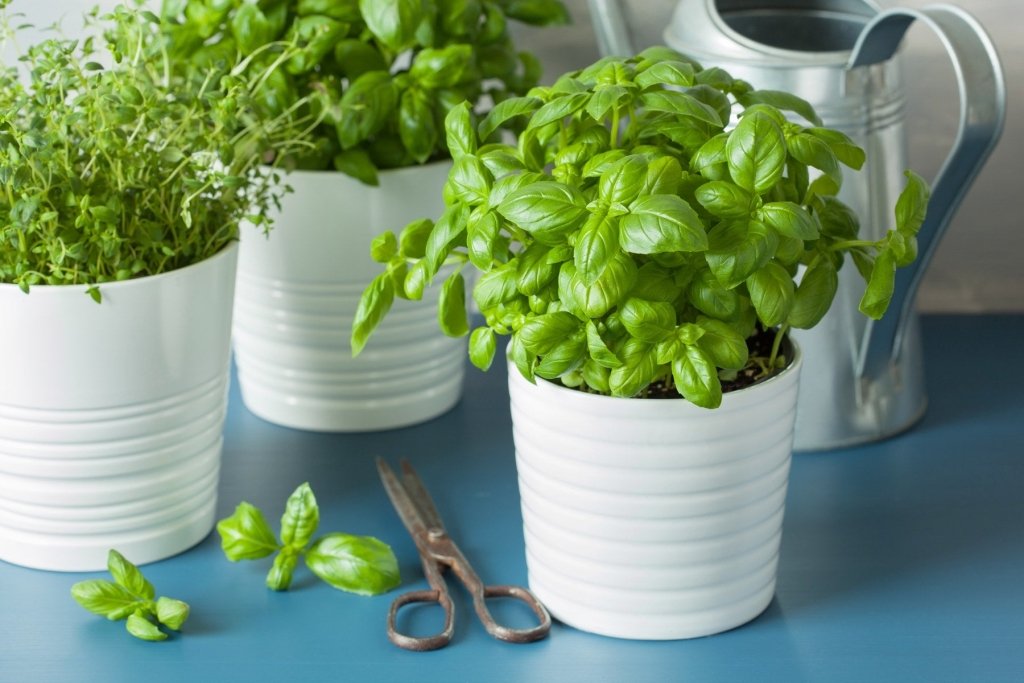
The short version: Soft-leaf herbs like basil, parsley, chives and mint grow happily in pots on a bright windowsill, and a north-facing window gives them the most light here in the southern hemisphere. Aim for at least three hours of direct sun a day, ideally six, use pots with drainage holes, water only when the top three to five centimetres are dry, and feed sparingly so the flavour stays strong. Pick a little and often and you can keep at least a few fresh herbs within arm's reach of the chopping board for much of the year, with the hardier ones carrying the sill through winter.
There is a particular satisfaction in reaching past the kettle, snipping a few leaves of basil, and having dinner smell better thirty seconds later. No boots, no muddy knees, no trip down the back. Just a pot on the sill catching the afternoon sun.
A windowsill herb garden is one of the easiest ways into growing your own, and one of the most forgiving. You do not need a backyard or a green thumb. You need a bright window, a few pots, and a little understanding of what herbs actually want once they are growing indoors.

Why a north-facing window does the heavy lifting
For most Australian homes, especially outside the tropical north, the brightest window in the house faces north. We are in the southern hemisphere, so the sun tracks across the northern sky, and a north-facing sill collects the steadiest light through the day. In the warm humid north, above the Tropic of Capricorn, shade and airflow often matter more than chasing every ray, so a bright spot out of the harshest sun does the job. An east-facing window that catches the morning sun is the next best thing, and a west-facing one will do at a pinch, though it can cook tender leaves on a hot afternoon.
Light is the part most people get wrong, and the part that matters most. Herbs short on light do not die dramatically. They stretch. The stems go long and pale and floppy, reaching for a sun that is not there, and the leaves thin out until there is little worth picking.
Aim for at least three hours of direct sun a day, closer to six if you can. Sit pots right up against the glass rather than on a bench a metre back, because light falls away faster than your eye thinks. If your brightest window still comes up short, especially through a southern winter, a small grow light fills the gap. Ordinary house lights look bright to us but do almost nothing for a plant.

The herbs that genuinely like life on a sill
The herbs that thrive indoors are the soft, leafy ones with tender stems. A few good options:
- Basil, for a warm sunny sill in the warmer months.
- Parsley, reliable and slow to give up.
- Chives, neat, hardy and quick to bounce back after a trim.
- Mint, vigorous and best kept in its own pot.
- Coriander, lovely while it lasts, but read the note below.
- Thyme, oregano and marjoram, which can manage a very bright sill but truly prefer to be outdoors.

Coriander deserves an honest warning. It will grow on a windowsill, but it does not stay happy there for long. In low light it turns pale and leggy, and it bolts the moment things warm up or the mix dries out, sending up flowers instead of leaves. Treat it as a short, repeat-sown crop rather than a fixture, and look for a slow-bolt type to buy a little more time.
Some herbs are simply happier outside. Rosemary, dill and the woody Mediterranean herbs want more light and room than a sill can give, and they tend to sulk indoors. There is no shame in growing the leafy ones inside and leaving the sun-lovers for a pot by the back door.

Pots and drainage, the part that quietly decides everything
Get the drainage right and you have solved most of the trouble before it starts. Use pots with holes in the bottom, every time, and never let one stand in a saucer of water. Roots left sitting in wet mix are the single most common way a windowsill herb meets a quiet end, and it is a quiet one: no drama, just a basil that looks a little sad on Monday and worse by Friday. If you like a saucer to catch drips and protect the sill, tip out whatever pools in it once the pot has finished draining.
Fill pots with a good potting mix rather than soil from the garden, which sets like concrete in a container and brings pests indoors with it. Choose a pot with room to grow, around 15 cm to 20 cm across for most herbs, so the roots are not strangled and the mix does not dry out the moment the heating comes on. Mint is the exception and likes a slightly bigger pot of its own, since it dries out fast and likes room to run. A little space between pots, and a window cracked open on a mild day, keeps the air moving and the leaves dry.

Watering and feeding without loving them to death
Most indoor herbs are killed with kindness, and the kindness is usually water. So feel before you pour. Push a finger three to five centimetres into the mix and water only when it comes out barely moist. If it comes out wet, with mix clinging under your nail, leave it another day or two. It is not an elegant test, but it beats guessing, and herbs would much rather be a touch dry than constantly soggy. When you do water, give it a proper drink until it runs from the drainage holes, then let the pot drain.
Feeding is where a gentle hand pays off, because herbs are a special case. Over-feeding pushes out a flush of soft, watery leaves while thinning the essential oils that give a herb its flavour and scent. A basil fed too hard looks magnificent on the sill and tastes of very little in the bowl, which is a quietly disappointing trade.
So go easy. A seaweed solution or a fish and seaweed blend, well diluted, suits potted herbs nicely. Nutrients wash through a pot quickly, so indoor herbs do appreciate the occasional top-up, but once a fortnight to once a month is plenty, at about a quarter to half the strength you would use in the garden. Flavour first, foliage second.

Keeping the supply coming, season after season
The trick to year-round herbs is to pick often and sow again before you run out. How you pick matters, though, and it changes with the herb. For branching herbs like basil and mint, snip just above a leaf junction and the plant can respond with fresh side shoots, growing bushier each time. Parsley has no central stem, so take the older outer stalks from the base and leave the young centre to carry on. Chives are simplest of all: cut a handful near the base and let the clump reshoot. Whatever you are picking, never take more than about a quarter of a plant at once, so it always has enough leaf left to recover. A light trim two or three times a week keeps many soft herbs tidy and can delay basil flowering, though coriander is more determined, so repeat sowing is still the better plan there.
Seasons still matter, even on a sheltered sill. Basil leans into the warm months and slows once the nights turn cold, so it suits spring through to autumn. Parsley, chives and mint are far more forgiving and tick along through winter on a bright window. The simplest way to never run dry is to start a fresh pot of your fast favourites every few weeks, so a new one is coming up as the last winds down.
Your climate shapes the calendar more than your windowsill does. In tropical and subtropical zones such as Darwin, Cairns and Brisbane, heat and humidity push basil and coriander to bolt fast, so sow the leafy herbs through the cooler, drier months. In Mediterranean areas, including Perth and southern WA and Adelaide, hot dry summers can scorch leaves against the glass, so a sheer curtain or a step back from a blazing west window saves them on the worst days. In arid and semi-arid areas such as Alice Springs, Mildura and Kalgoorlie, the very dry indoor air from heating and cooling pulls moisture from pots fast, so check them a touch more often and keep them off a baking sill. In temperate gardens like Sydney and Melbourne, and in cool and alpine spots such as the southern tablelands and the Tasmanian highlands, a bright north window genuinely extends the season, giving you fresh leaves long after the outdoor pots have given up for the year.

If you want to start from scratch, our range of herb seeds covers all the soft-leaf favourites, and if you are short on outdoor space more broadly, you might enjoy our guide to whether you can grow saffron in pots on a balcony. For why a north-facing window works so well here, the Australian Government's Your Home guide to orientation explains how the sun sits to the north in our skies.
A pot of herbs on the sill will not feed the street, but it will quietly improve almost everything you cook. This weekend, clear a bright window, fill two or three pots, and put dinner within reach of the chopping board.
Frequently asked questions
Which window is best for growing herbs indoors in Australia?
A north-facing window is best, because in the southern hemisphere it receives the most direct sun overall. An east-facing window that catches the morning sun is the next best option. Sit pots right against the glass, and aim for at least three hours of direct sun a day, ideally six.
What are the easiest herbs to grow on a windowsill?
Soft-leaf herbs are the easiest: basil, parsley, chives and mint all do well in pots on a bright sill. They have tender stems and grow back readily after a trim. Coriander grows too but tends to bolt quickly, so treat it as a short, repeat-sown crop.
Which herbs do not grow well indoors?
Sun-loving herbs like rosemary and dill, and the woody Mediterranean herbs, want more light and room than a windowsill offers and are better outdoors. Coriander will grow inside but turns pale and leggy in low light, and it bolts to seed once it warms up or dries out, so it is best as a quick crop rather than a permanent fixture.
How often should I water herbs in pots indoors?
Water only when the top three to five centimetres of mix feel dry to the touch, usually every few days rather than daily. Always use pots with drainage holes and never leave them standing in a saucer of water. Overwatering is the most common way indoor herbs are lost.
Should I fertilise my indoor herbs, and how much?
Feed sparingly. Over-feeding produces soft, watery growth and can reduce the essential oils that give herbs their flavour and aroma. A well-diluted seaweed solution or fish and seaweed blend once a fortnight to once a month, at about a quarter to half normal strength, is plenty for potted herbs.
Can I grow herbs on a windowsill through winter?
Yes, for the hardier herbs. Parsley, chives and mint will tick along through winter on a bright window, while basil slows right down and suits the warmer months. A bright north window indoors can extend your herb season well past when outdoor pots fade, especially in cooler zones.
How do I keep my herbs from getting tall and leggy?
Leggy, pale growth almost always means too little light, so move pots closer to your brightest window or add a small grow light. Harvesting helps too: snip stems back to a leaf junction regularly and the plant grows bushier rather than taller. Picking little and often keeps soft herbs compact and productive.
Related growing guides
- Stop Letting Your Basil Flower
- Why Coriander Bolts, And How to Keep Picking it Into Summer
- Sowing in August for a Summer Full of Herbs
Ready to plant? Browse our Herb seeds.