

Fix a problem
Start with what you can see
Choose what you can see. Each symptom leads to its likely causes and the lesson or article that deals with it.
Problems A to Z
A
B
- Basil floweringLeaf slows and the flavour drops once basil is allowed to flower.
- Blossom end rotDark sunken patch on the base of tomatoes, capsicums and zucchini, from uneven watering.
- BoltingCoriander, lettuce and rocket run up to flower in warmth, long days and dry soil.
- Bronze orange bugLarge shield bugs on citrus that squirt a caustic spray, spring into summer.
C
- Cabbage white caterpillarsRagged holes in brassica leaves, green caterpillars on the undersides.
- Carrot flyRusty tunnels in carrot roots. Rare in Australia, but worth knowing the signs.
- Citrus gall waspWoody swellings along citrus stems, with tiny exit holes in spring.
- Citrus leaf minerSilvery, wiggling trails and curled, distorted new leaves on citrus.
- CutwormYoung seedlings cut off at the base overnight, a curled grey caterpillar in the soil.
D
- Damping offSeedlings pinch at soil level and topple in cold, wet, still air.
- Downy mildewYellow patches on top of the leaf with grey fuzz beneath, in cool damp weather.
E
- EarwigsSeedlings chewed to stumps overnight, no slime trail.
F
- Fruit flySting marks and maggots in tomatoes, capsicums and stone fruit in warm regions.
- Fruit not settingZucchini, pumpkin and cucumber open male flowers first, and wet or cold mornings keep the bees away.
- Fungus gnatsTiny dark flies drifting over damp seedling trays and potting mix.
G
- Garden weevilsNotched leaf edges by night, flightless weevils hiding in the mulch by day.
- Grasshoppers and locustsChewed leaves and stems in hot, dry weather, sometimes in plague numbers.
- Green vegetable bugShield-shaped green bugs that dimple and spot beans, tomatoes and more.
H
- Harlequin bugRed and black sap-sucking bugs that wilt shoots, mostly in warmer regions.
L
- Lace bugSilvered, stippled leaves with dark specks on the undersides.
M
- MealybugsCottony white clusters in leaf joints and on roots, sticky with honeydew.
- MillipedesDark, coiling crawlers in damp mulch, rasping soft growth and ripe fruit.
- Mosaic virusMottled yellow and green leaves on cucurbits, spread by aphids.
P
- Pea weevilGrubs inside stored pea seed, and notched leaf edges in spring.
- Pollinators missingA bed of leaves gives a bee no reason to stop.
- PossumsWhole seedlings and soft tips gone by morning, no slime trail.
- Powdery mildewWhite dust on zucchini, pumpkin and pea leaves late in the season.
R
- Rats and miceGnawed seed, fruit and pumpkins, with droppings and worn runways.
- Root-knot nematodeLumpy, knotted roots and plants that wilt on warm afternoons.
- Rutherglen bugSwarms of small grey-brown bugs on ripening crops in hot, dry summers.
S
- Scale insectsFixed brown or white bumps on stems and leaves, sticky with honeydew.
- Seedlings collapsing after planting outIndoor seedlings shrivel when moved straight into sun and wind.
- Seeds not coming upMost seed that never appears was sown too deep.
- SlatersGrey armoured crawlers in damp mulch, nibbling soft seedlings and fruit.
- Slugs and snailsHoles with silver slime trails, worst after rain.
- Soil too coldTomatoes and beans wait until the soil holds about 16 degrees.
- Spider mitesFine speckling and webbing under leaves in hot, dry spells.
T
- Thin, forked carrotsCrowded rows that were never thinned.
- ThripsSilvery streaks and tiny black specks on leaves and flowers, worst when dry.
- Tomato leaf problemsCurling, yellowing, spots or purpling on tomato leaves, and what each one means.
W
- WhiteflyClouds of tiny white insects rise when a leaf is brushed.
Y
- Yellowing lower leavesShallow watering or hungry soil, oldest leaves first.
Treatments and helpers
- White oilAn oil spray that smothers scale, aphids, mealybugs and mites.
- Neem oilA plant-derived spray for soft pests, with limits on food crops.
- Pyrethrum sprayA fast plant-derived knockdown. Spray late in the day to spare bees.
- Garden hygieneClean tools and clear debris to stop pests and disease spreading.
- Trap cropsSacrificial plants like nasturtium that lure pests off your main crop.
- Deterring cats and birdsHumane, lawful ways to keep them off beds, including safe netting.
- Insect hotelShelter for native bees and the predators that keep pests down.
Pests, diseases and the helpers

Netting Crops and Fruit: Exclusion Nets, Fruit Bags and Wildlife-Safe Mesh
Nets and fruit bags stop birds, possums, fruit fly and caterpillars before the damage starts. Here is which mesh to use, when to put it up,...

Tomato Grub, Corn Earworm and Native Budworm: Helicoverpa in the Vegie Patch
A neat hole in a green tomato or a caterpillar in the tip of a corn cob? Here is how to identify Helicoverpa, catch it early...
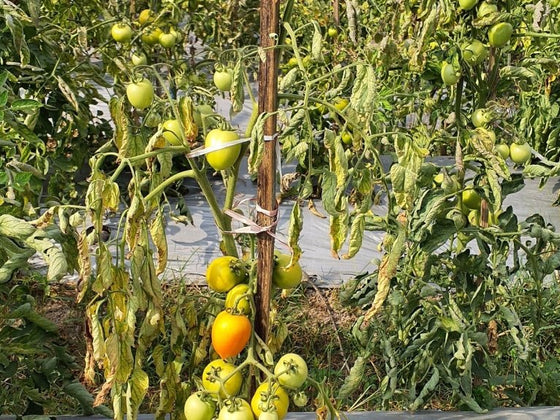
Wilt Diseases in Vegetables: Fusarium, Verticillium and Bacterial Wilt
Healthy looking tomatoes, eggplants and cucurbits that wilt in the afternoon, recover overnight and then collapse are often hosting a soil pathogen, not going thirsty. Here...

Curl Grubs: Which Ones Harm Your Plants and What to Do
Fat white grubs with brown heads are scarab beetle larvae, and Australia has at least 2,300 scarab species, few of them pests. Learn the species that...

How to Possum-Proof Your Vegetable Beds
Gardening with possums, not against them If you garden near bushland, a creek line, a golf course or an older street with big trees, you are...

Citrus Gall Wasp: How to Prevent and Control It
Woody lumps on citrus stems may be citrus gall wasp. Learn how to spot active galls, when your state recommends pruning or peeling, and how to...