
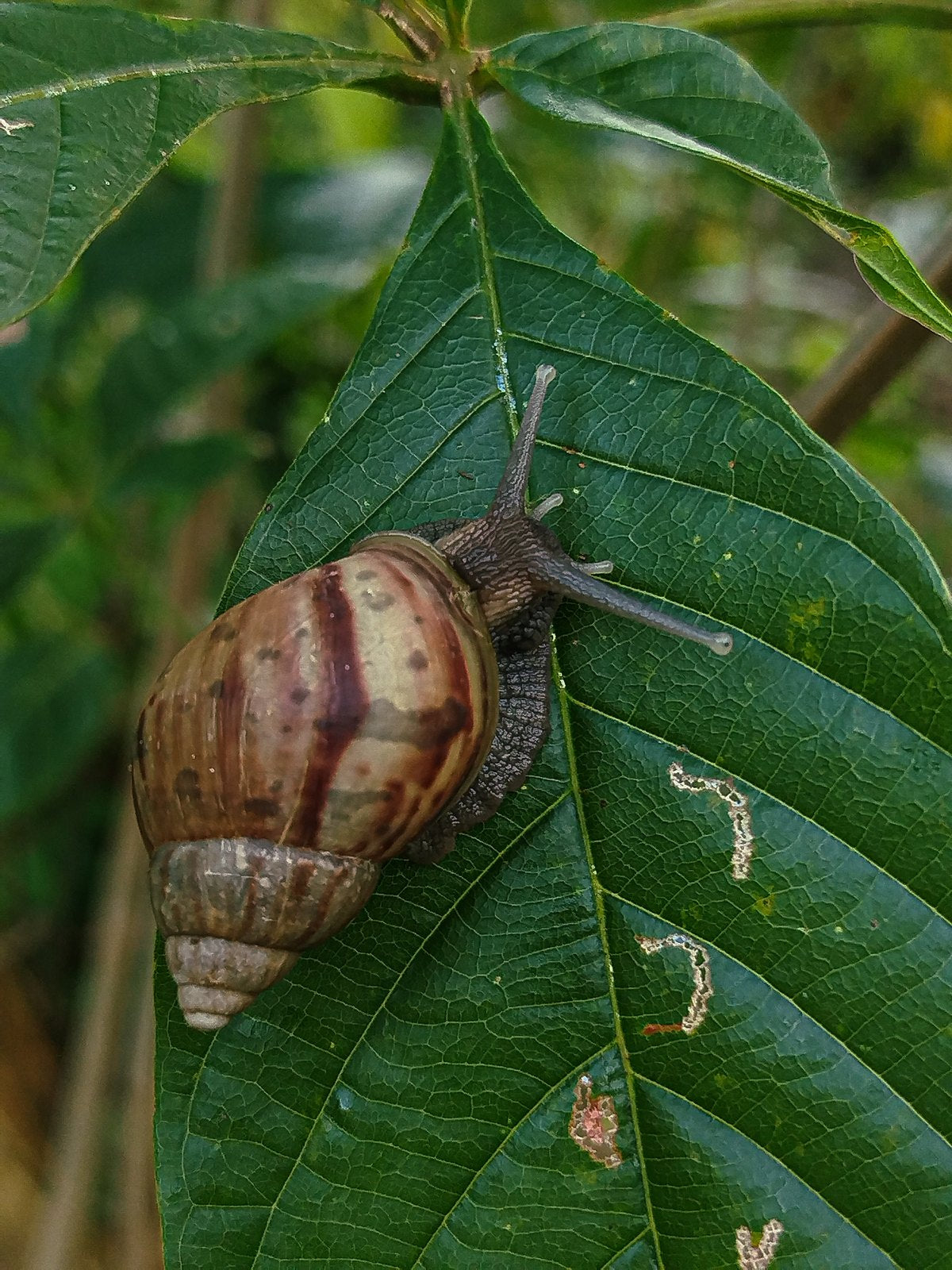
The short version: Slugs and snails feed at night and after rain, leaving ragged holes and a tell-tale silver slime trail across leaves, pots and paths. A combination usually works best: hand-pick after dark, remove the damp daytime hideouts they shelter in, water in the morning rather than the evening, and back it up with beer traps, a copper band around pots and beds, or an iron-based bait that is far safer around pets and wildlife than the old metaldehyde pellets. Seedlings and strawberries need the most protection.
Few things are as disheartening as walking out in the morning to find a row of seedlings reduced to stalks. Slugs and snails do their work overnight, so the culprits are long gone by the time you see the damage.
The good news is that they are predictable. Once you understand when they feed and where they hide, you can protect the plants that matter without resorting to anything harsh.
How to spot slug and snail damage
The surest sign is the silvery, dried slime trail they leave on leaves, soil, pots and paths. The damage itself is irregular holes with smooth edges, often in the middle of a leaf, and whole seedlings, soft leaves and low-hanging strawberries grazed away overnight.
If there is no slime, look elsewhere. Ragged holes with dark droppings point to caterpillars, and lots of small holes with no trail suggest earwigs or beetles. The common garden snail (Cornu aspersum) is the widespread introduced culprit across the country, while the grey field slug (Deroceras reticulatum) is the most damaging slug in gardens through the cooler, wetter parts of the south and east.
Why they arrive when they do
Slugs and snails are most active at night and in damp, cool, overcast weather, and numbers surge in the days after rain. Through hot dry summers many snails seal themselves up and wait it out, then mate and lay as the weather cools with the autumn rains.
They are hermaphrodites, so every adult can lay eggs, dropping clusters of pearly eggs into moist soil. That is why a patch left with plenty of damp shelter can build a large population quickly. Take away the moisture and the hiding places and you take away much of the problem.
How to control slugs and snails organically
No single method clears them, so combine a few. Start with the ones that cost nothing.
- Hand-pick after dark. Head out about two hours after sunset with a torch, especially on a damp night, and drop what you find into soapy water. A few sessions in a row makes a real dent.
- Remove the daytime shelter. Lift and clear the boards, pots, debris and dense low growth they hide under by day, and pull mulch back from seedling stems.
- Water in the morning, not the evening. Surfaces that are dry by nightfall are far less inviting to a slug on the move.
- Set beer traps. Sink a container so the rim sits at soil level, pour in a few centimetres of beer or a yeast and sugar mix, and empty it regularly. It draws them from a small radius, so use it alongside other methods.
- Band pots and beds with copper. Copper reacts with slug slime to form a barrier they avoid, so a wide or double copper band around a pot or raised bed genuinely helps. Keep bridging leaves trimmed back so they cannot climb over.
Coarse barriers such as crushed eggshell, grit or wood ash are often suggested, but they work only while dry and need constant topping up, so treat them as a minor help rather than a fix. If you need a bait, choose an iron-based one (iron or ferric sodium EDTA, or ferric phosphate), which is effective and much safer around pets and wildlife. Encourage the predators already on your side, including blue-tongue lizards, frogs, and birds such as magpies and kookaburras.
A word of caution on the old blue metaldehyde pellets: they are highly toxic to dogs, cats and wildlife and can be fatal, so the iron-based baits are the sensible choice. Avoid using salt, which kills slugs but damages soil and roots.
How to keep numbers down
- Protect seedlings and strawberries first, since they are the most vulnerable, and raise ripening fruit off the soil on straw or a mat.
- Keep beds tidy and open so there is less damp shelter close to your plants.
- Grow on seedlings to a sturdier size before planting out, as soft young growth is what they target.
- Ducks and some chooks will hunt slugs and snails, though they will also nibble seedlings, so supervise where they forage.
Slugs and snails across Australia's climate zones
- Tropical (the Northern Territory Top End and far north Queensland, including Darwin and Cairns): active through the humid wet season.
- Subtropical (Brisbane and northern New South Wales): active for much of the year, worst in warm, wet spells.
- Arid and semi-arid (inland New South Wales, South Australia and Western Australia, and the Northern Territory around Alice Springs): low pressure overall, with flare-ups only in irrigated beds or after rain.
- Temperate (New South Wales, Victoria and the ACT, including Sydney, Melbourne and Canberra): the classic problem zone, worst in autumn and spring after rain.
- Mediterranean (Perth and southern Western Australia, and Adelaide in South Australia): peak through the cool, wet season from autumn to spring, quiet through the dry summer.
- Cool and alpine (Tasmania, the southern highlands): cool, moist conditions suit slugs, which stay active in the milder months.
Frequently asked questions
How do I tell slug and snail damage from other pests?
Look for the silvery slime trail and smooth-edged holes. Ragged holes with droppings point to caterpillars, and many small holes with no slime suggest earwigs or beetles.
Are snail pellets safe around pets?
The old metaldehyde pellets are not, and can kill dogs and cats. Iron or ferric-based baits are much safer, though it is still wise to store and apply any bait out of a pet's reach.
Does copper tape actually work?
Yes, as a barrier on pots and raised beds, provided the band is wide and no leaves bridge over it. It works wet or dry and deters slugs and snails rather than killing them.
Do beer traps work?
They drown a good number, but only over a small area, so use them alongside hand-picking and shelter removal, and empty them often.
Can I eat garden snails I collect?
Only after lengthy purging and thorough cooking. Raw or undercooked snails and slugs, and even their slime, can carry rat lungworm, which is dangerous to people and dogs, so keep dogs away from eating them.
When are slugs and snails worst?
On damp, cool, overcast nights from autumn through spring, and especially in the days after rain.
Take away the damp shelter, protect the seedlings, and pick a couple of nights in a row, and you can break the cycle before it costs you a whole planting.
Related growing guides
Ready to plant? Browse our vegetable seeds and herb seeds, and get seedlings off to a strong start.