
Pests & Diseases
Identifying garden problems early and managing them without harsh chemicals.
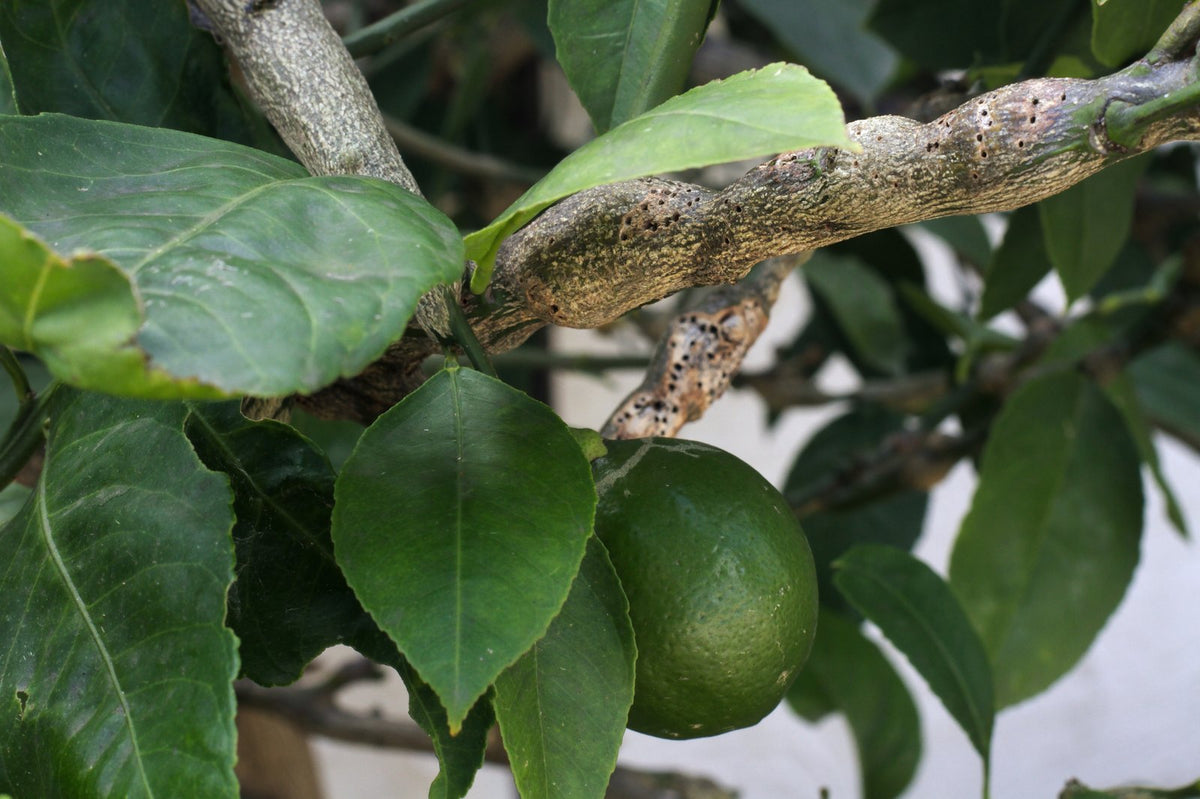
Citrus Gall Wasp: How to Prevent and Control It
Citrus gall wasp causes woody swellings along citrus twigs, and no spray cures it. The one control that works is pruning out galled wood before the spring emergence.
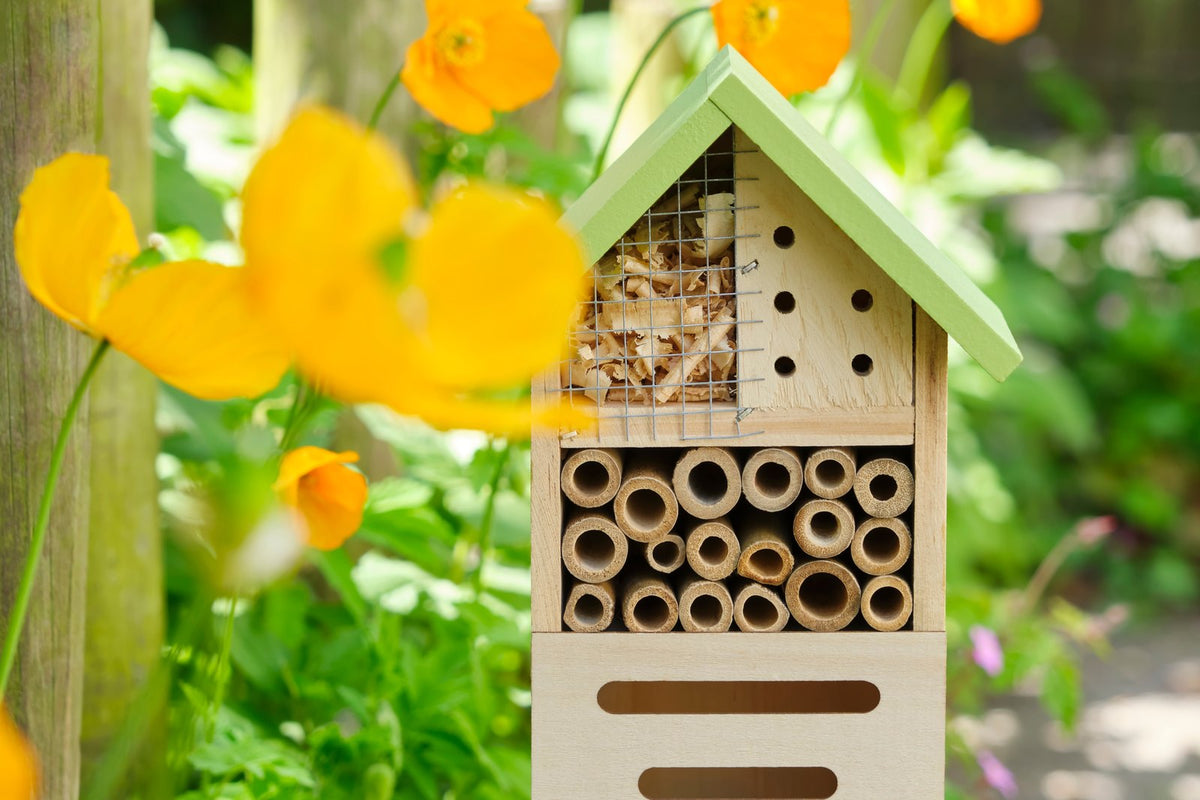
Insect Hotels: How to Support Native Bees and Beneficial Bugs
A good insect hotel shelters native bees and the predators that eat pests, but only if it is built, placed and maintained well, and the garden offers flowers to feed them.
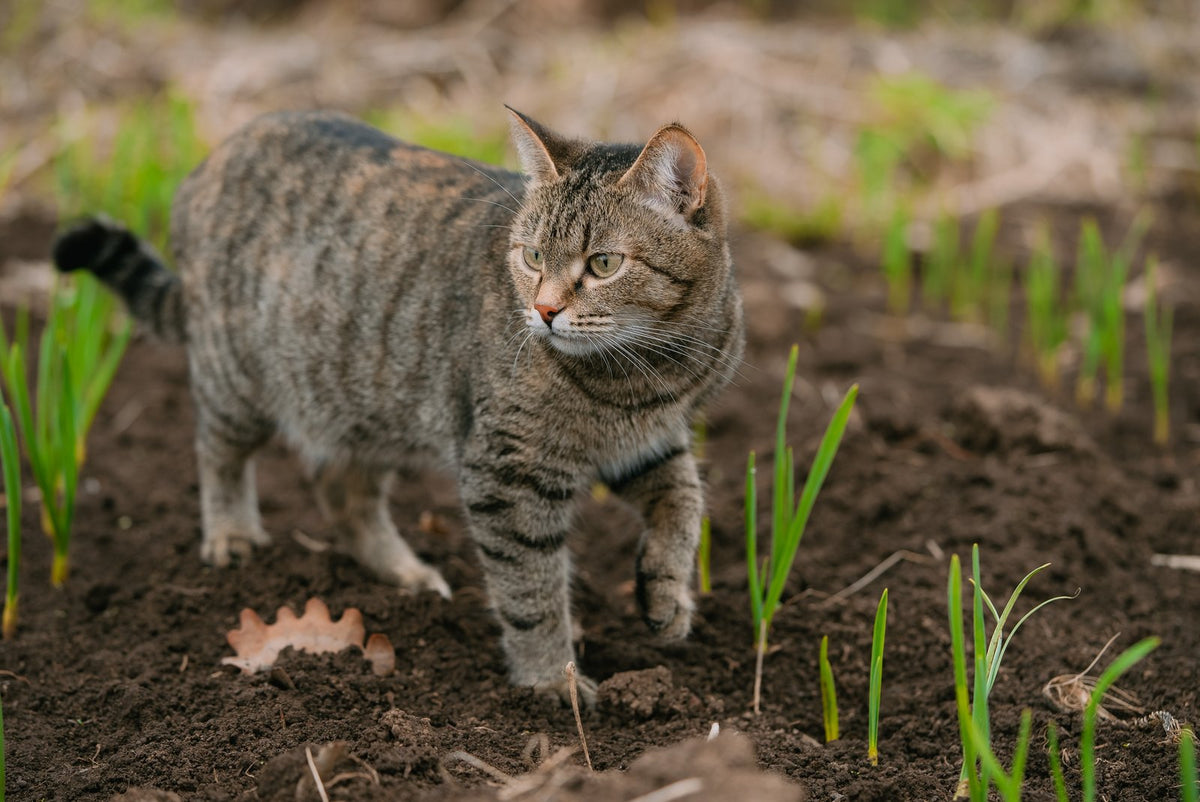
Deterring Cats and Birds from Garden Beds, Humanely
Cats and birds are best kept off garden beds humanely and lawfully. Here are the cheap, effective methods, including the all-important wildlife-safe netting rule.
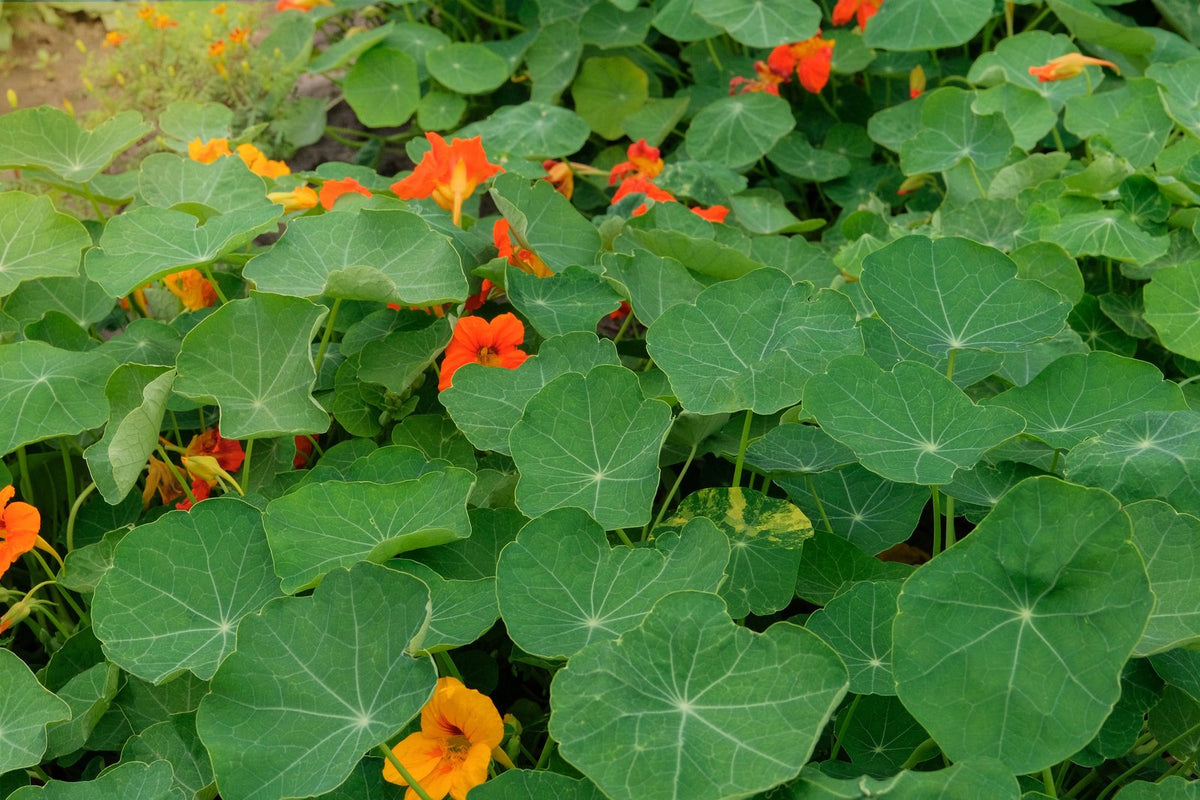
Trap Crops: Using Sacrificial Plants to Lure Pests Away
A trap crop lures a pest away from your main crop so you can destroy it with the trap. Here is how to use one well, and why you must destroy it in time.
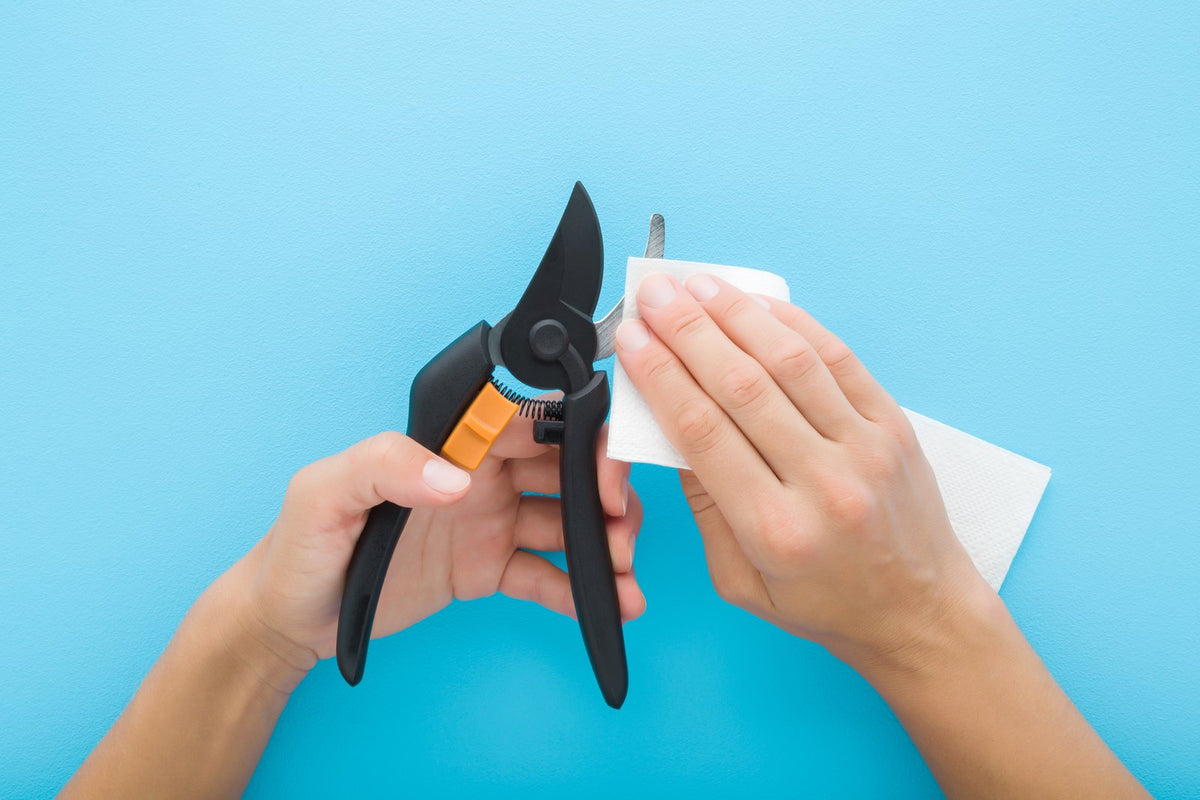
Garden Hygiene: Simple Habits to Reduce Pests and Disease
Most pest and disease trouble is easier to prevent than cure, and good garden hygiene does most of the preventing. Here are the habits that quietly head off problems.
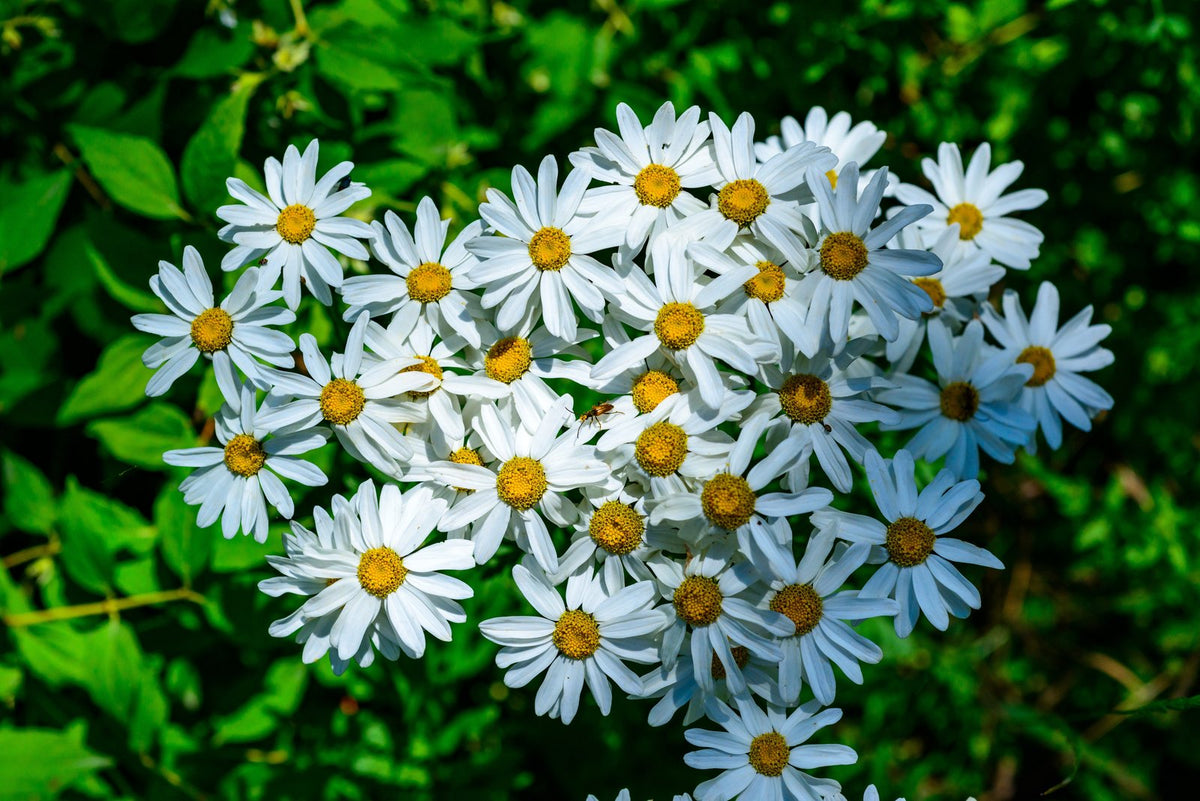
Pyrethrum Spray: How to Use It Safely, and Why Bees Matter
Pyrethrum is a fast natural knockdown made from the pyrethrum daisy, but it is broad-spectrum and kills bees and beneficials. Here is how to use it as a careful last resort.
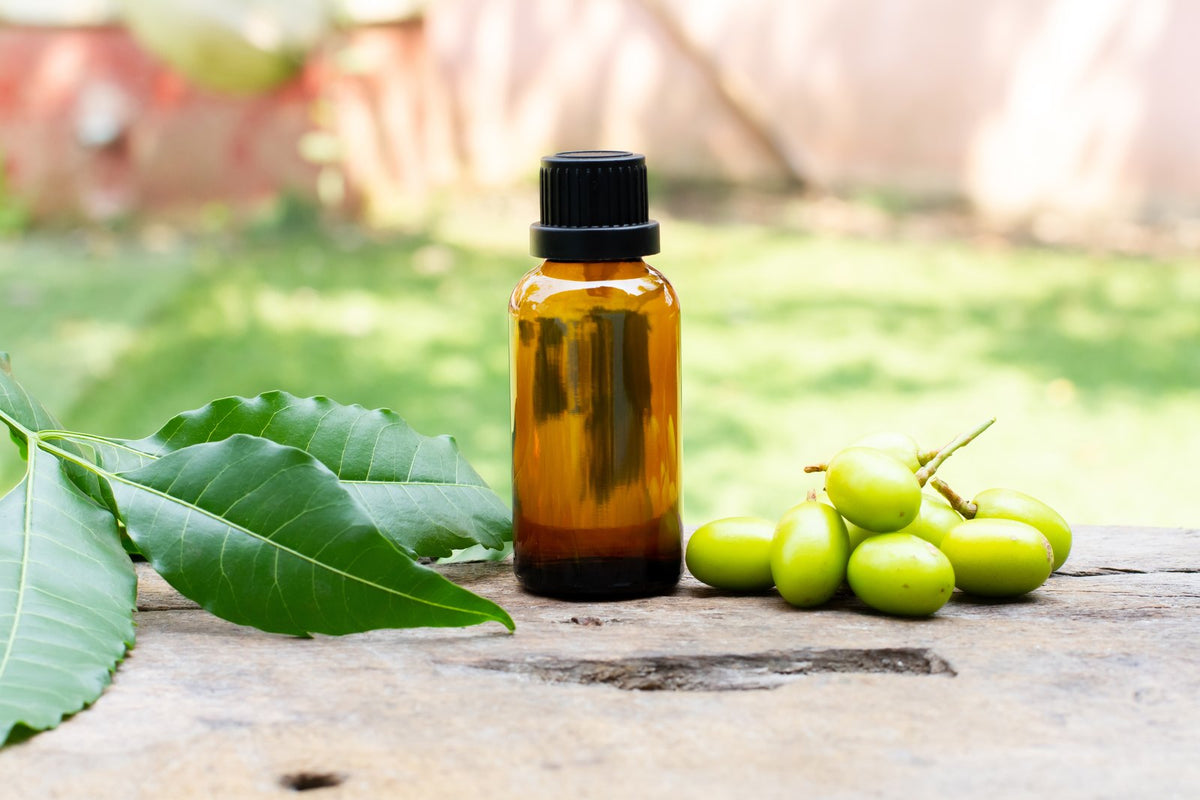
Neem Oil: How to Use It, and Its Australian Limits
Neem oil works slowly, by disrupting insect feeding and growth. In Australia it is registered for ornamentals only, so here is how to use it properly.
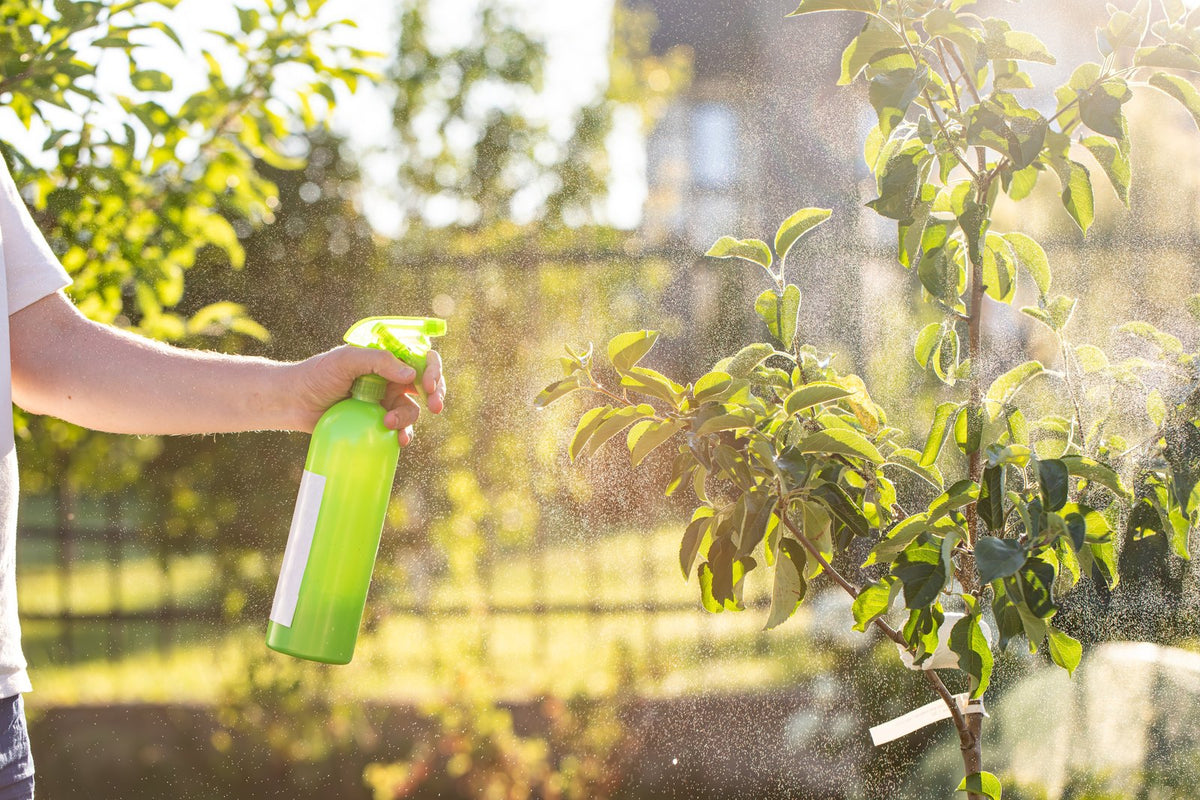
White Oil: How to Make and Use It Safely
White oil is a simple horticultural oil that smothers scale, aphids, mealybugs and mites. Here is how to make it, what it controls, and the heat rule that avoids leaf burn.
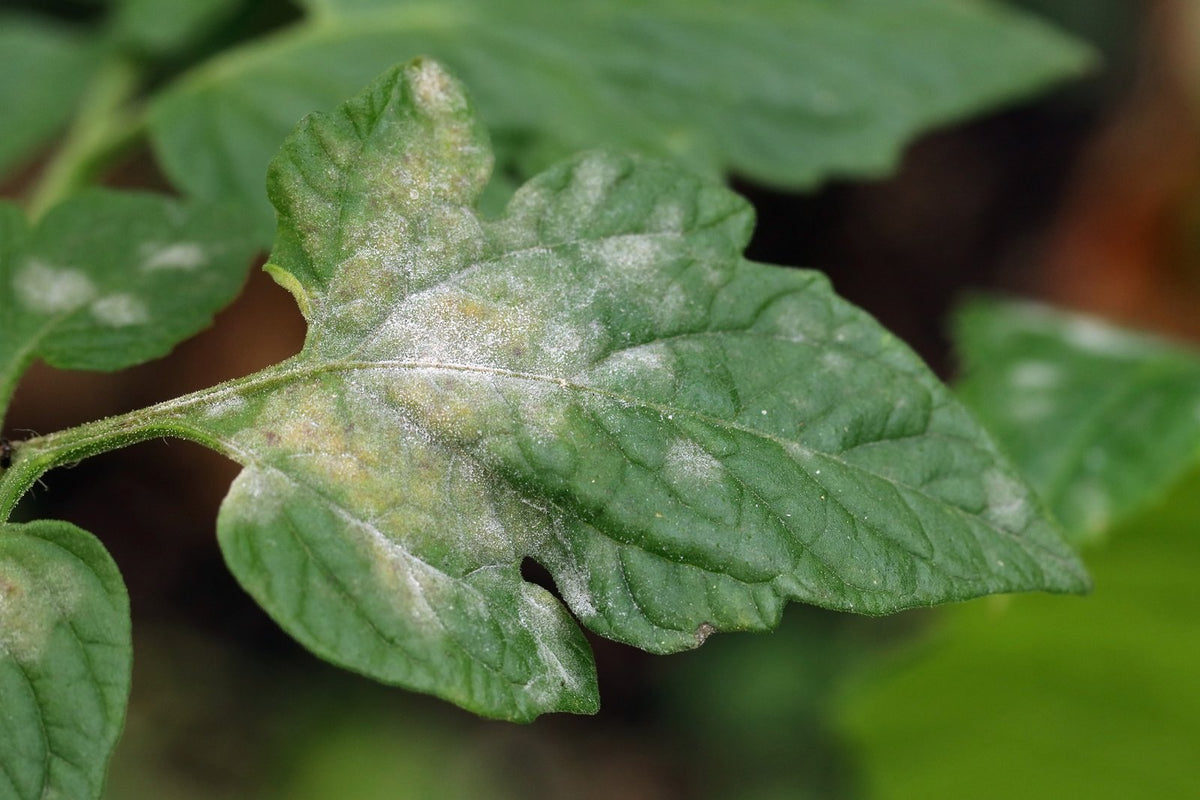
Tomato Leaf Problems: A Visual Guide to Diagnosing Your Tomatoes
Spots, yellowing, mottling or curling on tomato leaves each point to a different cause. Here is how to read the pattern and prevent the most common problems.
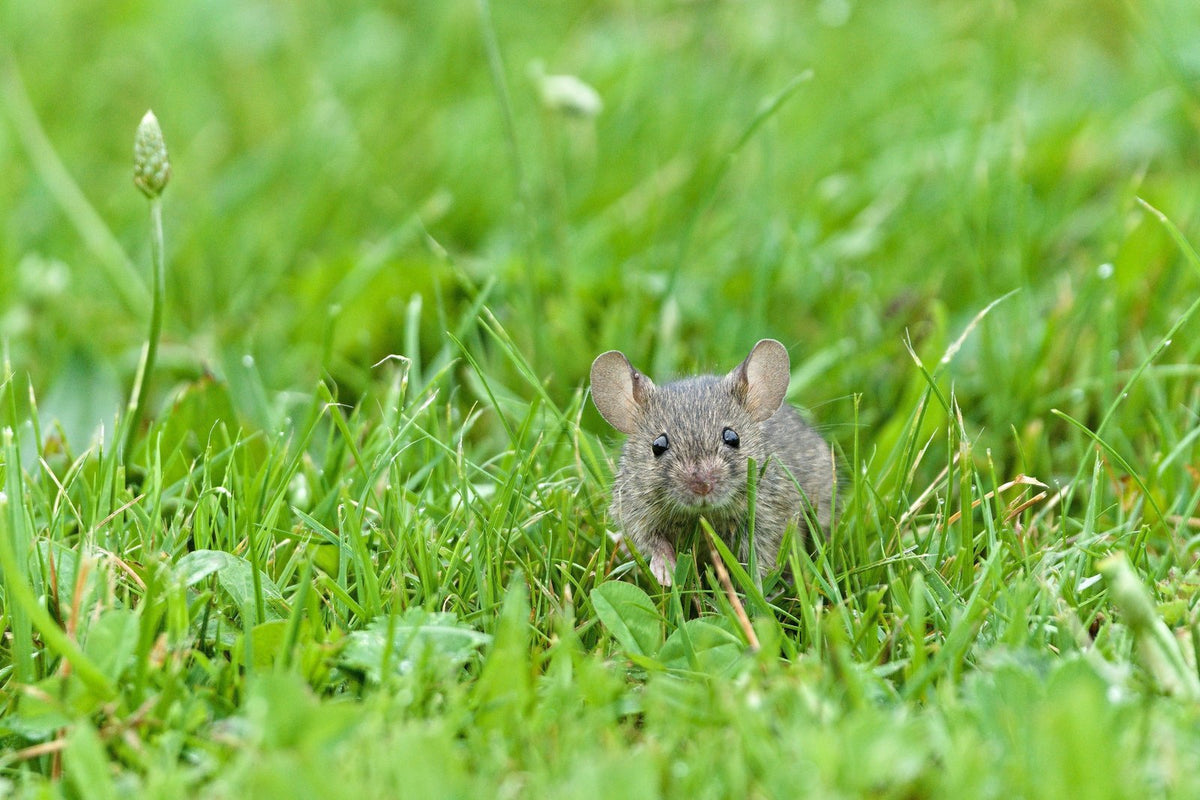
Rats and Mice in the Garden: Humane, Wildlife-Safe Control
Rats and mice dig up seed, gnaw fruit and nest in sheds and compost. Here is how to keep them down safely, without the baits that kill owls and pets.
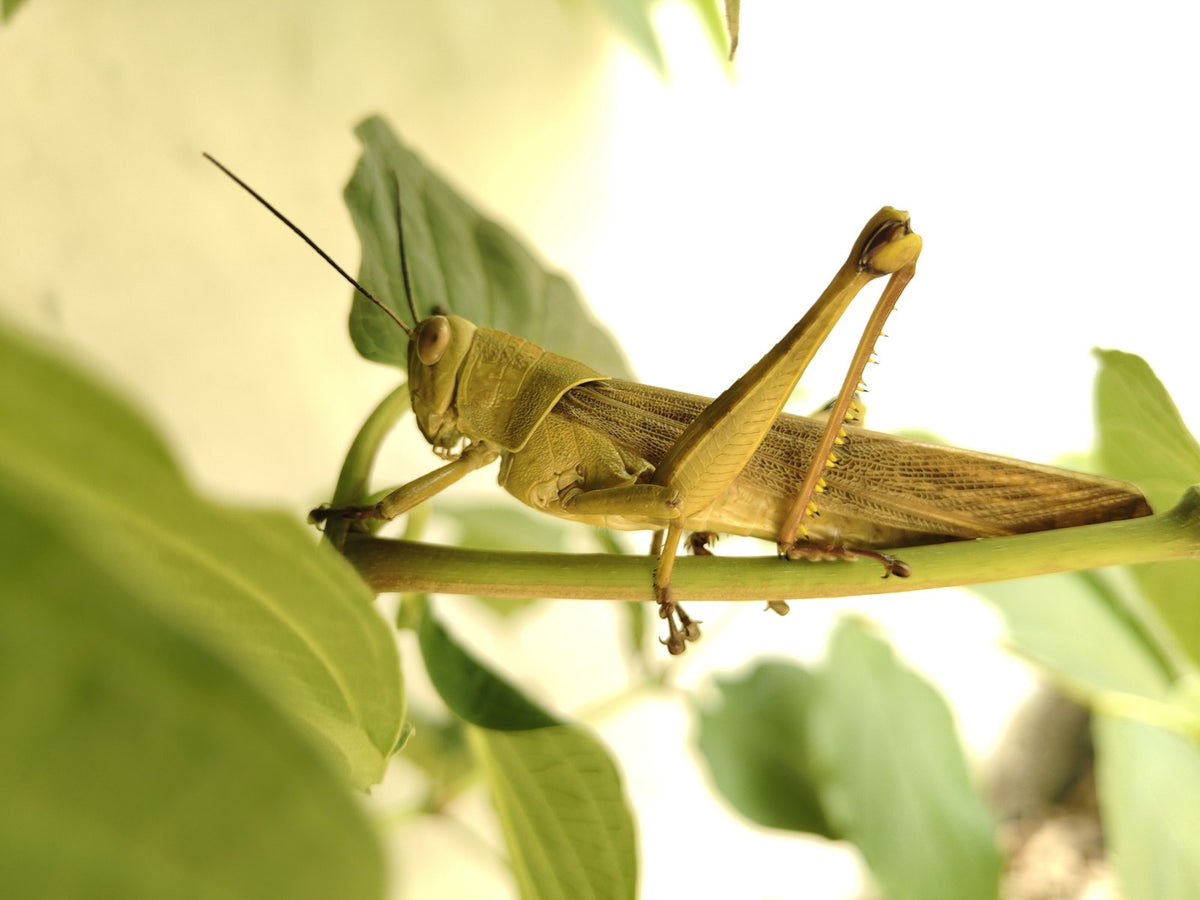
Grasshoppers and Locusts: How to Protect Your Garden
Grasshoppers and locusts chew and defoliate a wide range of plants, and a swarm can strip a garden in a bad year. Here is how to protect the plants that matter.
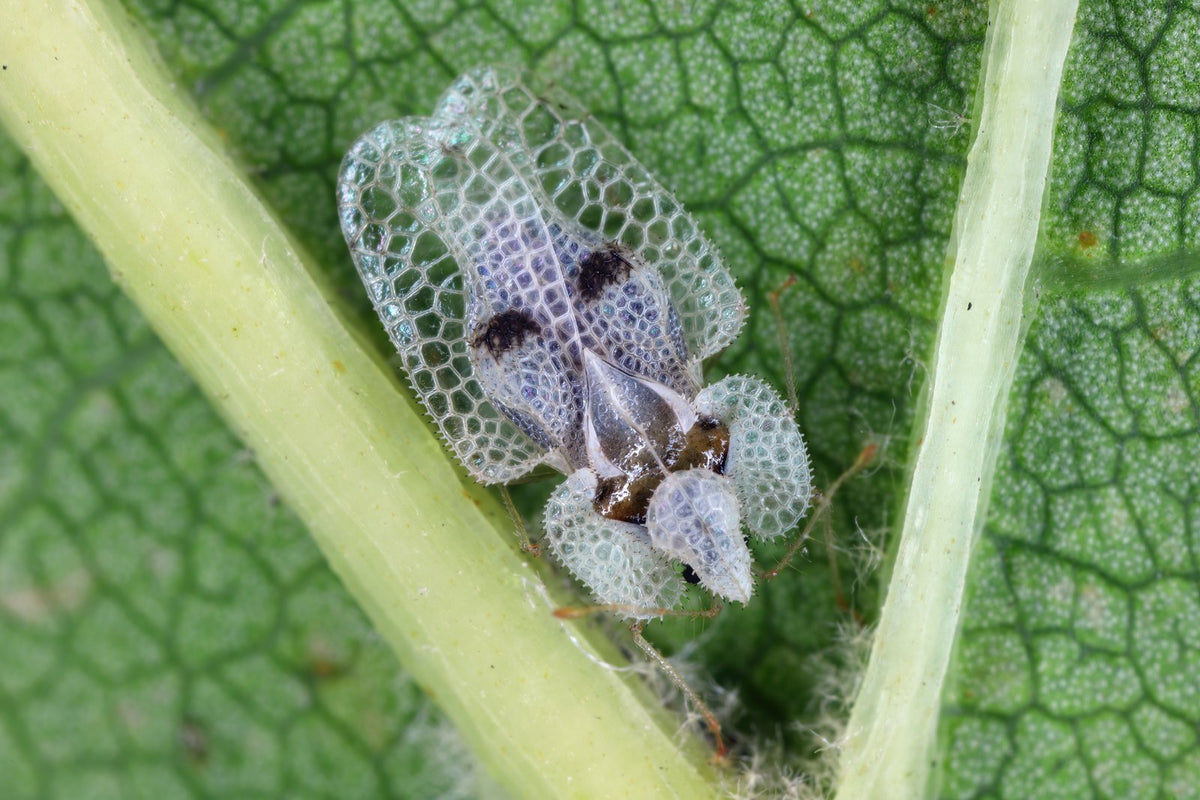
Lace Bugs: How to Spot and Control Them on Azaleas and Olives
Lace bugs leave silvery mottled leaves with shiny black spots underneath, mostly on azaleas and olives. The fix is to spray the leaf underside where they live.