
The short version: Most pest and disease trouble is easier to prevent than to cure, and good garden hygiene does most of that preventing. Clear away diseased material and dispose of it properly rather than composting it, clean and occasionally disinfect your tools, rotate plant families, deal with fallen fruit and weeds, water at the base early in the day, and give plants room to breathe. It is unglamorous work, but it quietly heads off the problems that otherwise need spraying.
Garden hygiene is the least exciting subject in gardening and one of the most useful. A tidy, well-managed patch simply gets sick less often, because you keep removing the bridges that pests and diseases use to carry over.
None of it is complicated. It is a handful of habits, each with a clear reason behind it, that together do more for plant health than any spray.
Remove diseased material, and dispose of it properly
As soon as serious symptoms show, cut out the affected leaves, stems or whole plants, roots included. Then deal with the material correctly: bin it, compost it only in a properly managed hot heap, or seal it in a bag and solarise it in the sun. Do not put diseased or pest-laden material, such as blight, rust, fruit-fly-stung fruit, citrus gall wasp wood or cabbage-white pupae, into a cold compost heap, because most home heaps never get hot enough for long enough to kill the pathogens, eggs and larvae, so you simply recycle the problem back into your beds.
This is also the thinking behind the idea of the green bridge. Weeds, self-sown volunteers and old crop residue that survive the gap between seasons shelter pests and diseases and reinfect the next crop, so clearing spent crops and debris breaks that bridge.
Clean your tools, rotate your beds
Two habits do a lot of heavy lifting.
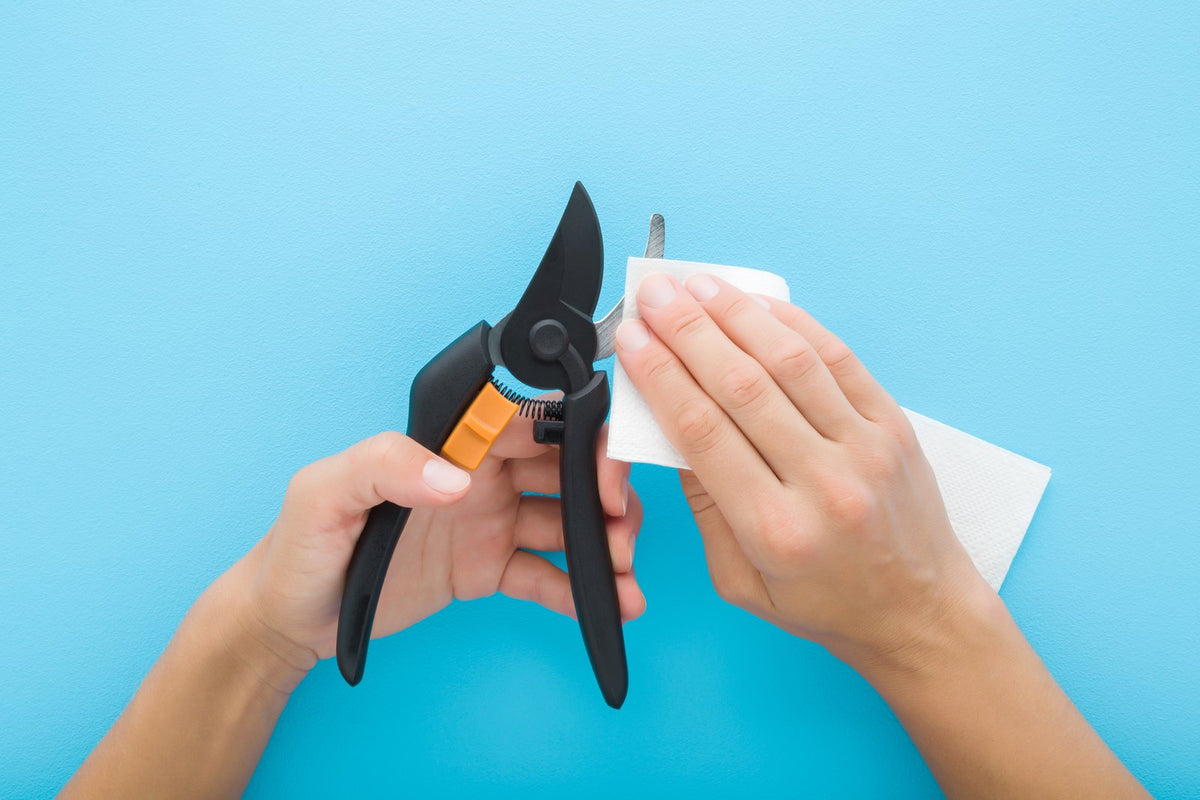
- Clean, then disinfect, your tools. Wash soil and sap off secateurs, stakes, pots and trays first, then, when you are working with a diseased plant, disinfect blades between plants with a solution of one part household bleach to nine parts water, or about 70 per cent methylated spirits. Cutting tools otherwise carry fungal spores and sap-borne viruses straight into fresh wounds.
- Rotate plant families. Move the solanums, brassicas, cucurbits, alliums and legumes to a different bed each season, ideally three to four years before a family returns, so the host-specific soil organisms like root-knot nematode and the wilts cannot build up. Some, such as clubroot, persist for many years, so pair rotation with resistant varieties and good drainage.
Deal with fruit, weeds and water
- Pick up fallen and mummified fruit. Collect dropped fruit under fruit-fly and brown-rot hosts, and bag and solarise or freeze it before binning, so the pest cannot complete its cycle in the soil.
- Keep weeds down. Weeds are a green bridge for aphids, thrips and the viruses they spread, along with snails, slugs and caterpillar eggs.
- Do not work among wet foliage. Harvest, prune and weed when the leaves are dry, since moving through wet plants spreads fungal and bacterial disease on your hands, clothes and tools.
- Water the soil, early. Water at the base in the morning so the foliage dries quickly, rather than leaving leaves wet overnight for fungi and bacteria to infect.
Give plants room, and start clean
Crowded, humid, still canopies favour mildews, rusts and grey mould, so space plants to their recommended spacing, stake and trellis trailing crops off the soil, thin seedlings, and remove the lower leaves on tomatoes for airflow. Start each crop clean with fresh, quality seed and sterile seed-raising mix, inspect new plants and isolate them before planting out, and wash your hands and tools after handling anything infected, since some viruses survive on hands and in tobacco. A layer of mulch stops rain and watering splashing soil-borne spores up onto the lower leaves, and a diverse, predator-friendly garden helps keep pest numbers down, so hygiene and natural control reinforce each other.
Garden hygiene across Australia's climate zones
Hygiene matters everywhere, but the humid zones carry the heaviest disease pressure, so it matters most there.
- Tropical (Cairns and far north Queensland, Darwin and the Northern Territory Top End, the Kimberley in Western Australia): the hot, humid wet season drives the highest fungal, bacterial and fruit-fly pressure, so do the big clean-ups in the cooler dry season and keep airflow high.
- Subtropical (Brisbane and coastal Queensland, Coffs Harbour and northern New South Wales): disease and fruit fly are active much of the year, so sanitise tools often and clear fallen fruit year round.
- Arid and semi-arid (inland Queensland, Broken Hill and Dubbo in New South Wales, Mildura in Victoria, inland South Australia and Western Australia, and Alice Springs in the Northern Territory): less leaf fungus, but soil-borne pests and heat stress remain, so prioritise rotation and mulch, and solarising works especially well here.
- Temperate (Sydney and New South Wales, Melbourne and Victoria, Canberra, Adelaide and South Australia, and southern Western Australia): spring is the peak for damping off and mildew, so do the end-of-season clean-up and sterilise tools, pots and greenhouses from autumn to late winter.
- Mediterranean (Perth and Bunbury in Western Australia, and parts of South Australia): clean up before the winter rains, which bring the foliar-disease window, and manage fallen fruit through the summer fruit-fly window.
- Cool and alpine (Hobart and Tasmania, the alpine areas of Victoria and New South Wales): sterilise tools, pots and greenhouses in late winter before sowing, and watch for damping off in cool, damp spring conditions.
Frequently asked questions
Can I compost diseased plants?
Not in a typical cold home heap, which rarely gets hot enough to kill pathogens and eggs. Bin it, solarise it in a sealed bag, or use a properly managed hot heap, and check local rules for fruit fly and gall wasp material.
Do I really need to disinfect my secateurs?
Yes, whenever a plant is diseased or you are moving between plants, especially with viruses and bacterial cankers. Wash off sap and soil first, then wipe the blades with dilute bleach or methylated spirits. For routine healthy pruning, cleaning is enough.
How long should crop rotation be?
Aim for three to four years before the same family returns to a bed. Some diseases, such as clubroot, persist much longer, so combine rotation with resistant varieties and good drainage.
Why should I not water at night?
Water sitting on leaves overnight gives fungi and bacteria the long period of leaf wetness they need to infect, so water the soil early in the day instead.
Is it alright to leave fallen fruit on the ground?
No, especially under fruit-fly and brown-rot hosts. Collect it regularly and solarise, freeze or bin it, because leaving it lets the pest complete its life cycle.
What about weeds?
Keep beds and edges weeded, since weeds are a green bridge that harbours aphids, thrips, viruses, snails and caterpillar eggs.
Keep the patch tidy, deal with the sick material properly, and give plants room and clean water, and you head off most of the trouble before it ever needs a spray.
Related growing guides
Ready to plant? Browse our vegetable seeds and herb seeds for a clean start to the season.