
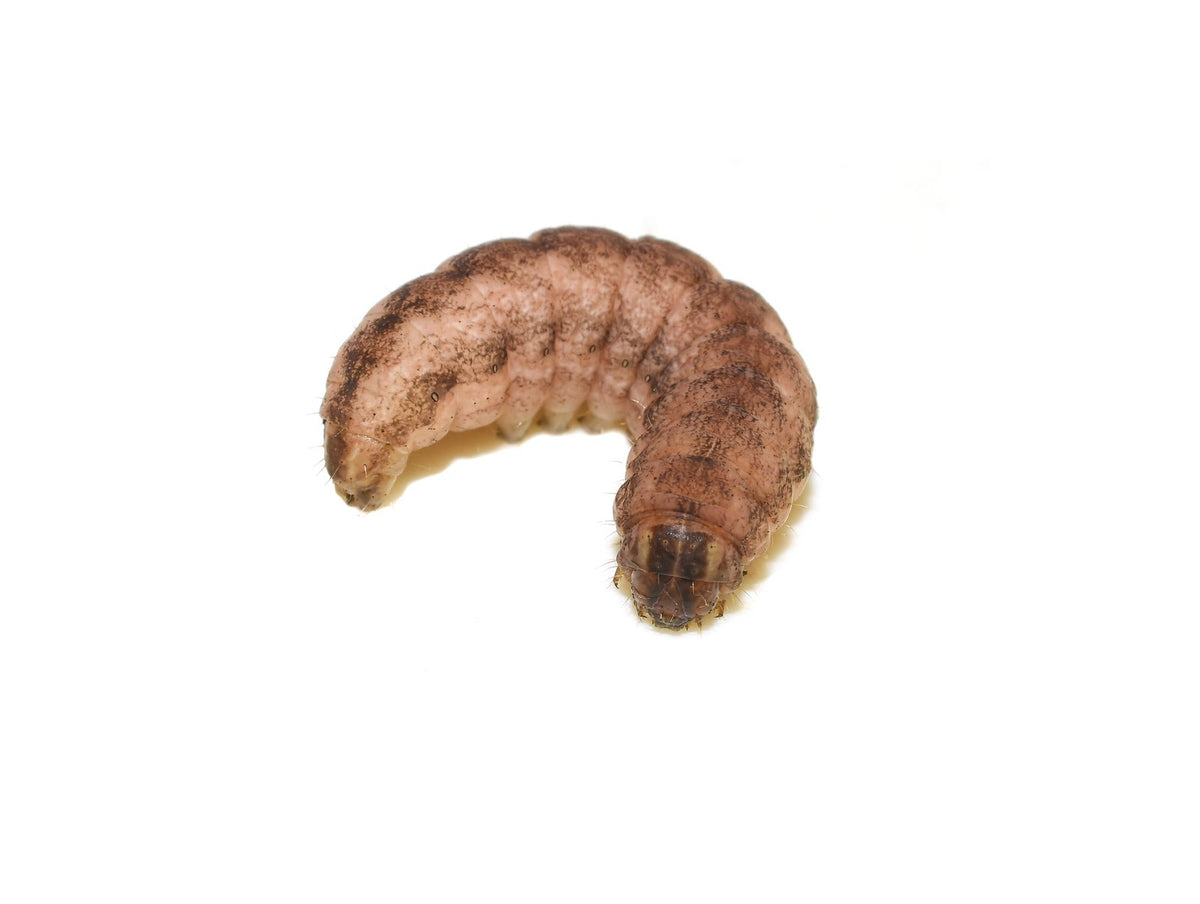
The short version: Cutworms are fat, smooth caterpillars that hide in the soil by day and feed at night, and their signature is a young seedling cut clean off at ground level and left toppled beside it. The most reliable defence is a simple collar around each stem, backed up by night patrols with a torch, cultivating the soil before planting, and clearing weeds and grass a few weeks ahead of sowing. They are worst on freshly planted beds.
There is a particular kind of dismay in finding a healthy seedling lying on its side in the morning, severed at the base as if someone took to it with scissors. That clean cut at soil level is the calling card of the cutworm.
They are the larvae of night-flying moths, and because they hide underground by day, the trick is knowing where to look and how to protect the plants before they are hit.
How to spot cutworm damage
The classic sign is a young seedling cut off cleanly at or just below soil level overnight, toppled next to a small hole, with no slime trail. Cutworms are the soil-dwelling larvae of several Agrotis moths, and the caterpillars are fat, smooth and near hairless with a greasy sheen, in shades of grey-brown, green or black. Picked up, they curl into a tight C shape and lie still.
They hide in the top few centimetres of soil, under clods or litter by day, and feed at night, growing to about 40 to 50 millimetres. Small larvae rasp leaves or chew holes, while larger ones sever whole stems. In lawns, one species leaves brown patches about 50 millimetres across with a central tunnel. Tell them apart from armyworms, which feed in groups on foliage above ground, and from green cabbage caterpillars, which stay on the leaves and do not fell plants at the base.
Why they turn up on new beds
The moths lay their eggs on soil, leaves, mulch, weeds and grass near ground level, and the eggs hatch within days to a few weeks depending on warmth. The larvae feed for a few weeks, then pupate in the soil, and in warm areas there can be several overlapping generations across a year.
The worst damage comes when larvae shift off summer or autumn weeds, or off old grass, onto tender new seedlings. This is the reason a bed dug straight out of lawn so often gets hammered: the moths already laid on the grass, the larvae are already in the soil, and your transplants become the next meal.
How to control cutworms organically
- Fit a collar around each stem. This is the single most effective method. A cardboard toilet-roll tube, a cut-off plastic bottle or a short length of pipe, pushed about five centimetres into the soil and standing about five centimetres proud, simply stops the larva reaching the stem.
- Patrol at night. Head out with a torch and hand-collect them, or by day scratch the top few centimetres of soil around a freshly felled seedling and you will usually find the curled grub nearby.
- Cultivate before planting. Turning the soil exposes eggs and larvae to birds and to drying out, and keeping the bed weed-free removes egg-laying sites.
- Clear grass and weeds early. Strip weeds and grass three to four weeks before sowing or planting, so the larvae have moved on or starved before your seedlings go in.
Encourage the birds, predatory beetles, spiders and native parasitic wasps that prey on them. A caterpillar-specific spray of Bacillus thuringiensis (Bt) can kill small cutworms feeding on the surface, but it has to be eaten to work and is unreliable against the larger larvae that sit below ground and feed at night, so collars and hygiene remain the dependable options. Broad-spectrum baits and insecticides are a poor fit for a home veg patch, as they harm beneficial insects.
How to keep cutworms down
- Collar new transplants as you plant them, before any damage starts.
- Raise seedlings to a sturdier size before planting out, since older, tougher stems are less easily severed.
- Keep beds bare and firm around stems and pull mulch back a little, as loose mulch against a stem gives cover.
- Wait three to four weeks after clearing grass before planting into that ground.
Cutworms across Australia's climate zones
Cutworms are widespread but sporadic right across the country.
- Tropical (far north Queensland and the Northern Territory Top End, including Cairns and Darwin): warmth year round speeds up the generations, so protect every batch of seedlings.
- Subtropical (Brisbane and northern New South Wales): several overlapping generations, so watch autumn and spring plantings and irrigated beds year round.
- Arid and semi-arid (inland New South Wales, South Australia and Western Australia, and the Northern Territory around Alice Springs): sporadic flare-ups after rain drives a flush of weeds and seedlings, so collar new plantings.
- Temperate (New South Wales, Victoria and the ACT, including Sydney, Melbourne and Canberra): the classic pattern of autumn to winter and early-spring seedling losses as larvae move off weeds onto transplants.
- Mediterranean (Perth and southern Western Australia, and Adelaide in South Australia): worst on autumn-sown and late-winter to spring seedlings after the autumn break, so clear summer weeds early.
- Cool and alpine (Tasmania, alpine New South Wales and Victoria): a shorter season with usually one long generation, so spring transplants are the most vulnerable.
Frequently asked questions
What cut my seedlings off at the base overnight?
Almost certainly cutworm. The clean cut at soil level, the toppled plant, the lack of any slime and a C-curled grub in the soil nearby all point to it.
How do I tell cutworm from snails or earwigs?
Cutworm fells the whole seedling at the base and leaves dark pellet droppings but no slime. Snails and slugs leave slime trails and ragged leaf holes, and earwigs notch leaves and shoot tips without felling plants.
How do collars work?
A collar is a simple physical barrier around the stem, pushed into the soil and standing proud, so the larva cannot reach the stem to cut it.
How do I find the culprit?
Search at night with a torch, or by day dig the top few centimetres of soil around a wilted or felled seedling and look for the fat grub curled into a C.
Does Dipel (Bt) work on cutworm?
Only if the caterpillar eats it, so it can help against small surface-feeding larvae but is unreliable on the larger soil-dwelling ones. Collars and hygiene are more dependable.
Why are my beds worst after lawn?
Moths lay on grass and weeds, so the larvae are already in the soil. Strip the grass and replant, and they simply switch onto your seedlings. Cultivate and wait three to four weeks first.
Collar the seedlings, tidy the ground before you plant, and check a felled plant at night, and cutworms stop being the reason your rows keep going missing.
Related growing guides
Ready to plant? Browse our vegetable seeds and get your seedlings off to a safe start.