
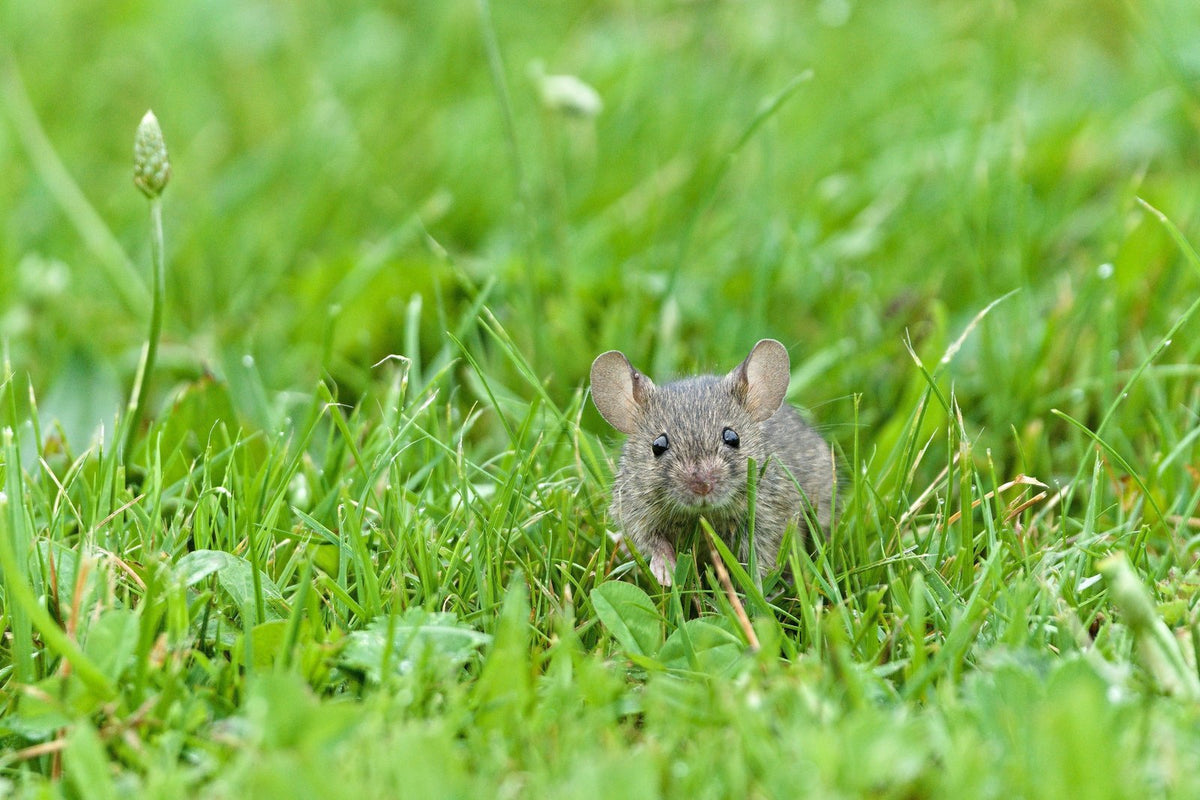
The short version: Rats and mice dig up seed, gnaw pumpkins, sweet corn and strawberries, and nest in sheds and compost. The safe, effective approach is to take away their food and shelter, exclude them with mesh and sealed gaps, and use covered snap traps where pets and wildlife cannot reach. Avoid rat and mouse poisons: the strong second-generation baits kill owls, other raptors and pets through secondary poisoning, and from 24 March 2026 the APVMA suspended them for general garden use and tightened the rules, with a move to licensed-only purchase underway. Check what you are dealing with first, because several native animals are easily mistaken for pests.
A vegetable garden offers rodents food, water and shelter all in one place, so the odd rat or mouse is to be expected. The aim is not to wage chemical war on them but to make the garden far less welcoming, and to deal with any that remain in a way that does not harm the wildlife and pets around you.
That last point matters more than it used to, because the most effective baits turned out to be the most dangerous to owls and pets, and the rules have now changed to reflect that.
First, tell friend from pest
The pest rodents in Australian gardens are all introduced: the house mouse (Mus musculus), the black or roof rat (Rattus rattus), and the brown or Norway rat (Rattus norvegicus). But do not assume every small furry visitor is a pest. Australia has protected native rodents, such as the bush rat and the water rat, or rakali, along with other natives easily mistaken for rats or mice, including the antechinus, which is a small marsupial, bandicoots, and young brushtail possums.
Harming native wildlife is both illegal and unwise, so if you are not sure what you have, use exclusion and non-lethal methods only, and check with your state wildlife authority or a local wildlife group. The signs of introduced rodents are dug-up or gnawed seed and seedlings, chewed pumpkins, tomatoes, sweet corn, strawberries and citrus, droppings, greasy runways along fences and beds, gnaw marks, and nests in sheds, compost bins or woodpiles.
Why they come, and how to make them leave
Rodents come for food, water and shelter, so removing those is the heart of the solution. Lead with prevention.
- Remove the food. Keep compost in a rodent-proof bin, never compost cooked food or meat, pick up fallen fruit, store seed, pet and poultry feed in metal or glass containers, and feed pets and chooks by day, removing any leftovers.
- Remove the shelter. Clear woodpiles and rubbish, cut back dense growth, tidy sheds, and raise stored timber off the ground.
- Exclude them. Seal gaps in sheds and coops, mesh over compost and runs, protect seedlings with wire or mesh cloches, and use raised, secure beds.
- Trap correctly. Well-placed snap traps are fast and effective when used inside covered, tamper-resistant stations, positioned where pets, children and wildlife cannot reach, and checked daily. Avoid open traps outdoors where native animals forage, and only use live-catch traps if you can check them very frequently.
Protect the natural predators too. Owls and other raptors are valuable rodent hunters, and the best thing you can do for them is not to use poison. Keeping pet cats contained is better for wildlife than letting them hunt.
Why to avoid rat and mouse poisons
This is the part worth reading carefully. The strong second-generation anticoagulant rodenticides, with active ingredients such as brodifacoum and bromadiolone, persist in the body of a poisoned rodent, which is then eaten by owls, other raptors, reptiles and pets, causing secondary poisoning and death. These chemicals have been detected in Australian birds including powerful owls, southern boobooks, tawny frogmouths and wedge-tailed eagles.
After a long campaign by BirdLife Australia, from 24 March 2026 the APVMA suspended these second-generation baits for twelve months, overriding the old product labels with much tighter conditions of use, and has certified that they should become restricted, licensed-only products, a change the states and territories are still putting in place. If a bait is truly unavoidable, the older first-generation options are lower risk and should be used only in a tamper-resistant station, but even these carry a poisoning risk, so it is better to rely on the non-lethal methods above. Never scatter loose bait. As these rules are still evolving, it is worth checking the current APVMA position before buying anything.
A note on health and safety
Rodents and their droppings can carry diseases such as leptospirosis and salmonella. Wear gloves and a mask when cleaning up nests or droppings, dampen the material first so you are not raising dust, do not sweep or vacuum dry droppings, and wash your hands afterwards. Your state health department carries current advice.
Rats and mice across Australia's climate zones
- Tropical (far north Queensland, the Northern Territory Top End, the Kimberley in Western Australia): rats are active year round in the warm, humid conditions.
- Subtropical (south-east Queensland, north-east New South Wales): roof rats are common in gardens and fruit trees.
- Temperate (Victoria, Tasmania, southern and coastal New South Wales, the Adelaide region, the Perth region): rats are common in urban and coastal gardens.
- Cool and alpine (Tasmania, highland New South Wales and Victoria): rodents shelter in sheds and homes over winter.
- Arid (interior Western Australia, South Australia and the Northern Territory): mice and rats gather around towns, water and stored feed.
- Semi-arid grain belt (inland New South Wales, Victoria and Queensland, the South Australian and Western Australian wheatbelts): periodic house mouse plagues follow good cropping seasons.
Frequently asked questions
What is digging up my seeds or eating my pumpkins?
Usually introduced rats or mice, but confirm with droppings and gnaw marks before acting, in case it is a native animal.
How do I keep rats out humanely?
Remove food and shelter, exclude them with mesh and sealed gaps, and use covered snap traps checked daily.
Are rat baits safe?
No. The strong second-generation baits poison owls, raptors and pets through secondary poisoning, and the APVMA has suspended them and is moving to restrict them to licensed users, so it is best to avoid poisons altogether.
Will I hurt native animals?
You can. Antechinus, bandicoots, possums and native rats can be poisoned or trapped by mistake, so identify what you have first and prefer exclusion.
Do owls and cats help?
Owls and raptors are valuable predators, so protect them by not poisoning. Keep pet cats contained rather than letting them hunt wildlife.
Is my compost attracting them?
It can be. Use a rodent-proof bin and never add cooked food or meat.
Take away the food and the hiding places, exclude them from the crops that matter, and skip the poison, and you keep the rodents down while the owls that hunt them stay safe to do the same job for free.
Related growing guides
- Garden hygiene to reduce pests and disease
- Protecting the garden from possums
- Organic pest control in Australia
Ready to plant? Browse our vegetable seeds and get your beds off to a secure start.