Intensive Biofume - Maximum Strength Biofumigation Blend
NOT to WA & TAS
Brassica oleracea var. italica, R. sativus var. longipinnatus, Raphanus sativus
Suitable for: Home gardeners, Vegetable growers with soil disease problems, strawberry/tomato/potato/capsicum growers, commercial market gardens, growers replacing Metham sodium (a broad-spectrum dithiocarbamate soil fumigant used to control nematodes, fungi, weeds, and soil-borne pests in agriculture)
Sowing rate: Garden beds: 8-15 g/sqm (1 kg covers 65-125 sqm). Market garden: 8-12 kg/ha.
Season: Sep-Nov or Feb-Mar. Soil temp must be above 12°C for effective glucosinolate production. Best in temperate to warm conditions. Spring. Summer sowing produces maximum biomass and glucosinolate concentration. Can be sown in autumn in frost-free zones.
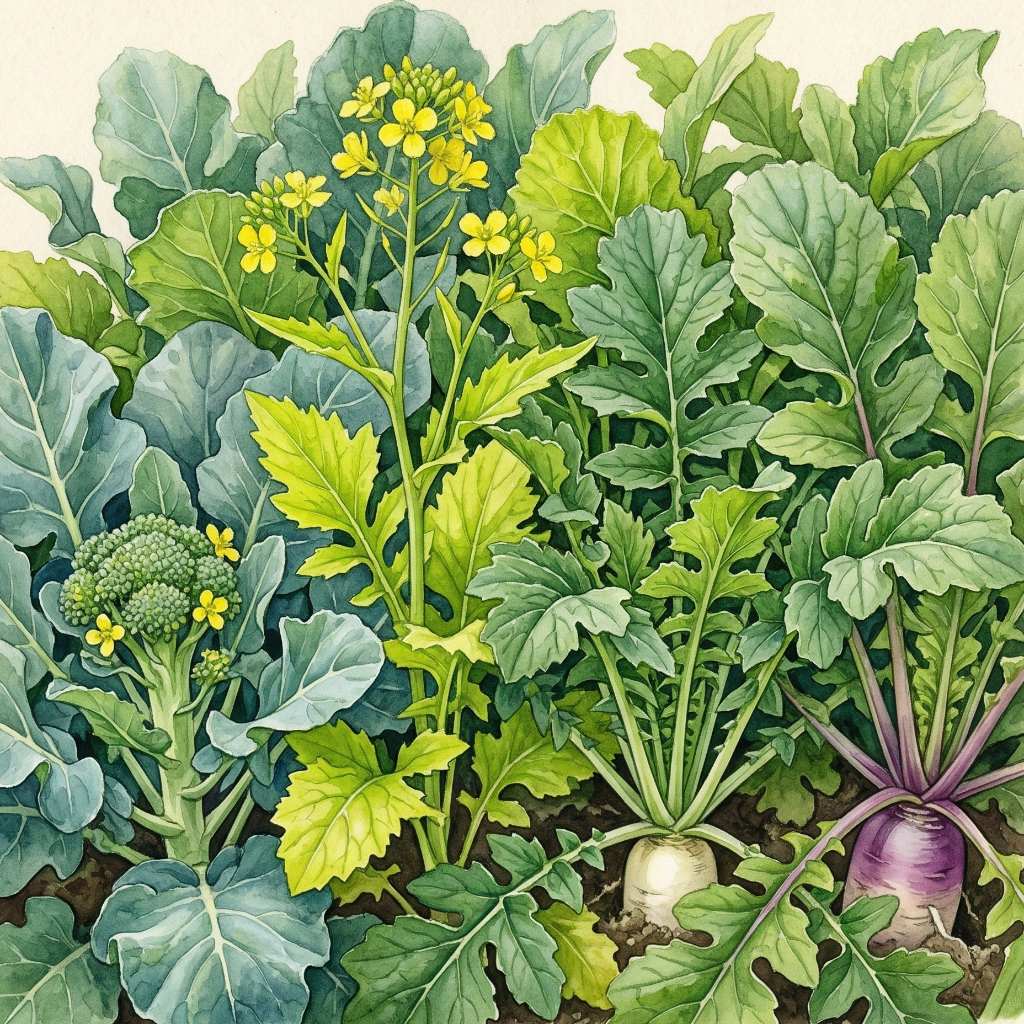
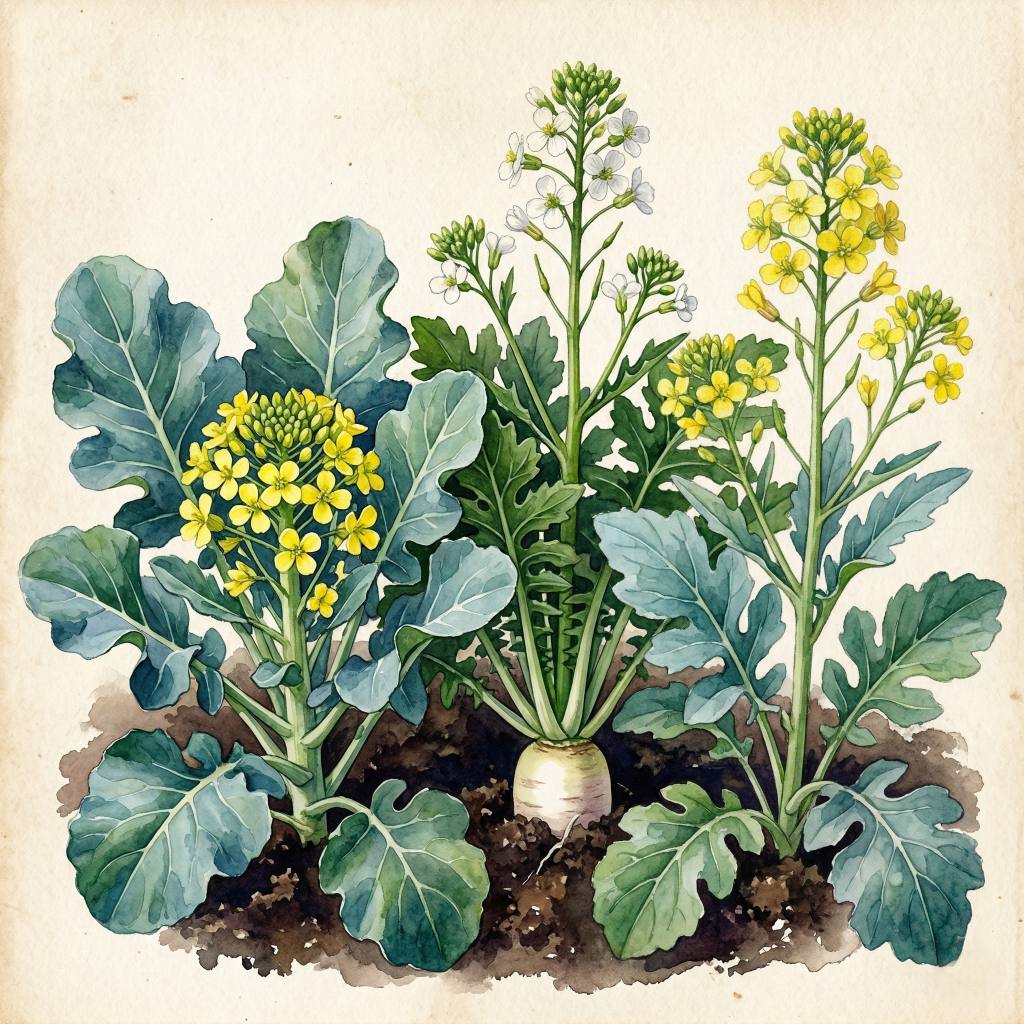
Contains: Tillage Radish, Broccoli, Indian Mustard, Daikon Radish
When soil-borne disease pressure demands more than a standard green manure, BioFume Intensive delivers concentrated biofumigation potential. This is 100% brassica, 100% glucosinolate-producing species - no cereals, no legumes, nothing that dilutes the biofumigant effect.
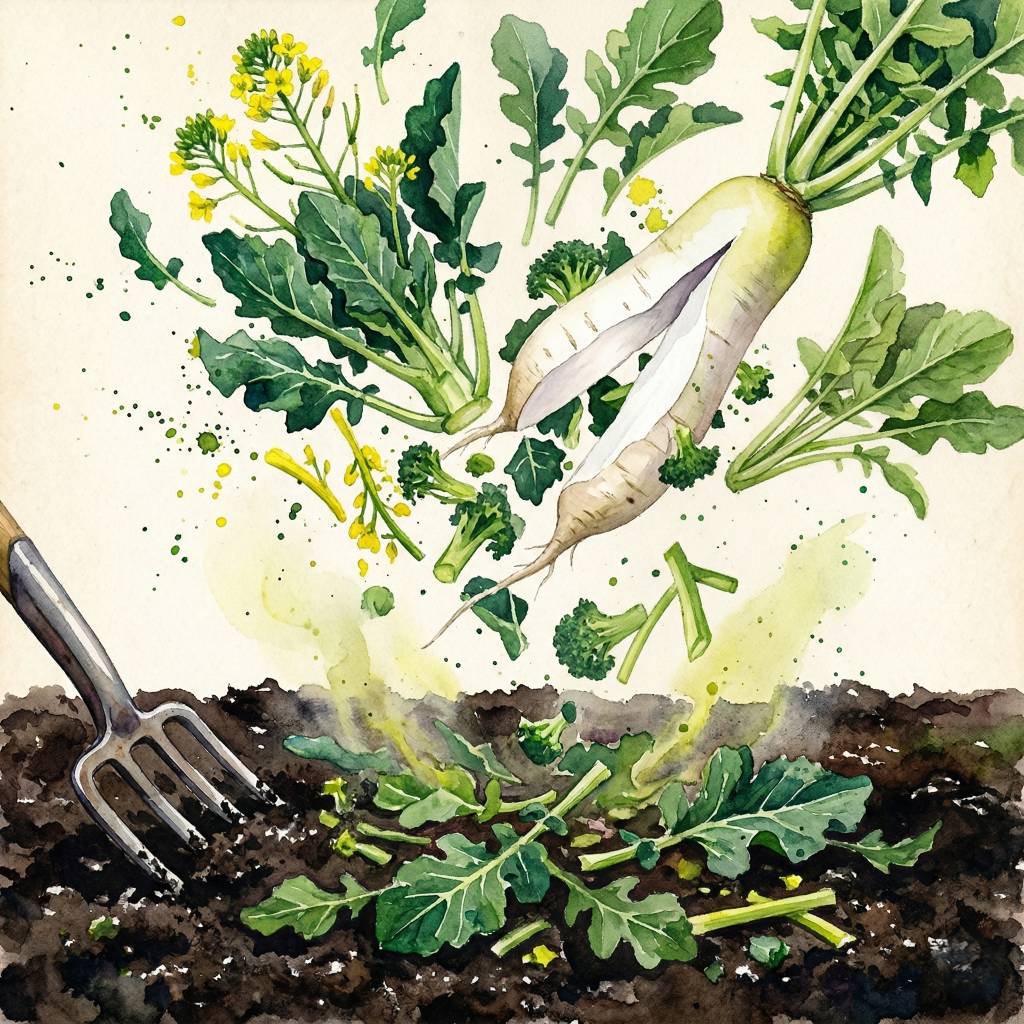
Brassica plants produce glucosinolates that, when chopped and rapidly incorporated into moist soil, convert into isothiocyanates (ITCs) - naturally occurring compounds with demonstrated suppressive activity against soil-borne pathogens and nematodes. This process, known as biofumigation, has been extensively researched by CSIRO, SARDI, and university programs worldwide.
BioFume Intensive combines Indian mustard for high glucosinolate concentration, daikon radish for deep soil penetration.
Evidence is strongest for Verticillium wilt and root-knot nematode suppression, with promising results against other soil-borne pathogens. Results depend heavily on technique: incorporate at early flowering, ensure soil moisture, chop finely, incorporate immediately, and seal the soil surface.
This is not a silver bullet - it is a powerful, research-backed tool within an integrated disease management strategy. Do not use in clubroot-infested soils.
For full scientific references and detailed management guidelines, read here
Sowing Instructions
1. Sow in spring (Sep-Nov) or late summer (Feb-Mar) when soil temperature is above 12°C.
2. Prepare a fine seed bed - rake to 2-3 cm depth. Brassica seeds are small and need good soil contact.
3. Broadcast at 8-15 g/sqm (lower rate than other mixes because brassicas produce enormous individual plants).
4. Rake lightly to cover seeds 0.5-1 cm deep. Do not bury too deeply.
5. Water in gently. Germination occurs in 5-10 days.
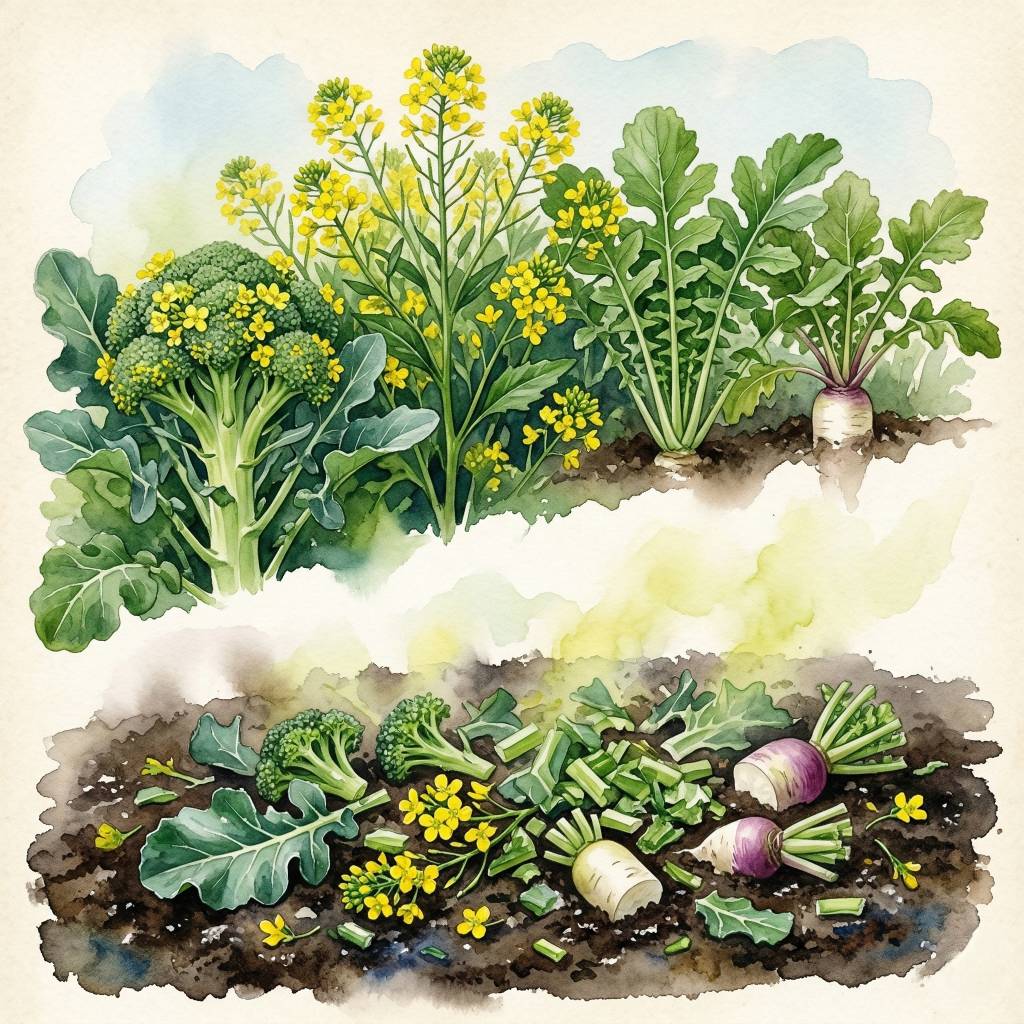
6. Allow to grow for 8-12 weeks until plants reach early flowering stage (maximum glucosinolate concentration).
7. CRITICAL STEP: Slash/mow all plants and immediately incorporate into soil within 30 minutes of cutting. Speed is essential.
8. CRITICAL STEP: Water heavily immediately after incorporation (10-15 mm). The biofumigation reaction requires moisture.
9. Optional: cover the bed with a tarp or plastic sheet for 7-14 days to trap volatile isothiocyanates.
10. Wait 3-4 weeks before planting your next crop to allow residual ITCs to dissipate.