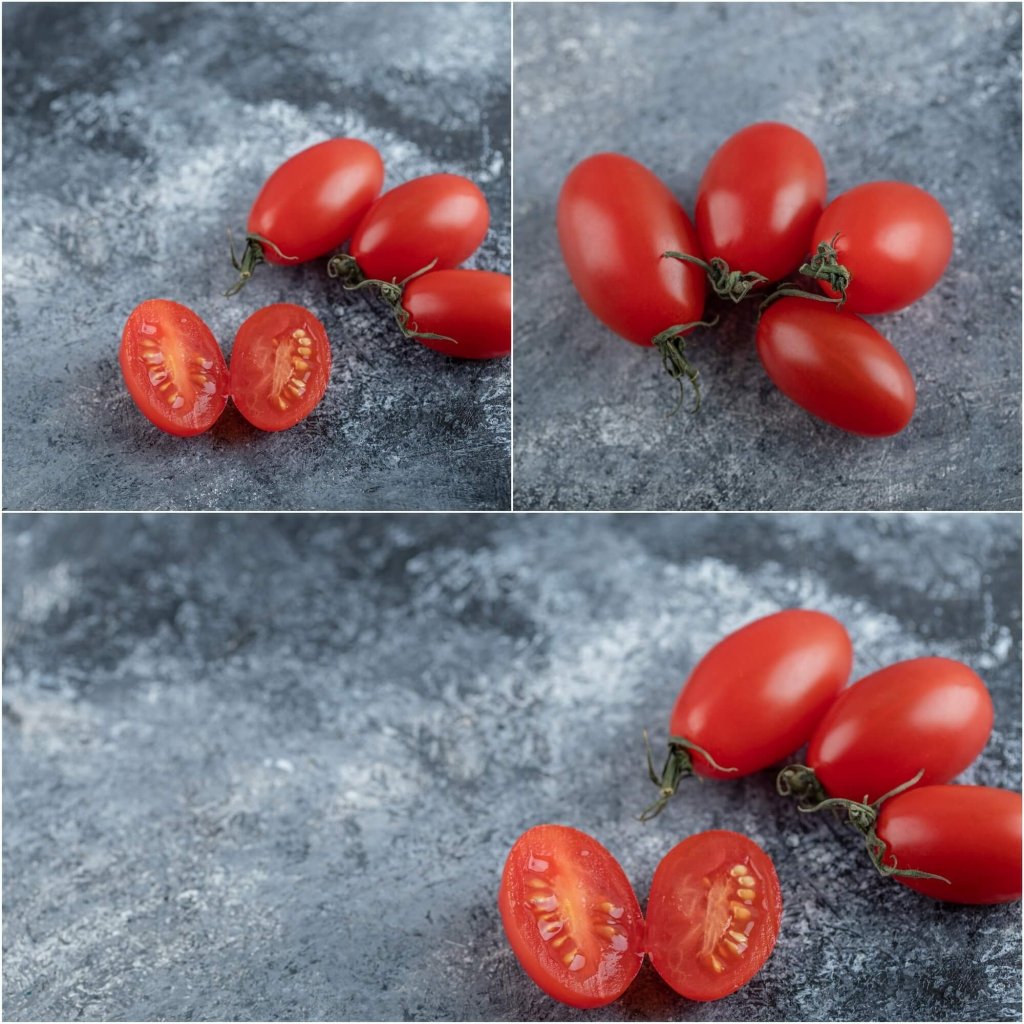
Tomato Amish Paste seeds
Solanum lycopersicum
Packet: 20 seeds, 1g
Amish Paste is a traditional heirloom tomato, originally cultivated by Amish communities in the United States. It yields large, plum-shaped fruits with thick, meaty flesh and very few seeds. Each tomato weighs approximately 150–200 grams. The flavour is well-balanced, rich, and mildly sweet, making it excellent both fresh and cooked.
In some regions, this tomato is called Amish Roma, and it is part of the wider group known as plum tomatoes. Similar varieties are used in Italy for sauces and passata, and in Mexico for fresh salsa.
Growth Habit
Amish Paste is an indeterminate variety, which means the vines will keep growing and producing fruit throughout the season. The plants benefit from strong support such as stakes, cages, or trellises.
How to Grow
-
Starting seeds indoors: In cooler climates, start seeds indoors 6–8 weeks before the last frost. Use seed trays or small pots with a quality seed-raising mix. Keep soil warm, around 18–22 °C, to ensure germination. Transplant seedlings outdoors once the soil has warmed and the risk of frost has passed.
-
Sowing depth: 5–10 mm deep.
-
Plant spacing: 50 cm between plants.
-
Row spacing: 90–100 cm between rows.
-
Soil type: Well-drained, fertile soil enriched with compost or aged manure. pH between 6.0 and 7.0 is ideal.
-
Watering: Water deeply and consistently. Avoid overhead watering to reduce fungal problems. Mulch around plants to conserve moisture and keep soil temperature even.
-
Fertiliser: Apply a balanced fertiliser at planting. Once flowering begins, feed with fertiliser high in potassium and phosphorus to support fruit set and flavour.
-
Protection: Shelter young plants from harsh winds and extreme heat. In cooler zones, use cloches or row covers to protect seedlings.
Companion Planting
-
Good companions: basil, marigold, parsley, carrot, onion. These help deter pests and improve growth.
-
Avoid planting near potatoes or fennel, which can increase disease pressure or stunt growth.
Harvest
-
Harvest in 80–90 days from transplanting.
-
Pick fruits when fully red and slightly soft.
-
Regular picking encourages the plant to keep producing.
Common Problems and Organic Solutions
-
Early blight and leaf spot: Reduce risk by rotating crops and avoiding overhead watering. Apply a copper-based organic spray if needed.
-
Powdery mildew: Improve airflow by pruning lower leaves and spacing plants well.
-
Aphids and whitefly: Wash off with a strong spray of water, or introduce beneficial insects like ladybirds. Neem oil can also help manage infestations.
-
Fruit splitting: Keep watering evenly, especially during hot weather, to prevent sudden changes in soil moisture.
Uses in the Kitchen
-
Perfect for sauces, passata, and tomato paste
-
Ideal for canning and preserving
-
Adds body and flavour to soups and stews
-
Freshly sliced for salads, sandwiches, and bruschetta