SAGE WHITE - 15 Seeds
(Salvia apiana)
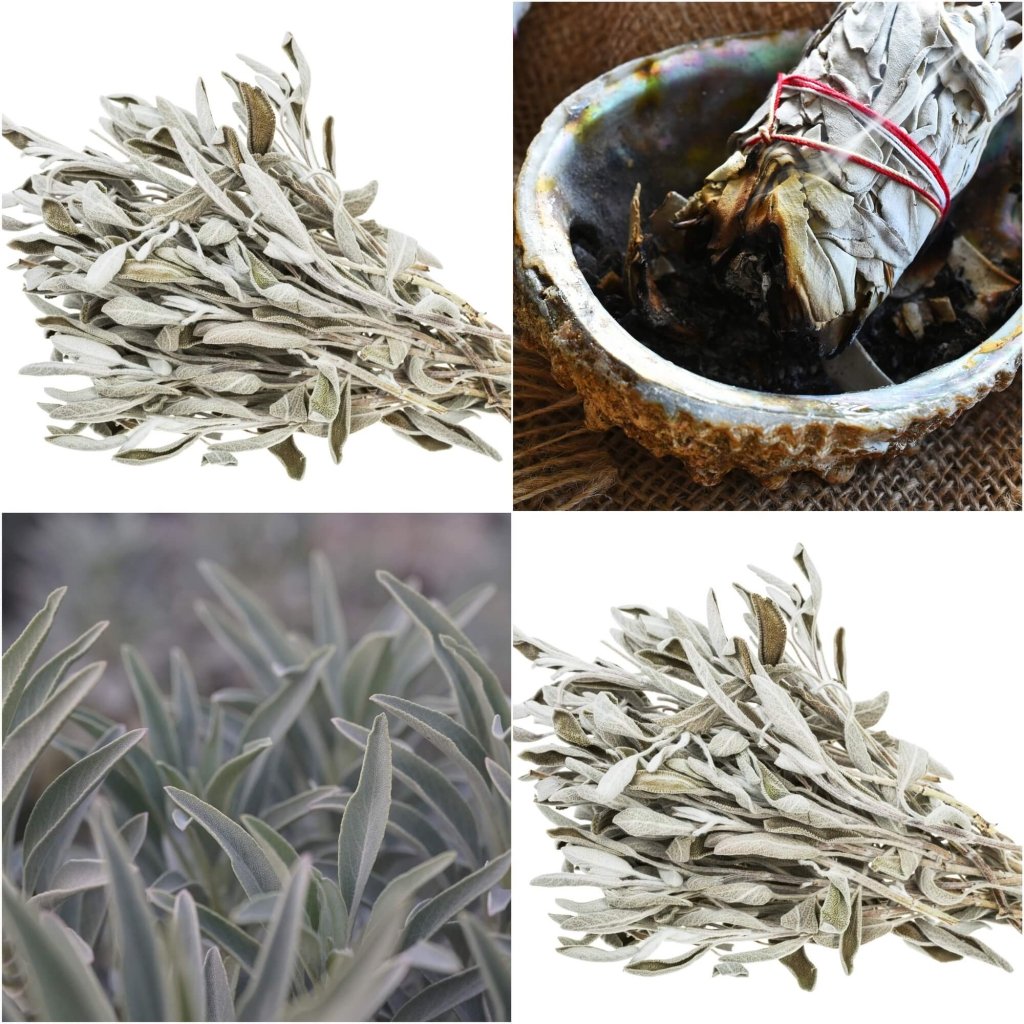
White sage is a large, shrubby perennial, sometimes called ‘bee sage’’ or ‘sacred sage.’ It may grow from 1 to 2 metres in ideal conditions and is one of the larger salvias. The slightly purple flower stalks extend up almost the same height again and bear small white to lavender flowers. The long, grey or silvery-white leaves are highly aromatic when crushed and lend white sage its name. The bottom of the stem is quite woody, with a fleshy top, and leaves grow in florets at the top.
The plant is also called ‘apiana’ because of the great bee attractant qualities.
Native American uses for white sage included using leaves as a source of flavouring in meal preparation. They also ground up the seeds and mixed them with flour to create porridge and biscuits.
White sage is rich in cineole, the same aromatic compound found in rosemary and eucalyptus, which gives the crushed leaves their distinctive scent.
White sage holds a long and important place in Native American tradition, where the leaves were gathered, dried and used in ceremony.
White sage, as ‘smudge sticks,’ is used ritually.
The grey foliage is also very useful in decorative wreaths and potpourri.
==
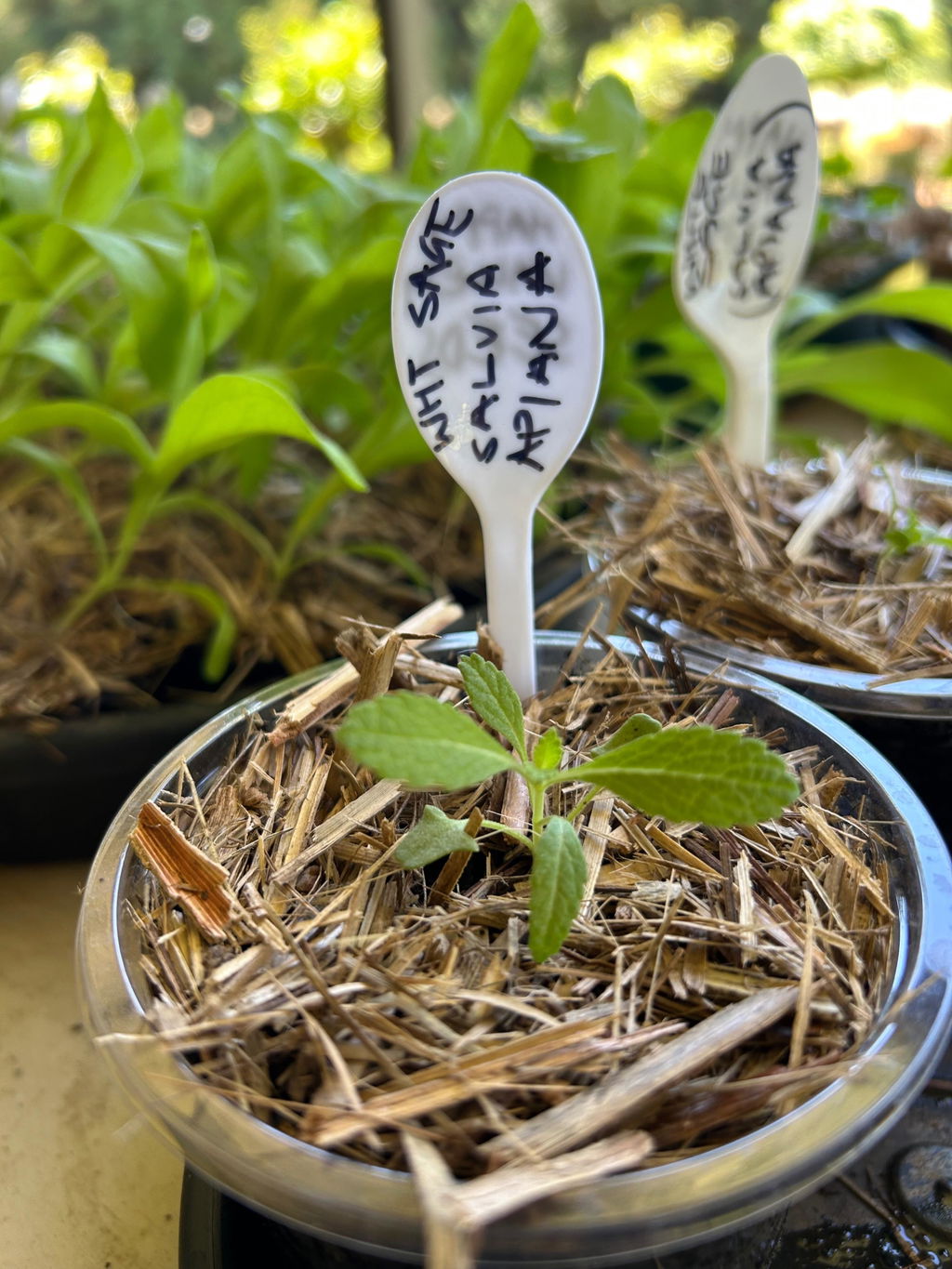
Sage White has a naturally low germination rate. Also, it requires a little different type of soil - mostly sandy soil, the one for cactus. Most fertile soil with a lot of compost is not ideal for sage white since it holds water. Sage white planting medium must drain water freely. Scarify seeds on fine-grit sandpaper, sow seeds in very sandy soil, barely cover, tamp well, keep warm and in strong light, and water only once daily until germination. A smoke treatment of seeds may assist in germinating sage white seeds.
==
Propagation notes will be supplied with a seed packet.
All information provided on this listing is for general information only.
Sold as seed for home garden growing only. We do not sell this as a food, a tea, a herbal preparation or a medicine, we give no preparation or dosage instructions, and we make no health claim of any kind. Any historical information is offered as garden history only. Seek advice from a qualified health practitioner before using any plant.