
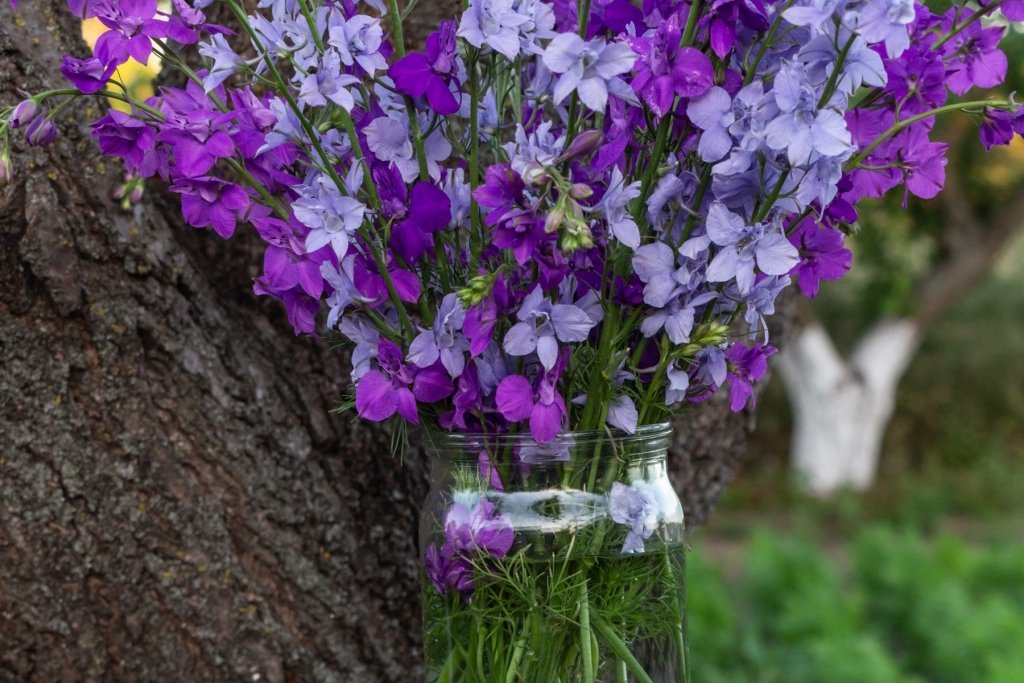
The short version: One of the cheapest ways to fill the house with flowers is to grow your own from seed. Eight easy, generous flowers from seed, such as cosmos, zinnia, sweet pea and cornflower, give armfuls of stems from packets that cost only a few dollars. Sow the warm-season types once frost has passed, sow the cool-season ones in autumn in milder areas, and pick often to keep the flowers coming. Your first bunch may lean slightly sideways in the jar, but that is part of the charm. The second bunch will already look better.
Some of the colour in Australian vases has done a lot of travelling to get there. Fresh cut flowers and foliage are regularly imported into Australia from countries including Kenya, Malaysia, Ecuador, Vietnam and China, so a bunch on the bench can have more air miles than the person admiring it.
You can do better than an imported bunch for the price of a takeaway coffee. A packet of seed, a sunny corner and a few months will grow you your own, and you will know where every stem came from. Better still, you get the small daily pleasure of walking outside with scissors and coming back with something beautiful. That never gets old.

Why a cut-flower patch from seed is the budget option
A patch grown from seed is cheap because these flowers are generous by nature. Most race to flower and set seed in a single season, so they bloom hard and fast, and a packet holds far more seed than a garden needs.
Many of the best cutting flowers are also cut-and-come-again: the more you pick, the more they branch and bloom. A few dollars of seed in a sunny bed can keep a jar on the kitchen bench filled for months. Our flower seeds collection is a good place to start.
You do not need a grand cutting garden. A strip along the fence, a spare corner near the vegie patch, or a few large pots in full sun can do the job. The trick is not perfection. The trick is regular picking.

Eight easy cut flowers to grow from seed
These eight are forgiving, productive and made for the vase. Think of them as the reliable friends of the flower patch. They show up, they look good, and most of them keep giving when you keep picking.
- Cosmos (Cosmos bipinnatus). Tall, airy and tireless, and often better in lean soil than rich. It branches more the more you cut. Cosmos is the one that makes even a beginner's patch look relaxed and romantic.
- Zinnia (Zinnia elegans). The classic beginner cut flower: bold, bright, fast and genuinely cut-and-come-again. If you like proper colour, not polite colour, zinnias earn their space.
- Sunflower (Helianthus annuus). Quick, cheerful and loved by children. Choose a branching type for many stems; a single-stem sunflower gives one good bloom. Both are worth growing, but they play different roles.
- Sweet pea (Lathyrus odoratus). A fragrant cool-season climber, and the more you pick the more it flowers. The seeds and pods are not food, so see the safety note below. Plant it near a path if you can. Sweet pea scent should not be wasted at the back fence.
- Cornflower (Centaurea cyanus). A hardy annual in true blue, easy from seed and long-lasting in the vase. Cut it often for more stems, and note it can self-sow freely. That is lovely where you want it, less lovely where you do not.
- Calendula (Calendula officinalis). A cheerful orange-yellow daisy that shrugs off cool weather, flowers for months the more you pick, and self-sows happily. It is also one of those flowers that makes a grey day look less committed to being grey.
- Snapdragon (Antirrhinum majus). Tall spires that give a bunch height and structure, with a good vase life; cutting the spikes encourages more. They are the backbone of the bunch, especially when everything else is doing its floaty cottage-garden thing.
- Strawflower (Xerochrysum bracteatum). An Australian native with papery, jewel-bright blooms that dry beautifully, carrying your patch well past the season. Fresh in a vase, dried on a wall, or tucked into a bunch months later, it is excellent value.

The secret to value is in the picking
The real saving comes from how you pick, not how much you grow. Cutting often tricks a plant into making more buds, so a small bed harvested regularly can give more usable stems than a larger one left to set seed.
This is the part new gardeners often miss. Do not admire the first flowers for too long. Pick them. The plant is not offended. In fact, with many annuals, it takes the hint and gets back to work.
Cut in the cool of the morning, when stems are full of water, and stand them in a clean bucket. Strip any leaves below the water line, since leaves left to rot cloud the water, and refresh it every couple of days. None of it is fussy, and it noticeably extends vase life.
A clean jar matters too. Flowers are romantic, but vase slime is not.

When to sow, by climate zone
Timing comes down to where you live and whether a flower likes heat or cold. Warm-season flowers cannot stand frost, while cool-season flowers are hardier and go in as the weather cools.
As a simple rule, grow zinnia, cosmos, sunflower and strawflower when the weather is warming. Grow sweet pea, cornflower, calendula and snapdragon when the weather is cooler. Your local frost pattern matters more than the date on the calendar.
- Tropical (Darwin, Cairns, Townsville). Favour the dry season and lean on heat-lovers like zinnia and sunflower. Sweet pea and cornflower need cooler conditions and struggle here. Choose heat-tolerant flowers and do not fight the climate too hard. The climate usually wins.
- Subtropical (Brisbane, Sunshine Coast, Coffs Harbour). Mild winters give a long run: warm-season flowers spring to autumn, cool-season ones through winter. This is a good zone for staggered sowing, because there is often something ready to go in.
- Arid and semi-arid (Alice Springs, Mildura, Kalgoorlie). Sow warm-season flowers in spring once frost has passed, with steady water early on. Shade cloth during establishment can help seedlings survive the harshest starts.
- Temperate (Sydney, Melbourne, Canberra). Wait for the last frost for warm-season flowers, and sow cool-season ones in autumn. Frost timing varies suburb to suburb. A neighbour with a good garden is often more useful than a generic calendar.
- Mediterranean (Perth and southern WA, and Adelaide). Mild wet winters suit autumn-sown sweet pea and cornflower, while warm-season flowers go in through spring. Use the winter moisture while you have it.
- Cool and alpine (Tasmanian highlands, Ballarat, Orange, southern tablelands). The season is short and frost regular, so start warm-season flowers under cover and plant out after the last frost. Cool-season flowers like sweet pea go in from late winter to early spring. Do not rush zinnias outside. They sulk in cold soil, and sulking is not a growth strategy.

Stretching the budget even further
A patch like this keeps paying you back. Cosmos, calendula and cornflower drop seed that comes up on its own next season, so one packet can quietly become a yearly supply. Where you would rather choose what grows, or near bushland and creek lines, snip the spent flowers before they scatter.
That is the bargain and the warning in one sentence. Self-sowing is delightful until it chooses the path, the lawn edge, and the one gap you planned to use for something else.
Strawflowers go one better. Cut them just before the centres open and hang them upside down somewhere airy, and the papery blooms dry into everlasting bunches that last months indoors.
This is where the budget patch starts to feel slightly clever. You get fresh flowers now and dried flowers later, from the same sowing.

One flower to enjoy, but not to eat
Sweet pea is the one to know about. It is grown purely for its scent and colour, and its seeds and pods are not food. The Queensland Poisons Information Centre notes that accidental ingestion does not result in poisoning, but eating large quantities of the seed over weeks or months can result in a paralytic syndrome, so keep seed and pods away from children.
Enjoy sweet peas in the vase, and keep correctly identified edible flowers like calendula petals for the kitchen, eating only what you have grown yourself and not sprayed with anything unsuitable. A simple rule helps: if you are growing it for the vase, treat it as a vase flower unless you are completely sure it is edible. Pretty does not automatically mean dinner.

A budget cut-flower patch asks very little: a packet or two of seed, a sunny corner and the right month for your zone. If you are new to growing from seed, our beginner's guide to annual flowers from seed is a gentle place to start. Few corners of the garden give back so much for so little, and a jug of homegrown flowers on the table is a small, steady pleasure all season.
And that is the real point. You are not just saving money on flowers. You are growing the habit of noticing them: the first bud, the first stem long enough to cut, the first slightly chaotic bunch on the kitchen table. That is a very good return from one small packet of seed.
Frequently asked questions
What are the easiest cut flowers to grow from seed?
Cosmos, zinnia, calendula and sunflower are among the easiest. They germinate readily, cope with ordinary soil and full sun, and most flower within a few months. For fragrance, add sweet peas in the cooler months. For dried flowers, add strawflowers.
How do I make cut flowers last longer in the vase?
Cut them in the cool of the morning and stand them straight in clean water. Remove any leaves below the water line, keep the vase out of direct sun, and change the water every couple of days. A clean vase is half the battle.
Which cut flowers keep producing after you pick them?
Cosmos, zinnia, sweet pea, cornflower, calendula and snapdragon are cut-and-come-again, so regular picking encourages more flowers. Branching sunflowers give several stems, while single-stem types produce just one bloom.
When should I sow cut flowers in Australia?
It depends on the flower and your zone. Sow warm-season flowers like cosmos and zinnia once frost has passed and the soil warms; sow cool-season flowers like sweet pea and cornflower in autumn in milder areas. In cold districts, start warm-season flowers under cover rather than gambling with late frost.
Are sweet peas poisonous?
Sweet pea is ornamental, and its seeds and pods are not food. Accidental ingestion is unlikely to cause poisoning, but eating quantities of seed over time has been linked to a serious paralytic condition, so keep seed away from children.
Which cut flowers can I dry?
Strawflowers are the standout, drying into everlasting bunches that last for months. Many seed heads and other everlastings also keep their shape for arrangements. Pick strawflowers before they are fully open for the neatest dried blooms.
Related growing guides
- How to Grow Zinnias from Seed (and Keep Them Blooming All Summer)
- Sunflowers from Seed: A Complete Australian Growing Guide
- Dahlias from Seed or Tubers: An Australian Beginner's Guide
Ready to plant? Browse our Flower Seeds.