
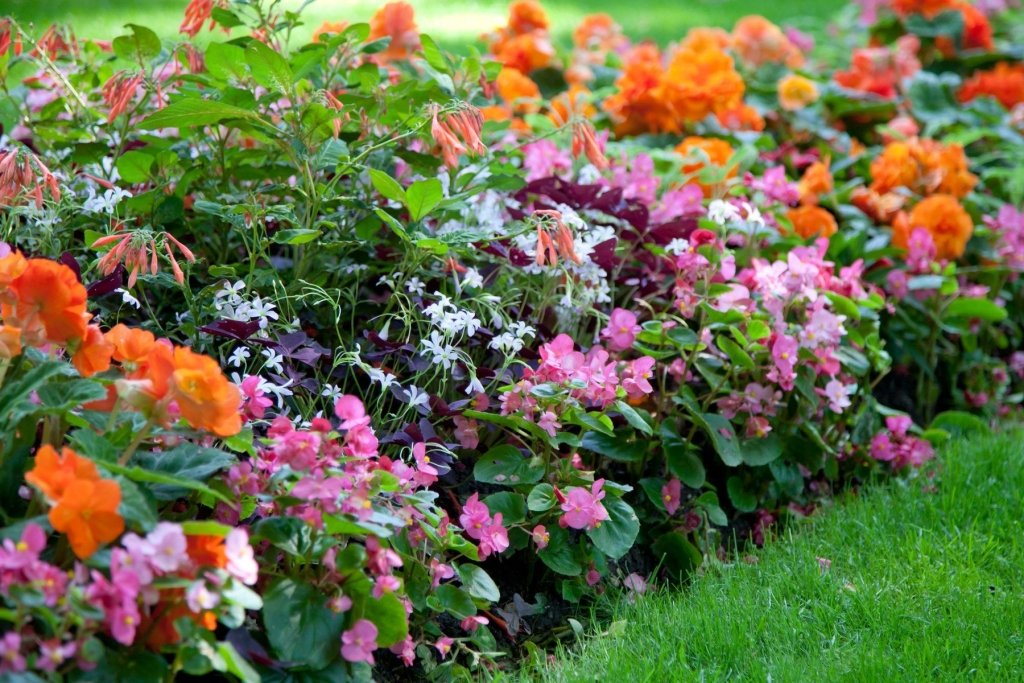
The short version: Annual flowers are among the easiest, fastest ways to start a garden from seed, because they grow, flower and set seed in one season. Begin with forgiving favourites like cosmos, calendula, marigold and nasturtium. Sow warm-season annuals once frost has passed and the soil has warmed, and sow cool-season annuals in autumn in mild areas. Match the timing to your climate zone and you can have colour in a few months.
There is a particular pleasure in your first packet of flower seed: such small, dry, unpromising things, and yet weeks later there are seedlings, and soon after, flowers nodding over the edge of the bed.
If you have never grown a flower from seed, annuals are the place to start: quick, cheerful and remarkably hard to get badly wrong.

What is an annual flower, exactly
An annual flower completes its whole life in a single growing season: it sprouts, grows, flowers, sets its own seed and dies, usually within a year. The original plant does not live on from a crown or root, so you sow fresh seed each time, though dropped seed may come up on its own later.
This is unlike a perennial, like many daisies and salvias, which lives on for years, or a biennial, like parsley or foxglove, which takes two seasons. For a beginner, that short, all-in-one life is what makes an annual easy to learn from.

Why annuals are the most forgiving way to start
Annuals reward beginners because they are in a hurry. The whole point of the plant is to flower and set seed before the season ends, so it gets on with the job. Seed germinates quickly when conditions suit, seedlings grow fast, and many types bloom within a few months, so you learn the whole cycle in one season rather than waiting years.
They are also cheap to try: a single packet holds far more seed than most gardens need, so you can make mistakes and still have plenty of flowers. To browse a range, our flower seeds collection is a good first stop.
Easy annual flowers for Australian beginners
The most forgiving annuals tolerate ordinary soil, full sun and a little neglect. Here is a small, reliable set to start with.
- Cosmos. Tall, airy and hard to discourage, and often better in lean soil.
- Calendula. A cheerful yellow-orange daisy that handles cool weather and self-sows.
- Zinnia. Bright, bold and fast, one of the best beginner flowers for cutting.
- Sunflower. Big, easy seed that comes up fast, and a favourite with children.
- Marigold. Compact, dependable and long-flowering, with a spicy-scented leaf.
- Nasturtium. A sprawler that thrives in poor soil, with edible, peppery leaves and flowers.
- Sweet alyssum. A low carpet of tiny, honey-scented flowers that feeds beneficial insects.
- Sweet pea. A fragrant climber loved for cut flowers. The seeds are not food, so do not confuse them with edible pea seed (see below).

Warm-season and cool-season annuals
The most useful idea for timing annuals is the split between warm-season and cool-season types, and getting it right settles most of your sowing decisions.
Warm-season annuals love heat and cannot stand frost. Cosmos, zinnia, marigold and sunflower belong here, sown once the soil has warmed, for flowers through the warmer months.

Cool-season annuals are hardier and handle cold, even light frost. Sweet pea, calendula and sweet alyssum sit here, sown in autumn in milder areas to flower in early spring. The shorthand is simple: frost-tender flowers wait for warmth, while hardy flowers can take the cold.

When to sow, by climate zone
Australia covers a wide span of climates, so timing shifts with where you live. Use these six zones as a guide, and watch your own garden, since a warm spring or late frost moves the dates.
- Tropical (Darwin, Cairns, Townsville). Warmth is constant, so the dry season suits most flowers; wet-season humidity can bring fungal trouble.
- Subtropical (Brisbane, Sunshine Coast, Coffs Harbour). Mild winters give a long season: warm-season annuals spring to autumn, cool-season flowers through winter.
- Arid and semi-arid (Alice Springs, Mildura, Kalgoorlie). Sow warm-season flowers in spring once frost has passed, with steady water early on.
- Temperate (Sydney, Melbourne, Canberra). Wait for the last frost for warm-season annuals, and sow cool-season annuals in autumn. Frost timing varies by suburb.
- Mediterranean (Perth and southern WA, and Adelaide). Mild wet winters suit autumn sowing of cool-season annuals, while warm-season types go in through spring with the occasional deep soak.
- Cool and alpine (Tasmanian highlands, Ballarat, Orange, southern tablelands). The season is short and frost regular, so start warm-season flowers under cover and plant out after the last frost.

A gentle word on spreading and safety
A few easy annuals reseed themselves freely. Cosmos, calendula, nasturtium and sweet alyssum can all return next season, which is mostly a gift. Nasturtium in particular is recorded as an environmental weed in several states, so near bushland, creeklines or drains, snip the spent flowers before seed drops and pull stray seedlings early.
Most also flower for longer if you keep picking. A weekly wander with the secateurs, snipping a few stems for a jar by the sink, can keep branching annuals like cosmos, zinnia, calendula and marigold going, though a single-stem sunflower is more of a one-good-flower moment.
One safety note is worth knowing. Sweet pea is purely ornamental, and its seeds are not food. The Queensland Poisons Information Centre notes that accidental tasting does not cause poisoning, but eating large quantities of seed over weeks or months can lead to a paralytic syndrome, so keep seed and pods away from children. Enjoy sweet peas for their scent, and keep edible flowers like nasturtium and sweet alyssum for the salad bowl, eating only ones you have identified and grown without unsuitable sprays.
A forgiving place to begin
The lovely thing about annuals is how little they ask and how much they give back: a packet of seed, a sunny corner and the right month, and you are most of the way there. Our guide to planting a pollinator garden is a natural next step once the bees find them.

If you have been meaning to start, choose a packet that suits your season and mark out a small sunny patch this weekend. Few things in the garden pay you back as quickly, or as cheerfully, as a first handful of flowers.
Frequently asked questions
What is the easiest annual flower to grow from seed?
Cosmos, marigold, sunflower and nasturtium are among the easiest. They germinate readily, cope with ordinary soil and full sun, and many flower within a few months.
What is the difference between an annual and a perennial?
An annual completes its whole life in one season, flowering, setting seed and dying within a year. A perennial lives on for several years, so annuals give faster colour from seed.
When should I sow annual flower seeds in Australia?
It depends on the type. Sow warm-season annuals like zinnia and cosmos once frost has passed and soil has warmed. Sow cool-season annuals like sweet pea and calendula in autumn in milder zones.
Can I just scatter flower seeds on the ground?
Many easy annuals, including cosmos, calendula and sweet alyssum, grow well from seed scattered on prepared soil and lightly covered. A raked, weed-free patch and steady moisture help most.
Do annual flowers come back every year?
True annuals die after one season, so they do not regrow from the same plant. Some self-seeders, like cosmos, calendula and nasturtium, drop seed that comes up on its own the next year. For a reliable repeat, sow a fresh packet each season.
Related growing guides
- How to Grow Zinnias from Seed (and Keep Them Blooming All Summer)
- Eight Easy Cut Flowers to Grow From Seed in Australia
- Cosmos from Seed: Sun, Lean Soil and a Garden That Reseeds Itself
Ready to plant? Browse our Flower Seeds.