
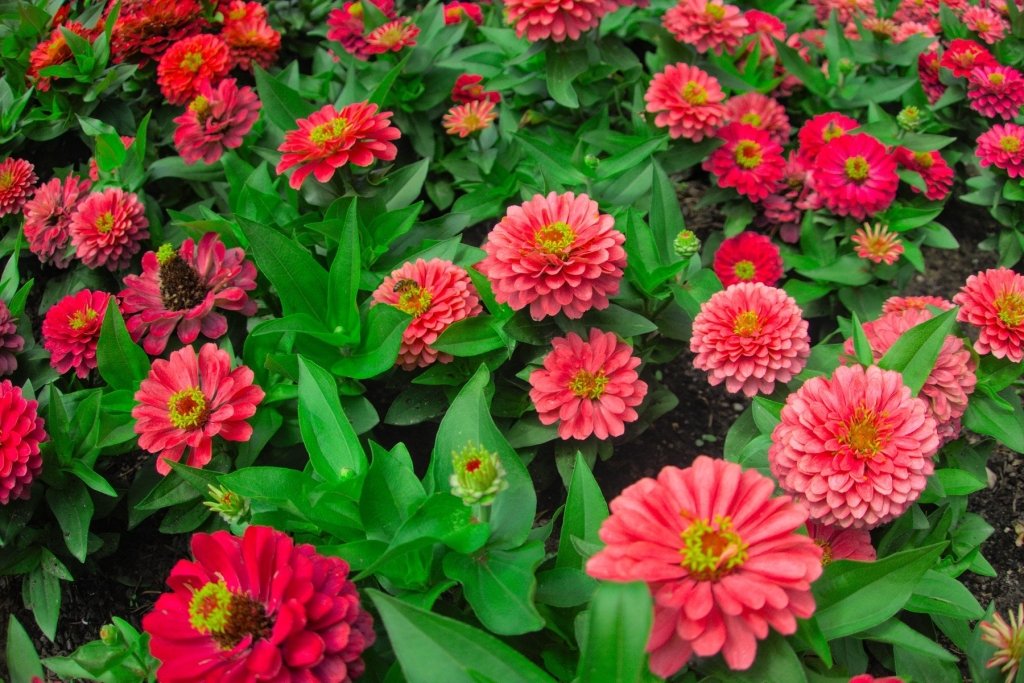
The short version: Zinnias are easy to grow from seed, and one of the most common reasons they slow down by late summer is simple: nobody is picking them. They are a cut-and-come-again flower, so regular cutting and deadheading usually push out more blooms. Sow into warm soil after the last frost, give them full sun, pinch the young plants once to make them bushy, then cut or deadhead often, and a healthy plant can carry colour into autumn.
Most zinnias do not fail because they were grown badly. They fade out because they were left alone. A row that started the season as a riot of colour can look tired and twiggy by February, half of it gone to lumpy brown seed heads, the plant having simply done what it set out to do: make seed and stop. The good news is that this is about the easiest gardening problem there is to fix.

Why zinnias stop flowering in late summer
Zinnias usually slow down because they have been allowed to set seed, and a flower that has set seed sees little reason to make more. It is the first thing to check before blaming soil or water, though cold nights, shade and dry pots can shorten the show.
Zinnias are warm-season annuals in the daisy family (Asteraceae), with roots in Mexico and Central America. Like most annuals, their whole job is one season of flowering followed by seed. Every spent bloom you leave on says the work is done; every bloom you cut says start again.
A plant that looks finished has usually just been too polite to interrupt. Pick from it, and it comes back.
The fix: cut and come again
The fix is to treat zinnias as a cut-and-come-again flower: cut blooms and snip off spent ones often, rather than waiting for the plant to finish. Each cut sends it back to work, pushing fresh side shoots and new buds instead of seed. Take a long stem back to a leafy joint rather than leaving a bare stick, since the plant branches from that point, and deadhead the rest the moment the colour starts to dull.
This is why a zinnia bed and an armful of flowers for the house tend to come as a pair. Cutting is not taking from the plant; it is the very thing that keeps it going, which makes it the rare chore you can do with a clear conscience.

Pinch young plants for more stems
Pinch each young plant once, while it is still small, and you can coax it to branch into many more stems. It feels wrong to cut back a plant you want more of, but it works.
Before the first flower buds form, snip out the very top growing tip. The plant answers by sending up several stems from lower down instead of one tall central stalk, which means more flowers on shorter, sturdier plants that are less likely to flop in a summer storm. It is a small job that the plant can repay all season, so if you do one thing on this list early, make it this one.
Sun, airflow and water at the base
Give zinnias full sun, room to breathe, and water aimed at the soil rather than the leaves. Between them, these three things head off the other common zinnia setback, powdery mildew. Zinnias want at least six hours of direct sun a day and are not fussy about soil as long as it drains, though seedlings and pots need steadier moisture.
The leaves are the weak point. In warm weather zinnias are prone to powdery mildew (a Golovinomyces species), a dusty white film on the foliage. Keep it at bay by not crowding the plants and by watering at the base early in the day, so the leaves are not left damp overnight. It is more likely in the humid subtropics and tropics during muggy spells, so airflow earns its keep there.

When to sow zinnias, zone by zone
Sow zinnias once the frosts have finished and the soil has warmed, because they are frost-tender and will sulk or collapse in the cold. The window depends on where you garden.
- Tropical (Darwin, Cairns, Townsville): plant into the warm, drier months, since wet-season humidity brings on mildew.
- Subtropical (Brisbane, Sunshine Coast, Coffs Harbour): a long season from spring through summer, with good airflow to manage the humidity.
- Arid and semi-arid (Alice Springs, Mildura, Broken Hill): spring once frost has passed, through summer, with steady water until the plants take hold.
- Temperate (Sydney, Melbourne, Canberra): once spring is reliably warm and frost has passed, with cooler inland gardens like Canberra waiting a little longer.
- Mediterranean (Perth and southern WA, and Adelaide): spring through summer, where warm dry summers suit zinnias well with the occasional deep soak.
- Cool and alpine (Tasmanian highlands, Ballarat, Orange, Stanthorpe, which stays cool despite being in Queensland): the season is short, so start seed under cover and plant out only after the last frost. Quicker, lower-growing types are the safer bet.
You can sow direct where they are to flower, or start them in punnets, moving them on while still small so the roots settle without a check. Our guide to starting seeds indoors helps if you garden somewhere with a short, late spring.

Tall, dwarf, and zinnias in pots
There is a zinnia for almost any spot, from knee-high border plants to tall types that reach a metre or more, so it pays to match the height to the place. Tall zinnias suit the back of a sunny bed and make the best cut flowers, with long, strong stems for the vase. Dwarf and compact types stay bushy and low, ideal for the front of a border or a pot on a hot courtyard, where the same rule applies: free-draining mix, full sun, and keep picking. Whatever tempts you, you can browse our flower seeds to compare types.


A flower that earns its bees
Zinnias are among the best annuals for drawing in pollinators, especially butterflies, alongside bees and hoverflies. The broad, open, daisy-like flowers give insects an easy landing pad, and a sunny patch can hum all morning.
Planting a mix of flower shapes, sizes and colours is a reliable way to bring in a range of pollinators, as the Sunshine Coast Council botanic garden notes. Single-flowered zinnias, with an open centre that is easy to reach, tend to be more useful to insects than the very double, pompon-style blooms.

For a flower this generous, the trade is fair: a few minutes with the secateurs each week, and zinnias keep the colour coming until the cold finally stops them. Cut a bunch for the table on your way past, and you are doing the plant a favour. If you are building a patch for the insects as much as the colour, it pairs well with our pollinator garden guide.
Frequently asked questions
How do I keep zinnias blooming all summer?
Cut and deadhead them regularly. As a cut-and-come-again flower, removing blooms and spent flowers pushes the plant to make more rather than set seed. Pinch young plants once early on, and a single sowing can flower for months.
Are zinnias easy to grow from seed?
Yes, they are among the easiest flowers to raise from seed. The flat seed is easy to handle, it germinates quickly in warm soil, and the seedlings grow away fast, asking for little beyond sun and regular picking.
When should I sow zinnias in Australia?
Sow once frost has passed and the soil is warm, usually spring into summer in most areas and the dry season in the tropics. In cool and inland gardens, wait a little longer or start seed under cover.
Can zinnias grow in partial shade?
They will grow, but they flower far better in full sun. Too much shade gives leggy plants, fewer blooms and more mildew, so aim for at least six hours of direct sun.
Can you grow zinnias from cuttings?
You can, but seed is far easier and more usual for home gardeners. A soft stem cutting can be rooted in water to keep a colour you like, though it is best treated as an experiment rather than a shortcut.
Related growing guides
- A Beginner's Guide to Growing Annual Flowers from Seed
- Eight Easy Cut Flowers to Grow From Seed in Australia
- Dahlias from Seed or Tubers: An Australian Beginner's Guide
Ready to plant? Browse our Flower Seeds.