
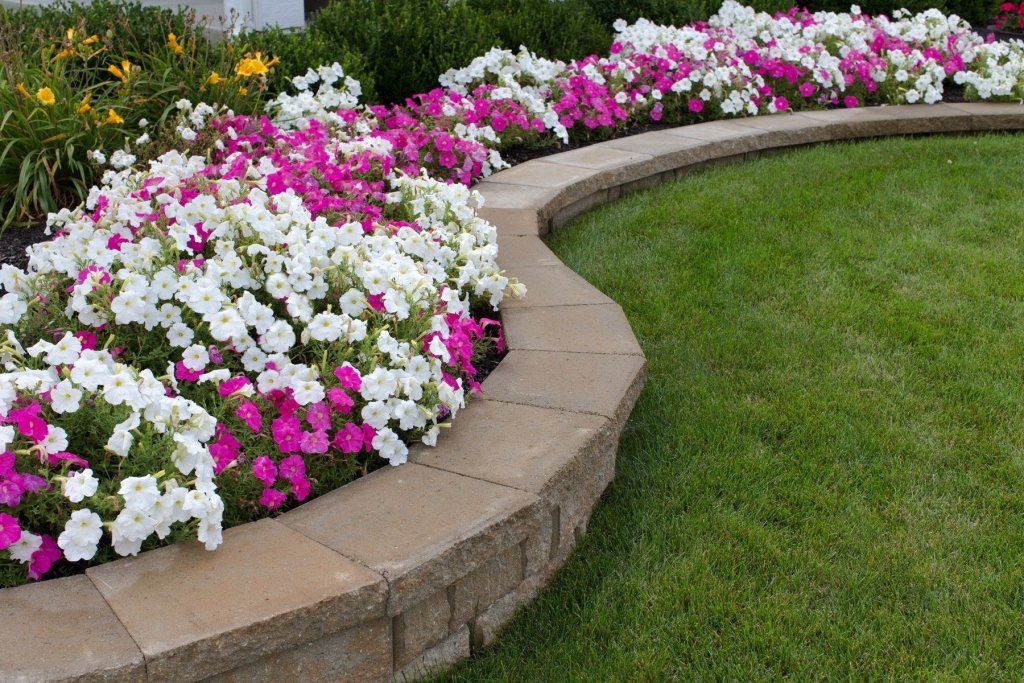
Self-seeding flowers drop their own seed at the end of a season, then sprout again on their own when the weather suits, so a single sowing can return for years. The most reliable performers in many Australian gardens, especially outside the wet tropics, are calendula, cornflower, field or Flanders poppies, nigella, granny's bonnets and native paper daisies. The one rule that matters: keep a few seed heads on the plant, leave the soil a little open underneath, and never let a known weedy self-seeder loose near bushland.
There is a particular kind of garden magic in walking out one morning and finding a flower you never planted this year, sprung up exactly where last summer's plant stood. It is not magic, of course. It is a seed that ripened, fell, waited, and took its chance when the soil warmed.
Gardeners sometimes call these flowers "plant once and forget", which is half true and half wishful thinking. Some are generous self-sowers that ask very little of you, a few are thugs that need watching, and the trick is knowing which is which before you scatter a packet.

What "self-seeding" actually means
A self-seeding flower is one that sets seed, sheds it, and germinates again without you lifting a trowel. Most are annuals or short-lived perennials that complete the cycle quickly, so the colony refreshes itself each year rather than the same plant living on.
That is worth pulling apart, because two different things get called "comes back every year". A true perennial returns from the same crown or roots each season. A self-seeding annual dies off, but leaves a scatter of seedlings to carry on in its place. The flowers in this guide are mostly the second kind. Either way, you get returning colour for the price of one packet, as long as you let nature finish the job.

The reliable self-seeders for Australian gardens
The most trustworthy self-sowers are the old cottage-garden annuals, and most reseed happily across the southern half of the country. A handful are worth knowing by name.
- Calendula is the soft achiever. It flowers through the cooler months and pops up again without fuss.
- Cornflower, sometimes called bachelor's button, throws seed freely and returns in loose blue drifts.
- Poppies (the field or Flanders types, Papaver rhoeas) shake seed from pepper-pot pods and come up thick where the soil is bare.
- Nigella, or love-in-a-mist, makes papery balloon pods that split and sprinkle seed of their own accord.
- Granny's bonnets (Aquilegia spp.) are a short-lived perennial that also seeds around, though seedlings often vary in colour from the parent since aquilegia hybridises readily.
If you want a native that does the same thing, the paper daisies and everlastings are hard to beat. They can self-sow in suitable gardens and are usually a gentler choice than many introduced escapees, and are widely regarded as easy to grow from seed and long lasting. Even so, choose species suited to your region and edit seedlings near bushland just as you would any keen self-sower. They suit most of the country except the wet tropics, and their papery flowers hold colour for weeks.
A small honesty here: self-seeding is not perfectly tidy. You will get plants in the path, the odd one in a pot you meant for something else, and a few where you would rather they were not. Most gardeners decide that is a fair trade for free flowers, and simply pull or transplant the strays.

The flowers to watch, and the bushland rule
The bushland rule is simple: never let a vigorous self-seeder escape into native bush or waterways, and watch the known risk plants such as tall verbena, wood forget-me-not and California poppy. The same trait that makes a flower a generous self-sower can make it a problem outside the garden gate. Garden escapes are a major source of environmental weeds in Australia, and a flower that seeds freely in your bed can seed just as freely into a creek line or a patch of bush.
Verbena bonariensis, the tall purpletop loved by butterflies, is regarded as an environmental weed in Victoria, New South Wales, Queensland, Tasmania and the ACT. Wood forget-me-not (Myosotis sylvatica) is an environmental weed in parts of southern Australia, including Victoria, Western Australia and New South Wales. California poppy (Eschscholzia californica), the bright orange one, is a known garden escape naturalised through parts of southern Australia. All three are best kept well away from bushland and waterways.
None of this means you cannot enjoy these plants, only that a little care is owed. The Weeds Australia guide to garden plants that "jump the fence" is the plain-language place to check before you plant something vigorous near a reserve. If you live beside bushland, a creek or the coast, lean towards the well-behaved species above, deadhead before seed scatters, and keep enthusiastic self-sowers to a contained bed. Even the polite ones earn a quick edit near the boundary, since a self-sower has no sense of where your garden ends.

How to actually get them to reseed
Getting a self-seeder to return is mostly about restraint, not effort. The single most useful thing you can do is leave a few flowers to go fully over and dry on the plant, rather than deadheading every last bloom. Those tired-looking seed heads are next year's display.
This is where most people quietly sabotage themselves. The tidy autumn clean-up, all stems cut hard and every spent head whisked into the green bin, takes next season's flowers out with the rubbish. A patch that looks a little untidy in late autumn is often a patch that is busy setting up its own replacements.
The second thing is to give the seed somewhere to land. A bed under a thick layer of chunky bark is a lovely thing, but seed cannot reach soil through it, so leave a few patches of bare or lightly mulched earth under your self-seeders.
Timing then sorts itself out, which is the quiet beauty of the method. The seed sits until conditions are right and comes up on its own schedule. A light feed once seedlings are up, with something gentle like a seaweed solution, is plenty, since rich feeding tends to give you leaf at the expense of flower. If you want to steer the show, collect a pinch of dry seed into a paper envelope and scatter it where you would prefer the colour next time. You can browse our range of flower seeds to start a patch from scratch, then let it carry itself from there.

Timing by climate zone
When the new seedlings appear depends entirely on where you garden, so read your own conditions rather than a calendar.
In temperate gardens (Sydney, Melbourne, Canberra) most cottage self-seeders germinate as the soil cools in autumn, sit low through winter, then surge into flower in spring. In cool and alpine areas (the southern tablelands, Ballarat, the Tasmanian highlands), frost thins the autumn seedlings, so the main flush comes a little later in spring once the worst cold has passed.
In Mediterranean zones, which always includes Perth and southern WA along with Adelaide, the dry-summer pattern suits these flowers beautifully. Seed germinates with the autumn rains, grows through the mild wet winter, and flowers before summer turns the beds dry. Gardeners in the west have a head start, since the same conditions that grow the famous WA wildflower displays suit a self-sown bed at home.
In the subtropics (Brisbane, the Gold Coast, the northern rivers), calendula and poppies behave as cool-season flowers for autumn through winter colour, then fade as the humidity builds. In the arid and semi-arid zones (Mildura, Alice Springs, Broken Hill), native everlastings come into their own, waiting out the dry and then carpeting the ground after good rain. The wet tropics (Darwin, Cairns, Townsville) are the hardest fit, where wet-season heat and humidity rot many of these annuals, so locals tend to lean on hardier heat-lovers instead.

A garden that mostly runs itself
The real reward of self-seeding flowers is the loosening of the reins. Once a patch settles in, it makes its own decisions: calendula edges towards the warm side of a path, cornflowers colonise a bare corner you never quite planted, and a poppy turns up in the gravel just where you would have put one anyway. The bed drifts a little further each year and softens its own hard edges in a way that deliberate planting rarely manages.

For more colour on a budget, our guide to growing cosmos from seed covers another flower that famously reseeds itself. Between them you can fill a bed for years on the strength of a season or two of sowing.
Frequently asked questions
What flowers self-seed and come back every year in Australia?
The most reliable are calendula, cornflower, poppies, nigella, granny's bonnets and native paper daisies. Most are annuals or short-lived perennials that drop seed and resprout, so the patch refreshes itself each year. They self-sow best across the cooler southern half of the country.
Do cosmos flowers self-seed?
Yes. Cosmos is one of the more generous self-sowers, dropping seed at the end of summer that comes up the following warm season. Leave a few flower heads to dry on the plant rather than deadheading them all, and thin the seedlings if they come up too thick, since crowded plants compete and flower less.
Are self-seeding flowers the same as perennials?
Not quite. A perennial returns from the same roots each year, while a self-seeding annual dies off but leaves seedlings to take its place. Both give returning colour, but the self-sown patch is made of new plants each season rather than the same one regrowing.
Which self-seeding flowers should I avoid near bushland?
Be cautious with purpletop verbena, wood forget-me-not and California poppy, which can spread beyond the garden and are recognised as environmental weeds in parts of Australia. If you garden near bush, a creek or the coast, choose well-behaved species and deadhead before seed scatters.
How do I stop self-seeders taking over the whole garden?
Deadhead most of the flowers before they set seed, leaving only a few heads to ripen where you want next year's plants. Pull or transplant unwanted seedlings while they are small, and keep an eye on anything spreading faster than you would like.
Do I need to feed self-seeding flowers?
Very little. Most cottage self-seeders flower well in ordinary soil, and a light dose of seaweed solution once seedlings are up is plenty. Rich feeding tends to push leafy growth at the expense of flowers, so go gently.
Related growing guides
- Cosmos from Seed: Sun, Lean Soil and a Garden That Reseeds Itself
- Growing Calendula from Seed: A Hardy Winter Flower
- A Beginner's Guide to Growing Annual Flowers from Seed
Ready to plant? Browse our Flower Seeds.