
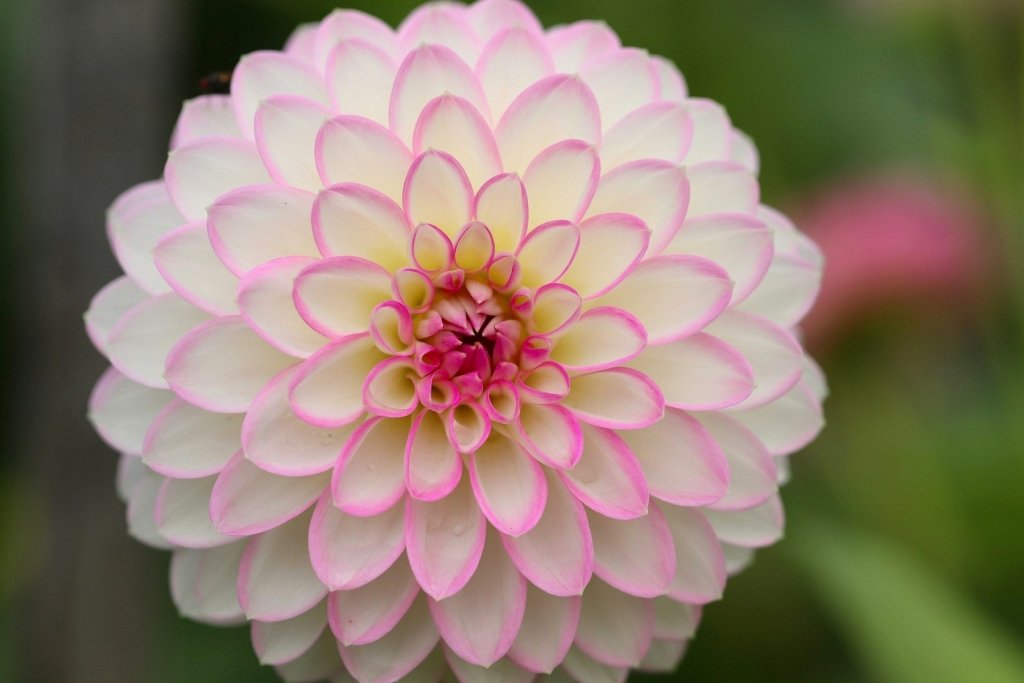
You can start dahlias two ways. Seed is cheap and gives you many plants that mostly flower in their first summer, but the seedlings will not match the parent, so you get a surprise mix. Tubers cost more and come true to a named variety, often establishing strongly and flowering a little sooner. Both are frost-tender, so sow or plant once the soil has warmed, after the last frost in frost-prone areas, and in cold or wet-winter areas lift and store the tubers over winter.
Stand in front of the dahlia display and the question almost asks itself. On one side, a rack of seed packets that rattle when you pick them up; on the other, a box of plump tubers, and both promise dazzling flowers at very different prices. So which is the better way in for a beginner?
The honest answer is that it depends on what you want from the patch, and neither choice is wrong. Here is how to pick the one that suits you.

Seed or tubers: which should a beginner choose
Choose seed if you want lots of plants cheaply and enjoy a surprise; choose tubers if you want a particular flower you have set your heart on. That is the whole decision in a sentence, and the rest is detail.
Seed is the budget route into a big, cheerful display. One packet can raise many plants for the price of a tuber or two, and most bedding-type seedlings flower in their first summer when started early enough in warmth. The catch is that dahlia seed does not come true, so you cannot know the exact colour or form until the buds open.
Tubers are the route to a known result. A tuber is a clone of its parent, so a named variety gives you that same flower, year after year, and the plants often establish strongly and flower a little sooner.
So the trade-off comes down to two things:
- Want many plants for little cost? Start with seed, and accept that the colours and forms will vary.
- Want a particular named flower? Start with tubers, and pay a bit more for each plant.
Why dahlia seed gives you a surprise
Seed-grown dahlias vary because each seed carries a fresh mix of parentage, not a copy of one plant. Pollination shuffles the genetics, so a single seed head can hold the makings of dozens of slightly different plants. Packeted dahlia seed is usually sold as a mix or colour strain, and the flowers can range from single and semi-double forms to fuller doubles. The more open, single-centred blooms are the ones the bees adore, while the tightly packed doubles offer pollinators very little.
For a lot of gardeners that unpredictability is the fun of it. You are growing a bed of one-offs, and now and then a seedling turns up in a colour you could not have bought if you tried. If you would rather know exactly what you are getting, that is the signal to reach for tubers instead.


The part most people miss: seed-grown dahlias make tubers too
A dahlia raised from seed usually grows its own clump of tubers underground by the end of the growing season, in much the same way a bought tuber does. That small fact quietly changes the whole sum.
It means a cheap packet is not a one-season throwaway. The plants you like best can be lifted in autumn, stored, and replanted next spring as your own favourites, named after whoever spotted them first. In other words, you can let seed do the cheap, broad first pass, then keep only the winners as tubers. It is the slow, satisfying way to build a collection without buying one.
What dahlia "bulbs" really are
If a label or a friend calls them bulbs, do not worry, but the correct word is tuber. Dahlias grow from tuberous roots, which are swollen storage roots, not the layered, papery package of a true bulb like a daffodil or an onion.
The difference becomes clear the first time you tip a clump onto the potting bench to divide it. New shoots come from small growth points called eyes, clustered on the crown where the old stem met the roots, rather than from the fat part of the tuber itself. Every piece you cut needs at least one eye, or it will sit in the ground all season and sulk, looking for all the world like it should grow and never quite getting on with it.

When to plant, and how to handle frost
Plant dahlias in spring once the last frost has passed and the soil has warmed, because both seed and tubers are tender and will sulk or rot in cold, wet ground. In the warm north you can start earlier, while the coldest gardens are the ones to hold off the longest. The timing shifts by zone:
- Tropical (Darwin, Cairns, Townsville): grow through the dry season, often from autumn to winter, and avoid the wettest, most humid months.
- Subtropical (Brisbane, Sunshine Coast, Coffs Harbour): from late winter into spring once the nights are warming, with cooler highland pockets waiting a little longer.
- Arid and semi-arid (Alice Springs, Mildura, Kalgoorlie): spring once frost has passed, with steady water while the plants take hold.
- Temperate (Sydney, Melbourne, Canberra, milder coastal Hobart): after the last spring frost, a little later inland in colder spots like Canberra.
- Mediterranean (Perth and southern WA, and Adelaide): spring planting suits the dry-summer pattern, with a deep soak now and then.
- Cool and alpine (Tasmanian highlands, Ballarat, Orange, Stanthorpe): wait for the last frost, and start seed under cover to make the short season count.
Give them full sun in cooler districts, or morning sun with some afternoon shade where summers are fierce, in soil that holds moisture but drains freely. A spot out of strong wind saves a lot of grief later, though the taller varieties will still want a stake. To compare types and colours before you commit, you can browse our dahlia seeds.
The other early job is guarding the soft new growth. Slugs and snails go straight for tender seedlings and can shear off a row overnight, so a nightly patrol after rain and a barrier around young plants both help. If you reach for a bait, an iron-based one such as chelated iron or iron EDTA is a safer choice around children, pets and wildlife than the older metaldehyde kind, as Sustainable Gardening Australia notes, but use any bait strictly as the label directs and keep children, pets and poultry away from it.

Lifting and storing tubers over winter
Lift and store dahlia tubers in cold or wet-winter areas; in mild, free-draining gardens they can often stay in the ground. Heavy frost and soggy clay are what rot tubers over winter, so the wetter and colder your patch, the more lifting pays off.
Where winters are mild and the bed drains well, many gardeners leave clumps in place for several years and only dig them up every few seasons to divide and refresh them. Where it is cold or wet, lift the clumps once the foliage has died back and the stems have browned, shake off the loose soil, and let the surface dry in a sheltered, airy spot before storing them somewhere cool, dark and airy until spring.


A dahlia patch is one of those small garden gambles that pays off either way. Sow a packet for the joy of the unknown, plant a tuber for the flower you already love, and by next autumn you can have a box of your own tubers in the shed, ready to plant again. If you are filling the rest of the bed for the bees as well, our guide to planting a pollinator garden sits nicely alongside a row of dahlias.
Frequently asked questions
Are dahlias grown from seeds or tubers?
Both. Dahlias can be grown from seed or from tubers, and many gardeners use both. Seed is cheaper and gives variable plants, while tubers come true to a named variety. Whichever you start with, the plant forms tubers you can save.
Do dahlias from seed produce tubers?
Yes. A dahlia grown from seed usually develops its own clump of tubers underground by the end of the growing season. You can lift and store those tubers over winter and replant them next spring, just like bought tubers.
Are dahlias easy to grow from seed?
For the most part, yes. Dahlia seed germinates readily in warmth, and many gardeners start it in trays under cover before planting out after frost. The main things to get right are warmth, full sun, free-draining soil, and protecting the soft seedlings from slugs and snails.
Are dahlias bulbs or tubers?
They are tubers, specifically tuberous roots, although they are often sold and described as bulbs. Unlike a true bulb, a dahlia stores energy in swollen roots, and its new shoots come from eyes on the crown rather than from the tuber itself.
Will dahlias grown from seed look like the parent plant?
Usually not. Seed-grown dahlias rarely match the parent because pollination mixes the genetics, so you get a range of colours and forms. That unpredictability is part of the fun for many growers, but if you want an exact flower repeated, grow that variety from a tuber or from a cutting instead.
Do I need to lift dahlia tubers every winter in Australia?
It depends on your climate. In cold or wet-winter areas, lift and store the tubers so they do not rot. In mild, free-draining gardens they can often stay in the ground for several years and be divided every few seasons.
When should I plant dahlias in Australia?
Plant in spring once the last frost has passed and the soil has warmed. Gardeners in tropical and subtropical zones can often start earlier, while those in cool and alpine areas should wait for the frosts to finish and start seed under cover.
Related growing guides
- Eight Easy Cut Flowers to Grow From Seed in Australia
- How to Grow Zinnias from Seed (and Keep Them Blooming All Summer)
- A Beginner's Guide to Growing Annual Flowers from Seed
Ready to plant? Browse our Flower Seeds.