
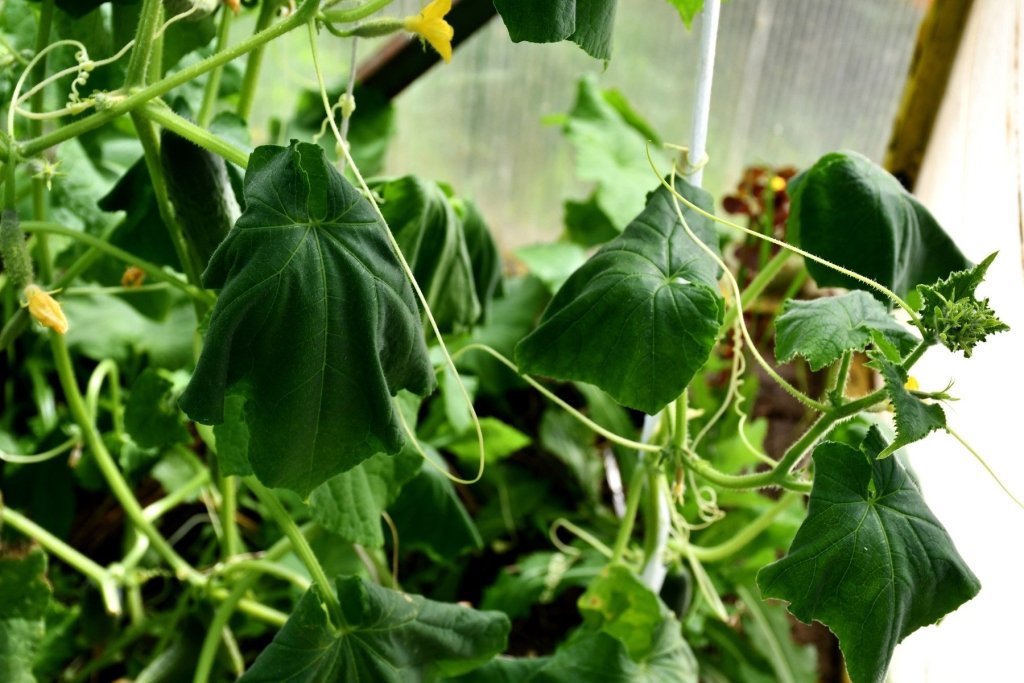
The short version: Lebanese and heirloom cucumbers are not really rivals, just different tools. Lebanese types are compact, thin-skinned, mild and heavy-cropping, and most are modern hybrids bred for reliable fresh eating. Heirlooms are open-pollinated old varieties with far more range in shape, colour and flavour, and you can save their seed true to type. Which one grows better for you comes down mostly to your climate: in humid summers, lean towards types with good disease resistance and give them airflow; in temperate or dry zones, both can do beautifully.
Walk past the cucumbers at any Australian market and the smooth dark-green Lebanese is the one your hand reaches for without thinking. It has become the default cucumber here, and for good reason. But "heirloom" covers a whole world of older cucumbers, from pale apple-shaped fruit to long ribbed ones, and for a home gardener that choice matters far more than it does at the shops.
So which should you grow? The honest answer is that it depends on what you want from the plant and, more than anything, on the weather where you garden.

What "Lebanese" and "heirloom" actually mean
These two words describe different things, which is part of why the comparison trips people up. "Lebanese" is a type of cucumber, the smooth, thin-skinned, mild sort often called Beit Alpha, and many Lebanese cucumbers sold as seed today are modern hybrids bred for heavy, even crops, though open-pollinated strains also exist. "Heirloom" is not a type at all but a category: open-pollinated varieties that have been saved and passed down for generations, generally pre-dating the modern hybrids that arrived from the mid-twentieth century.
So a cucumber can be one, the other, or in some cases both. The useful split for a gardener is hybrid Lebanese on one side, bred for consistency, and the broad, seed-saveable world of heirlooms on the other.

How they compare in the garden and the kitchen
Lebanese cucumbers earn their popularity. The fruit is smooth and thin-skinned, so there is no need to peel, the flavour is mild and the seeds are small. The plants tend to crop heavily and predictably, which is exactly what you want if you simply like a steady supply of salad cucumbers.
Heirlooms trade a little of that predictability for variety and character. You will find apple cucumbers with pale round fruit, long ribbed continental types, lemon cucumbers about the size and colour of a lemon, and plenty in between.
Skins can be thicker, seeds more generous, and flavours range from clean and crisp to almost melon-sweet. Some are better for pickling, others for slicing. The trade-off is that an old open-pollinated variety can be a touch less uniform than a modern hybrid.

Saving seed: where heirlooms win
If you like the idea of saving your own seed, this is the heirloom's home ground. Because heirlooms are open-pollinated, their seed comes true to type, so the cucumber you save this year grows much the same plant next year. A hybrid Lebanese will not do this, and its saved seed is more of a lucky dip.
One thing worth knowing if you do save seed: most cucumber varieties belong to the same species, Cucumis sativus, and will cross with one another, so grow just one variety for seed or keep them well apart. The reassuring part is that cucumbers will not cross with pumpkins, zucchini or melons, despite the common garden myth, because they belong to different species that cannot cross.

Which grows better in your climate
This is where the choice really earns its keep, because cucumbers are warm-season plants and the main thing separating an easy crop from a struggle is your climate's heat and humidity. As a rule, the more humid your summer, the more disease pressure your cucumbers face, and the more it pays to choose a tough, well-spaced plant.
- Tropical (Darwin, Cairns): grow through the dry season rather than the wet, when lower humidity means far less fungal disease; the days stay warm enough for cucumbers even as the nights cool. Airflow and resistant types matter most here.
- Subtropical (Brisbane, Sunshine Coast): a long warm season is generous, but humid spells bring mildew, so space plants well and lean towards disease-tougher varieties.
- Temperate (Sydney, Melbourne, Canberra): a reliable spring-to-summer window suits both Lebanese and heirloom types nicely.
- Mediterranean (Perth, southern WA, Adelaide): hot dry summers are kind to cucumbers as long as the water is steady, and mildew is less of a worry than on the humid east coast.
- Arid and semi-arid (Alice Springs, Mildura): good crops are possible with regular water and a little afternoon shade in the fiercest heat.
- Cool and alpine (Tasmania, the tablelands): a shorter warm season favours quick-maturing types and a warm, sheltered spot to make the most of it.

Common issues to plan around
Whichever you grow, two things are worth heading off early. The first is powdery mildew (Podosphaera xanthii), the white dusty coating that appears on cucumber leaves in warm, humid weather, which you can reduce with good airflow, sensible spacing, and varieties that carry some resistance. The second is bitterness, which is usually the plant telling you it had a rough week of heat or patchy watering rather than a fault in the variety, so steady moisture and picking young go a long way.

A good way to decide is to be honest about your summer and your appetite for fuss. If you want a dependable salad cucumber with no peeling, a Lebanese type is hard to beat. If you are curious, like to save seed, or want flavours and shapes you will never see in a shop, the heirlooms are where the fun is. Plenty of gardeners simply grow one of each: a row of dependable Lebanese for the lunchbox and a few heirloom vines for the surprise of a lemon-yellow cucumber on the bench.
You can browse our cucumber seeds for both, and if you are still planning the patch, our guide to starting your first edible garden in Australia is a good place to begin.
Either way, give them warmth, steady water and something to climb, and a cucumber plant will usually repay you with a generous harvest through summer.

Frequently asked questions
Are Lebanese cucumbers an heirloom variety?
Usually not. "Lebanese" describes a type of thin-skinned, mild cucumber, and many Lebanese cucumbers grown from seed today are modern hybrids bred for heavy, even crops. Open-pollinated Lebanese-style cucumbers do exist, but the seed you buy is often a hybrid.
Which cucumber is easier to grow for a beginner?
A reliable Lebanese hybrid is a forgiving starting point because the crops are even and the fruit needs no peeling. That said, hardy heirlooms such as apple cucumbers are also very easy, so either can suit a beginner.
Can I save seed from my cucumbers?
You can save seed from open-pollinated heirlooms and it will come true to type, as long as you grow only one variety for seed or keep them apart, since cucumber varieties can cross with one another. Seed saved from a hybrid Lebanese will not grow the same plant.
Do cucumbers cross with pumpkins or zucchini?
No. Cucumbers are a different species, so they will not cross with pumpkins, zucchini or melons. This is a common myth. Cucumbers only cross with other cucumber varieties.
Why are my cucumbers bitter?
Bitterness is usually caused by stress, especially heat and uneven watering, rather than the variety. Keeping the plants well watered and mulched, and picking the fruit young, gives the sweetest result.
Which type handles humidity better?
Neither is immune, but humid summers raise the risk of powdery mildew and downy mildew (Pseudoperonospora cubensis) for all cucumbers. In humid zones, choose varieties noted for disease resistance, space plants for airflow, and water at the base rather than over the leaves.
Related growing guides
- Hybrid F1/F2 Seeds for Sustainable Gardening
- Determinate vs Indeterminate Tomatoes: Which Should You Actually Grow?
- San Marzano vs Beefsteak vs Heirloom Mix: Choosing the Right Tomato for You
Ready to plant? Browse our Vegetable Seeds.