
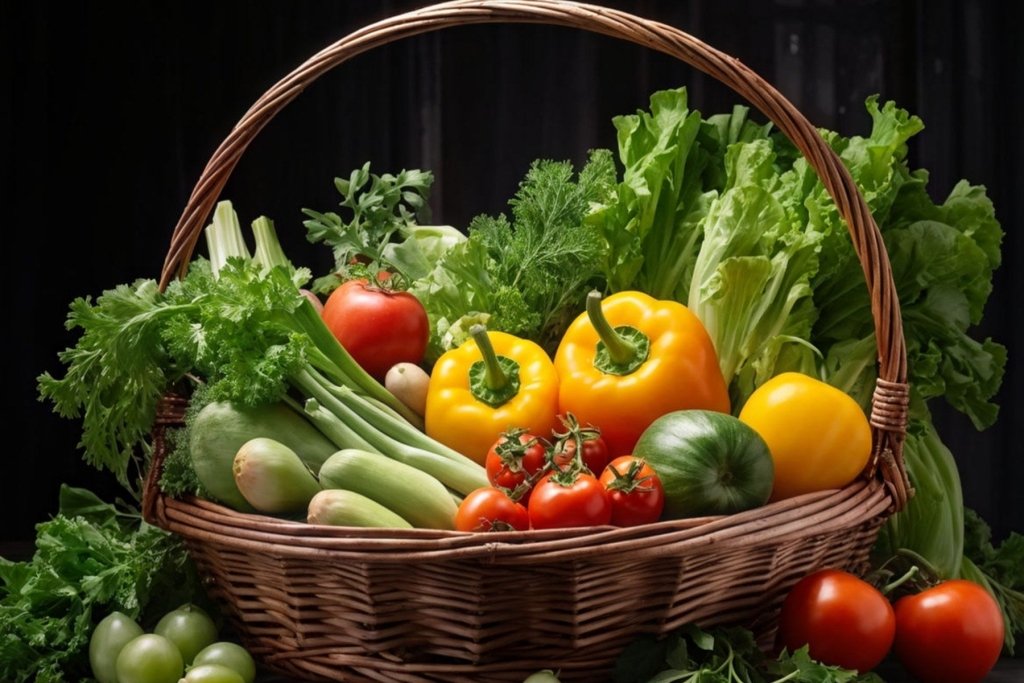
Heritage vegetables are older, open-pollinated varieties that often fell out of mainstream supply because they did not suit long-distance transport or a uniform pack, not necessarily because they grew poorly or tasted worse. Most are no harder than their modern cousins, and because they are open-pollinated they can come true from saved seed, so a single packet can keep feeding your patch for years once you know which crops need a little separation to stay true. The payoff is flavour, colour and a bit of garden history you rarely find in a supermarket trolley.
Pull a purple carrot out of the ground for the first time and you remember that vegetables used to look like this. Carrots were purple, white and yellow long before the familiar orange became the standard, and that one root tells the whole story of heritage vegetables: not lost to gardeners, just quietly dropped by the supply chain. The supermarket wants a crop that travels well, ripens evenly and sits on a shelf without bruising. Flavour and character were never top of that list.
Seed is where these old varieties survive, and where a home gardener gets the best of them back. An heirloom is simply an open-pollinated variety, usually passed down for generations, that breeds true from its own seed. Save seed from a self-pollinating one and next year's plants are much the same, which is exactly how these vegetables were kept going by families and small growers for a century or more. That is the quiet thrill of heritage growing: a packet of seed becomes something you can keep, share and slowly make your own.

What makes a vegetable heritage, and why it matters
A heritage or heirloom vegetable is an open-pollinated variety, generally one that has been grown and saved for many decades, rather than a modern F1 hybrid bred for the wholesale trade. The practical difference shows up at seed-saving time. Open-pollinated seed can come true, so the plants you grow next season closely resemble the parent, as long as the variety has not crossed with a compatible one flowering nearby. Seed saved from an F1 hybrid does not come true; the next generation is a mixed, unpredictable bag rather than the variety you bought, so a hybrid is a fresh purchase every year.
That is the whole reason heritage growing suits a home patch so well: you are not just buying a vegetable, you are buying a variety you can keep. A single packet of an open-pollinated tomato or bean, looked after, can supply your garden for years and let you pass a jar of seed over the fence to a neighbour who admired the crop.
None of this means heritage types are fragile or fussy. Some are surprisingly tough and forgiving, especially the ones kept by growers in ordinary gardens over many seasons, though plenty of modern varieties are bred for vigour and disease resistance too. Heritage types earn their spot mainly for flavour and story, and the good ones hold their own on hardiness.

Heirloom tomatoes: the flavour most people are missing
Heirloom tomatoes (Solanum lycopersicum) are the clearest case for heritage growing, because the gap between a sun-warm heirloom and a shop tomato can be enormous. Many older varieties were valued for flavour, not for long cold storage and perfectly even ripening, which is one reason they stayed in backyards while firmer types filled the shelves.
The trade-off is honest. Many heirlooms have softer skins, ripen unevenly and can split after rain, all of which makes them hopeless for a supermarket and lovely for a kitchen ten metres from the vine. A bowl of them on the bench, no two quite the same size, is a fair sign you are growing the right thing. Colours run from near-black through pink, orange and green-striped, and the flavours genuinely differ from one variety to the next in a way modern uniformity flattened out.
Because tomatoes are mostly self-pollinating, they are one of the easiest crops to save true seed from, which is partly why so many regional heirlooms still exist. A quick safety note worth keeping straight: tomato foliage contains tomatine, not the solanine found in potatoes, so the leaves and stems are not for eating even though the ripe fruit is one of the great garden pleasures. Sow after the last frost in temperate, cool and Mediterranean zones, treat them as a warm-season crop in arid and semi-arid gardens with reliable water, aim for warm, settled shoulder-season windows rather than the wettest heat in the subtropics, and grow them in the dry season up north.

Broad beans and scarlet runners: the beans that earn their patch
Broad beans (Vicia faba) are a heritage staple that never deserved to feel old-fashioned, because they are one of the most generous cool-season crops a beginner can grow. They handle cold that would stop most legumes, and they fix nitrogen in root nodules that becomes available to the soil as the plant breaks down, as your state agriculture department explains for faba beans. The young pods and grey-green beans have a fresh, buttery flavour worlds away from a tinned one. The common mistake is leaving them too long; pick while the beans are small and tender and you may wonder why broad beans ever got such a dull reputation.
Scarlet runner beans (Phaseolus coccineus) are the other heritage bean worth a trellis, grown as much for their vivid red flowers as their pods. In mild districts with light or no frost they can behave as a short-lived perennial, dying back and reshooting from their tuberous roots, while in genuinely cold areas and in hot zones they are simpler to treat as an annual. They prefer cooler conditions than the common green bean and can sulk through real heat, so think of them as a crop for the gentler end of the year. Even when the pods are slow, the red flowers earn their place on the trellis, and the bees find them long before you do.
For timing, sow broad beans from autumn into winter across temperate and Mediterranean zones, including Perth, southern WA and Adelaide, where the mild wet winter suits them beautifully. In the coldest cool and alpine gardens, such as Ballarat, Orange and Stanthorpe, where hard frosts linger, late winter into spring can be the safer window. In arid and semi-arid gardens such as Mildura, Broken Hill and Kalgoorlie, the cooler months are also the time to sow, with steady moisture and a little shelter from drying winds. In the subtropics, wait for the cooler months, and in the tropics they are a dry-season gamble at best. If you want to start with the easiest heritage crops of the lot, you can browse our vegetable seeds and put a row of broad beans in first.

Heritage roots: parsnip, swede and the coloured carrots
The old root vegetables are where heritage growing quietly pays off through the cold months. Parsnip (Pastinaca sativa) is the headline act, a long sweet taproot that improves after a frost or two, because cold prompts the root to convert starch to sugar. It asks for patience and fresh seed, since parsnip seed is famously short-lived, often viable for only about a year, so old packets germinate poorly, but a well-grown parsnip roasted in winter is one of the best arguments for a vegetable garden there is.
Swede (Brassica napus, the napobrassica group) is the other forgotten winter root, hardier and sweeter than the turnip it is often confused with, and a proper staple in cool and temperate gardens. Both parsnip and swede shine in cool, temperate and Mediterranean zones through the cooler half of the year, suit arid and semi-arid gardens as a cooler-month crop with reliable watering, and in the subtropics they are worth a go once the heat backs off, while in the wet tropics they are difficult and best grown, if at all, in the coolest, driest part of the year.
Then there are the coloured carrots (Daucus carota), the purple, white and yellow types that came before orange and bring real interest to a plate. They grow exactly like an ordinary carrot and reward the same patience, and the deep purple ones hold a fair amount of their colour when roasted or steamed rather than boiled. A heritage root bed is a slow pleasure, not a quick one. There is a particular satisfaction in lifting a fork of colour out of cold winter soil, hosing the worst of the dirt off at the tap, and roasting the lot for a Sunday dinner that cost about the price of a seed packet.

Heritage greens worth the bench space
Among the leafy crops, the heritage silverbeets and chards (Beta vulgaris) are the easy win, especially the rainbow-stemmed types in pink, yellow and red that turn a vegetable bed into something genuinely good to look at. They are as tough and productive as plain silverbeet, crop for months from a single sowing, and cope across most of the country, which makes them one of the most forgiving heritage crops to start with. Half the reason to grow them is the plate, and the other half is quietly hoping a neighbour leans over the fence to ask what they are.
Heritage lettuces are the other rediscovery, the loose-leaf and cos types in speckled and bronze colours you never see bagged in a shop. Picked leaf by leaf, a few plants keep a household in salad for weeks, and because most lettuces self-pollinate they are easy to save seed from once a plant or two runs up and flowers.
A word on a couple of other heritage crops, since not every old favourite is a leafy one. Salsify, the oyster plant of the Victorian-era kitchen garden, is enjoying a quiet comeback but self-seeds freely and is recorded as a naturalised weed in parts of Australia, so cut the flower heads before they set seed and keep it well away from bushland and waterways. Rhubarb, another cottage-garden survivor, is grown for its stems only, as the leaves contain oxalic acid and are not for eating. Heritage does not always mean trouble-free, so a good variety is still worth knowing before it goes in.

Saving your own seed, and keeping a variety going
The real reward of heritage vegetables arrives the season you save your own seed, because that is when a variety becomes properly yours. The easiest crops to start with are the reliable self-pollinators, while a few favourites need more planning if you want true seed:
- Easy starters: tomatoes, lettuce, peas and common beans usually come true with little fuss.
- Need more planning: broad beans cross with other broad bean varieties, scarlet runners with other scarlet runners, and pumpkins, cucumbers, carrots and some brassicas can cross with compatible varieties in their own species groups.
The reason for the split is simple. The easy crops mostly pollinate themselves before a flower opens, so seed from a healthy plant gives much the same crop next year. The trickier ones are visited by insects or wind, so different varieties of the same species can cross when they flower nearby, and their saved seed can throw surprises unless the plants are isolated or hand-pollinated. Broad beans and scarlet runner beans will not cross with each other, but each crosses with other varieties of its own kind. For a clear, Australian explanation of which crops save easily and which need separating, the Seed Savers' Network and your state seed-saving or community garden groups are a good place to start, and many run local workshops too.
The honest version is simple. Grow open-pollinated heritage varieties, save seed from your best self-pollinating crops first, and you slowly build a small collection suited to your own garden and climate. If you would rather understand variety choice before you commit a bed, our guide to the difference between Lebanese and heirloom cucumbers is a good companion read on why an heirloom is worth the trade-offs. A row of labelled jars on a shelf, each one a variety you chose and kept, is a quiet kind of wealth. Heritage growing is the rare hobby that gives more back the longer you stay with it.

Frequently asked questions
What are heritage or heirloom vegetables?
They are older, open-pollinated vegetable varieties, usually grown and saved for many decades, rather than modern F1 hybrids bred for commercial supply. Their main appeal is flavour, colour and the fact that they can come true from saved seed, so you can keep a variety going yourself.
Do heritage vegetables taste better than modern ones?
Often, yes, particularly with tomatoes, because older varieties were valued for flavour rather than shelf life and transport. Taste does vary by variety and growing conditions, so it is fair to say many heirlooms can taste better, not that every one will.
Can I save seed from heritage vegetables?
Yes, that is the point of them. Open-pollinated heritage varieties can come true from seed, unlike F1 hybrids, provided a variety has not crossed with a compatible one nearby. Self-pollinating crops such as tomatoes, lettuce, peas and common beans are the easiest to save true seed from at home.
Are heritage vegetables harder to grow?
Generally no. Most heritage varieties grow much like their modern relatives, and some can be surprisingly tough because they were kept going in ordinary gardens. A few, such as parsnip with its short-lived seed, ask for a little extra care, but none need special skill.
Which heritage vegetables suit a cool or frost-prone garden?
Broad beans, parsnip, swede, heritage carrots and the silverbeets and chards all do well in cool and temperate zones through the cooler months. The same crops suit arid and semi-arid gardens such as Mildura and Kalgoorlie as a cooler-month project with steady watering. Parsnip in particular sweetens after a frost or two.
Do heritage vegetables grow in Perth and warmer parts of Australia?
Yes. In Mediterranean zones including Perth, southern WA and Adelaide, the mild wet winter suits broad beans, heritage roots and leafy greens very well. In the subtropics and tropics, grow the cool-season heritage crops in the cooler or dry months, and grow heirloom tomatoes through the warmer months in the subtropics and in the dry season up north, since wet-season heat and humidity tend to bring heavy disease pressure on tomatoes.
Is there anything I should know before eating broad beans?
For most people broad beans, also called fava beans, are a wholesome cool-season crop. People with the inherited condition G6PD deficiency, sometimes called favism, should avoid broad beans or follow their doctor's advice, as the beans can trigger a reaction. If in doubt, check with a health professional.
Related growing guides
- Hybrid F1/F2 Seeds for Sustainable Gardening
- Determinate vs Indeterminate Tomatoes: Which Should You Actually Grow?
- San Marzano vs Beefsteak vs Heirloom Mix: Choosing the Right Tomato for You
Ready to plant? Browse our Vegetable Seeds.