
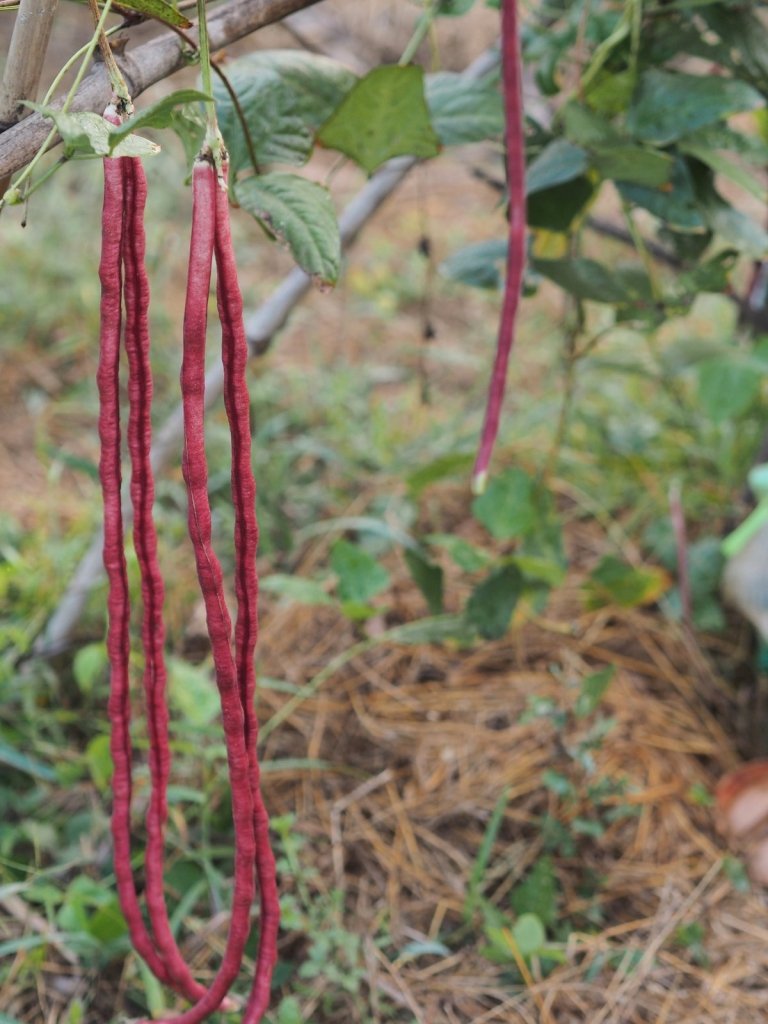

The short version: Arid gardens get two summer plantings: September to October once frost has passed, then January for an autumn harvest. In October, sow okra, snake beans, melons, pumpkin, amaranth and kang kong, plant out rosella and eggplant seedlings, and set sweet potato slips. Rig 50 to 60% shade cloth for the hottest afternoons, run drip lines under 7 to 10 cm of mulch, and water established beds deeply about three times a week rather than lightly every day.
An October bed in Alice Springs or Mildura looks full of promise. By January the same bed can be crisp at the edges, with tomato flowers dropping and a tray of seedlings cooked in one afternoon.
The answer is timing: plant in spring and again in January, and let shade, mulch and careful water carry the crop between them. This article is for the Arid and semi-arid zone: Alice Springs in the Northern Territory, Broken Hill in New South Wales, Mildura in Victoria, Kalgoorlie in Western Australia and similar inland districts.
The arid year: frost at one end, 40°C at the other
Bureau of Meteorology records for Alice Springs Airport average almost 12 nights at or below 2°C in July, and nearly 22 days at or above 35°C in January. January brings 42 mm of rain for the month, while evaporation runs close to 13 mm a day.
Summer vegetables are frost tender, and many stop setting fruit in the worst heat, so the Alice Springs Vegie Garden Companion, a handbook from the Arid Lands Environment Centre, describes two summer plantings: the first in September and October, the second in January. In Alice Springs, October closes the first window, with daytime tops averaging 31°C.
What to sow and plant in October
Our grow guides list each of these for October in the arid zone, as our What to Sow Now page shows, with snake beans listed under beans.
| Crop | October job | Arid tip |
|---|---|---|
| Okra | Sow direct | Crops heavily in heat; pick pods young and often |
| Snake beans | Sow at the foot of a tall trellis | Keeps producing in real heat |
| Watermelon, rockmelon | Sow direct | Thick mulch, deep water, shelter from hot wind |
| Pumpkin | Sow direct once the soil holds 16°C | Needs 15 to 20 weeks; keep vines out of drying wind |
| Rosella | Plant out September seedlings, or sow direct | Water deeply under mulch; fruits in late autumn |
| Eggplant | Plant out seedlings | Slows in midsummer, then crops well in autumn |
| Amaranth | Sow direct | A summer spinach; shade it in heatwaves |
| Kang kong | Sow in punnets of moist mix, then move seedlings to a tub of water | Keep it in the tub, never a pond or drain |
| Sweet potato | Plant rooted slips, October to November | Deep mulch and steady water; lift in March or April |
Cucumber, zucchini, squash, capsicum, chilli and sweet corn are on the October list too. Tomatoes are the awkward one: the Companion notes they will not set fruit in hot weather, suggests planting in early August and again in late January, and favours cherry types, which keep fruiting through summer. Slips take four to six weeks to grow from a tuber; when to plant sweet potatoes, zone by zone has the timing.

Shade and wind: take the edge off
- Shade cloth of 50 to 60% suits vegetables, according to Sustainable Gardening Australia. Rig it on a frame above the plants so air moves underneath; for western sun, a screen on that side does much of the work.
- Raise seedlings in a sheltered nursery corner with daily water. Harden them off over about a week, plant out in the late afternoon, water in, and cover with shade cloth for a few days if it is hot.
- Block the hot wind around pumpkin, melons and okra. Fine insect netting over a bed cuts wind and adds roughly 20% shade.

Water: deep, less often, and mind the salt
For established, mulched summer beds, the Companion's guide is three deep waterings a week. A daily sprinkle keeps roots near the hot surface.
- Seedlings and new transplants need water daily until their roots develop.
- Check the depth by digging a small hole after watering. In very sandy soil or peak summer, a struggling plant may need a daily drink too.
- Drip beats spray. Microsprays and misters lose about half their water to summer evaporation. Run drip lines under the mulch and fit an inline filter.
Salt is the slow problem. The Companion describes the Alice Springs supply, drawn from underground, as slightly alkaline and high in calcium salts. Evaporating water leaves those salts behind, and over time irrigated soil drifts to a higher pH; above about pH 8.5 many nutrients lock up. Water to need, keep the mulch on, add compost and skip lime. Where the soil drains freely, a deep soak in late November and late January pushes surface salts below the roots. On bore water, test pH with a kit and salinity with an EC meter; our guide to soil pH explains the first.
Build the soil before you plant
Most inland soils are low in organic matter, whether sand that water runs straight through or heavier ground that crusts and bakes.
- Dig in compost, worm castings and aged manure, and top up at least every second crop. Use composted rather than raw manure, especially around leafy crops, as the NSW Food Authority advises.
- On clay, add gypsum if a dry crumb dropped in rainwater turns it cloudy.
- Mulch at least 7 to 10 cm deep, kept back from stems.
December, then the January planting
Treat December as a holding month. Alice Springs averages 19 days at or above 35°C in December and 22 in January, so shade new seedlings in both months. Keep shade and water on what is growing, pull tired plants, and mulch empty beds ready for January.
In January, sow quicker crops for an autumn harvest: zucchini, squash, cucumber, amaranth and kang kong, plus tomato and capsicum seedlings from the shaded nursery. The Companion suggests February for bush beans, so they do not flower in the heat. Choose fast varieties, because frost can return from May. The Northern Territory Government's vegetable sowing calendar for the Alice Springs region shows the same pattern, with most summer crops marked for both spring and January.
The semi-arid fringe: Mildura, Broken Hill and Kalgoorlie
Further south, summer is gentler. Bureau records show Mildura averaging 34 days a year at or above 35°C, and Broken Hill Airport and Kalgoorlie about 42, against 93 at Alice Springs. October tops average 24 to 26°C, so October sits mid-window and heat stops play for a shorter spell. Spring frost lingers here too: Mildura averages about one night at or below 2°C in September, and Kalgoorlie has recorded below zero in October, so keep a cover handy for early plantings.
Where our seed and tubers can go
Our sweet corn seed cannot be sent to the Northern Territory, Western Australia or Tasmania, so Alice Springs and Kalgoorlie gardeners need a local source. Most capsicum lines, about half the chilli lines and some tomato lines cannot go to Western Australia. Due to quarantine restrictions and our shipping policy, we cannot send sweet potato tubers to Western Australia, Tasmania or Kangaroo Island. Our okra, rosella, snake bean, melon, pumpkin, eggplant, amaranth and kang kong seed carries no such limits.
Gardening in another zone?
The six zones are broad groupings, so if you garden between two, lean on local cues such as your last frost. Tropical gardens (Darwin in the Northern Territory, Cairns and Townsville in Queensland) are heading into the build-up. Subtropical (Brisbane and south-east Queensland, northern New South Wales), Temperate (Sydney and the New South Wales coast, Melbourne in Victoria) and Mediterranean gardens (Perth and southern Western Australia, Adelaide in South Australia) have milder summers and different windows. Cool and alpine gardens (Tasmania, Canberra in the ACT, Ballarat in Victoria, Orange and Armidale in New South Wales, Stanthorpe in Queensland) still face October frosts. Every zone's list is on our What to Sow Now page.
Frequently asked questions
Can I still plant tomatoes in October in Alice Springs?
You can, but large-fruited types tend to drop flowers in the heat, and cherry tomatoes cope better. Plant again in late January for autumn picking.
How often should I water a summer vegie bed in the arid zone?
About three deep waterings a week for an established, mulched bed, and daily for seedlings until their roots develop.
Why are my leaves yellowing when I water every day?
First check the soil is not staying soggy. Where water is hard or alkaline, test pH and salinity, then water less often but more deeply.
Can I grow sweet potatoes in Kalgoorlie?
Yes, planted in October or November like the rest of the zone. We cannot send tubers to Western Australia, so use local planting material.
Plant in spring and again in January, keep the water deep and the mulch thick, and an arid garden can crop from spring into autumn.
Related growing guides
- Heatwave survival for the vegetable garden: shade, water and timing
- Growing bitter melon, okra and snake beans from seed
- Wicking beds and wicking boxes for dry summers
- Water-wise gardening: getting more from every drop in a dry climate
Heat-loving seed is in our tropical vegetable seed range, and tubers are in our sweet potato tuber collection (not to Western Australia, Tasmania or Kangaroo Island).
1 comment
Bob
Thanks for all the information good job