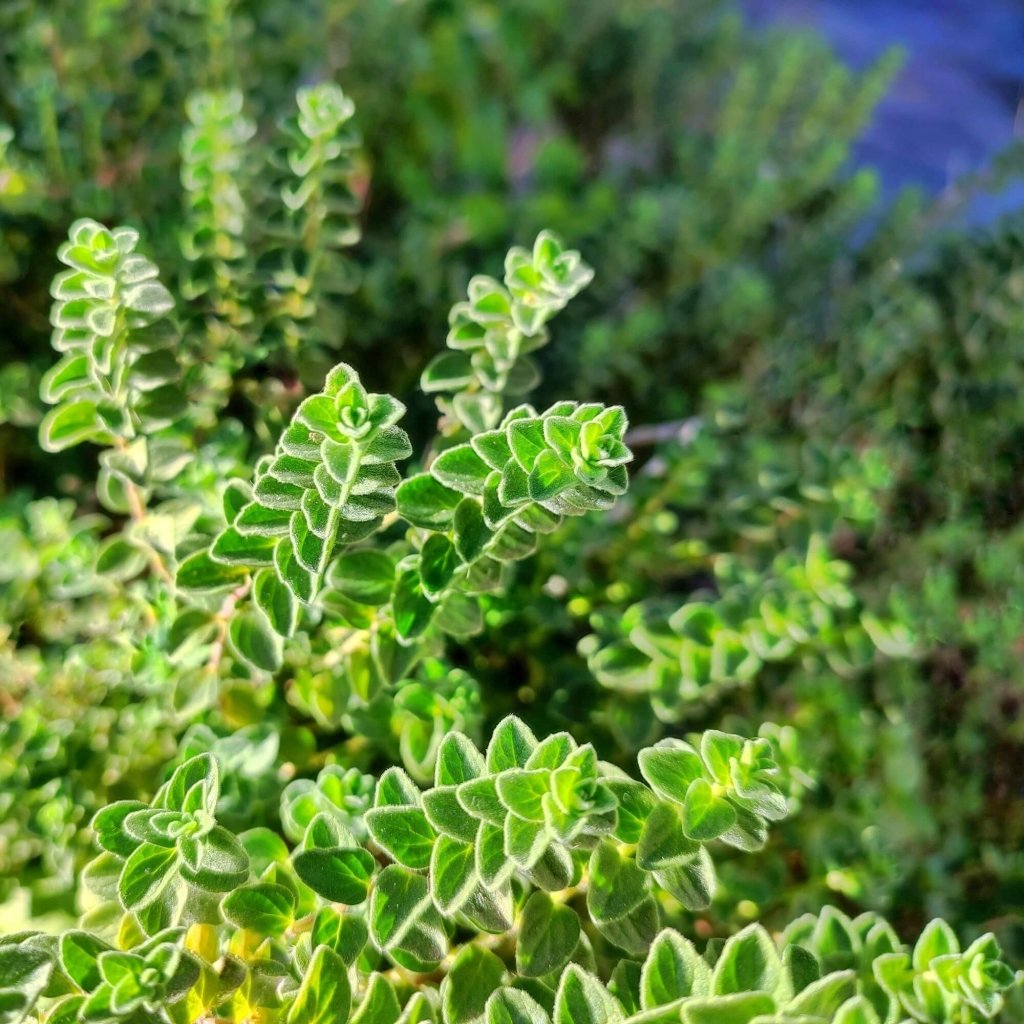
MARJORAM SWEET seeds
Origanum majorana
Pack: 300 seeds, 2g
Grows to 60cm high Leaves are light green on top and grey-green underneath. During summer, Marjoram will produce white to lilac flowers in clusters (knots)
- Grows in warmer zones will not survive cold winters or frosts
- Prefers full sunlight
- This plant requires a rich soil containing plenty of compost
- It is very slow to germinate
- Plant in small clumps 15cm apart
- Water adequately but do not overwater
- Additional fertiliser is needed in well-mulched soil
- Pick young leaves anytime
Marjoram is used in bouquet garni, has a taste resembling mild oregano and may be used as a substitute for this herb. A favourite with Italians, marjoram is used in an extensive range of meat, poultry, vegetable and eggs dishes. As a dried herb, marjoram makes a refreshing herbal tea and is used to promote herb bread, stuffing and when added to vinegar and oil dressings. The freshly harvested leaves and flowers may be used in salads and all forms of cooking, but add towards the end of cooking for hot dishes.
Marjoram is primarily a culinary herb; however, there also is an extensive history of medicinal use. The essential oil produced from the flowers, leaves and stems of marjoram contains active components including borneol, camphor, and pinene contribute to the anti-spasmodic and stimulant properties. Marjoram has seen medicinal use in many ways, including a topical agent for sprains, bruises, general aches and muscle pains where the analgesic properties can help reduce pain. It has also been used for digestive and intestinal complaints, such as bloating and respiratory problems, including cough and cold symptoms. Due to the general relaxant properties of marjoram, it is helpful for nervousness and insomnia, tension headaches and migraines. The anti-bacterial and anti-fungal benefits of marjoram are useful in the treatment of open wounds and skin conditions.