
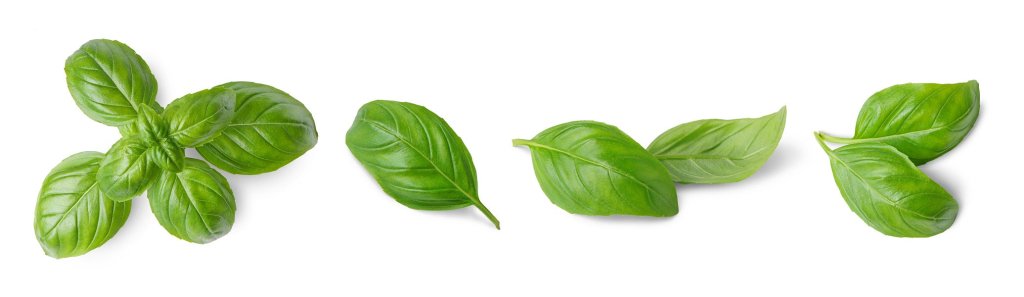
Basil is the quintessential summer herb that brings a taste of Italy to Australian gardens. Australian gardeners love growing basil for its fresh, aromatic leaves that elevate everything from a simple tomato salad to a homemade pesto. Its fast growth and generous harvests make it a rewarding choice for beginners and experts alike, thriving in pots on sunny balconies or in garden beds.
When should I plant Basil in Australia?
Plant basil in spring once the danger of frost has passed and the soil has warmed up. Basil seeds germinate best when soil temperatures reach 15°C to 25°C. This tender herb thrives in warm conditions and will struggle if planted too early in cool soil.
Planting times by climate zone
| Climate Zone | Best Months | Notes |
|---|---|---|
| Tropical (Darwin, Cairns) | April to September | Plant in the dry season; high humidity can promote fungal diseases. |
| Subtropical (Brisbane, Gold Coast) | September to March | Provide afternoon shade in peak summer heat. |
| Arid (Alice Springs, Broken Hill) | October to February | Essential to mulch heavily and provide regular, consistent irrigation. |
| Temperate (Sydney, Perth, Adelaide) | October to February | Optimal growing conditions; plant after Melbourne Cup Day as a general guide. |
| Cool (Melbourne, Hobart, Canberra) | November to January | Start seeds indoors in early spring; plant out after all frost risk has passed. |
Timing tips
- Soil temperature: 15°C to 25°C for reliable germination
- Frost consideration: Plant at least 2 weeks after the last frost; basil is frost tender
- Moon planting: Sow during a waxing moon for best leaf growth
- Succession planting: Sow every 4 weeks for continuous fresh leaves all summer
- Christmas harvest: Plant by late October in temperate zones for holiday picking
What soil does Basil need?
Basil grows best in light, fertile, and well-draining soil with a pH between 6.0 and 7.5. Good drainage is critical to prevent root rot, which basil is particularly susceptible to, especially in cooler or wetter conditions.
Soil preparation checklist
- Soil type: Light, loamy, and well-draining soil
- pH range: 6.0 to 7.5 - slightly acidic to neutral; add lime if soil is too acidic
- Organic matter: Mix in generous amounts of compost or well-rotted manure
- Drainage: Critical for root health; does not tolerate waterlogged soil
- Soil preparation: Dig over to 20cm depth, remove weeds, and incorporate organic matter
- Container mix: Use premium quality potting mix with added compost
Improving your soil
For heavy clay soils, build raised beds or mix in generous amounts of coarse sand and compost to improve drainage. In sandy soils, add plenty of compost or aged manure to increase water and nutrient retention. A top dressing of worm castings at planting time gives seedlings an excellent organic boost.
How often should I water Basil?
Water basil regularly to keep the soil consistently moist but never soggy. Basil has shallow roots and can wilt quickly if the soil dries out, yet it is equally damaged by overwatering and poor drainage.
Watering guidelines
- Seedlings: Water gently with a fine spray daily to keep surface moist
- Established plants: Water deeply 2-3 times per week, depending on weather
- Flowering/fruiting: Maintain consistent moisture; water stress can cause early flowering (bolting)
- Hot weather (35°C+): Water daily in the morning, may need a second light watering in extreme heat
- Best time to water: Early morning so leaves dry before night, reducing disease risk
Signs of water stress
- Underwatering: Leaves wilt, become limp, and may turn yellow or brown at edges
- Overwatering: Lower leaves turn yellow and drop; stems may become soft and black at base (root rot)
Water-saving tips
- Apply a 5-7cm layer of straw or sugar cane mulch to retain soil moisture
- Drip irrigation or soaker hoses are ideal for delivering water to roots without wetting leaves
- Water at the base of the plant, not over the foliage
- Suitable for water-wise gardens if mulched well and watered efficiently
Water-wise rating: 3 out of 5 - Requires regular moisture but can be managed efficiently with good practices.
How do I feed Basil?
Feed basil with a balanced liquid fertiliser every 3-4 weeks during the active growing season. Basil is a moderate feeder that responds well to nitrogen for lush leaf growth but avoid over-fertilising which can dilute flavour.
Feeding schedule
- Before planting: Incorporate 5-10cm of compost or aged manure into the soil
- At planting: Mix a handful of worm castings or blood and bone into each planting hole
- First feed: 3-4 weeks after planting or when plants are 15cm tall
- Ongoing feeding: Apply a balanced liquid fertiliser (like seaweed solution) every 3-4 weeks
- Flowering/fruiting: Pinch off flower buds to direct energy into leaf production; no special feed needed
Organic fertiliser options
- Compost tea: Apply every 2 weeks as a gentle, nutrient-rich soil drench
- Worm castings: Side dress plants monthly with a handful per plant
- Seaweed solution: Use fortnightly to promote strong growth and stress resistance
- Blood and bone: Apply once at planting and again mid-season for slow-release nitrogen
- Pelletised chicken manure: Apply lightly (small handful per square metre) at planting time
Signs of nutrient deficiency
- Nitrogen deficiency: Older leaves turn pale green or yellow; growth is stunted. Solution: Apply a nitrogen-rich feed like fish emulsion.
- Potassium deficiency: Leaf edges turn brown and crispy. Solution: Add wood ash or a potassium-rich organic fertiliser.
- Other common deficiencies: Magnesium deficiency shows as yellowing between leaf veins. Solution: Apply Epsom salts (magnesium sulphate) as a foliar spray.
Protecting Basil from extreme weather
Basil is a heat-loving but tender herb that needs protection from frost, extreme sun, and strong winds in Australian gardens. With simple strategies, you can extend your harvest season significantly.
Heat protection (35°C and above)
- Use 30-50% shade cloth during the hottest part of the day to prevent leaf scorch
- Mulch with 7cm of straw to keep roots cool and conserve moisture
- Water deeply in the morning; potted plants may need watering twice daily
- Position to receive morning sun and afternoon shade in very hot climates
Frost protection
- Cover with frost cloth, hessian, or an old sheet on cold nights
- Grow in pots that can be moved to a sheltered verandah or indoors overnight
- Avoid watering foliage before a predicted frost
- Plants blackened by frost will not recover; replant in spring
Wind protection
- Plant near a fence, wall, or taller plants (like tomatoes) to provide a windbreak
- Stake taller varieties if they become leggy
- Best planted in a sheltered but sunny part of the garden
Heavy rain and humidity
- Ensure excellent drainage; consider planting in raised beds in high rainfall areas
- Space plants 25-30cm apart to maximise air circulation and reduce fungal disease
- Water at the base of plants to keep leaves dry
- Raised beds are highly beneficial in areas with high summer rainfall
Pests and disease solutions for Basil
Basil can face these common challenges in Australian gardens. All solutions below are suitable for organic growing.
Common pests
-
Snails and slugs:
- Identification: Irregular holes chewed in leaves, silvery slime trails
- Damage: Can decimate young seedlings overnight
- Organic control: Hand pick at night, use beer traps, or apply iron-based snail bait
- Prevention: Clear garden debris, use crushed eggshell or diatomaceous earth barriers
-
Aphids:
- Identification: Small green, black, or white insects clustered on new growth
- Damage: Suck sap, causing distorted growth and spreading viruses
- Organic control: Spray with soapy water or horticultural oil; blast off with water
- Prevention: Encourage ladybirds and lacewings; avoid over-fertilising with nitrogen
-
Whitefly:
- Identification: Tiny white flies that swarm when plant is disturbed
- Organic control: Use yellow sticky traps; spray with neem oil solution
Common diseases
-
Fusarium wilt:
- Cause: Soil-borne fungal disease
- Symptoms: Sudden wilting, brown streaks inside stems, plant collapse
- Organic treatment: No cure; remove and destroy affected plants
- Prevention: Plant resistant varieties; practice crop rotation; ensure good drainage
-
Downy mildew:
- Cause: Fungal disease favoured by cool, wet conditions and poor air flow
- Symptoms: Yellow patches on upper leaves, greyish-purple fuzzy growth underneath
- Organic treatment: Remove affected leaves; spray with bicarbonate of soda solution (1 tsp per litre of water)
Australian-specific challenges
- Possums: They love basil! Protect with netting or a wire cloche, especially overnight.
- Birds: May peck at seedlings; use netting or bird scare devices.
- Grasshoppers and katydids: Can chew large holes; hand pick or use exclusion netting.
Integrated pest management tips
- Plant flowering herbs like dill and coriander nearby to attract predatory insects
- Do not plant basil in the same spot more than once every 3 years
- Plant with tomatoes and garlic, which can deter some pests
- Inspect plants weekly, especially under leaves, for early signs of trouble
What grows well with Basil?
Basil companions well with tomatoes and peppers which benefit from its pest-repelling properties. Companion planting can improve the health and flavour of your basil while creating a more resilient garden ecosystem.
Best companions
- Tomatoes: Improves growth and flavour; repels thrips, flies, and mosquitoes; traditional Italian garden pairing.
- Peppers (capsicums and chillies): Basil helps repel aphids, spider mites, and certain beetles.
- Oregano: Acts as a living mulch, suppressing weeds and creating a beneficial microclimate.
- Lettuce: Basil provides light shade for lettuce in hot weather, delaying bolting.
- Beans: Basil repests bean beetles and the two plants do not compete heavily for nutrients.
Australian native companions
- Lemon myrtle: Attracts beneficial predatory insects that also patrol your basil.
- Prostrate grevilleas: Provide ground cover that helps retain soil moisture.
Plants to avoid
Keep Basil away from these plants:
- Rue: Stunts the growth of basil and other herbs.
- Common sage: Can inhibit basil growth when planted very close together.
- Cucumber: Some gardeners report basil can slow cucumber growth, though evidence is mixed.
How do I know when Basil is ready to harvest?
Basil is ready to harvest when plants are 15-20cm tall and have developed several sets of true leaves. You can begin harvesting as soon as the plant is well-established, typically 6-8 weeks after sowing. Regular harvesting promotes a bushier, more productive plant.
Harvest signs
- Visual signs: Lush, full plants with vibrant green leaves (colour varies by variety)
- Touch test: Leaves are tender but firm, not tough or leathery
- Size: Harvest leaves when they are medium-sized, before they become overly large and potentially bitter
- Timing: Best flavour is just before the plant flowers; pinch off flower buds as they appear
Harvesting tips
- Best time of day: Morning after dew has dried for maximum flavour and essential oil content
- Harvest method: Pinch or cut stems just above a leaf pair, which encourages two new branches to form
- Tools needed: Clean fingers or sharp scissors/secateurs
- Frequency: Harvest lightly but regularly; never remove more than one-third of the plant at once
Storage methods
- Fresh storage: Store stems in a glass of water on the bench for 3-5 days, like a bouquet
- Refrigeration: Wrap leaves loosely in a slightly damp paper towel and place in a plastic bag in the crisper for up to 1 week
- Freezing: Chop leaves, pack into ice cube trays, cover with water or olive oil, and freeze. Store cubes in a bag for 6 months.
- Drying: Hang small bunches upside down in a warm, dark, well-ventilated place. Crumble and store in an airtight jar for 1 year.
- Preserving: Make into pesto and freeze, or infuse into vinegar or oil.
Seed saving
Allow a few stems to flower and go to seed. Once flower spikes turn brown and dry, cut them off and place in a paper bag. Shake to release the tiny black seeds. Store in a cool, dry place. Note that different basil varieties can cross-pollinate if grown close together.
How to use Basil in the kitchen
Basil is prized in the kitchen for its vibrant, peppery, and slightly sweet flavour with hints of anise and clove. Its fresh aroma and bright taste are the soul of many Mediterranean and Asian dishes.
Flavour profile
Sweet Genovese basil has a classic, robust flavour perfect for pesto and tomato sauces. Thai basil offers a sharper, more licorice-like note ideal for curries and stir-fries. Lemon and lime basil varieties add a citrus twist. Heat mellows the flavour, so add fresh basil at the end of cooking.
Preparation tips
- Washing: Swish gently in a bowl of cold water to remove grit; pat dry with a tea towel or use a salad spinner
- Cutting: Tear leaves by hand to prevent bruising and blackening that occurs with a knife (chiffonade by rolling leaves and slicing thinly if preferred)
- When to add: Add fresh basil in the last few minutes of cooking to preserve its delicate flavour and bright colour
Cooking methods
- Raw: The best way to enjoy its full flavour. Perfect in salads, bruschetta, and as a garnish
- Sautéed: Add at the very end to warm through and release aroma
- Roasted: Not typical, but can be used in roast vegetable medleys
- Steamed: Can be added to steam fish or vegetables in the last minute
- Grilled: Brush whole sprigs with oil and grill briefly as a garnish
Flavour pairings
- Proteins: Chicken, lamb, white fish, prawns, mozzarella cheese, eggs
- Vegetables: Tomato, eggplant, zucchini, capsicum, garlic, onion
- Herbs and spices: Garlic, oregano, parsley, chilli, lemon zest
- Dairy: Parmesan, feta, ricotta, buffalo mozzarella, cream
- Oils and acids: Extra virgin olive oil, balsamic vinegar, lemon juice
Cuisine styles
Basil features prominently in:
- Italian: The star of pesto Genovese, Caprese salad, and Margherita pizza
- Thai: Essential in green curry, pad kra pao (holy basil stir-fry), and summer rolls
- Vietnamese: Used fresh in pho and fresh spring rolls
Preserving the harvest
- Freezing: Basil pesto freezes excellently. Alternatively, freeze whole blanched leaves or herb cubes.
- Drying: Dried basil has a different, more muted flavour but works well in soups and stews.
- Pesto/sauce: Blend with garlic, pine nuts, parmesan, and olive oil. Freeze in portions.
- Infused oils: Steep clean, dry leaves in good quality olive oil for several weeks. Note: To avoid botulism risk, refrigerate and use within 1 month.
Organic growing tips for Basil
- Harvest timing: Pick leaves in the morning after dew has dried for the most intense flavour and aroma.
- Plant health: Pinch out the growing tip when plants are 15cm tall to encourage bushy growth. Regularly remove flower buds to prolong leaf production.
- Soil building: After harvesting, plant a green manure crop or add compost to replenish the bed.
- Biodiversity: Interplant with marigolds and nasturtiums to attract beneficial insects and confuse pests.
- Succession sowing: Sow seeds every 4 weeks from spring to early summer for a non-stop supply.
- Crop rotation: Do not plant basil in the same spot more than once every 3 years to prevent soil-borne diseases like fusarium wilt.
Frequently asked questions
How long does Basil take to grow?
Basil takes 50 to 75 days from seed to first harvest, or 30 to 40 days from transplant. You can expect to start harvesting in early summer if you plant in spring after the last frost in temperate zones.
Can I grow Basil in a pot?
Yes, basil grows very well in containers. Use a pot at least 20cm diameter and 20cm deep with quality potting mix. Ensure the pot has drainage holes and place it in a sunny, sheltered spot. Container plants may need more frequent watering.
Is Basil frost tolerant?
Basil is frost tender and will be killed by frost. Plant only after all danger of frost has passed, and be prepared to protect plants with cloches or frost cloth if an unexpected late frost is forecast.
What pests attack Basil in Australia?
The most common pests for Basil in Australian gardens are snails and slugs, aphids, and whitefly. Regular inspection and organic controls like hand-picking or soap sprays are effective.
When should I plant Basil in Sydney/Melbourne/Brisbane?
In Sydney (temperate zone), plant Basil from October to February. In Melbourne (cool zone), wait until November to January when soil warms. In Brisbane (subtropical), plant from September to March.
Why is my Basil going to flower (bolting)?
Basil bolts (produces flowers) due to hot weather, long days, or water stress. Once it flowers, leaf production slows and flavour can become bitter. Pinch off flower buds as soon as they appear to keep the plant producing tasty leaves.
How do I store fresh Basil?
For short-term storage, place stems in a glass of water on the kitchen bench. For refrigeration, wrap leaves loosely in a slightly damp paper towel and place in a sealed bag in the crisper drawer for up to a week.
Grow your own Basil
Ready to start growing? Browse our certified organic Basil seeds:
- Sweet Genovese Basil Seeds - The classic Italian basil for perfect pesto
- Thai Basil Seeds - Aromatic with purple stems, essential for Asian cuisine
- Lemon Basil Seeds - Bright citrus flavour for salads and seafood