
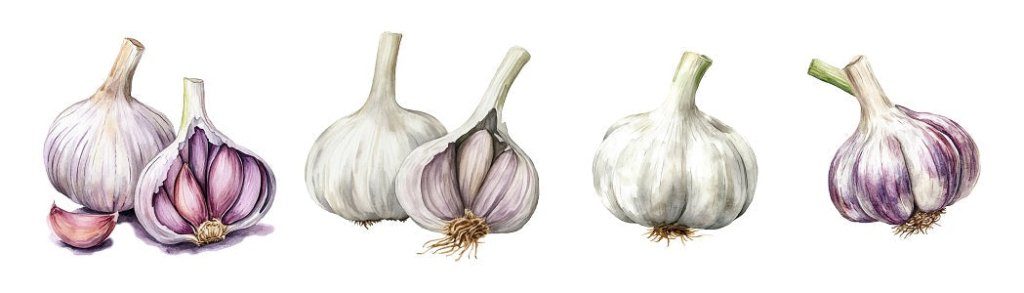
Growing your own garlic is one of the most rewarding projects for an Australian home gardener. The flavour of fresh, homegrown bulbs beats the supermarket imports every time. Plus, you get the satisfaction of knowing exactly what went into your food.
While garlic is easy to grow, getting big, juicy bulbs requires getting the timing right for your specific location. From the humidity of Darwin to the frost of Hobart, here is how to grow the perfect crop.
Step 1: Know Your Zone and Variety
Australia is huge, so one rule does not fit all. Success starts with picking the right type of garlic for your backyard.
The Two Main Types:
- Softneck Varieties: These do not produce a flower stalk. They are best for warmer climates, store for longer (up to 12 months), and are the type you can braid.
- Hardneck Varieties: These produce a central flowering stalk called a 'scape'. They need a cold winter to form good bulbs. They have incredible flavour but a shorter shelf life.
Which one is for you?
- Tropical (Darwin, Cairns): It is hot and humid. You need short-season Softneck varieties like Early Italian Purple. You must chill your cloves in the fridge for 4 to 6 weeks before planting to trick them into thinking they have had a winter.
- Subtropical (Brisbane, Gold Coast, Northern NSW): You have mild winters. Stick to Softneck varieties. Plant in late autumn.
- Arid (Alice Springs, Inland): You have hot days and cold nights. Softneck varieties usually perform best here, but heavy mulching is essential to keep water in the soil.
- Temperate (Sydney, Perth, Adelaide): You have the easiest run. You can grow both Softneck and Hardneck varieties successfully.
- Cool Temperate (Melbourne, Hobart, Canberra): You have the cold winters that Hardneck varieties love. This is where you get the massive purple garlics like Monaro Purple.
Step 2: Soil Preparation
Garlic hates wet feet. If your soil is boggy or heavy clay, your bulbs will rot.
The Perfect Soil:
- Drainage: Essential. If water sits in a puddle, build a raised bed.
- Texture: Loose and crumbly.
- Food: Mix in aged compost or blood and bone a few weeks before planting. Avoid fresh manure as it is too strong.
Step 3: Planting Your Cloves
When to Plant:
- Cool/Temperate: Late March to May.
- Subtropical: Mid-April to Late May.
- Tropical: Late March to May (start chilling bulbs in the fridge in Feb/March).
How to Plant:
- Separate: Break the bulb into individual cloves. Do this only 24 hours before planting so they do not dry out.
- Select: Use the big, fat cloves from the outside of the bulb. Use the small middles for cooking, not planting. Keep the papery skin on.
- Position: Plant the clove flat end down (roots) and pointy end up.
- Depth: Plant about 5cm deep (tip of the clove should be covered by 2cm of soil). In tropical areas, plant shallower (3cm) to stop rot.
- Spacing: Give them room. 15cm between cloves and 30cm between rows.
The Secret Weapon: Mulch Cover your garden bed with sugar cane mulch or pea straw immediately after planting. This keeps weeds down and moisture in.
- Tropical: 5cm layer.
- Temperate: 7cm layer.
- Cool/Arid: 10cm layer (keeps the soil warm in frost and cool in heat).
Step 4: Watering and Feeding
Garlic is hungry and thirsty, but timing is everything.
- Autumn (Planting): Water well to settle them in. Keep soil moist but not soaking.
- Winter (Roots): The green shoots might not grow much, but the roots are busy. Water casually if it does not rain.
- Spring (Bulbs): This is the engine room. As the days get longer, the bulbs get fatter. Increase watering. Feed them with a nitrogen fertiliser (like blood and bone) once a month.
- One Month Before Harvest: Stop! When the leaves start to yellow, stop fertilising and reduce watering. Too much water now causes rot and split bulbs.
Step 5: Pests and Diseases
Australia is lucky to miss many overseas pests, but we still have a few.
- Thrips & Aphids: Little bugs that suck the sap. Treat with horticultural soap or eco-oil.
- White Rot: The worst nightmare. It looks like white fluff on the base of the bulb. There is no cure. Pull the plants out and bin them (do not compost). Do not plant garlic or onions in that spot for a decade.
- Rust: Orange spots on leaves in humid weather. Ensure good airflow between plants.
Step 6: The Harvest
Do not guess. The leaves will tell you when they are ready.
The Signs:
- Wait until the bottom few leaves are brown and paper-dry.
- The top 5 or 6 leaves should still be green.
- Do not wait until all leaves are brown, or the wrappers will split and the garlic will not store well.
How to Harvest:
- Loosen the soil with a fork.
- Gently lift the bulb (do not yank the stalk or it might snap).
- Brush off the dirt. Do not wash them. Water is the enemy of storage.
Step 7: Curing and Storage
To make your garlic last for months, you must 'cure' it. This dries out the skins to seal the bulb.
- Hang them up: Bundle them or lay them on a rack in a dry, airy spot out of direct sunlight (a shed or veranda is perfect).
- Wait: Leave them for 3 to 4 weeks.
- Trim: Once the stems are completely dry and brittle, trim the roots and cut the stalks (unless you are braiding them).
- Store: Keep them in a pantry or cool spot with airflow. Net bags or wire baskets are best. Do not put them in the fridge (unless you are in the humid tropics) as the cold makes them sprout.
Quick Troubleshooting
- Small Bulbs: You planted too late, or didn't water enough in spring.
- Bulbs Rotting: Soil was too wet or you watered too close to harvest.
- Sprouting in Cupboard: It is too humid or light. Keep them darker and drier.
- No Cloves (One solid round bulb): It didn't get cold enough or you harvested way too early.
| Zone | Planting Time | Harvest Time | Best Type |
| Tropical | Late Mar - Early May | Aug - Sept | Softneck (chill first) |
| Subtropical | Mid Apr - Late May | Oct - Nov | Softneck |
| Arid | Late Mar - Apr | Oct - Nov | Softneck |
| Temperate | Apr - May | Nov - Dec | Softneck or Hardneck |
| Cool Temperate | Late Mar - Early May | Dec - Jan | Hardneck |
Frequently Asked Questions: Growing Garlic in Australia
When should I plant garlic in Australia? Plant garlic from late March to May, depending on your climate zone. Cool temperate zones (Melbourne, Hobart) plant late March to early May. Temperate zones (Sydney, Perth) plant April to May. Subtropical zones (Brisbane) plant mid-April to late May. Tropical zones plant late March to early May with pre-chilled cloves.
How long does garlic take to grow in Australia? Garlic requires 16-32 weeks depending on variety and climate zone. Tropical zones harvest at 16-20 weeks (August-September). Subtropical and temperate zones harvest at 20-24 weeks (October-December). Cool temperate zones harvest at 28-32 weeks (December-January). Hardneck varieties require longer growing periods than softneck varieties.
Can I plant garlic from the supermarket? Not recommended. Supermarket garlic is often treated with sprout inhibitors, may carry diseases, and varieties are rarely suited to Australian conditions. Purchase certified seed garlic from Australian suppliers offering climate-appropriate varieties for reliable results and disease-free crops.
What's the best garlic for my climate zone? Cool temperate zones grow hardneck varieties (Purple Glazer, Monaro Purple). Temperate zones suit both softneck and hardneck varieties. Subtropical zones need softneck varieties (California Late, Early Italian Purple). Tropical zones require short-season softneck varieties with pre-chilling. Arid zones suit heat-tolerant softneck varieties with adequate water.
How deep do I plant garlic cloves? Plant garlic cloves 5-7cm deep in temperate and cool temperate zones. Plant 3-4cm deep in tropical and subtropical zones for better drainage. Always plant pointed end up, flat basal plate down. Space cloves 15cm apart in rows 30cm apart for optimal bulb development.
Does garlic need full sun in Australia? Yes, garlic requires full sun (minimum 6 hours daily) for maximum bulb development. Partial shade reduces bulb size significantly. In tropical zones, afternoon shade protection during peak heat periods can reduce stress without compromising growth.
How often should I water garlic? Provide 25-30mm water weekly during autumn establishment. Reduce to 15-20mm weekly during winter. Increase to 30-40mm weekly during spring bulb development. Cease watering 2-3 weeks before harvest. Consistent moisture produces largest bulbs; irregular watering causes split bulbs.
When do I stop watering garlic before harvest? Stop watering 2-3 weeks before planned harvest when lower leaves begin browning. Dry soil conditions facilitate easier harvesting, reduce disease risk during curing, and improve storage life. This pre-harvest dry period is critical for quality bulbs.
How do I know when garlic is ready to harvest? Harvest when 40-50% of leaves (typically lower 3-4 leaves) have browned while upper 5-6 leaves remain green. Dig a test bulb—cloves should be distinct but not separated, wrappers papery but intact. Don't wait for all leaves to brown (indicates overmaturity and split bulbs).
Should I cut the flower stalks off garlic? Yes, remove scapes (flower stalks) from hardneck varieties when curled but before straightening. This redirects energy from seed production to bulb enlargement, increasing final bulb size 10-20%. Scapes are edible delicacies—use in cooking. Softneck varieties don't produce scapes.
Can I grow garlic in pots in Australia? Yes, garlic grows successfully in containers at least 30cm deep and 20cm in diameter. Use premium potting mix with added compost. Drainage absolutely critical, containers must have multiple drainage holes. Container garlic requires more frequent watering than ground-planted crops. Harvest slightly earlier as confined roots limit bulb size.
Why didn't my garlic form bulbs? Bulb formation failure results from insufficient cold period (common in tropical zones without pre-chilling), planting too late in the season, wrong variety for the climate zone, or excessive nitrogen fertiliser late in the growing season. Ensure proper timing, variety selection, and cease nitrogen 6 weeks before expected harvest.
How do I prevent garlic diseases in Australia? Plant certified disease-free seed garlic, ensure excellent drainage through raised beds or amended soil, practice minimum 3-year crop rotation with non-alliums, provide adequate plant spacing for airflow, water at soil level (not overhead), and mulch to prevent soil splash. Remove diseased plants immediately.
Can I save my own garlic for planting next year? Yes, reserve the finest bulbs from the healthiest plants as seed garlic for next season. Select largest, disease-free bulbs displaying true variety characteristics. Store seed garlic identically to eating garlic but keep separate. Plant within 12 months—viability declines after one year. Don't save garlic from diseased crops.
What should I plant after garlic? Follow garlic with non-allium crops. Excellent successors include legumes (beans, peas) to restore nitrogen, brassicas (broccoli, cabbage), leafy greens, tomatoes, or cucurbits. Never follow garlic with onions, leeks, shallots, or garlic again—maintain minimum 3-year rotation to prevent disease buildup.
Why is my garlic yellowing early? Early yellowing indicates overwatering/poor drainage, nitrogen deficiency, pest damage (thrips, aphids), or disease (rust, white rot, basal rot). Check soil moisture levels, inspect leaves for insects, apply nitrogen side-dressing if deficient, and examine roots for rot. Address cause immediately to salvage crop.
How long does cured garlic last? Properly cured and stored garlic lasts 6-9 months under optimal conditions. Hardneck varieties typically store 6-8 months. Softneck varieties store 8-12 months. Tropical and subtropical storage rarely exceeds 6 months without refrigeration. Store at 10-15°C in darkness with good airflow for maximum storage life.
Can I grow garlic in Brisbane/Melbourne/Sydney/Perth? Yes, all Australian capital cities successfully grow garlic with appropriate variety selection and timing. Brisbane (subtropical): softneck varieties planted April-May. Melbourne (cool temperate): hardneck varieties planted March-April. Sydney (temperate): both types planted April-May. Perth (Mediterranean temperate): both types planted March-April.
What's the difference between hardneck and softneck garlic? Hardneck garlic produces central flower stalks (scapes), requires cold winters, has fewer but larger cloves arranged in single ring, stores 6-8 months, and offers complex flavours. Softneck garlic produces no scapes, tolerates warmer winters, has multiple clove rings with variable sizes, stores 8-12 months, and suits warm Australian zones better.
Why are my garlic bulbs small? Small bulbs result from late planting missing optimal growing period, insufficient fertilizer (particularly nitrogen during early growth), water stress during critical bulb development period, overcrowding (planted too close), wrong variety for climate zone, or harvesting too early. Address these factors for next season's improved results.