

The short version: An early October sowing has about 11 to 12 weeks before Christmas Day. Radish, loose-leaf lettuce, bush beans, zucchini, cucumbers, silverbeet and beetroot all fit that count in warm soil outside the tropics. Early seed potatoes planted in the first half of October can give a few new potatoes by Christmas in temperate, Mediterranean and arid gardens. Tomatoes make it from seedlings already growing, not from October seed.
Early in October, many gardeners stand at the bed with a seed packet and do the same sum: if this goes in today, will there be something of our own on the table at Christmas?
The answer comes from counting, not hoping. Each crop below is measured against the days to harvest on our own product pages and growing guides, and where a crop falls short, we say so.
Count back from Christmas
Work backwards from the harvest date.
- Find the days to harvest and where they start. Direct-sown crops usually count from sowing, potted crops such as tomatoes from planting out.
- Add only what the count leaves out: germination days if it starts at germination, punnet weeks if it starts at planting out.
- Compare with the weeks left. From 1 October to 25 December is 85 days; from 15 October it is 71.
Provider bush beans list 52 to 55 days to maturity; even adding 5 to 10 days to germinate, call it nine weeks, inside the count. Warmth moves all these numbers, and our explainer on what days to maturity really means covers why, and suggests adding two to three weeks in cool and alpine gardens.
New potatoes by Christmas
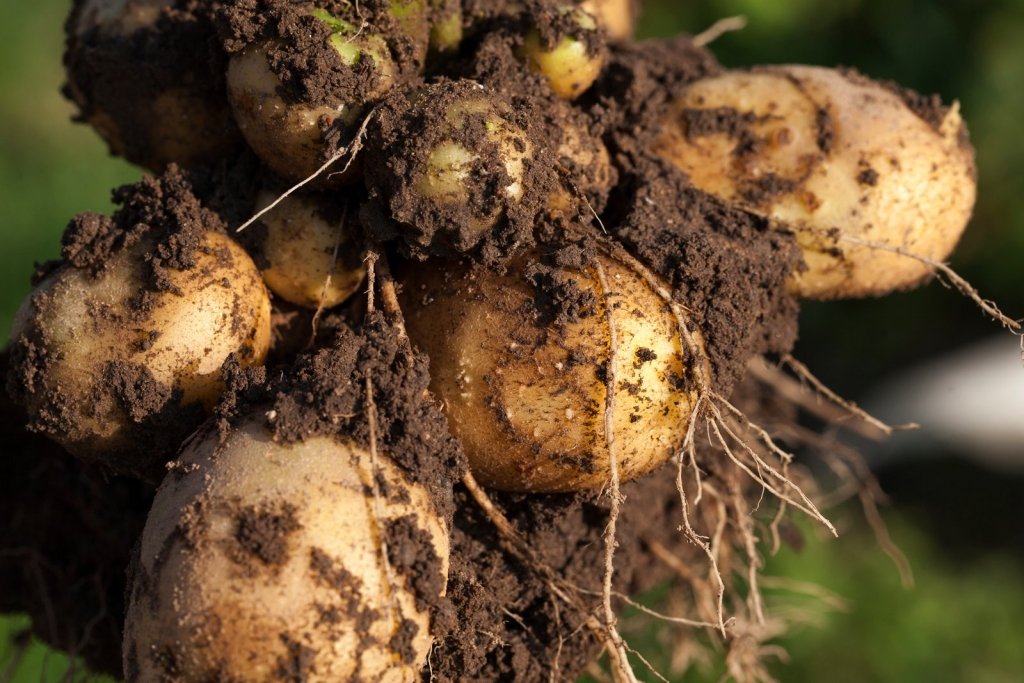
October decides this one. Plant an early type in the first half of October, and once the plants flower you can bandicoot a few new potatoes from the side.
- Choose an early variety. Our potato guide lists Imperial Blue and Nadine as early; the Imperial Blue seed potato page gives 80 to 100 days to a full harvest.
- Chit if you can. Sprouted seed potatoes get away faster, and even a week in a bright spot out of direct sun helps. See how to chit seed potatoes.
- Know the timeline. Shoots take two to five weeks to appear, and flowering and tuber set run from about week 7 to week 12, which ends on 24 December for a 1 October planting.
- Take a few, not the lot. Feel into the side of the hill for the largest tubers, firm the soil back, and leave the plant to finish the main crop, dug once the tops die back. Tubers greened by light carry natural toxins that cooking does not destroy.
Short of space? A potato growing bag suits two or three seed potatoes, with a flap for taking early ones.
We cannot send seed potatoes to Western Australia, Tasmania or Kangaroo Island, because of quarantine restrictions and our shipping policy. Gardeners in Western Australia and Tasmania can buy them locally. Kangaroo Island is stricter: Primary Industries and Regions SA lists seed potatoes among the items not to bring onto the island.
What makes it from an early October sowing
| Crop | Our figure | By Christmas? |
|---|---|---|
| Radish | 4 to 10 weeks | Yes, with time to sow again |
| Loose-leaf lettuce | Baby leaves about 28 days, full size 49 to 60 days (Salad Bowl) | Yes |
| Bush beans | 52 to 55 days (Provider), 55 to 65 days (Goldrush) | Yes, once the soil holds 16°C |
| Zucchini, patty pan squash | 6 to 9 weeks | Yes, once the soil holds 21°C |
| Cucumber | 8 to 10 weeks | Yes in warm soil, tight in cool zones |
| Silverbeet | Outer leaves from 8 to 10 weeks | Yes |
| Beetroot | 7 to 12 weeks | Golf-ball roots |
| Spring onions | 8 to 14 weeks | Slim ones, if sown early in the month |
| Basil | First tips 6 to 12 weeks | A few sprigs, more from seedlings |
| Carrots | 9 to 18 weeks | Baby carrots, or early types sown early in the month |
| Early potatoes | 80 to 100 days (Imperial Blue) | A few new potatoes |
Be clear about what arrives: leaves rather than firm lettuce hearts, small beetroot, slim spring onions and carrots, and a handful of new potatoes rather than the main dig.

Tomatoes: seedlings, not seed
A Christmas tomato from October seed is unlikely: most need 10 to 12 weeks from planting out to the first ripe fruit, after six to eight weeks in the punnet. What can work is a seedling planted out in early October, of a cherry or compact bush type such as Tiny Tim. Some tomato seed lines cannot be sent to Western Australia or Tasmania, and the product page says so where that applies.
Zone by zone
The zones are broad groupings. Between two of them, or up a hill, lean on local cues such as your first and last frosts.
Tropical (Darwin in the Northern Territory, Cairns and Townsville in Queensland, Broome in Western Australia): Christmas falls in the build-up and early wet, so most crops above belong to your dry season. Leaf amaranth, purslane and potted basil fit the count; see wet-season crops that cope.
Subtropical (Brisbane and south-east Queensland, northern New South Wales): the potato window has closed. Beans, cucumbers, zucchini, silverbeet and beetroot sown in early October beat the humid heat. Shade lettuce and radish in the afternoon, and watch beans for bean fly.
Arid and semi-arid (Alice Springs in the Northern Territory, Broken Hill in New South Wales, Mildura in Victoria, Kalgoorlie in Western Australia): October is getting late for potatoes in most districts, so plant an early type in the first days of the month, with locally bought seed in Kalgoorlie. Beans, zucchini and cucumbers go in after the last frost, with shadecloth for heatwaves. Alice Springs gardens grow snake beans instead, sowing bush beans in August or February, clear of the heat.
Temperate (Sydney and the New South Wales coast, Melbourne in Victoria): Sydney gardens can grow the whole table. Melbourne gardens are on track with radish, lettuce, silverbeet and early potatoes planted in the first half of October, and October-sown zucchini, but beans often wait for Melbourne Cup weekend and a January pick.
Mediterranean (Perth and southern Western Australia, Adelaide in South Australia): Adelaide gardens can plant early potatoes in the first half of October, late in their window, and sow beans and zucchini. Perth gardens can do the same with locally bought seed potatoes; check product pages for seed marked NOT to WA.
Cool and alpine (Tasmania, Canberra in the ACT, Ballarat in Victoria, Orange and Armidale in New South Wales, Stanthorpe in Queensland): Christmas is tight. Radish, lettuce leaves, mizuna and spinach sown in early October make it, as can first pods from peas sown by then (pea seed cannot be sent to Tasmania). Potatoes go in after your last frost and are usually dug from January. Tasmanian tomatoes traditionally wait for Show Day in late October, so Christmas fruit needs an early, protected start.

Water and feed for speed
Keep the soil evenly moist and mulch once seedlings are up. Feed leafy crops such as silverbeet every fortnight, skip nitrogen-rich feeds for beans, and give zucchini, cucumbers and potatoes potassium from the first flowers. A liquid seaweed at the label rate suits seedlings and new transplants.
Sow for January and February too
Sweet corn takes 11 to 14 weeks: a first cob may beat Christmas, but most land in January; corn seed cannot be sent to the Northern Territory, Tasmania or Western Australia. Melons (10 to 16 weeks) can start in December; pumpkins (15 to 20) and a long-season potato such as Dutch Cream (16 to 18) arrive from January into February. Sweet potato slips planted from October in temperate, Mediterranean and arid gardens crop in autumn; see when to plant sweet potatoes. The tubers cannot be sent to Western Australia, Tasmania or Kangaroo Island.
Frequently asked questions
Is it too late to plant potatoes for Christmas?
Not if you plant an early type in the first half of October in a temperate, Mediterranean or arid garden. Expect a few new potatoes by Christmas and the main crop in January.
Can I grow a tomato from seed in time for Christmas?
Unlikely from an October sowing: seed to first ripe fruit usually takes close to four months. Plant a seedling that is already growing.
What is the fastest vegetable for Christmas?
Salad radish, at 4 to 6 weeks, then baby leaves from about four weeks. Both still make it from an early November sowing.
Why is my crop behind the packet figure?
Cold soil, dry spells and shade each add days. Treat the figure as a best case.
Count the weeks, sow what fits, and let the rest carry the harvest into January.
Related growing guides
- Days to maturity explained
- How to chit seed potatoes
- Succession planting for a steady harvest
- Planting by soil temperature
Browse our seed potatoes (not available to Western Australia, Tasmania or Kangaroo Island) and bean seeds.
1 comment
Chris Fairweather
Thoroughly enjoyed your informative email about what to plant in October and all the additional advice and info. Was just browsing my emails, hooked on to yours, and suddenly an hour disappeared!! Well done!
Kind regards Chris F.