
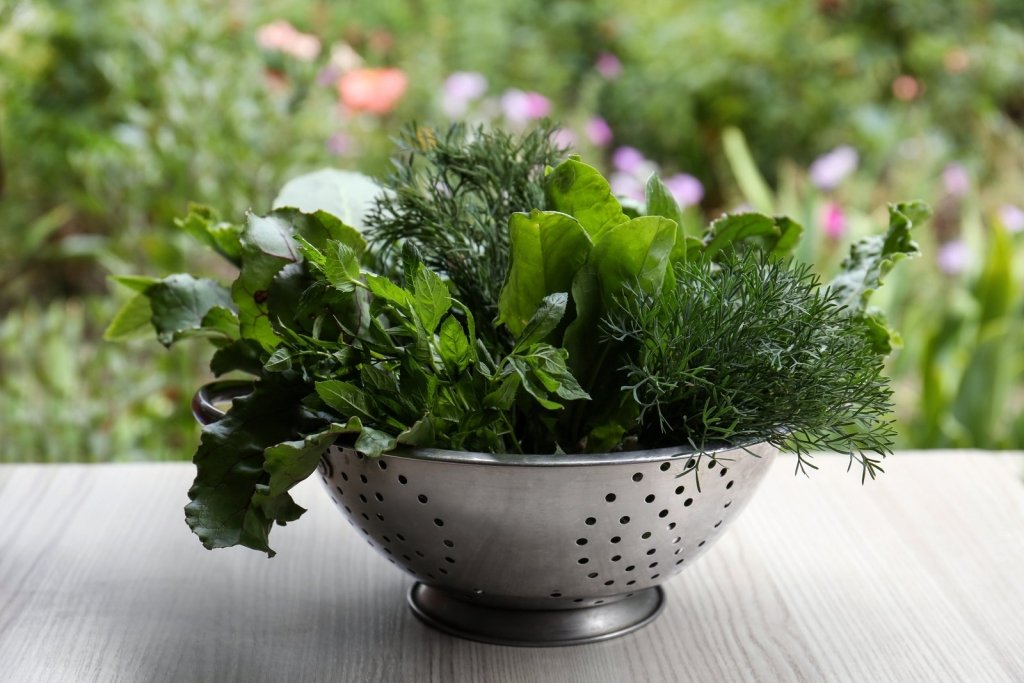

Beat the Grocery Bill: Ten Edibles That Earn Their Keep
|
The short version: The edibles that save the most at the checkout are usually the ones that cost a lot to buy, crop quickly and can be picked little and often. Think leafy greens, soft herbs, spring onions and cherry tomatoes. A single packet of seed can keep a kitchen supplied for weeks or months, often for about the price of one supermarket bunch. The real saving comes from growing what your household already eats, not simply growing as much as possible. |
It is easy to assume that growing your own food is a nice idea that never quite pays for itself. For a few well-chosen crops, though, the sums can tilt the other way. The best value usually comes from crops that are expensive to buy fresh, easy to grow at home and generous enough to keep picking from for weeks.
A useful way to think about it is this: the cheapest crop to grow is often the one you would otherwise keep buying. A bag of salad leaves, a punnet of cherry tomatoes or a bunch of herbs adds up quietly over a year. A packet of seed costs little and can keep giving, especially when you sow in small batches.
What makes a vegetable worth growing for value?
The most cost-effective crops tend to share three traits. They cost a lot to buy fresh, they are quick or easy to grow, and they keep producing rather than giving one single harvest. Leafy greens and herbs that you pick a little at a time usually beat crops that sit in the ground for months and give one pick.
It also helps to be honest about what you actually use. The best value of all is food that makes it to the plate, not food that gets forgotten, bolts to seed or ends up in the compost.

1. Loose-leaf lettuce and salad mixes
Bagged salad and lettuce can be among the most expensive items in the trolley for what you get, and they tend to wilt quickly. Loose-leaf and oak-leaf types let you pick the outer leaves as you need them, so one planting can keep going for weeks rather than being cut all at once.
Sow a small pinch of seed every couple of weeks instead of planting the whole packet in one go. In most temperate and warm temperate parts of Australia, lettuce is easiest in the cooler months and the milder parts of spring and autumn. In hot districts, give it morning sun, afternoon shade and steady moisture, or switch to tougher greens when summer arrives.
2. Silverbeet and rainbow chard
Few crops give as much for so little effort as silverbeet. It can keep cropping for months from one planting, especially if you harvest the outer stems and leave the centre to keep growing. Even a short row can replace a lot of bought greens.
Silverbeet copes with a wide range of Australian conditions and is forgiving for beginners, but it still needs regular water to stay tender. In hot or dry weather, mulch well and pick often. In warm, humid areas, grow it through the cooler part of the year for the best results.
3. Soft leafy herbs
Herbs are one of the clearest wins, because a small bunch at the shops often costs more than a packet of seed. Parsley, coriander, chives and basil can all be snipped as needed, and several will keep going for months with regular picking.
Match each herb to its season. Coriander is best treated as a cool-season crop in many Australian gardens because it bolts quickly once the weather warms. Sow small batches every few weeks rather than relying on one big planting. Basil is the opposite: it loves warmth and should go in after frost risk has passed. Mint is good value too, but it is usually easiest in its own pot so it does not take over the garden.

4. Spring onions
Spring onions are cheap to grow, useful in the kitchen and easy to fit into a pot. They are not instant from seed, but they are low fuss once growing and can be harvested young or left to bulk up.
You can also reshoot the white bases of shop-bought spring onions. Sit them in water for a few days to get roots moving, then plant them into potting mix or garden soil so they have enough nutrients to keep growing. A pot near the back door is often all you need for a steady supply.
5. Rocket and quick Asian greens
Rocket, mizuna, pak choy, tatsoi and other quick greens grow fast and are often expensive to buy fresh. Many can be picked within a few weeks, either as baby leaves or as small whole plants. Some also respond well to cut-and-come-again harvesting.
These greens are best in the milder parts of the year. Heat, dry soil and long days can make them run to seed quickly, especially rocket and coriander. In warmer zones, sow them through autumn, winter and early spring. In cool areas, they can often be grown across a longer window.
6. Cherry and smaller tomatoes
A healthy cherry tomato plant can keep a household in fruit through the warm months, which compares well with the cost of supermarket punnets. Smaller-fruited types are often more forgiving and more productive than large beefsteak tomatoes, especially for newer gardeners.
Give tomatoes sun, warmth, rich soil and a stake or cage. In cool and temperate districts, plant once frost risk has passed and the soil has warmed. In subtropical and tropical areas, tomatoes often perform better outside the hottest, wettest stretch of the year, when pests and disease pressure can be higher.

7. Chillies
One chilli plant can produce more than many households use fresh, and the surplus dries or freezes well. That makes chillies a strong value crop, especially if you usually buy them by the handful and only need a few at a time.
Chillies are happy in a pot in a warm, sunny spot. In frost-free areas, a healthy plant may carry on for more than one season. In cooler areas, grow them through the warm months and protect them from cold winds and frost.
8. Climbing beans and snow peas
Beans and snow peas are productive, pick-often crops that are usually much better fresh from the garden. They grow up a simple support, so they make good use of vertical space.
Peas and snow peas suit the cooler months. Beans are warm-season crops and should be planted once the weather has settled and frost risk has passed. Pick regularly, because leaving mature pods on the plant can slow new flowers and pods.

9. Zucchini and prolific summer crops
Zucchini is almost a byword for abundance. One or two plants can easily produce more than a family would usually buy. Cucumbers can do the same in the warm season.
Pick zucchini young and often for the best eating and to keep the plant producing. Give plants room, sun, rich soil and steady water. In humid areas, allow good airflow and watch for powdery mildew. In tropical and subtropical gardens, these crops often do best when timed away from the most humid part of summer.
10. Potatoes
Potatoes are not always the biggest dollar saver compared with leafy greens and herbs, but they are satisfying, filling and useful in the kitchen. They store better than many fresh crops, which makes a home patch worthwhile if you have the space.
Use seed potatoes grown for planting rather than supermarket potatoes, which may carry disease or be treated to slow sprouting. Plant them in a sunny spot with loose, well-drained soil, or try a large container if space is tight.
One practical note: due to quarantine restrictions and Happy Valley Seeds’ shipping policy, we cannot send seed potatoes or tubers to Western Australia, Tasmania or Kangaroo Island. Gardeners in those areas should buy seed potatoes locally.

How to get the most value from what you grow
A little planning turns a good harvest into a genuinely useful one. Pick little and often, sow leafy crops in small batches every couple of weeks, and lean on cut-and-come-again greens. These simple habits stretch a packet of seed a long way.
It also pays to grow what you would otherwise buy, and to have a plan for any surplus. Freeze beans and chillies, dry herbs, make sauce from tomatoes, or share extras over the back fence.
Some plant-once crops earn their keep over a longer season too. Garlic, for example, is planted in the cooler months and stored after harvest, so one planting can keep a kitchen going for a good while. If that appeals, our garlic growing guide walks through the timing and steps for Australian gardens.
Frequently asked questions
What is the most cost-effective vegetable to grow?
Leafy greens and soft herbs are usually the strongest value because they are expensive to buy fresh, quick to grow and picked a little at a time. Lettuce, silverbeet, rocket, parsley, coriander and spring onions can keep producing for weeks or months from a single packet of seed. The best choice is the one your household eats often.
Do you really save money growing your own vegetables?
You can, especially with high-value crops you would otherwise keep buying. Herbs, salad greens, cherry tomatoes, chillies and spring onions tend to give a clear return because they are useful in small amounts and can be harvested often. Crops you grow but do not eat are where the saving disappears.
What vegetables are cheapest and easiest for beginners?
Lettuce, silverbeet, rocket, spring onions, parsley and basil are good places to start. They suit pots as well as garden beds and do not need complicated care. Start with two or three crops your household already uses, then build from there.
Can I grow cost-effective vegetables in pots?
Yes. Herbs, salad greens, rocket, spring onions, chillies and cherry tomatoes all grow well in containers on a sunny balcony, courtyard or back step. Use quality potting mix, choose pots with drainage holes and water regularly, especially in hot or windy weather.
How do I avoid wasting what I grow?
Sow leafy crops in small, staggered batches instead of all at once. Pick regularly so plants keep producing, and choose crops you already cook with. For gluts, freeze chillies and beans, dry herbs, make tomato sauce or share extras while they are still fresh.
Are potatoes worth growing to save money?
Potatoes are not always the highest-value crop by dollars alone, but they are filling, useful and satisfying to harvest. They are best grown from seed potatoes sold for planting. Due to quarantine restrictions and Happy Valley Seeds’ shipping policy, we cannot send seed potatoes or tubers to Western Australia, Tasmania or Kangaroo Island, so gardeners there should buy seed potatoes locally.
Which herbs save the most money?
The herbs that save the most are the ones you buy most often. Parsley, coriander, chives, mint and basil are common high-value choices. Keep a pot or two near the kitchen so you actually use them.
When should I plant these in Australia?
Timing depends on your climate zone. Here is a rough guide by zone.
- Cool and alpine (Hobart and Tasmania, Canberra and the ACT, Ballarat and the Victorian central highlands, the NSW tablelands, the Snowy Mountains and the Victorian high country): sow lettuce, rocket, Asian greens, peas and coriander from early spring through autumn, and plant tomatoes, chillies, beans, basil, zucchini and cucumbers only after the last frost, usually in November.
- Temperate (Sydney and the NSW coast, Melbourne and coastal Victoria): cool-season crops do best from autumn to spring, and warm-season crops go in from October once frosts have passed, a little later in Melbourne.
- Mediterranean (Perth and the south-west of WA, Adelaide and the SA coast): much the same, with lettuce, rocket, peas and coriander from autumn to spring and warm-season crops from October. Give summer greens afternoon shade and steady water.
- Arid and semi-arid (Alice Springs, Broken Hill, Mildura, Kalgoorlie and the inland of NSW, Queensland, SA and WA): grow leafy greens and peas in the cooler months, and plant warm-season crops in early spring or late summer so they miss the peak heat.
- Subtropical (Brisbane and south-east Queensland, the Gold and Sunshine Coasts, coastal northern NSW): leafy greens, coriander and peas from autumn to early spring; tomatoes, beans and chillies are easier from autumn through spring than in the wet summer.
- Tropical (Darwin and the Top End, Cairns and far north Queensland, the Kimberley): most of these crops do best in the dry season, from about April to September, and heat-tolerant Asian greens can be sown year round with some shade.
These are broad groupings, so let your local frost dates have the final say.
None of this is about turning the backyard into a farm. A few pots of herbs and a short row of greens, chosen because you will actually eat them, can quietly take the edge off the weekly shop. Start with two or three crops that suit your kitchen and your climate, then let the patch grow from there.
If you do not have much room, our guide to small-space and balcony edible gardens shows how to make the most of a sunny corner.
Related growing guides
- Starting Your First Edible Garden in Australia
- Small-Space and Balcony Edible Gardens in Australia
- Growing a bush food garden in Australia: native edibles for home
Ready to plant? Browse our Vegetable Seeds.