

The short version: In a cool and alpine garden, summer crops have a window of roughly November to early April, less at altitude, between the last spring frost and the first autumn one. Count the weeks you have, then choose quick varieties that fit inside them: bush beans rather than climbers, early bush tomatoes, fast zucchini and early potatoes. Raise tomatoes, capsicum and eggplant under cover, warm the soil before planting out, keep frost cloth handy through November, and finish sowing each crop by its cut-off date.
A warm week in October is hard to resist. The windowsill seedlings look ready, then a clear, still night arrives and the leaves are black by breakfast. In Tasmania, Canberra in the ACT, Ballarat in Victoria, Orange and Armidale in New South Wales and Stanthorpe in Queensland, spring frost hangs on late and autumn frost returns early, so summer crops run on a tight clock.
That does not mean settling for a thin crop. It means knowing how many weeks you have and spending them well.
Count your frost-free weeks first
Your usable season is the gap between the average last frost in spring and the average first frost in autumn. Find both dates, count the weeks between them, and treat the first fortnight as risky, because a late frost can still turn up after the usual date.
The Bureau of Meteorology's monthly frost potential maps show how many nights each month typically fall below 2°C, 0°C and colder where you live. Its averages for Canberra Airport put the October mean minimum at 6.2°C, which is an average: plenty of October nights go colder. The October mean minimum is 5.4°C at Launceston Airport and 7.8°C in Hobart. Across the zone, frost is possible from about April to October, and in alpine areas and higher inland Tasmania it can come at any time of year.
Local custom agrees. Gardening Australia's Tino Carnevale notes that Tasmanians traditionally hold tomatoes back until after Show Day in late October, and many Canberra and tablelands gardeners wait for Melbourne Cup weekend. That leaves many gardens here something like 20 frost-free weeks, fewer in a frost hollow or at altitude.
Choose crops and varieties that fit the window
Match days to maturity against your frost-free weeks, and leave a margin for a slow start. Some tomato figures are counted from planting out rather than sowing. Compare those with your frost-free weeks as they stand, because the four to eight weeks a tomato spends in its pot come before planting out.
- Tomatoes: early, compact bush types suit a short season best. Siberian is a cool-tolerant bush tomato listed at 55 days, and Cressy Charm is a 50 cm bush cherry listed at 56 to 70 days for short, cold seasons. Big beefsteaks and long-season heirlooms are the gamble.
- Beans: choose bush beans over climbers. Provider germinates in cool soil and matures in 52 to 55 days, and Royal Burgundy suits cooler soils at 50 to 60 days.
- Zucchini and summer squash: Golden zucchini is listed at 55 days and Early White Bush patty pan at 47.
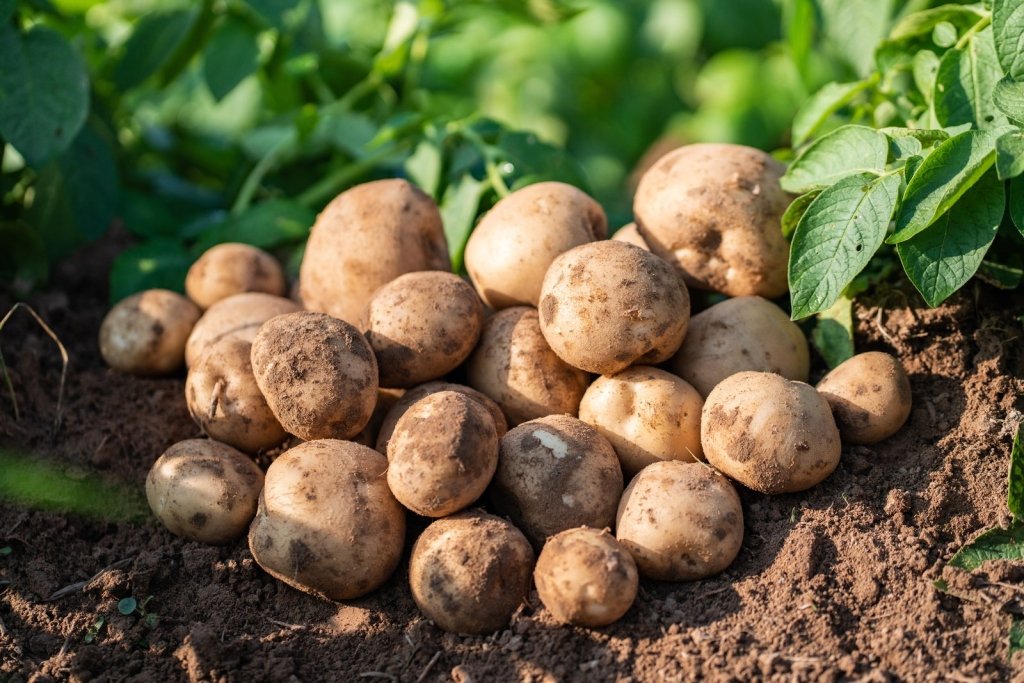
- Potatoes: early types finish before autumn frost. Imperial Blue is harvested in about 80 to 100 days (we cannot send seed potatoes to Western Australia, Tasmania or Kangaroo Island).
- Marginal crops: capsicum, chilli, eggplant, rockmelon and watermelon need a head start indoors and your warmest bed, and even then late fruit may not colour up. Pumpkins take about 12 to 20 weeks depending on type, so choose a quicker one and plant it out as soon as frost allows.

Start early under cover
Raising seedlings indoors moves the season forward by several weeks without risking a frost. Tomato, capsicum, chilli and eggplant seed want warm mix, and a seedling heat mat on a thermostat warms the tray from below. Our capsicum grow guide has Canberra growers starting seed under cover from mid-August for planting out in November, and Peter Cundall's cool-climate calendar for Tasmania sows tomatoes, pumpkin and zucchini under glass in September.
- Sow tomatoes about four to eight weeks before your planting-out date, and capsicum and chilli earlier again, since they are slower to germinate.
- Take trays off the heat mat once most seedlings are up, and give them the brightest light you have.
- Harden them off over one to two weeks, bringing them in again if frost is forecast. Our guide to hardening off seedlings sets out a day-by-day routine.
Keep a spare seedling or two of each crop in case a late frost takes the first planting.
Warm the soil and shelter the plant
Cold soil stalls warm-season crops even when the air feels mild. Plant tomatoes out once the soil holds at least 16°C and frost has passed, as our lesson on planting by soil temperature explains. A few measures help the bed get there sooner:
- Pull the mulch back for a couple of weeks before planting, because bare soil warms faster, then return it once plants are growing.
- Lay black plastic to catch the sun's heat, and plant through slits cut in it. Tino Carnevale uses this for early tomatoes in his Tasmanian garden.
- Put up a windbreak. His version is three stakes in a triangle wrapped in hessian around each plant, taken down once the weather settles.
- Use cloches. The Canberra Organic Growers Society suggests plastic bottles with the bottoms cut off over single seedlings, and row covers for larger plantings. Leave the bottle caps off so air can move.
- Borrow a warm wall. A brick or stone wall that catches the sun releases heat overnight, so give the tenderest crops that spot.

When frost arrives after planting out
Keep frost cloth or old sheets within reach until at least late November. Gardening Australia's Sophie Thomson covers tender plants when a clear, still night is forecast to drop below about 5°C, and an upturned pot is enough for a single seedling. Hold covers off the leaves on stakes or hoops, bring them down to the soil, and lift them in the morning. For potatoes, draw soil or straw right over young shoots before a cold night.
If frost gets through, the leaves blacken and turn mushy. Leave damaged growth in place until the risk of frost has passed, then trim it back. A seedling that has collapsed to the stem is best replaced from your spares. Potatoes are more forgiving: Iowa State University Extension notes that even badly frosted plants reshoot within 10 to 14 days from the tuber below, so there is no need to replant.
The last sowing dates before autumn frost
Late sowings have to ripen before frost returns from about April. These are the cool and alpine windows our grow guides list:
| Crop | Sow or plant | Last call |
|---|---|---|
| Capsicum, chilli, eggplant | September to October, under cover | October |
| Rockmelon, watermelon | October to November, under cover first | November |
| Tomato, cucumber, sweet corn | October to December | December |
| Pumpkin | October to December | Early December, quicker types |
| Potato | After the last frost, from about Melbourne Cup weekend to December | December, early types |
| Bush beans | November to January | January |
| Zucchini, summer squash, basil | October to January | January |
Near the end of a window, pick the quickest variety you have. Other zones run on very different timing, so check our sowing guide for your own zone.
Tasmania: what we can and cannot send
Under our quarantine policy, Happy Valley Seeds does not send seed potatoes, sweet potato tubers, pea seed or sweet corn seed to Tasmania, and some tomato lines are restricted too. Restricted lines are labelled "NOT to TAS" on the product page, so check the label before you order. The tomato, bean, zucchini and squash seed named above carry no Tasmanian restriction, but the product page label is the final word. Tasmanian gardeners can buy seed potatoes from local nurseries and garden centres, and every method in this article applies.
Frequently asked questions
When is it safe to plant tomatoes in Canberra or Hobart?
In Hobart, usually from late October, after Show Day; in Canberra, from early November, once the soil holds at least 16°C. Frost hollows and higher gardens may need to wait longer.
Are bush beans better than climbing beans in a cold climate?
In a short season, usually yes. Bush beans such as Provider and Royal Burgundy mature in about 50 to 60 days, so they crop well before autumn frost.
Is it too late to sow zucchini in December?
No. Our grow guides list zucchini and summer squash for cool gardens through to January. Choose a quick type such as Golden, at 55 days.
Can I grow capsicum and eggplant in Tasmania?
Yes, with a head start. Sow them under cover in September or October, plant out after the last frost, and give them your warmest, most sheltered bed.
A short season rewards a little planning: count your weeks, start the slow crops indoors, and let the quick ones fill the gaps.
Related growing guides
- Beating the cold: frost protection and stretching your growing season
- The benefits of using a seedling heat mat
- Planting out seedlings without the setback
- Determinate or indeterminate tomatoes: which to grow
Ready to plan a short season? Browse our bean seeds and zucchini seeds.