
The short version: A garden can look after itself for a week or two in summer if you set it up to. In the fortnight before you go, set up and test a tap timer on a drip line, hold off on sowing and transplanting, and harvest anything close to ready. The day before, soak every bed deeply, top the mulch up to 5 to 8 cm, move pots into shade and group them, rig shade cloth over the most tender beds, and net fruit fly hosts. Give a neighbour the harvest in return for a look every few days. Expect some bolted lettuce and oversized zucchini when you get home, and plan a re-sow.
Summer holidays fall at the exact moment the garden is growing hardest and drinking most. The good news is that plants are built to cope with a dry spell; what they cannot cope with is a dry spell, full sun, no mulch and a pot that holds three litres. Everything below is about taking those stresses away before you close the gate.

One to two weeks before you go
- Set up and test a tap timer. A battery timer on a dripper line is one of the most effective things you can do for beds and pots. Fit new batteries, program it to run before the heat of the day, and run it for at least a week beforehand so you can see that it opens, closes and waters enough. Drip lines put water at the roots, not the leaves, and use a fraction of what a sprinkler does.
- Check your local watering rules. A mis-programmed timer can breach them, and fines can apply. In Sydney, drinking-water sprinklers and systems run only before 10 am and after 4 pm, though drip systems are allowed through the day. Victoria's permanent rules, which cover Melbourne, limit watering systems, drip lines included, to 6 pm to 10 am. Perth and Mandurah have rostered watering days, with sprinklers run once, before 9 am or after 6 pm, and a sprinkler switch-off from 1 June to 31 August. In South East Queensland, Seqwater's standing advice is to water before 8 am or after 4 pm. Canberra's permanent measures limit sprinklers and drip systems to before 9 am or after 6 pm from September to May. Everywhere else, including Adelaide, check your water utility's current advice before you set a timer. These hours were current in September 2026 and can change with dam levels, so confirm with your own water provider before you set the clock.
- Stop sowing and transplanting. Seedlings and fresh transplants need daily care. Anything sown in the last fortnight before a trip is a gamble, and punnets are best handed to a friend or stood in a shaded tray with a centimetre of water for a few days at most.
- Treat water-repellent soil. If water beads and runs off a sandy or peaty bed, a soil wetting agent used as the label directs gets the pre-holiday soak into the root zone rather than off the edge.
- Buy the shade cloth now, not the day before.
The day before: water deep and mulch thick
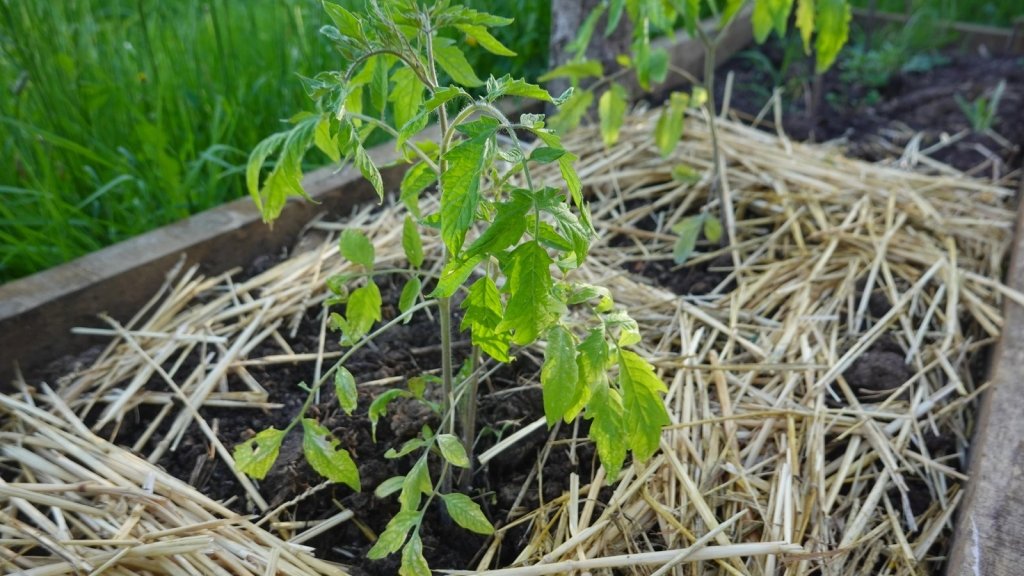
Water every bed slowly, in the evening or early morning, until the soil is moist at least 15 cm down; check with a trowel. Then top up the mulch. Chunky organic mulch such as pea straw, lucerne, sugarcane or bark at 5 to 8 cm deep, and up to 10 cm on open beds, cuts evaporation by roughly half to two thirds, keeps the soil cool and holds weeds down while you are away. Keep it a few centimetres clear of stems. Avoid fine, powdery mulches, which can wick moisture out of the soil rather than hold it in, and skip gravel and pebbles on vegetable beds, because they store heat. A weak seaweed solution at the same time may help plants cope with stress, but wind down nitrogen feeds, which push soft growth that wilts first. Mulch, compost and potting mix can carry the potting-mix bacterium Legionella longbeachae, so wet them down, wear a mask and gloves, and wash your hands.

Pots: shade, group, mulch and wick
Pots are the casualties of most holidays. A small pot in full sun can need water daily, and twice daily in a heatwave, so change its situation rather than hope.
- Move them into shade under a tree, a verandah or a wall that stays shaded through the hot afternoon, out of the wind, and group them so they shade each other and hold humidity between them.
- Mulch the surface of every pot, which stretches the time between waterings noticeably.
- Use a wick or a bottle. A length of cotton rope run from a lidded bucket of water sitting above the pots (feed the ropes through holes in the lid), with the end pushed 5 cm into the mix beside each plant, will carry a pot for up to about two weeks. An upturned plastic bottle with a pin-holed lid, or a bought drip spike, keeps a single pot going for a few days to a week, depending on the size of the bottle and the pot. Test either a week early.
- Self-watering pots and wicking beds are the long-term answer for anyone who travels. A wicking bed with a reservoir of 20 to 30 cm, depending on the design, may only need a weekly top-up in summer. Cover the fill pipe and overflow with fly mesh so mosquitoes cannot breed in it.
- Saucers are for short trips. A full saucer helps a pot through a heatwave or a long weekend, but standing water for two or three weeks waterlogs roots and breeds mosquitoes; health authorities say to empty standing water at least weekly. For anything longer, use a wick, a self-watering pot or the timer.
- Unglazed terracotta dries out fast. Slip the plant into a plastic pot inside the terracotta one, or move those pots into the deepest shade.


Shade the beds
Even sun-loving crops will do better under temporary shade while nobody is watering. Shade cloth of 30 to 50 per cent over fruiting vegetables and 50 to 60 per cent over lettuce, spinach and silverbeet, pegged to hoops of poly pipe pushed over stakes, slows growth a little and cuts water loss a lot. A beach umbrella, staked and tied down against summer storms, over a single precious bed is better than nothing. Water the soil, not the leaves, and do it before sunrise or the night before.

Harvest before you leave
Pick everything that is ripe or nearly ripe, and then pick a little more. Zucchini, cucumbers and beans slow down or stop setting new fruit once an oversized fruit is left to mature on the plant, so pick zucchini at 12 to 20 cm and beans every couple of days before you go, then cut off anything oversized as soon as you are home to get them going again. Pick full-sized tomatoes that are pale green or just colouring, and ripen them indoors on the bench; small, hard green ones will not ripen well. Take a good pick of leafy greens: the outer leaves of silverbeet, kale and loose-leaf lettuce, leaving the centre to grow a second flush. Give the surplus to whoever is watching the house. Clearing ripe and ripening fruit before a long trip also removes what fruit fly and rats are looking for.

Pests, weeds and stakes
Weed thoroughly, because a fortnight of neglect turns tiny weed seedlings into a carpet. Stake tomatoes and tie in climbers now, even a little early, since wind and a heavy fruit load do their damage while you are gone. Where fruit fly is active, net its hosts, tomatoes and capsicums included, with insect-exclusion mesh of 2 mm or finer held on hoops so it does not touch the fruit. Mesh that fine stops fruit fly and easily meets Victoria's wildlife rule that household fruit and vegetable netting be no coarser than 5 mm by 5 mm at full stretch. Do not spray edibles with pesticides before you go: a neighbour picking while you are away will not know the withholding period on the label, and you cannot check the crop or reapply. Beer traps for slugs and a check under pots are fair game.
Recruit help, and make it easy
A neighbour, friend or relative who drops by every two or three days is worth more than any gadget. Leave a written list: which pots, how much, where the hose is, which beds the timer already covers, and what they are welcome to pick. Offer the harvest as payment. If nobody is available, a paid house sitter or garden service can often do the watering.
If you live in a bushfire area
Across southern and eastern Australia, summer holidays fall in the bushfire season (in the tropical north the fire season is the dry winter and spring). Fire authorities advise keeping flammable mulch away from the walls, decks and windows of the house, keeping grass short and clearing leaf litter and gutters before you leave. Straw and bark on vegetable beds are a lower risk well away from the house; close to it, they are fuel. Your state fire authority publishes the distances that apply to you.
Indoor plants
Water them well, let them drain, then stand them together on an old towel in the bath or laundry tub, plug in, with a centimetre or two of water under the towel so it stays wet, out of direct sun. Keep succulents out of it. Most house plants are fine for three to five days untouched and about a week with the towel trick, provided the room does not become an oven.
What to expect when you get home
Lettuce, coriander and rocket will probably have bolted in the heat, which is a signal to pull them and re-sow in the shade of taller crops or under cloth. Zucchini will be marrows; cut them off so the plant starts again. Powdery mildew may have found the pumpkins. Water everything deeply on the first evening, check the timer actually ran, and feed once the temperature drops below about 30°C. Our guide to why coriander bolts explains the leafy casualties.
Holiday planning across Australia's climate zones
- Tropical (Cairns and far north Queensland, Darwin and the Top End of the Northern Territory, the Kimberley in Western Australia): a summer holiday falls in the wet, so the risks are storms, waterlogged pots and fungal disease rather than drought. Raise pots off the ground and stake hard.
- Subtropical (Brisbane and coastal Queensland, Coffs Harbour and northern New South Wales): storms and heat together. Shade, mulch and drainage all matter, and fruit fly netting is essential on tomatoes.
- Arid and semi-arid (inland Queensland, Broken Hill and Dubbo in New South Wales, Mildura in Victoria, inland South Australia and Western Australia, Alice Springs in the Northern Territory): the hardest case. Timer plus drip plus 50 to 60 per cent shade cloth over everything edible, and accept that lettuce rarely survives a January fortnight.
- Temperate (Sydney and the NSW coast, Melbourne and coastal Victoria): a January fortnight can easily include a heatwave. Shade the pots, mulch thick and program the timer inside the local watering hours.
- Mediterranean (Perth and southern Western Australia, Adelaide and the Adelaide Plains in South Australia): no reliable summer rain to fall back on, and in Perth, sandy soils that dry out in a day. A wetting agent, a timer set to your local watering rules (rostered days in Perth) and thick mulch all matter here.
- Cool and alpine (Hobart and Tasmania, Canberra and the ACT, Ballarat in Victoria, Orange and Armidale on the New South Wales tablelands, and the alpine country of the Snowy Mountains and the Victorian high country): the kindest zone, though a hot week still happens. Mulch and shade the pots and the beds will mostly look after themselves.
These are broad groupings. A coastal breeze or a hot, sheltered inland valley changes the picture, so lean on your own experience of past summers.
Frequently asked questions
How long can a vegetable garden go without water in summer?
Mulched, deeply watered beds in loam can cope with a week in mild weather; pots and sandy beds cannot. Beyond a week, or in a heatwave, use a timer, wicks or a helper.
Can I leave pots standing in saucers of water?
For a long weekend or a heatwave, yes. For two or three weeks, no: roots drown and mosquitoes breed. Use a wick, a self-watering pot or a timer instead.
Should I spray for pests before I go?
Not on edibles. Anyone picking while you are away will not know the label's withholding period, and you cannot check the crop or reapply. Net, trap and tidy instead.
What should I plant before a holiday?
Ideally nothing, because new sowings need checking every day or two. Leave beans and salad sowings until you are home: bean seed can rot before it comes up if a timer keeps the soil too wet.
Set the garden up to fend for itself and you are far more likely to come home to a harvest than a rescue. Sustainable Gardening Australia's guide to protecting plants in hot weather is worth reading before the first heatwave of the season.
Related growing guides
- Watering pots in an Australian summer without losing the crop
- Water-wise gardening: getting more from every drop in a dry climate
- Stop watering a little every day: how to water vegetables so the roots go down
Home again and ready to re-sow? Browse our lettuce seeds, coriander seeds and the full range of vegetable seeds.