
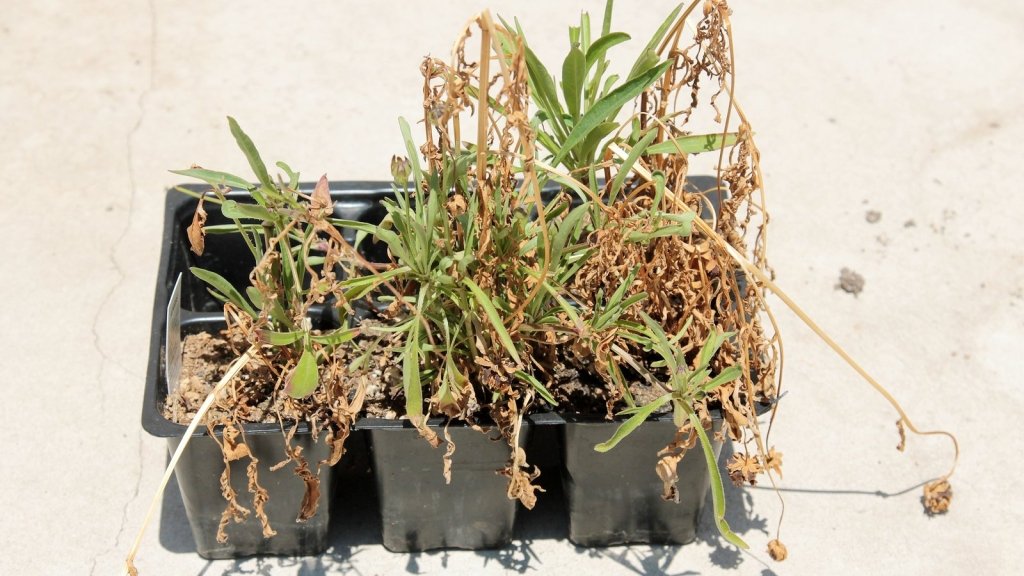
The short version: Most disappointing vegetable gardens share the same dozen mistakes: too much bed too soon, sowing out of season, seed buried too deep, plants left crowded, seedlings planted out without hardening off, a little water every day instead of a deep drink, a shady spot, unimproved soil with no mulch, too much fertiliser, weeds and pests left to settle in, a whole packet sown at once, and a harvest picked late and never written down. None of them is hard to fix, and in our experience the first three cause more failures than all the pests put together.
Gardening mistakes are cheap, which is one of the pleasures of the hobby, but they are also repetitive. The same twelve turn up in almost every question we are asked, and most of them are made in the first fortnight of a bed's life. Here they are, with the fix for each.

1. Starting too big
Enthusiasm in spring builds beds that cannot be watered, weeded and picked by February. A vegetable garden is a daily commitment in summer, and a 2 by 3 metre bed that is looked after will feed a household better than four beds that are not. Start with one or two beds, grow the things you actually eat, and add space once the routine is comfortable. Twenty tomato plants is not a plan; two or three is.
2. Sowing out of season
The calendar on the packet is the most ignored advice in gardening. Heat-loving crops such as tomato, capsicum, cucumber, beans and melon sulk, rot or die if planted out while nights are still below about 12 degrees, and their seed will not germinate in cold soil no matter how sunny the afternoon. Cool-season crops such as lettuce, coriander, peas and brassicas bolt or fail if they hit summer heat at the wrong stage. Use the sowing guide for your climate zone, not the weather on the day you feel like planting, and check the soil temperature rather than the air. Our guide to the kitchen thermometer test shows how.
3. Sowing too deep
A seed carries just enough energy to reach the light from a depth of roughly twice its own thickness. Carrot, lettuce and most herb seed wants no more than a light dusting of fine mix; beans and peas can take a few centimetres. Bury small seed under a spadeful and it germinates and dies in the dark, and the gardener blames the seed. Our guide to how deep seeds really want to go gives the numbers.

4. Crowding, and never thinning
Seed is sown thickly, everything comes up, and nobody has the heart to pull any of it out. The result is a bed of small, stressed plants competing for light and water, poor airflow that breeds mildew, and early bolting. Thin to the packet spacing while the seedlings are small, eat the thinnings, and resist adding "just a few more" plants to a bed that is already full. Tomatoes, corn, capsicum, brassicas, potatoes and eggplant all need more room than they appear to when planted.
5. Skipping hardening off
Seedlings raised indoors, in a greenhouse or on a nursery bench are soft. Planted straight into full sun and wind they scorch, wilt and sometimes die within days. Give them about a week of graduated exposure, a few hours of filtered sun at first and a little more each day, before they go into the bed. Our guide to hardening off seedlings has the schedule.
6. Watering a little every day
A light daily sprinkle wets the top centimetre, evaporates by lunchtime and trains roots to stay near the surface, where they dry out the moment you miss a day. Water deeply and less often, so the moisture reaches well down into the root zone, around 30 cm for deep-rooted fruiting crops, and roots follow it. Check before you water by scratching back the surface crust and feeling the soil about 5 cm down: if it is moist, wait. Water in the early morning where you can, at the base of the plant rather than over the leaves, and expect established crops to need a deep soak every few days in summer rather than a daily splash. Overwatering is just as real: yellow leaves, mildew and split fruit in a bed that never dries out. Our guide to deep watering explains the method.

7. Planting in the shade
Most vegetables want at least six hours of direct sun. Lettuce, spinach, parsley and other leafy crops tolerate less, but fruiting crops in a shady corner grow long, leafy and fruitless. Watch where the sun actually falls through the day before you build the bed, and remember that a fence or a deciduous tree that casts no shade in December may shade the bed all winter.
8. Skipping the soil, and the mulch
Vegetables are hungry and thirsty, and a bed of unimproved soil cannot keep up. Work several centimetres of compost, well-rotted manure or shredded leaves through the top of the bed before planting, when the soil is moist but not wet. Let manure rot down fully before it goes anywhere near food crops, because fresh manure can carry bacteria onto vegetables that are eaten raw, and wash home-grown produce well. Then cover the surface with a mulch such as pea straw, lucerne or sugarcane. Bare soil loses water, bakes in the sun, crusts over and grows weeds; mulched soil does none of those things.
9. Over-fertilising
It is far more common to feed too much than too little. Excess nitrogen gives lush, soft leaves at the expense of flowers and fruit, attracts aphids and other sap suckers to that soft growth, and can scorch roots when it comes from fresh manure or an over-strong liquid feed. Feed at the rate on the label, favour compost, pelletised manure, fish emulsion and seaweed over strong synthetic feeds, and many growers ease off feeding root crops and onions once the roots or bulbs begin to swell.
10. Letting weeds and pests settle in
Weeds compete for water, light and nutrients, and once they set seed they are a problem for years. Mulch stops most of them, and a sharp hoe on a dry morning deals with the rest while they are small. Pests follow the same rule: a weekly look under the leaves catches aphids, caterpillar eggs and whitefly while a squirt of water or a pinch of the fingers still works. Flowers among the vegetables bring in the predatory insects that do the rest of the job.

11. Sowing the whole packet at once
A packet of lettuce sown on one Saturday gives forty lettuces in the same week and none for the next two months. Sow a short row every few weeks instead: as a rough guide, coriander every two weeks, rocket, lettuce and radish every two to three, and beans and corn about every month through their season. Our guide to succession planting turns this into a calendar.
12. Picking late, and writing nothing down
Zucchini turn into marrows in three days, beans and peas go tough once the pods fill out, and lettuce bolts and turns bitter as soon as the weather warms. Pick young and pick often; most crops produce more when they are harvested regularly. Then write down what you sowed, where, when, and how it went. A label in the row and three lines in a notebook are the difference between repeating a success and repeating a mistake, and they make crop rotation possible next year.
The season mistake, zone by zone
- Tropical (Cairns and far north Queensland, Darwin and the Top End of the Northern Territory, the Kimberley in Western Australia): the classic error is sowing temperate crops in the wet season. Grow lettuce, tomatoes and brassicas in the dry, roughly May to September, and tropical crops in the wet.
- Subtropical (Brisbane and coastal Queensland, Coffs Harbour and northern New South Wales): sowing cool-season crops in February, before the heat and the caterpillars ease, and planting tomatoes in July before the last cold snap.
- Arid and semi-arid (inland Queensland, Broken Hill and Dubbo in New South Wales, Mildura in Victoria, inland South Australia and Western Australia, Alice Springs in the Northern Territory): underestimating both the frosts and the summer extremes. Spring and autumn are the growing seasons; midsummer is for shade cloth and survival.
- Temperate (Sydney and New South Wales, Melbourne and Victoria): planting tomatoes on the first warm weekend of September. Wait for settled nights above 10 to 12 degrees, later in Melbourne than Sydney.
- Mediterranean (Perth and southern Western Australia, Adelaide and the Adelaide Plains in South Australia): forgetting that the dry summer needs daily attention to water and mulch, and that sandy soil needs far more compost than it looks like.
- Cool and alpine (Hobart and Tasmania, Canberra and the ACT, Ballarat in Victoria, Orange and Armidale on the New South Wales tablelands, and the alpine country of the Snowy Mountains and the Victorian high country): choosing long-season varieties that cannot ripen before autumn. Early varieties, raised under cover, are the rule.
A local sowing guide and a garden diary fix the season mistake for good.
Frequently asked questions
What is the single most common mistake?
Planting at the wrong time for the climate zone. It explains more failed seed, dead seedlings and bolted crops than any pest or disease.
How do I know if I am overwatering?
Soil that is still wet 5 cm down the day after watering, yellowing lower leaves, mildew, and fruit that splits. Water deeply, then wait until the soil dries at that depth.
Is it worth buying seedlings instead of seed to avoid mistakes?
For a first bed, a few seedlings of tomato or capsicum save time. For lettuce, beans, peas, radish, carrot and most herbs, seed is cheaper, offers far more varieties, and avoids transplant setbacks.
Can I fix a garden that has gone wrong mid-season?
Usually. Thin, mulch, water deeply, pull the bolted plants and resow a short row. Vegetables are forgiving as long as the season has not run out.
Avoid these twelve and the garden mostly looks after itself. Sustainable Gardening Australia's notes on feeding plants are a good antidote to the most expensive mistake of all, the over-fed garden.
Related growing guides
- Starting Your First Edible Garden in Australia
- A week of half days: hardening off seedlings before planting out
- How to water vegetables so the roots go deep
Start small and start with seed: browse our vegetable seeds, herb seeds and heirloom seeds.