
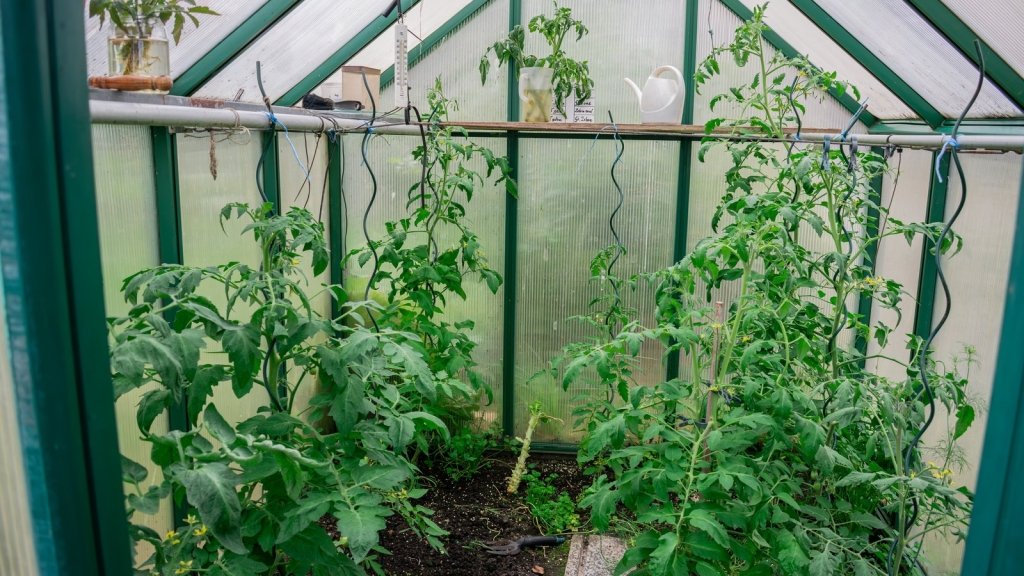
The short version: A greenhouse, hothouse or polytunnel only helps if you manage it, and in an Australian summer an unmanaged one cooks plants faster than the open garden. The ten mistakes that undo the benefit are overheating, too little ventilation, overwatering, letting the air stay humid and still, ignoring pests until they are a plague, never cleaning it, overcrowding and blocking light, skipping hardening off, siting it badly or using it in the wrong season for your climate, and misusing heat mats. Each has a cheap fix: a thermometer, vents and shade cloth, morning watering, a fan, sticky traps, an annual scrub, a plan for mature plant sizes, a week or two of hardening off, a sunny level site, and a thermostat with its probe in the soil.
Most home greenhouses in Australia are small: a polycarbonate kit, a mini plastic house on a balcony, or a polytunnel over a bed. They are wonderful for raising seedlings early, overwintering tender plants in cool zones and keeping rain off tomatoes. They are also a sealed box that the sun heats all day. Every mistake below is really a version of the same one: forgetting that the greenhouse has to be run, not just filled.

1. Letting it overheat
This is the Australian mistake. Even a mild spring day can push a closed greenhouse well past the point where fruiting crops give up. Tomato fruit set falls away once days pass about 30 to 32 degrees and nights stay above about 21, and the pollen itself fails in sustained heat. Capsicums drop their flowers in the same sustained heat. Seedlings simply wilt and die. The fixes are all simple:
- Hang a maximum-minimum thermometer at plant height and read it. The first summer reading is often a shock.
- Open doors and vents early in the morning, before the heat builds, not once it has.
- Fit an automatic vent opener. A wax cylinder expands with warmth and pushes the vent open, with no power needed; most let you set the opening temperature, so check the range on the box, and still open up by hand on hot mornings because the wax is slow to react.
- Shade it from late spring to autumn. Shade cloth of 30 to 50 per cent suits fruiting crops and 50 to 60 per cent suits leafy ones in the hottest regions, and white or aluminised cloth reflects heat where black absorbs it.
- Wet the floor on hot, dry days. The evaporation cools the air.

2. Not enough ventilation
Ventilation does more than cool. Moving air dries leaves, discourages fungal disease and shifts pollen so that tomatoes and capsicums set fruit. A rough rule from greenhouse engineers is that roof vents should equal about 15 to 20 per cent of the floor area, with a similar area of low vents or door to let cool air in, and small structures need proportionally more. If the site is sheltered or the vents are in the wrong place, a small fan on a timer is one of the cheapest upgrades you can make.

3. Overwatering and wet leaves
Pots in a greenhouse dry out faster than pots outside, so people overwater, and the wet, warm mix breeds fungus gnats and root rot. Check pots with a finger and water when the mix is dry a few centimetres down; seedling trays and punnets hold little water, so water those as soon as the surface starts to dry. Water in the morning so that leaves and the surface are dry by evening, keep water off foliage, and raise seedlings on mains water or from a clean, covered tank rather than an open barrel, which can carry the organisms that cause damping off.
4. Letting the air stay humid and still
Grey mould, powdery mildew and damping off all thrive in the humid, stagnant air of a closed greenhouse, and the conditions that favour one tend to favour the others. Commercial growers try to keep humidity under about 85 per cent and to stop leaves staying wet overnight. At home that means vents open on warm days, a fan, plants spaced so air moves between them, dead leaves and finished plants removed promptly, and no misting in the evening. Our guide to powdery mildew and other vegetable troubles covers the diseases themselves.
5. Ignoring pests until they are a plague
The walls that keep some pests out also keep predators out, and greenhouse pests breed fast in the warmth. Whitefly completes a generation in about three weeks at 21 degrees and a single female lays over 200 eggs. Two-spotted mite takes under two weeks at the same temperature and loves a hot, dry, crowded house. Aphids give birth to live young on shoot tips. The routine that beats them is boring and effective: yellow sticky traps hung among the plants to show you what is arriving, a look under the leaves every few days, a fortnight's quarantine for any new plant before it joins the others, and, for mites, a firm morning spray of water under the leaves so they dry by evening. Biological controls such as the whitefly parasitoid Encarsia formosa and the predatory mite Phytoseiulus persimilis are sold in Australia for greenhouse use. Take sticky traps down while you release them, because the traps catch beneficial insects too. Our guides to whitefly and spider mites go deeper.

6. Never cleaning it
Algae on the glazing steals light, and old mix, dead leaves and last season's pots carry disease into this season. Give the greenhouse a full clean at least once a year, ideally when it is emptiest: plants out, benches and floor swept, glazing washed inside and out with warm water, gutters cleared, tools wiped. Warm water is enough for the routine clean. After a disease outbreak, scrub off all old mix, then soak pots and trays for 30 minutes in a freshly made mix of one part household bleach to nine parts water and rinse them, working outdoors with gloves and eye protection, never mixing bleach with other cleaners and keeping it off aluminium frames and rubber seals. Start each batch of seedlings in new or disinfected trays and fresh mix.
7. Overcrowding and blocking the light
Plants grow. Plan for the mature size, not the size on planting day, and train cucumbers and tomatoes up strings and trellis so they grow up rather than out. Crowded plants shade each other, trap humid air and are impossible to inspect for pests. Remember too that twin-wall polycarbonate lets through noticeably less light than glass, about 83 per cent against 90, though it diffuses it and avoids hot spots.
8. Skipping hardening off
A seedling raised in still, warm, shaded air will scorch, snap or sulk if it is planted straight into wind and full sun. Harden plants off over 7 to 14 days: a sheltered spot outside for a few hours, longer each day, back inside at night at first. Hardy crops such as lettuce and brassicas need the least time, and tender crops such as tomatoes, capsicums, cucumbers and pumpkins the most. Wait until nights are reliably above about 10 to 15 degrees before warm-season crops go out for good. Our guide to hardening off has the day-by-day plan.
9. The wrong greenhouse for your climate, in the wrong place
In the southern hemisphere the sun is in the north, so site the greenhouse on a level, well-drained spot with open sky to the north and no trees or buildings shading it in winter, and consider the prevailing wind for a roof-vented design. Then be honest about what it is for. In cool and temperate zones a greenhouse extends the season at both ends and is at its best from autumn to spring. In the subtropics and tropics a closed greenhouse in summer mostly adds heat that fruiting crops do not want; there, use it for seed raising in the cooler months and swap the cover for shade cloth or insect mesh through the hot season. Lightweight kit greenhouses and mini plastic houses also act as sails, so anchor them to the ground, site them out of the wind and take the cover off ahead of a storm.

10. Misusing heat mats and thermostats
Bottom heat is for germination, not for growing on. Most vegetable seed germinates best with the soil at about 21 to 24 degrees, warmer for capsicum and cucurbits and cooler for lettuce, which goes dormant above about 25. Put the thermostat probe in the mix, not in the air, leave the mat on until the seedlings are up so the temperature does not swing, then turn it off or down, because warm wet mix under seedlings grows algae and rots roots. Keep mats, fans and leads dry and plug them into an outlet protected by a safety switch.
Keeping yourself safe in there
A closed greenhouse on a hot day is a heat risk for the gardener too. Do the work early or late, drink water often, take a break in the shade about every hour, and treat confusion, slurred speech or a collapse as heatstroke and a Triple Zero (000) call. Open bags of potting mix outside or with the door open, wet the mix, wear a P2 mask and gloves and wash your hands afterwards, because the enclosed space concentrates the dust that can carry Legionella longbeachae. Horticultural glass breaks into long shards, so choose toughened glass or polycarbonate where children play and wear gloves when you handle panes, and treat any ladder work inside as you would outside: three points of contact and someone with you.
Greenhouses across Australia's climate zones
- Tropical (Cairns and far north Queensland, Darwin and the Top End of the Northern Territory, the Kimberley in Western Australia): a rain and insect shelter rather than a heat trap. Shade cloth or mesh walls, not plastic, for most of the year.
- Subtropical (Brisbane, the Gold Coast and the Sunshine Coast in Queensland, Coffs Harbour and northern New South Wales): valuable from autumn to early spring for seed raising and rain protection; shade and open it right up in summer.
- Arid and semi-arid (inland Queensland, Broken Hill and Bourke in New South Wales, Mildura in Victoria, inland South Australia and Western Australia, Alice Springs in the Northern Territory): frost protection in winter is the prize, but summer heat inside is dangerous. Shade cloth and full ventilation from spring.
- Temperate (Sydney and the NSW coast, Melbourne and coastal Victoria): the classic use, starting tomatoes and capsicums six to eight weeks ahead of the last frost and keeping rain off in autumn. Shade from November.
- Mediterranean (Perth and southern Western Australia, Adelaide and the Adelaide Plains in South Australia): a mild wet winter makes it a seed-raising and overwintering house; the long dry summer makes shade and auto vents essential.
- Cool and alpine (Hobart and Tasmania, Canberra and the ACT, Ballarat in Victoria, Orange and Armidale on the New South Wales tablelands, and the alpine country of the Snowy Mountains and the Victorian high country): the zone where a greenhouse earns its keep all year, adding weeks at both ends of a short season and letting chillies and eggplants ripen reliably.
Frequently asked questions
How hot is too hot inside a greenhouse?
Once the thermometer at plant height is passing about 30 degrees, fruiting crops start dropping flowers and seedlings suffer. Vents, shade cloth and a wet floor are the fixes, and a max-min thermometer tells you whether they are working.
Do I need a greenhouse in Brisbane or Darwin?
Not for warmth. A mesh house that keeps fruit fly and grasshoppers out, with a clear roof panel if you want to keep heavy rain off, is more useful in the subtropics and tropics, with a small closed house or propagator for seed raising in the cooler months.
How often should I clean a greenhouse?
A full clean with warm water at least once a year when it is empty, plus removing dead leaves and finished plants as you go. Disinfect pots and trays before reusing them for seedlings, and always after a disease problem.
Why are my greenhouse seedlings collapsing?
Usually damping off, from wet mix, still humid air, crowding and low light. Water less, add air, sow thinner and use fresh mix in clean trays.
Run the greenhouse, not just the plants in it, and it repays the effort every spring. The RHS guide to cleaning a greenhouse is a good annual checklist.
Related growing guides
- Stop planting seedlings straight from the windowsill: a week of half days first
- The benefits of using a seedling heat mat
- Whitefly: the cloud of tiny white insects under your leaves
Something to fill it with: browse our tomato seeds, capsicum seeds and cucumber seeds.