
Coriander Seeds: How to Grow
Why coriander runs to seed, when to sow it in your climate, and how to harvest the leaves, roots and seed so one packet gives three crops.
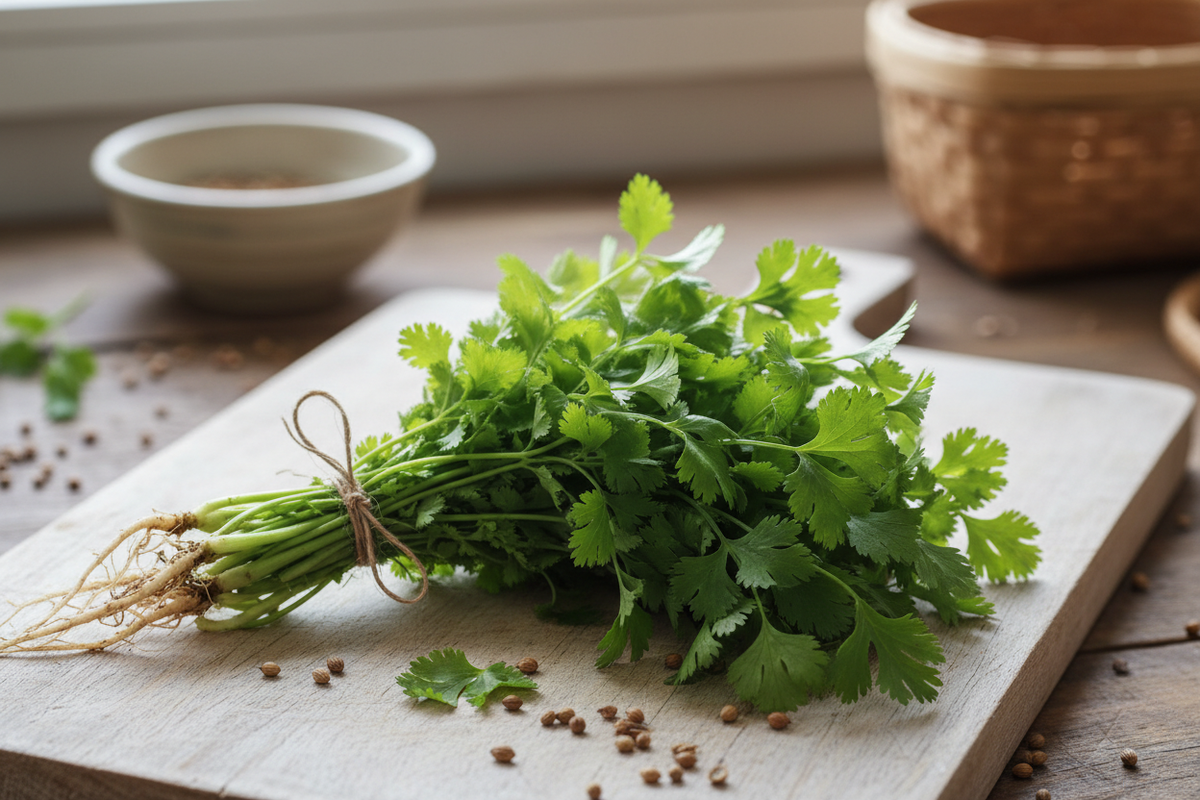
Coriander (Coriandrum sativum) is arguably the most polarizing herb in the Australian garden. For those who love it, it is the essential finishing touch for a Laksa, a zesty taco, or a fresh summer salad. However, for many Australian gardeners, it is also the most frustrating plant to grow.
One day it’s a lush cluster of green leaves; the next, it has shot up into a lanky, flowering stalk—a process known as "bolting." Success with coriander in Australia isn't about luck; it’s about understanding the climate and working with the plant's natural life cycle.
The Secret to Beating the Heat
The biggest misconception about coriander is that it is a summer herb. While we use it most in summer cooking, coriander actually prefers cool to mild conditions.
In most parts of Australia, coriander grown in the height of January will bolt almost instantly as a survival mechanism.
- Temperate & Cool Climates (VIC, TAS, NSW, SA, WA): Your best windows are Autumn and Spring. In these regions, coriander can actually thrive right through a mild winter.
- Sub-tropical & Tropical (QLD, NT, Northern WA): Grow coriander during the Dry Season (April to September). The humidity and heat of the wet season are often too much for the delicate leaves.
Soil and Positioning
Coriander has a long taproot, which makes it sensitive to being moved. For this reason, direct sowing is always better than buying seedlings from a punnet.
- Sunlight: In cooler months, full sun is fine. However, if you are planting as the weather warms up, find a spot with morning sun and afternoon shade.
- Soil: Use a free-draining soil enriched with organic matter. If the soil is too heavy or stays waterlogged, the taproot may rot.
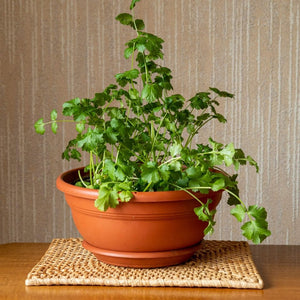
- Pot Culture: If growing in pots, ensure they are at least 20cm deep to accommodate the taproot. Using light-colored pots can also help keep the root system cool.
Managing the "Bolt"
Bolting is triggered by two things: heat and root stress. Once the plant decides to flower, the leaves become sparse and lose their flavor. To delay this:
- Keep it Moist: Never let the soil dry out completely. Mulch around the base with sugarcane mulch or pea straw to keep the roots cool.
- Liquid Feed: Use a nitrogen-rich liquid fertilizer every two weeks to encourage leaf production rather than flower production.
- Succession Planting: This is the pro-tip. Don't plant one giant patch. Plant a small amount every 3 or 4 weeks. This ensures that as one batch starts to flower, the next is ready for harvest.
Harvesting: Leaves, Flowers, and Seeds
The beauty of coriander is that the entire plant is edible.
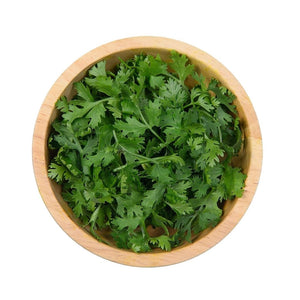
- The Leaves: Harvest the outer leaves first to allow the center to keep growing.
- The Roots: Don't throw them away! Thai cooking relies heavily on coriander root. Wash them thoroughly and pound them into curry pastes.
- The Seeds: If your plant does bolt, let it go to seed. Green coriander seeds have an incredible citrus pop when crushed. Alternatively, let them dry on the plant, brown off, and harvest them to use as the spice Coriander in your pantry or as seeds for next season.
Varieties to Look For
- Slow Bolt: Look for seeds specifically labeled "Slow Bolt" or "Leisure." These have been bred to withstand higher temperatures for a few extra weeks.
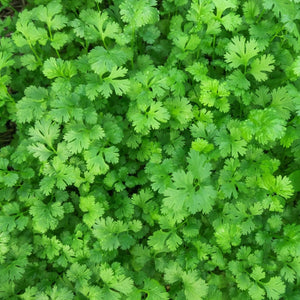
- Confetti: A variety with fine, carrot-like foliage that is slightly more decorative but still packs a punch.
Grow it
More herb guides
All herbs
Basil
Sowing basil once the nights are mild, spacing and watering, pinching for bushy plants, and picking so the crop keeps coming until the first cold snap.
| Position | Full sun |
|---|---|
| Depth | 6 mm |
| Spacing | 25 cm |
| First pick | 60 to 70 days |