Beneficial Bug Mix / Good Insects Mix seeds
NOT to WA & TAS
A packet of 100 Seeds, 10g, 25g, 100g
The standard packet covers 1sqm, 25g covers 25sqm, Approximately 12kg to 15kg per acre
Promote biodiversity and a pesticide-free garden! An important strategy for organic gardeners is to enhance and maximise the natural biological controls already present in a garden ecosystem. Does your garden provide a nectar source for beneficial, pest-controlling insects? Planting particular flowers and herbs known as insectary plants has improved the natural balance and reduced pest outbreaks.
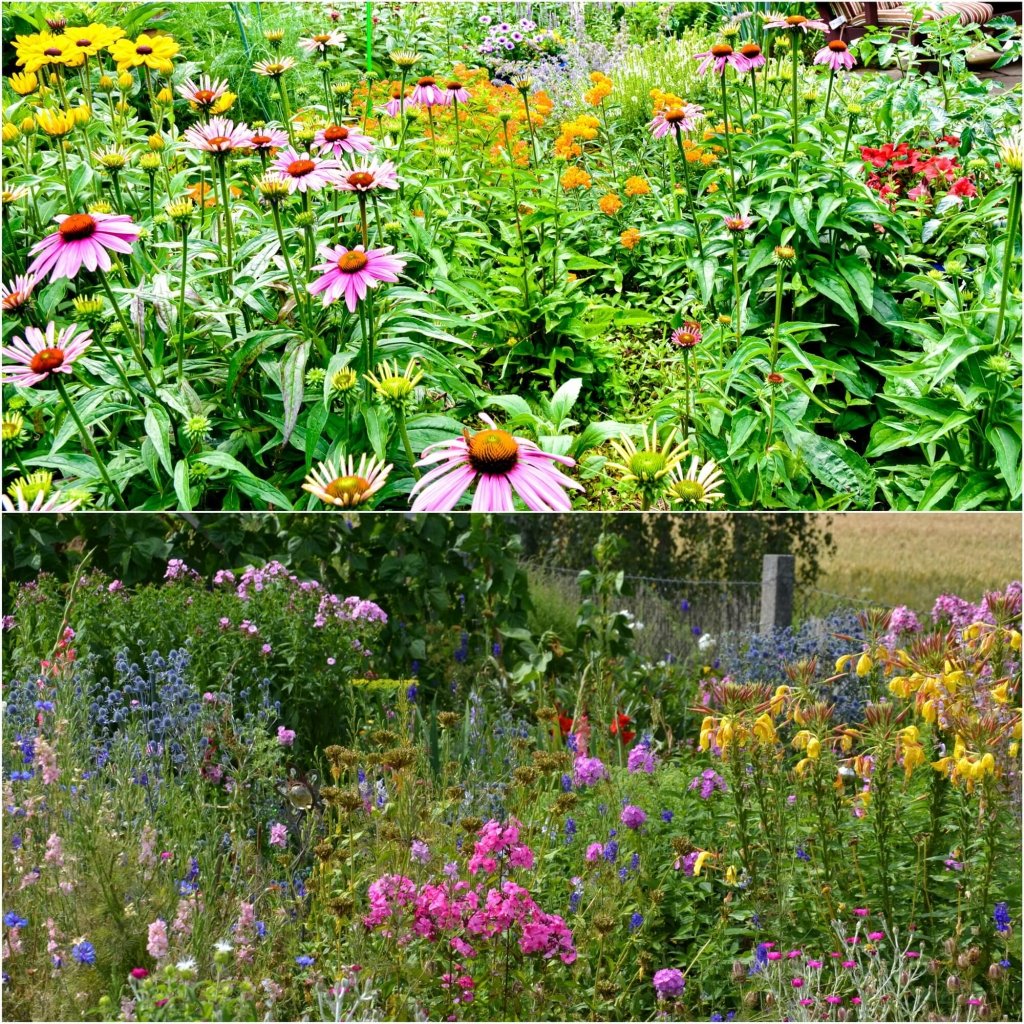
This is a colourful mix of flowers, herbs, annuals, and perennials that attract insects such as lacewings, ladybugs, hoverflies, wasps, and bees. Promotes natural biodiversity.
A vibrant blend of alyssum, calendula, centaurea, and eschscholzia starts the floral show, bringing golden tones, soft pastels, and plenty of appeal for honeybees and native pollinators. Alongside them, Oenothera (evening primrose), Gilia, Linaria, and Nemophila produce soothing blues, purples, and gentle pinks, creating rich nectar sources to sustain pollinators throughout the day. For a bolder splash of colour, Papaver (Poppy), Marigold, and Cynoglossum (Chinese Forget-Me-Not) deliver striking reds, vivid oranges, and deep blues. Meanwhile, the fragrant blooms of Borage and Lavender offer not only visual beauty but also an aroma that draws beneficial insects. Viola, Wallflower, and Brachyscome complete the mix, extending the flowering season and providing an essential food supply for pollinators right into the cooler months.
Depending on seed availability, the Beneficial Insect/Bug Mix may contain colourful re-seeding annual and perennial flowers, including red clover, Queen Anne's Lace, buckwheat, lucerne, dill, caraway, coriander, phacelia, and gypsophila. It blooms for much of the year, providing nectar, pollen, and habitat for wild and introduced beneficial insects, such as predatory mites, tiny micro wasps, ladybirds, lacewings, hoverflies, tachinid flies, and predatory beetles. These beneficial insects or 'good bugs' are generally small with correspondingly small mouthparts, so they can only feed on particular flowers with suitable attributes. By providing a plentiful food supply, the 'good bugs' live longer and reproduce more.
It should be planted in areas that can go a little wild, such as garden edges or along fence lines. Generally, you need only plant 1-5% of your land for good results. Each small packet covers 1m². Sowing time is Spring and early Summer. Prefers a sunny position, sow 5mm deep, and emerge 8-14 days. Water well and fertilise regularly.