

The short version: A Mexican kitchen garden grows well from seed across most of Australia. Plant at least two tomatillos, since a lone plant sets little fruit. Give yam bean, or jicama, a trellis and a long warm season, pinch off its flowers and eat only the root: its seeds and pods are poisonous. Add jalapeno and serrano chillies, leaf amaranth, purslane, coriander and a Mexican sunflower for the bees. Outside the tropics, everything except coriander goes in after the last frost.
Salsa verde starts with a tomatillo, and a couple of plants will give you a bowl of them. The same goes for a jicama, a bunch of purslane or an armful of amaranth leaves: the green sauce, the jicama salad and a string of dried chillies all come out of one summer bed.
Apart from coriander, these are warm-season plants that want the same conditions: warm soil, no frost, full sun. Get that right and the rest is habit, plus one safety point for yam bean.
The frame: corn, beans and pumpkin
Corn, climbing beans and pumpkin frame the rest. Our guide to sowing corn, climbing beans and squash in one bed covers the timing and spacing. For a corn with Mexican roots, the store's Oaxacan Green maize is described as the green corn of the Zapotec people of southern Mexico, for tortillas and tamales. The store does not send it to Western Australia, Tasmania or the Northern Territory.
Tomatillo: plant two or more
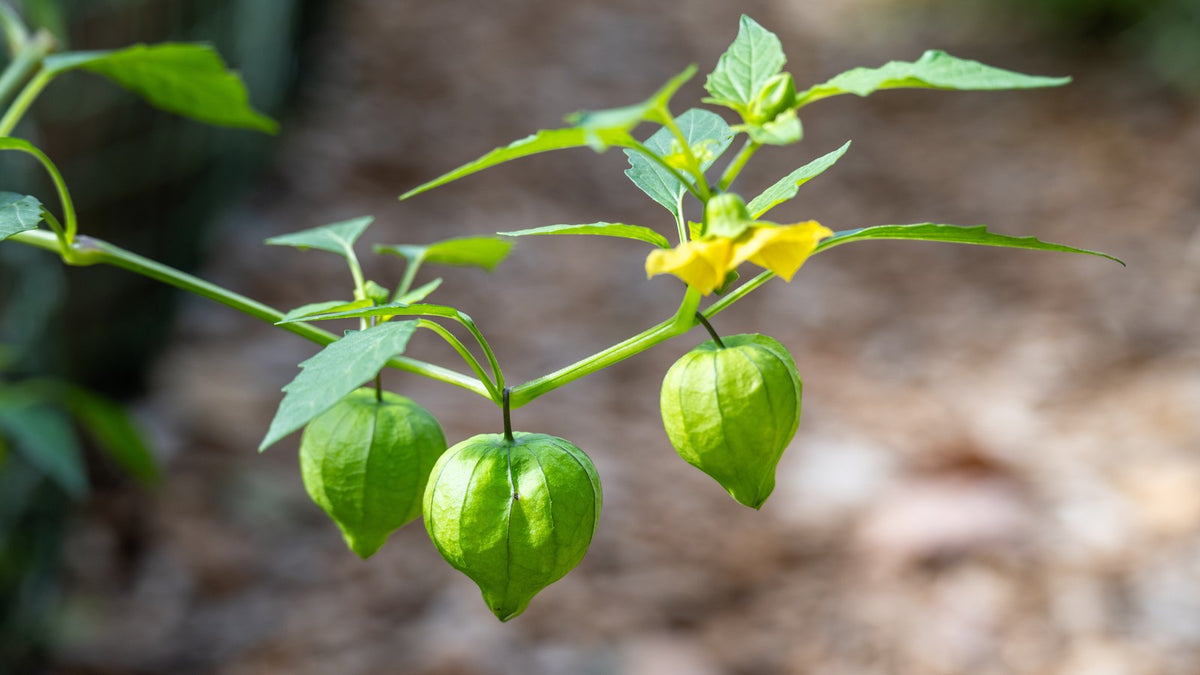
Tomatillo is the husked green fruit behind salsa verde. It sprawls like a tomato, reaches 1.2 m staked, and is frost tender, so raise seed in punnets in warmth and move seedlings out after the soil warms.
The rule that matters: grow at least two plants. A tomatillo on its own tends to hang out plenty of paper lanterns with nothing inside. Its flowers need pollen from another plant, carried by bees: Purdue University's crop notes call it highly self-incompatible, and Utah State University Extension blames empty husks on that, plus temperature extremes and dry weather at flowering. Two plants of the same variety will do.
Pick when the fruit fills the husk and the husk dries tan and starts to split. South Dakota State University Extension notes that green types turn soft and lose their tang once they start to yellow. Peel off the husk, rinse the sticky fruit, then roast or simmer with onion, garlic and chilli and blend for salsa verde.

Yam bean, or jicama: a long season for one crisp root
Yam bean (Pachyrhizus erosus) is a climbing legume grown for a crisp, sweet root sold as jicama. Give it full sun, loose free-draining soil and a trellis. A Queensland Department of Primary Industries fact sheet for Cape York gardens sets out what matters:
- Planting to harvest usually takes six to eight months.
- Lengthening spring days push leaf growth; shortening autumn days start the root swelling.
- Too much nitrogen gives leaf, while potassium feeds the root.
- Heavy flowering reduces root size.
- Lift roots at about 10 cm across and store them cool, dark and dry.
Pinch off flower spikes as they form, as growers do for a bigger root, and wear long sleeves: the hairy vines can irritate skin.
Peel off the brown skin and slice the white flesh into a salad with lime, salt and chilli, or a stir-fry.

Chillies for salsa and for drying
Jalapeno is a thick-walled, medium-heat chilli, usually picked green for salsa and tacos or left to turn red. Serrano, up to about 6 cm long, goes into salsas and sauces without peeling or seeding. Habanero Orange brings real heat. Serrano and the Golden, Yellow and Red habaneros are not sent to Western Australia; Jalapeno and Habanero Orange are.
Chillies want the same warm start as tomatillos. Leave some pods to ripen fully, dry them completely and keep the flakes in an airtight jar. Thin-walled chillies dry well strung in bunches; fleshy ones such as jalapeno do not, so halve them and use a low oven, about 120 C as Gardening Australia does. The chilli growers starter guide covers heat levels and gloves.
Leaves for the pot: amaranth, purslane and coriander
Amaranth was a grain crop of Aztec Mexico, according to Purdue University, and that grain can be popped like popcorn. The store's leaf amaranths, listed as Amaranthus tricolor, are a different kind, picked young and cooked like spinach; Red Garnet is also described as giving grain if left to seed. Gardening Australia warns it can turn weedy if it drops seed, so cut spent heads before they shed.
Purslane (Portulaca oleracea), verdolagas in Mexico, is a sour, juicy succulent eaten raw or cooked in stews. It seeds freely, so pick it young and pull the rest before it flowers.
Coriander leaf is the cilantro of Mexican cooking, and the odd one out: it prefers cooler months and runs to seed in summer. The guide to why coriander bolts explains how to keep picking. When it flowers, let the seed dry for the spice jar.
Mexican sunflower for the bees
Mexican sunflower (Tithonia rotundifolia) is an annual from Mexico and Central America, 1 to 1.8 m tall, with orange-red flowers that draw bees and butterflies, according to North Carolina State Extension. Sow it after the last frost at the back of the bed and deadhead to keep flowers coming. Queensland's wildlife and plant database records it, and yam bean, as naturalised in that state and an environmental weed, so Queensland gardeners should remove spent flowers before they seed and keep both away from bushland.
Timing across the six climate zones
The zones are broad groupings, so if you sit between two, lean on your local frost dates. The months below follow our grow guides and Gardening Australia magazine's planner, which uses five climates rather than six, so treat them as a starting point.
- Tropical (Darwin in the Northern Territory, Cairns and Townsville in Queensland, Broome in Western Australia): sow tomatillo and chillies about April to June for a dry season crop. Yam bean can go in at any time, but the Queensland fact sheet says midsummer usually gives a quicker, better crop than winter.
- Subtropical (Brisbane and south-east Queensland, northern New South Wales): tomatillo from August to December, chillies from August into summer, yam bean in spring once the soil is warm.
- Arid and semi-arid (Alice Springs in the Northern Territory, Broken Hill in New South Wales, Mildura in Victoria, Kalgoorlie in Western Australia): raise tomatillo and chillies under cover in late winter and plant out after the last frost. Yam bean is marginal: sow in warm late spring soil, water deeply and lift before frost.
- Temperate (Sydney and the New South Wales coast, Melbourne in Victoria): start tomatillo and chillies in trays in early spring. The store's yam bean listing says not to sow before early summer in warm temperate areas, which leaves Melbourne short of the six to eight months the crop takes.
- Mediterranean (Perth and southern Western Australia, Adelaide in South Australia): the long, dry summers suit tomatillo, chillies and amaranth given thick mulch and deep watering. Start yam bean in warmth and plant out once the soil is warm.
- Cool and alpine (Tasmania, Canberra in the ACT, Ballarat in Victoria, Orange and Armidale in New South Wales, Stanthorpe in Queensland): grow tomatillo, chillies and amaranth from seedlings raised indoors and planted out after the last frost. The University of Florida gives jicama five to nine months of warm weather from seed, more than most cool gardens offer, so leave it to warmer gardens.
Handle with care: yam bean seeds and treated seed
Eat only the root of the yam bean. The mature seeds hold rotenone, an insecticidal compound, in amounts too high to eat, and the Queensland fact sheet warns that older pods and leaves are toxic too. The University of Florida's jicama page puts it plainly: eat only the roots, since all other parts of the plant are poisonous. Pinching off flowers stops pods forming. If you keep a few pods for seed, store them away from children and pets. If anyone swallows seeds or pods, the Poisons Information Centre answers on 13 11 26, day and night; for a pet, call a vet or the Animal Poisons Helpline on 1300 869 738.
The store's 'Verde Puebla' tomatillo seed is treated with the fungicide thiram. Do not eat it or let children or animals near it, wear gloves to sow it and wash your hands afterwards. The fruit that grows from it is edible.

Frequently asked questions
Why are my tomatillo husks empty?
Usually there is only one plant, so its flowers get no pollen. Temperature extremes and dry weather at flowering make it worse. Grow two or more close together and keep the soil evenly moist.
Is jicama poisonous?
The root is the part people eat, raw or cooked. The mature seeds contain rotenone, and the pods and leaves should not be eaten either. Pinch off the flowers so pods do not form.
Can I grow jicama in Melbourne or Canberra?
Melbourne is marginal, short of the six to eight months the crop takes: start seed in warmth, plant out into warm soil and lift before the first frost. Cool and alpine gardens such as Canberra rarely have a long enough warm season, so grow tomatillo and amaranth instead.
Can I grow coriander for salsa in summer?
A summer sowing gives little leaf, because coriander bolts as the heat builds. Sow a pinch every few weeks in part shade through spring instead, then let the last plants go to seed.
Two tomatillo plants, one sunny bed and whatever else your season will carry go a long way towards a Mexican kitchen.
Related growing guides
- Three Sisters in Australia: corn, beans and squash in one bed
- The chilli grower's starter guide: heat levels and varieties
- Why coriander bolts, and how to keep picking it
- Ten unusual vegetables you can grow in Australia
Step-by-step guides cover tomatillos, yam bean, amaranth and purslane. For seed, browse the chilli seeds and the wider vegetable seeds range.