
Unusual vegetables are mostly no harder to grow than the everyday ones, they are just less familiar at the shops. Most grow easily from seed, though a couple are started from tubers, and a few need a contained spot so they do not self-seed or spread. The payoff is flavour and variety you cannot buy, and most cost about the price of a packet of seed to try.
There is a quiet myth that unusual vegetables are difficult, fussy, or only for serious growers with a glasshouse and a lot of patience. Most of the time that is simply not true. The reason you have never grown yacon is not that it is hard. It is that the supermarket has never carried it, so it never crossed your mind.
Seed changes that for most of them. A few of these have been feeding people in the Andes or across South-East Asia for centuries, and many ask no more of a suitable Australian backyard than a tomato does. Here are ten worth a corner of the bed, what they actually are, and the handful that need a sensible boundary.

Why bother with the unusual ones at all
The honest answer is flavour and variety you cannot buy, plus a bit of fun. A home garden is one of the few places left where you get to decide what is on the menu, and half the pleasure is handing a neighbour something they cannot name and watching them try it anyway.
There is a practical side too. Several of these crops are tough, productive, or happy in conditions that defeat fussier vegetables. Amaranth shrugs off summer heat that wilts lettuce. Yacon stores for weeks. Perennial onions come back on their own. None of it needs special skill.
A fair warning before the list: a couple of these plants are enthusiastic. That is not a reason to avoid them, only a reason to give them the right spot. We will flag each one as we go.
The sweet tubers: yacon and oca
Yacon and oca are Andean tubers that store well and bring flavours you will not find in the shops, and they are the two on this list you start from tubers rather than seed. That is worth knowing before you go looking for a seed packet: yacon grows from pieces of its rhizome crown, and oca from small tubers, both usually sold as planting stock heading into the warmer months.
Yacon (Smallanthus sonchifolius) is in the same family as the sunflower, and it is the friendliest way into unusual vegetables. The tubers are crisp and sweet, somewhere between a nashi pear and water chestnut, and lovely raw in a salad. The common mistake is digging too soon; the tubers do most of their sweetening as the weather cools, so a little patience pays off at the fork. Much of yacon's stored carbohydrate is fructooligosaccharides and inulin-type fibres, which is why it is often described as a prebiotic food. Treat that as a food note rather than health advice, and ease in with a small serve, because inulin-rich foods can cause a bit of wind at first.

Oca (Oxalis tuberosa), also sold as New Zealand yam, produces knobbly, jewel-coloured tubers in red, pink and yellow, with a lemony tang. That tang is mild oxalic acid, which runs through the whole oxalis family, and a few days on a sunny windowsill after harvest sweetens the tubers nicely. Do not confuse the crop with the weedy soursob (Oxalis pes-caprae) that turns up uninvited in so many gardens. They are cousins, but oca is grown for its tubers and behaves itself.
Both suit temperate and cool zones best, including Tasmania, the southern tablelands and the cooler parts of Victoria, where a long mild autumn lets the tubers fill out. Because yacon and oca are sold as live planting stock rather than seed, shipping restrictions can apply, so check the product page before ordering if you are in Western Australia.
The leafy heat-lovers: amaranth and kang kong
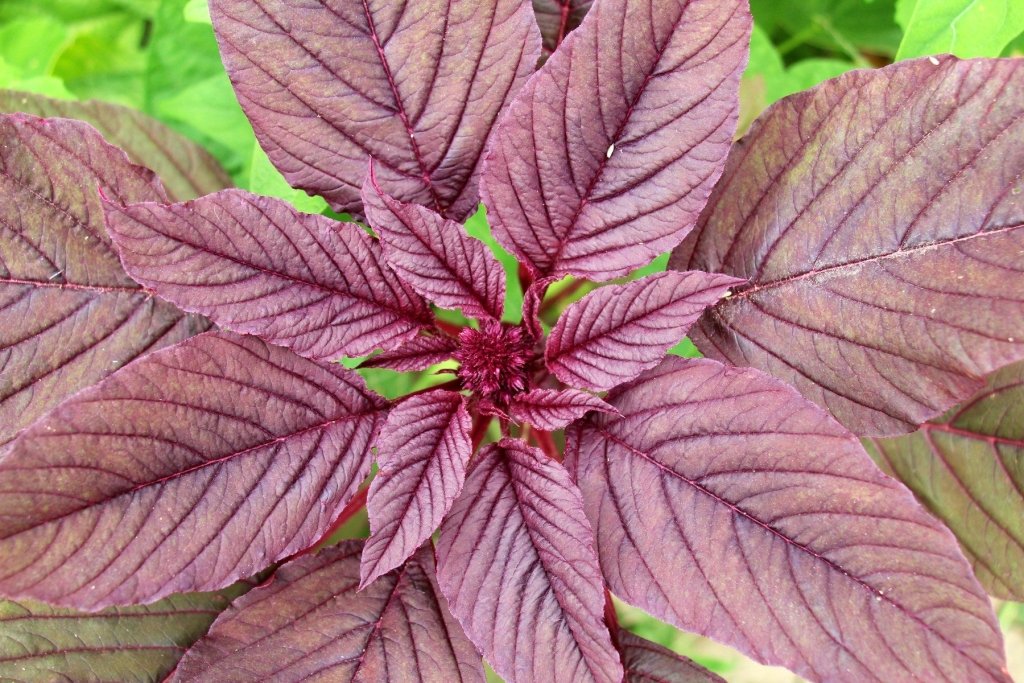
When summer turns the lettuce patch into a sad, bolted mess by mid January, leafy amaranth (Amaranthus species) is still standing in the heat. The young leaves cook down like silverbeet with a slightly earthier flavour, and the plant positively enjoys the humidity that flattens everything else. It is one of the most useful greens you can grow in a Queensland or Top End summer, and a quiet relief when the salad crops have given up.
A note on names, because amaranth is a big genus. The leaf and grain types grown as vegetables are good garden citizens, but some wild amaranths are agricultural weeds, so grow a named vegetable variety rather than whatever pops up on its own. If you fancy the grain types too, you can browse amaranth seeds and pick a cultivar bred for the kitchen.

Kang kong (Ipomoea aquatica), also called water spinach or ong choy, is the classic stir-fry green of South-East Asia, with hollow stems and a mild, slightly slippery cooked texture. It is sold and grown as a vegetable in parts of Australia, but the rules vary significantly by state, so it is the one to grow thoughtfully.
Kang kong is closely related to morning glory and sweet potato, and it can escape cultivation and naturalise along streams and boggy ground in warm areas, which is why the NSW Department of Primary Industries notes it is considered a weed in some places. Check with your state agriculture department before planting, keep it in a contained bed or a trough well away from creeks, drains and waterways, and take extra care in the tropics. Grown in a pot on a courtyard, it is no trouble at all, and you can find kang kong seeds among the Asian vegetable range.

The climbers and pods: achocha and snake beans
Achocha (Cyclanthera pedata), sometimes called the Bolivian cucumber or stuffing cucumber, is a vigorous climbing vine that crops heavily once the warm weather settles in. The young pods taste like a mild cucumber raw, and the larger ones hollow out and stuff like a tiny capsicum. It is a generous, low-fuss plant that will happily swallow a trellis or an old bit of fence you were meaning to replace anyway.
Snake beans (Vigna unguiculata subsp. sesquipedalis), also called yard-long beans, are the climbing bean for hot, humid gardens where ordinary beans struggle. The pods commonly reach 30 to 50cm and are best picked young and pencil-thin for stir-fries, before they go stringy and the kids lose interest. In subtropical and tropical zones they often cope better than a common green bean through the height of summer.

Both of these are warm-season climbers, so they suit the subtropics, the tropics and a hot temperate summer. In cool and Mediterranean zones, including Perth and southern WA, give them your warmest, most sheltered wall and start them once the soil has truly warmed, or they will simply sit and stall.
The old-fashioned roots and fruits: salsify, tomatillo and cape gooseberry
Salsify (Tragopogon porrifolius), the oyster plant, is a long taproot with a delicate flavour that genuinely does hint at oyster when cooked in a little butter. It was a Victorian-era favourite that quietly fell out of fashion, which is a shame, because it is undemanding and stores its sweetness as inulin much like yacon does. It does tend to self-seed from its dandelion-style seed heads, so either pick the heads before they blow or grow it where a few volunteers are welcome.
Tomatillo (Physalis philadelphica) is the tart, husked fruit behind a proper salsa verde, and it is far more productive in a warm Australian garden than most people expect. The papery husks split when the fruit is ready, and a couple of plants can keep a kitchen in green salsa from one Sunday to the next. Two points worth knowing: tomatillos generally need two plants to set fruit well, since a lone plant often pollinates poorly, and you eat only the ripe fruit. The leaves, stems and immature fruit contain toxic compounds and should not be eaten, so pick the fruit only once it has filled and split its husk, and note that ripe fruit of green varieties stays green.

Cape gooseberry (Physalis peruviana) is the sweeter cousin, with small golden berries in a lantern husk, lovely fresh or in jam. As with all the husk-fruits, eat the ripe berries only. It is delicious and easy, but it is also the second plant on this list to grow with a boundary in mind. Cape gooseberry is regarded as an environmental weed in Western Australia, New South Wales and Victoria, because birds spread the seed and it naturalises readily. Grow it in a contained bed, pick up the fallen fruit, and keep it away from bushland and creeklines, and you can enjoy the harvest without the environmental downside.
The plant-once onions: perennial alliums
If you only grow one unusual vegetable, make it a perennial onion. Welsh onions, also called bunching onions (Allium fistulosum), form clumps you can harvest from for years, snipping the green tops like a sturdy spring onion and dividing the clump when it gets crowded. They are about the most forgiving allium there is.
There is a quiet pleasure in a vegetable you plant once and keep picking, long after the annual rows have come and gone. Perennial onions tolerate cold well, suit every zone from the cool tablelands to subtropical gardens, and ask for almost nothing in return. For a beginner, this is the easy win that proves the whole point: unusual does not mean difficult.
How to choose for your climate
Most of these crops are easy to place once you know whether they like it hot or cool. A quick guide:
- Tropical and subtropical (Darwin, Cairns, Brisbane, Gold Coast): kang kong, amaranth, snake beans and achocha thrive in the heat and humidity. Keep kang kong contained. Subtropical highlands such as Toowoomba behave more like a cool zone for the autumn and winter picks.
- Arid and semi-arid (Alice Springs, Broken Hill, Mildura, Kalgoorlie): amaranth, snake beans and perennial onions cope with the hot days given steady water and a little shelter from drying wind. Where the soil turns water-repellent, a wetting agent may help.
- Temperate (Sydney, Melbourne, Canberra): nearly everything here works. Yacon and oca reward the long mild autumn, and tomatillos love the summer.
- Mediterranean (Perth, southern WA, Adelaide): tomatillo and salsify suit the warm dry season with steady watering. If you grow cape gooseberry, keep it contained, pick up fallen fruit and keep it away from bushland and creeklines.
- Cool and alpine (Tasmanian highlands, the southern tablelands, Stanthorpe): salsify and perennial onions are the safe choices. Yacon and oca can suit gardens with a long, mild autumn, though oca needs protection from early hard frost so the tubers have time to fill.
The unusual vegetables that need a boundary, kang kong and cape gooseberry, are worth growing well rather than not at all. A contained bed and a bit of tidiness is all it takes.
A short word on responsibility, since several of these are food crops: grow named vegetable varieties from a reputable supplier, keep the spreaders contained, and have a quick look at your state agriculture department if you are planting anywhere near a waterway or bushland. Eat only the parts known to be edible, treat any food-safety note as general guidance rather than a substitute for a reliable source, and if anyone eats an unknown plant part, call the Poisons Information Centre on 13 11 26. Rules vary by state and council, and a two-minute check now beats an awkward conversation later.
If you enjoy growing the less familiar edibles, you might also like our piece on moringa in Australia and what nobody tells you, another unusual crop with a few honest caveats. When you are ready to start, browse the vegetable seeds range and pick one or two that suit your zone rather than a dozen at once. A small, curious sowing this weekend beats a long wishlist that never makes it into the ground.

Frequently asked questions
What are the easiest unusual vegetables to grow from seed in Australia?
Perennial onions, amaranth and achocha are among the most forgiving. Perennial onions are planted once and harvested for years, amaranth loves summer heat, and achocha is a vigorous climber that crops heavily with little fuss. All three are good first choices from seed.
Are any unusual vegetables illegal or restricted in Australia?
Most common unusual vegetables are grown legally, but a few carry weed or biosecurity concerns. Kang kong can naturalise in warm wet areas and is regulated in some situations, and cape gooseberry is an environmental weed in WA, NSW and Victoria. Grow them in contained beds and check your state agriculture department if you are near waterways.
Can I grow these unusual vegetables in Perth and southern WA?
Yes. Tomatillo, cape gooseberry, salsify and perennial onions all suit the Mediterranean climate. Yacon and oca are sold as live tubers, which can be restricted from shipping to WA, so the seed-grown crops on this list are the simpler choice there.
What is yacon and what does it taste like?
Yacon (Smallanthus sonchifolius) is an Andean tuber that is crisp, juicy and sweet, a little like a nashi pear or water chestnut, and is good eaten raw. It is grown from rhizome pieces rather than seed. Its sweetness comes from prebiotic fibres rather than sugar, though a large serve can cause some wind at first.
Do I need two tomatillo plants to get fruit?
Usually, yes. Tomatillos are generally poor at pollinating themselves, so a single plant often sets little fruit. Grow at least two plants near each other and you can get a much more reliable, generous harvest. Remember to eat only the ripe fruit.
Which unusual vegetables come back every year?
Perennial onions such as Welsh onion form clumps that you can harvest from and divide for years. Yacon and oca can be left to resprout from tubers in milder zones, and salsify self-seeds readily. These are the closest things to plant-once vegetables on this list.
Are unusual vegetables harder to grow than common ones?
Mostly not. Most ask no more than a tomato or a bean does, they are simply less familiar because the shops do not stock them. Start with one or two suited to your climate zone, grow them from seed, and you will usually see they are no more demanding than the everyday crops.
Related growing guides
- How to Grow Salsify and Other Unusual Root Vegetables
- Growing Witloof (Belgian Endive) and Chicory in the Australian Garden
- Growing Capsicum in Australia: From Seed to Harvest
Ready to plant? Browse our Vegetable Seeds.