
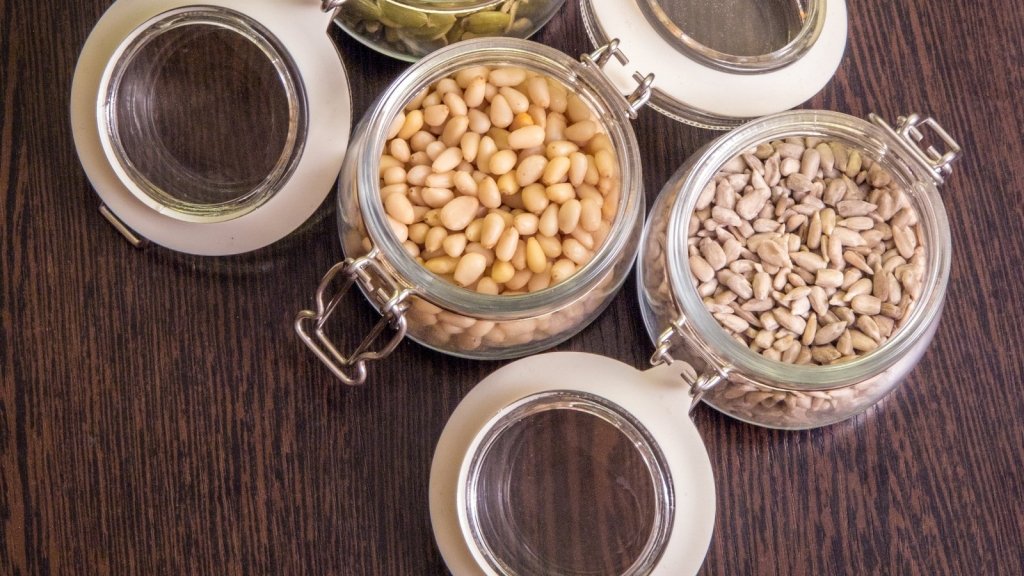
The short version: Start with alfalfa for sandwiches and salads, or mung bean if you cook. After that, choose by flavour: fenugreek for a nutty, slightly bitter note, broccoli for pepper, and buckwheat or sunflower grey for green shoots grown on a shallow tray. Whatever you pick, it has to be seed sold for sprouting, never garden seed meant for sowing.
Sprouting is the fastest crop in the house. No bed to dig, no season to wait for, just a handful of seed, a jar on the bench and a rinse morning and night. The hard part is working out which of them you will actually eat, so this guide is organised by what you want on the plate.

Start with alfalfa or mung bean
Buy alfalfa if you build sandwiches and salads, and mung bean if you cook with a wok. Both forgive a missed rinse, both taste familiar, and both are cheap enough that a failed first jar costs less than a coffee. Once one works, the rest makes sense.
| What you want | Choose this | Ready in |
|---|---|---|
| Mild salad filler | Alfalfa Sprouts Seeds | 4 to 7 days |
| Peppery bite | Broccoli Sprout Seeds | 3 to 5 days |
| Stir fry crunch | Mung Bean Seeds | 5 days |
| Nutty and bitter | Fenugreek Seeds | 3 to 6 days |
| Mild, tender greens | Buckwheat Sprouting Seeds | tray, not jar |
| Leafy green shoots | Sunflower Grey seeds | tray, not jar |
Mild and crunchy, for sandwiches and salads
Alfalfa (Medicago sativa) is the sprout most Australians picture, and still the best starting point. Fine white threads, a pale green leaf at the tip and a clean nutty taste that argues with nothing else in the sandwich. Tiny sprouts show in about three days, and two or three more days of rinsing takes them to a useful 3 to 5 cm, longer if you like the fine thready ones. Alfalfa does best between 16 and 25°C, so a hot summer bench is what lets it down.
Fenugreek (Trigonella foenum-graecum) is the quiet achiever beside it. It is a legume, and sprouting turns the hard little stones soft, nutty and slightly bitter. A jar is ready in three to six days, so taste one at day three and again at day five.

Peppery and punchy, for people who want flavour
Broccoli (Brassica oleracea) is what to reach for when alfalfa tastes like nothing much. Not bitter, but a definite zing that lifts a salad, and quick with it: three to five days in a jar, or seven to ten days grown on as a microgreen.
The mustard family behaves this way as a group: radish and mustard sprouts carry the same peppery heat and run just as fast in a jar. Cress tastes the part too, but its seed turns to gel when wet, so it is grown on a damp tray or on paper instead. The nutrition side is covered already in broccoli sprouts versus alfalfa sprouts and the sulforaphane guide.
Substantial, for stir fries and bowls
Mung bean (Vigna radiata) is the sprout you eat by the handful rather than the pinch, the thick pale kind in a laksa or a plate of stir fried Asian greens. It is the one crop here substantial enough to be a vegetable. Soak the beans about twelve hours, then rinse twice a day kept dark under a cover, with a plate and a weight on top from about day three, and a batch is ready in about five days. Grown dark and weighted they come out fat and pale rather than thin and green, which deserves a guide of its own.

Green shoots, grown on a tray
Buckwheat (Fagopyrum esculentum) is sold here as whole seed in its dark, woody hull, so it is a tray crop, not a jar one. In a jar the whole seed puts out a root, but the hull stays hard and is not eaten. Soak it for 8 to 12 hours, rinse it until root tips show, then grow it on a tray of damp mix and cut the mild, tender greens 8 to 12 days from the soak. Pale, hulled groats sold as food are a different product, and they are the kind that sprout in a jar in about a day.
Sunflower Grey (Helianthus annuus) is a tray crop too. The seed is large and still in its hull, so a jar gives a stubby root with the hull stuck on, edible but dull. What you want here is the shoot: a juicy stem carrying a pair of green leaves.
For that, the seed has to sit still. Spread pre-soaked seed one layer deep on a shallow tray of damp seed raising mix or a fibre mat, keep it dark a day or two, then move it into bright light. Anchored roots let the shoot straighten and shrug off the hull as it rises, which a rolling jar never allows. Sunflower gives a hearty, slightly salty crunch, buckwheat is milder. The microgreens guide has the full method.
Wheat (Triticum aestivum), barley (Hordeum vulgare) and oat (Avena sativa) belong on a tray too, but they are grown on into grass and juiced, not eaten by the forkful. Soak six to twelve hours, rinse until the smallest roots appear, spread on damp medium, then cut the grass at 10 to 15 cm. A companion guide covers the grain grasses properly.

What not to put in the jar
Four kinds of seed should never go near a sprouting jar, for four different reasons.
Garden seed treated with fungicide
Treated seed is coated with a fungicide or insecticide to survive cold wet soil, and dyed a bright colour so it cannot be mistaken for untreated seed. The label carries a plain instruction not to use it for human or animal consumption, and rinsing does not undo it. Pink, blue or green seed belongs in a garden bed.

Seed sold for sowing rather than for eating
Even untreated garden seed is the wrong thing to sprout. Seed grown for sowing is not produced, dried, stored or tested with a kitchen in mind, and when sprout illness is investigated the trail most often leads back to the seed. Sprouting seed is handled as food from the paddock onwards.
The nightshade family
Tomato, potato and eggplant seedlings are not food. These plants make glycoalkaloids, defensive compounds far more concentrated in sprouts, leaves and green skin than in ripe fruit or tuber flesh, and a decent dose brings on nausea, vomiting and stomach cramps. Capsicum carries far less of them, but its seedlings are still not a sprouting crop. Sow those seeds into a punnet and eat the part the plant intended you to have.
Kidney beans and their relatives
Red kidney, borlotti, cannellini and the other Phaseolus vulgaris beans carry a lectin called phytohaemagglutinin, and sprouting does not remove it. It causes nausea and vomiting within hours, and only hard boiling destroys it, so these beans belong in the pot rather than the jar. Of the larger legumes, mung bean, lentil, chickpea and pea are the sprouting crops.
Keeping a jar ready all the time
Start the next jar the day the last one goes into the fridge, not the day it runs out. Sprouts keep roughly three to five days refrigerated and most of the range takes three to six days to grow, so one jar starting as another finishes covers the gap.
Pair a fast crop with a slow one. Broccoli at three to five days and alfalfa at four to seven, started the same morning, give two harvests in one week. Two jars suit most households. Three is how a sprouting habit turns into a windowsill full of rubber bands.
The safety part, briefly
Raw sprouts carry a real pathogen history, and it is worth knowing before you choose. They have been linked to Salmonella, Listeria and E. coli, because the warmth and damp that suit a germinating seed suit those bacteria equally well. Clean hands, a clean jar and honest rinsing all help, but they do not remove the risk, because the bacteria usually arrive in the seed rather than on the bench. Alfalfa and mung bean, the two easiest crops to start with, are also the two most often linked to illness here, so give them the care you would give raw chicken. Any batch that smells musty or looks dark belongs in the bin, and finished sprouts keep at 5°C or below. The NSW Food Authority advice on sprouts is clear that people who are pregnant, children under five, people over 70 and anyone immunocompromised should avoid raw or lightly cooked sprouts and eat them thoroughly cooked instead. The same caution applies to juiced grain grass, which is also drunk raw.
Across Australia's climate zones
A jar of sprouts ignores the garden and obeys the kitchen bench.
Tropical (northern WA, the NT Top End and far north QLD) and Subtropical (south east QLD and northern NSW): jars race, often a day ahead of the packet, and sour just as fast. Rinse three times a day through the wet season and harvest early.
Arid and semi-arid (inland NSW, SA, WA and central QLD): the same heat, plus dry air. A jar can dry out between rinses and half dried seed stalls, so drain well without letting the seed go crisp.
Temperate (coastal and eastern NSW, VIC) and Mediterranean (Perth and southern WA, Adelaide and southern SA): the easiest conditions of the lot. In a hot spell move the jar into the coolest cupboard; in winter expect an extra day.
Cool and alpine (TAS, the southern tablelands, the Victorian high country, and Canberra and the ACT): winter kitchens sit below the 16 to 25°C alfalfa prefers, so add a day or two and find a warmer shelf.
Biosecurity rules differ by state. Buckwheat and the grain grasses cannot be sent to Tasmania, the microgreen mix cannot go to either Western Australia or Tasmania, and WA caps the quantity on several other lines, so check the product page before you order.
Sprouting rewards a decision more than equipment. Pick the flavour you will genuinely eat, buy one bag rather than a shelf of hopeful packets, and get the rinsing into your week. The sprouting seeds range covers every crop named here, and once a favourite emerges, bulk sprouting seeds keeps it cheaper.
Frequently asked questions
Which sprout should I grow first?
Alfalfa for sandwiches and salads, mung bean if you cook. Both forgive a missed rinse and both are ready inside a week. Once one has worked, the sharper and chewier crops are easy to add.
Can I sprout seed from my garden seed packets?
No. Treated seed is coated with fungicide and labelled not for human or animal consumption, and even untreated garden seed is not grown, stored or tested as food. Buy seed sold for sprouting.
Can I sprout buckwheat in a jar?
Not this seed. Buckwheat Sprouting Seeds are whole seed in the hull, which stays hard after soaking, so they are grown on a tray and cut as greens. Pale, hulled groats sold as food are the jar kind. The starchy gel they release as they soak is normal, so rinse until the water runs clear and drain hard.
How long do sprouts keep once they are ready?
Around three to five days in the refrigerator in a covered container. Drain them thoroughly first, because sprouts stored wet break down fastest.
Do I need a proper sprouting jar?
No. A clean wide mouth jar with mesh or cheesecloth held on by a rubber band does the same job, propped upside down at an angle so it drains and breathes. Drainage and airflow are what matter.
Are sprouts safe for everyone to eat raw?
No. Raw sprouts have been linked to Salmonella and E. coli, and health advice is that people who are pregnant, children under five, older people and anyone whose immune system is compromised should eat them thoroughly cooked.