



The short version: El Nino and La Nina tilt the odds of a dry or a wet season, mostly through winter and spring in eastern and northern Australia. Read the Bureau of Meteorology's long-range forecast as a chance, not a promise. In a likely dry year, lean on coarse mulch, deep watering, wicking beds, shade cloth and quick crops sown to miss the heat. In a likely wet year, lift the beds, widen the spacing, watch slugs and fungal disease, and hold off sowing into cold, wet soil.
The words arrive on the evening news before the tomatoes are in: El Nino is forming, La Nina is likely. A farmer acts on that bulletin; a home gardener files it somewhere between vaguely worrying and easy to ignore.
An outlook cannot say whether it will rain on Saturday, but it tilts the odds for the months ahead, and early decisions about beds, mulch, spacing and timing beat running out with a hose in January.
The four climate drivers, one sentence each
Boiled down from the Bureau of Meteorology's pages, each is a tendency, not a rule; the Pacific pair usually build through winter and spring and fade the following summer.
- El Nino is a warm patch across the central and eastern Pacific that draws rain away from Australia: drier winters and springs in the east and north, warmer days in the south, a later northern wet, fewer cyclones and more south-eastern frosts.
- La Nina is the opposite, warm water piled up to Australia's north: wetter winters and springs in the east and north, cooler days south of the tropics, fewer frosts, more cyclones, an earlier wet season and, often, a wet summer.
- The Indian Ocean Dipole is a temperature difference across the tropical Indian Ocean: a positive dipole tends to dry winter and spring over central and south-eastern Australia, and a negative one feeds moisture to the systems crossing the south.
- The Southern Annular Mode is the north to south wandering of the westerlies and cold fronts below Australia: its phases last a week or two, so it is mostly a weather-watch item, but in winter a positive phase holds the fronts south of the coast and dries the south.
Where to read the outlook, and how to read it
The Bureau's Climate long-range forecasts page covers the weeks, months and three months ahead, searchable by town. Read the percentage as a chance, not an amount: 70 percent for rain above the median, the middle of the local record, leaves a 30 percent chance of less for that period. El Nino and La Nina are broad indicators; the long-range forecast is the better local guide, and the issue closest to the end of a calendar month is its best advice for the three months ahead. Percentages are less satisfying than a yes or a no, and more honest: a strong event does not guarantee strong impacts, and chances near 50 percent mean nothing has tilted, so sow in small batches a few weeks apart and keep both plans handy.
In a likely dry year
- Mulch coarse and deep. Lay 5 to 8 cm of pea straw, lucerne or sugarcane on moist, warmed soil, clear of the stems and off seed rows until the seedlings are up. Coarse mulch cuts evaporation sharply while very fine mulch can lose more water than bare soil, as a trial reported by Sustainable Gardening Australia found; our guide to choosing mulch for vegetable beds has the figures.
- Water deeply, and store some. Wet the soil 20 to 30 cm down, drip beneath the mulch, and let a wicking bed carry the leafy crops; our water-wise gardening guide covers ollas and tanks.
- Keep 50 to 60 percent shade cloth ready for hot spells, on a frame that lets air through and off when the heat breaks: a run of days in the low thirties cuts tomato pollen and fruit set, by variety and how long it lasts, and our heatwave routine has the drill.
- Choose crops and timing to miss the peak. Sow quick crops such as radish, rocket, lettuce and bush beans as soon as the soil is warm and any frost has passed, so they finish before midsummer, and in the hot inland plan the late January second planting for autumn from our arid-zone summer guide.

In a likely wet year
- Get the water moving first. Raised or mounded beds lift roots above the saturated layer, and the sooner water drains the better: a day of it usually does little harm, but shallow-rooted vegetables are at particular risk and shallow water warming in the sun kills in hours, as Business Queensland's flood advice warns. Our waterlogged soil guide has the drain, the jar test and the gypsum question; our storm damage guide says what regrows after hail.
- Space wider and water in the morning. Leaves dry by nightfall carry less fungal disease, so give plants a little more room than the packet suggests and water the soil early in the day, when it needs water at all.
- Expect slugs, snails and fruit fly. Slugs and snails surge after rain: hand-pick after dark and, if you must bait, use an APVMA-registered iron-based bait as its label directs, kept from pets. Fruit fly, Queensland fruit fly in the east and Mediterranean fruit fly in the west, turns over a generation every three to four weeks in warm weather: cover tomatoes, capsicum and chilli with fine insect mesh or sealed bags once the fruit sets, fruit clear of the mesh.
- Grow what copes with wet roots, and sow by the soil. Garlic, onions, root crops, tomatoes and the Mediterranean herbs rot or sulk in wet ground and get the raised bed or a pot; leafy greens, silverbeet, celery and many brassicas cope, provided the bed drains between rains. Bean, pumpkin and basil seed is likely to rot in cold, wet soil, so wait for about 16°C at 10 cm, in soil moist rather than sodden, by the kitchen thermometer test, which a cloudy La Nina spring can delay by weeks.

What does not change
The outlook moves the odds. It does not move the sun. Day length is the same either way, so coriander, spinach and the Asian greens that bolt as the days lengthen will still bolt, and heat or water stress brings it on sooner. Your local frost dates are still the gate for tender crops; an El Nino spring tends to add frosty nights around and after the usual last one, so wait until it has clearly passed and cover seedlings when the forecast minimum drops. The soil thermometer still outranks the calendar. And a wet summer can still bring a heatwave: of 32 Victorian heatwaves between 1989 and 2009, the Bureau counts 17 in La Nina years, longer and milder, but heat all the same.
What each driver tends to mean, zone by zone
These six zones are broad groupings; a garden between two leans on local cues such as first and last frost, and each line is a tendency, not a date.
- Tropical (Cairns and Townsville in Queensland, Darwin in the Northern Territory): the monsoon tends to arrive two to six weeks later in El Nino years than in La Nina years, and La Nina brings more cyclones, so mound the beds, as in our tropical wet-season guide.
- Subtropical (northern New South Wales, Brisbane and south-east Queensland): La Nina is felt most in summer, when heavy rain and flooding are more likely, so drainage and fruit fly exclusion are the summer jobs; El Nino runs drier and clearer, with frost covers ready inland.
- Arid and semi-arid (the inland: Alice Springs in the Northern Territory, Kalgoorlie in Western Australia, Mildura in Victoria, Broken Hill in New South Wales): rain is unreliable in any phase, though La Nina lifts the odds of good falls across central and eastern Australia; deep mulch, drip lines and shade stay the tools, and El Nino sharpens the heat and the spring frost risk.
- Temperate (Melbourne in Victoria, Sydney and the central and south coast of New South Wales): El Nino years hold nine of the ten driest winter and spring periods on record for eastern Australia, La Nina years the six wettest; net the fruit and widen the spacing for a La Nina summer, and keep shade cloth ready for El Nino's sharp single hot days.
- Mediterranean (Adelaide in South Australia, Perth and southern Western Australia): the cool-season crops here live on winter fronts: a positive Indian Ocean Dipole leaves less moisture for the systems crossing from the west, and a run of positive Southern Annular Mode weeks holds the fronts south of the coast, so lean on the long-range forecast and, in a dry-leaning year, mulch the winter beds once the autumn rain has soaked in.
- Cool and alpine (Canberra in the ACT, Tasmania, Ballarat in Victoria, Stanthorpe in Queensland, Armidale and Orange on the New South Wales tablelands): El Nino's clear nights bring more frosts around and after the usual last frost date, so hold the tomatoes until it has clearly passed; a La Nina spring is cloudier, wetter and slower to warm the soil, so raise the beds and wait.
A caution for the wet year
Rain on a bed is one thing and floodwater is another. It can carry sewage, animal and industrial waste, and Food Standards Australia New Zealand advises throwing out any food that has been in contact with it, without tasting or cooking it first: every leaf, root and fruit the water reached. The soil stays contaminated for a time: Queensland Health says a home garden may need at least a month before it is fit to replant or harvest, depending on the contamination, so check your state or territory health department's flood advice before you sow or pick from that bed again.
Frequently asked questions
Does El Nino mean a drought for my garden?
No. It raises the odds of a drier winter and spring, mainly in the east and north, and widespread drought does not follow every event. Plan for less rain and more heat, then let the rain gauge report.
Should I sow earlier in a dry year?
As early as the soil and the frost allow, and no earlier. An El Nino spring in the south-east and the cool zones can run frosts late, so that date may come later, not sooner.
Is a La Nina year good for vegetables?
Often, for the leafy and cool-season crops that enjoy cloud and moisture. Give tomatoes, garlic, onions and root crops raised beds or pots, and expect more slug, snail and fungal pressure.
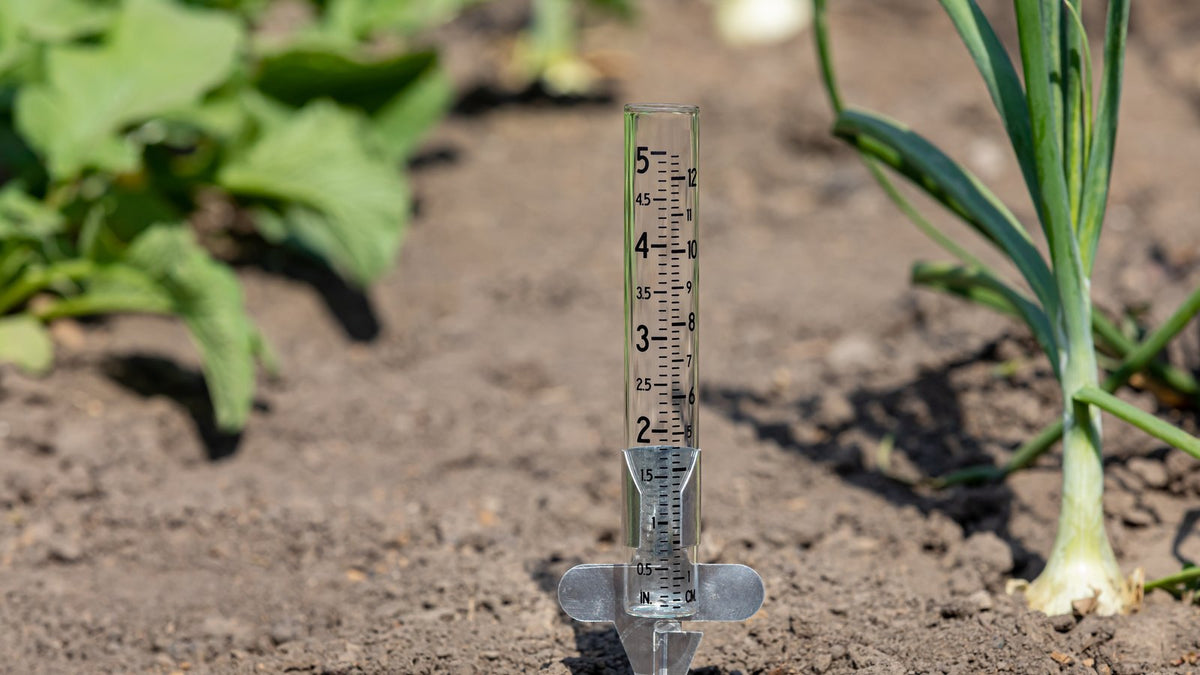
Read the outlook, tilt the beds the way it leans, and let the rain gauge have the final word. The Bureau of Meteorology's guide to the factors that drive Australia's climate has more on each driver.
Related growing guides
Whichever way the season leans, browse our vegetable seeds for quick and tough crops, and our tomato seeds for a cherry type or two.