

The short version: March soil still holds summer warmth, so most cool-season seed is up within a week or two. Spend that head start on the slowest crops your zone allows, such as garlic, parsnip, leek, cauliflower and broad beans. Then sow carrot and beetroot, and raise brassicas in trays under fine mesh. Peas wait until April or later, as does onion seed outside the subtropics and arid inland. The tropics are still in the wet season.
In early March the tomatoes are still ripening and there is not a spare metre of bed, which is how winter gardens start a month late.
The fix is to sow into trays and cleared corners instead of waiting for empty beds. This guide stays with March; our autumn sowing guide covers April and May.
Warm soil gets seed up fast
In trials summarised by Oregon State University Extension, seedlings took this long to appear:
| Crop | Soil at 10°C | Soil at 20°C |
|---|---|---|
| Carrot | 17 days | 7 days |
| Beetroot | 17 days | 6 days |
| Cabbage | 15 days | 6 days |
A carrot row up in 7 days rather than 17 spends ten fewer days as bare soil for snails and crusting to spoil; parsnip takes about two weeks even then.
Lettuce is the exception. The New South Wales Department of Primary Industries notes that its seed stops germinating at about 25 to 35°C, depending on variety, and that it bolts after a set count of daylight hours, sooner in heat. In warm zones, sow lettuce, endive, cress, mizuna and spinach late in the day under light shade; the shortening autumn days then work for them.

Sow the slowest crops first
Weeks to harvest, from our sowing calendar, vary with variety and season.
| Crop | Weeks to harvest | Sow in March in |
|---|---|---|
| Garlic cloves | 22 to 39 | All but tropical |
| Parsnip | 17 to 26 | Subtropical, temperate, Mediterranean |
| Leek, in trays | 14 to 26 | Subtropical, arid, temperate |
| Broad beans | 14 to 20 | Temperate, cool and alpine |
| Cauliflower, in trays | 12 to 22 | All but tropical and cool |
| Carrot, beetroot | 7 to 18 | All but tropical |
| Radish, bok choy | 4 to 10 | All but tropical, in any gap |
Raise brassicas in trays while summer crops finish
Sow broccoli, cabbage and cauliflower 5 to 10 mm deep in cell trays, shaded so the small cells do not dry out; cool and alpine gardens plant them as seedlings instead. For an earlier start in January and February heat, see our guide to starting winter brassicas in summer. Our broccoli growing guide puts planting out at 4 to 6 weeks, at 7 to 10 cm tall, about when summer crops come out. Held longer in small cells, broccoli can form a tiny early head, a button, and stall.
Net trays and transplants with fine insect mesh from day one: the cabbage white butterfly (Pieris rapae) and the diamondback moth (Plutella xylostella), both loosely called cabbage moth, still breed in March warmth. The diamondback breeds fastest in warm weather, Agriculture Victoria notes, so keep checking young brassicas while autumn stays warm. See our guide to cabbage white caterpillars.

Root crops, spring onions and garlic
Root crops want free-draining soil dug loose and stone-free, with compost added weeks ahead; fresh manure tends to fork roots. Sow carrot and parsnip 5 to 10 mm deep, beetroot 10 to 20 mm, and keep the row damp until seedlings show. In hot inland weather, the Northern Territory Government suggests a narrow board over the row, checked daily and lifted as seedlings emerge. Then water steadily if autumn rain falls short, as roots swinging between dry and soaked tend to split.
Carrots and spring onions share a loose, well-drained bed, but the claim that onion scent protects carrots targets the carrot rust fly, not present in Australia, as our carrot fly guide explains.
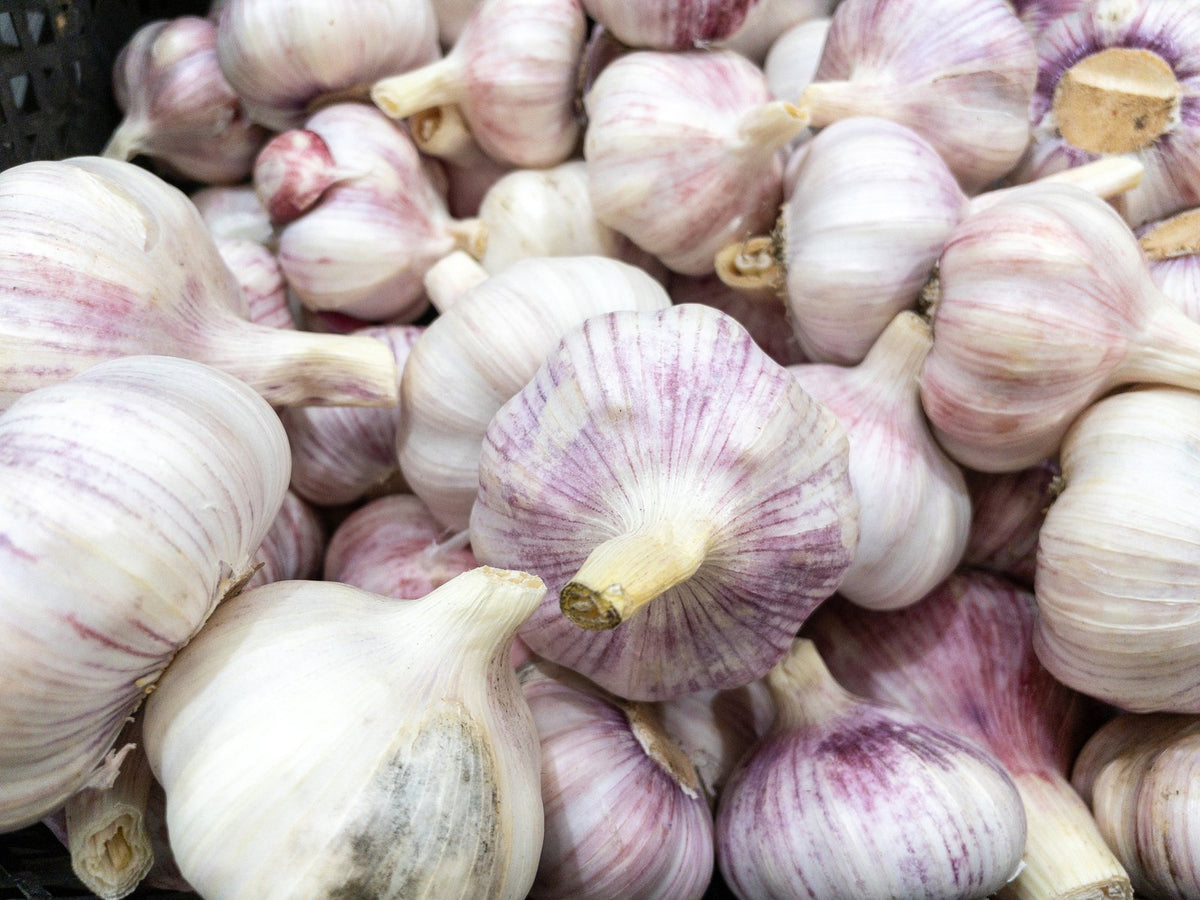
Garlic cloves go in from March to May in most zones and to June in cool and alpine gardens; in the tropics, wait for April and use low-chill types or elephant garlic. Plant cloves pointed end up, tip 2 to 5 cm deep, 10 to 15 cm apart; earlier plantings usually make bigger bulbs. Elephant garlic, Allium ampeloprasum, is the leek species and copes with warmth better than most true garlic, though our elephant garlic guide warns that first tropical crops often give single round bulbs.
Due to quarantine restrictions and our shipping policy, we cannot send garlic or elephant garlic to Western Australia or Tasmania. Australian Interstate Quarantine, funded by the state and territory governments, explains why plants cannot move freely between states.

What to sow in March, zone by zone
The zones are broad groupings. If your garden sits between two, go by local signs such as your usual first frost. Our zone sowing chart lists every crop. Beetroot, broccoli, carrot, leek, spring onion and salad greens can all go in during March in subtropical, arid and temperate gardens; the other three zones are pickier.
Tropical: Darwin in the Northern Territory, Cairns and Townsville in Queensland
March is still the wet season, which the Bureau of Meteorology counts from October to April, so most tropical sowing on our calendar waits for April and May. In raised beds, sow sweet corn, amaranth, Malabar spinach, bitter melon, peanuts, shallots and mustard greens; start okra and endive in trays. Capsicum, chilli and eggplant follow from April, tomato from May. Our corn seed cannot go to the Northern Territory, Western Australia or Tasmania.
Subtropical: Brisbane and south-east Queensland, northern New South Wales
Beans get a last sowing beside the first cool crops. Sow carrot, beetroot, parsnip, turnip and kohlrabi direct, and raise broccoli, cabbage, celery, leek and short-day onions in shaded trays. Cauliflower's window is March and April, so start it first. Plant low-chill garlic early, in March.
Arid and semi-arid: Alice Springs in the Northern Territory, Broken Hill in New South Wales, Mildura in Victoria, Kalgoorlie in Western Australia
As the heat breaks, sow lettuce, spinach, carrot, beetroot, turnip and swede direct, shading the leafy and carrot rows until nights cool, and raise brassicas, leek and short-day onions in trays. Amaranth gets its last sowing; globe artichoke and asparagus seed wait for winter and spring.
Temperate: Sydney and the New South Wales coast, Melbourne in Victoria
Sow broad beans, parsnip, carrot, beetroot, kohlrabi and heading chicory direct, and raise cauliflower, broccoli, cabbage and leek in trays. Chicory closes after March and parsnip after April. Peas wait for about Anzac Day, and onion seed for April.
Mediterranean: Perth and southern Western Australia, Adelaide in South Australia
March is usually dry, and ABARES, the federal agricultural research bureau, warns that a 30 mm fall in March followed by warm, dry weather may be a false break. Sow what you can water: carrot, beetroot, parsnip, spinach and salad greens direct, and brassicas in trays. Broad beans and peas wait for April, onion seed for April in Adelaide and May in Perth.
Cool and alpine: Tasmania, Canberra in the ACT, Ballarat in Victoria, Orange and Armidale in New South Wales, Stanthorpe in Queensland
March is a race: at Orange the Bureau of Meteorology's average daytime top falls from 22.6°C in March to 14.2°C in May. Sow broad beans, kale, kohlrabi, spinach, turnip, lettuce and Asian greens, with carrot and beetroot early. Plant broccoli, cabbage and cauliflower as seedlings. Peas wait for late winter.
The rest of the March jobs
Clear and feed. Compost healthy summer remains, weed before seeds set, dig in compost or well-rotted manure and mulch, or sow a cover crop in any bed left empty until spring: see winter cover crops by climate zone.
Slugs and snails. Many snails sit out summer sealed in their shells, then feed and breed once autumn rain comes, just as March seedlings emerge. See our slugs and snails guide, and keep any bait away from pets and children.
Frequently asked questions
Is March too early for broad beans?
Not in temperate or cool and alpine gardens, where our calendar opens them in March. Subtropical, arid and Mediterranean gardens start in April; tropical beds rarely suit them. See our broad bean guide.
Can I sow peas in March?
Not in most gardens. Our calendar opens peas in April for most zones and in late winter for cool and alpine gardens, so the vines flower in mild weather. See our pea growing guide.
Why has my lettuce seed not come up?
Probably hot soil: lettuce seed stalls at about 25 to 35°C, so sow late in the day under shade.
Is it too late for Brussels sprouts?
From seed, yes: our calendar closes them in February. March seedlings can still crop where cold winter nights firm the sprouts, in cool gardens and the frosty inland.
Get the slow crops in first, tuck quick greens into the gaps, and let summer finish in its own time.
Related growing guides
- The autumn changeover: from summer beds to the winter patch
- Starting winter brassicas in summer heat
- What to sow in February: vegetables for every zone
- Herbs to sow in March, zone by zone
- Flowers to sow in March, zone by zone
- Growing garlic, zone by zone
- How to grow leeks
Find seed in our autumn and winter seed range and cloves in our garlic collection (not to Western Australia or Tasmania).