
Soil Science
Building soil that holds water and feeds plants through the season, from seed-raising mix to biofumigation.
11 articles
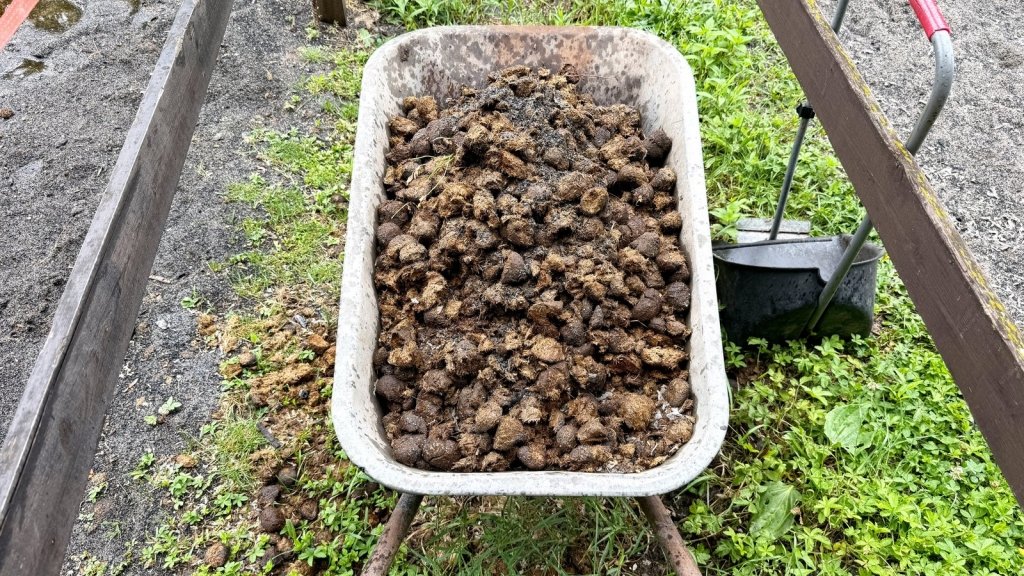
Herbicide Residue in Manure, Straw and Bought Compost
Cupped, twisted, fern-like new growth after a load of manure, compost or straw usually means a persistent pasture herbicide came with it. Here is how to recognise it, how to test the next load in pots of pea seed, and what to do with a bed that is already affected.
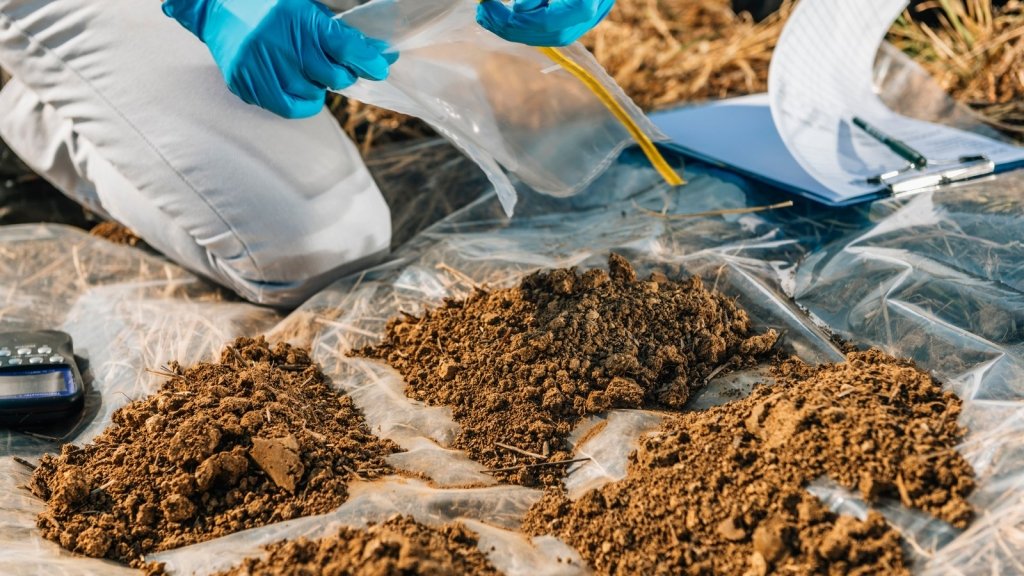
Is My Soil Safe to Grow Food In? Lead and Other Backyard Contaminants
Lead from old paint is the contaminant that actually matters in most Australian backyards, and it concentrates in the soil against the walls. How to get a real test, what the 300 mg/kg guideline means, and what to do at each result.
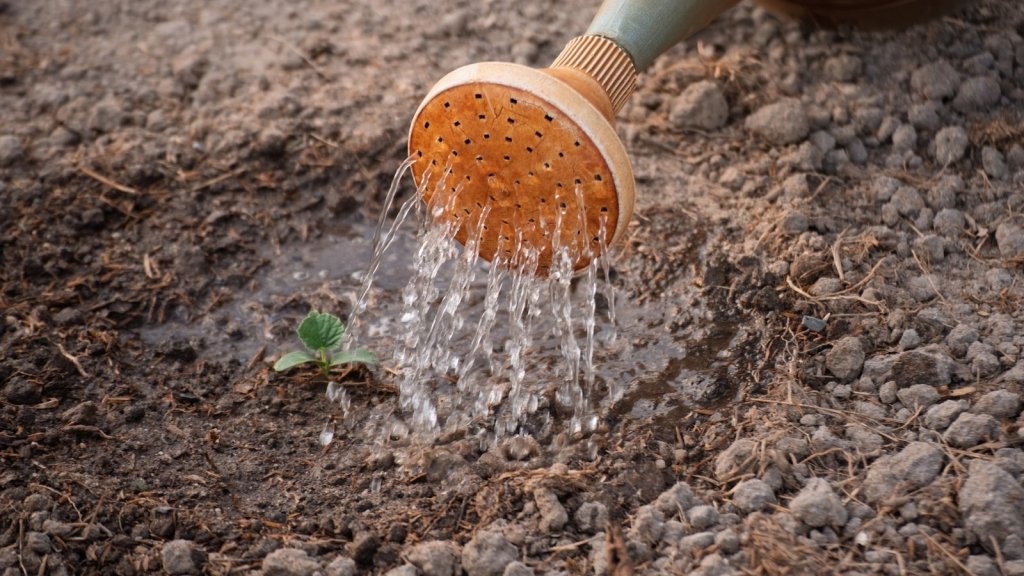
Water-Repellent Soil: Why Your Sand Stays Dry and How to Fix It
If water beads and runs off your beds instead of soaking in, the soil has turned hydrophobic. Here is why it happens and how to fix it for good.

Waterlogged Soil: What to Do When the Garden Will Not Drain
Puddles that linger, yellowing plants and a sour smell mean roots are drowning. Here is how to drain, raise and rebuild a waterlogged bed.
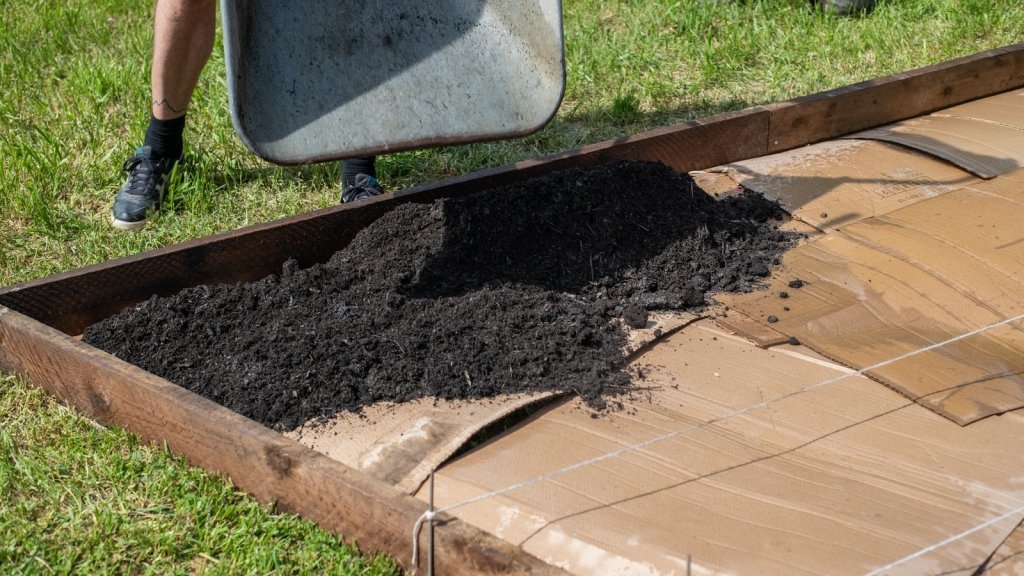
No-Dig Beds: How to Build a Weed-Free Garden Bed with Sheet Mulching
Turn lawn or a weedy patch into a productive bed without digging: cardboard, compost, manure and mulch in the right order, what it will and will not smother, and when you can plant.
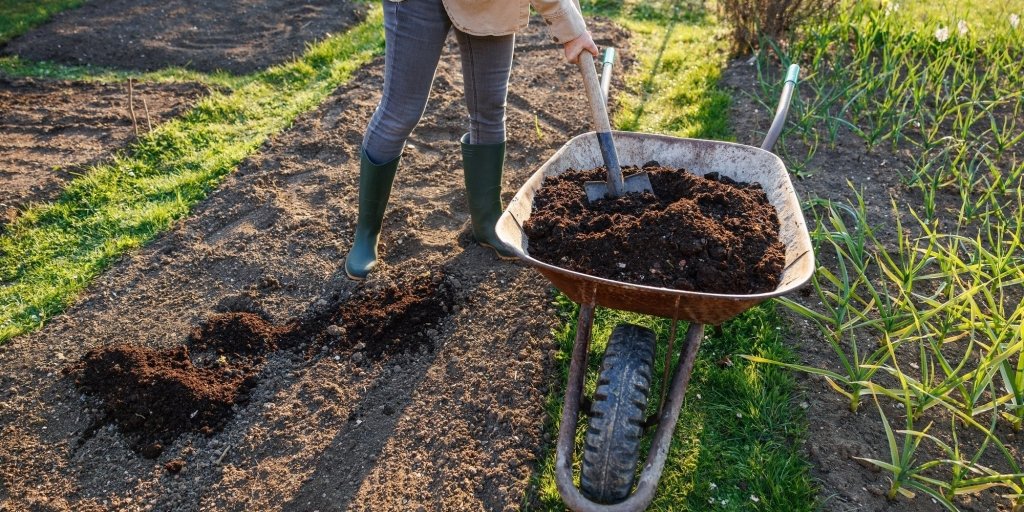
How to Prepare a Garden Bed for Planting
Why bed preparation matters
Bed preparation quietly decides how the rest of the season goes. Plants need soil that holds them upright, lets roots r...
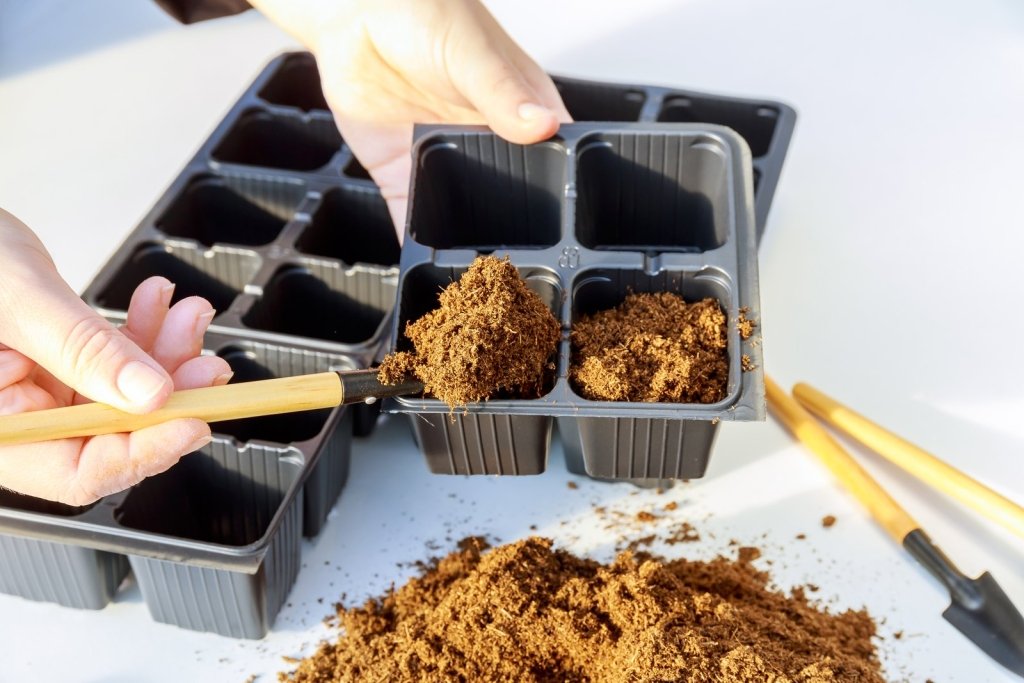
Understanding Your Garden Soil Before You Sow
Two different jobs
Soil advice gets confusing because two different jobs keep getting mixed together. Improving the ground you grow crops in is one...

Sandy, clay or loam? Understanding and improving your soil type
Sand, clay or loam? Once you know which soil you have, you can work with its strengths and patch its weaknesses. Here is how to read and improve yours.

Soil pH explained: why it matters and how to nudge it
Soil pH quietly shapes how well your vegetables grow. Here is what the scale means, why it matters, and how to nudge your soil into the right band.

Getting on top of weeds: organic strategies that actually work
You will never beat weeds for good, but you can stay ahead of them. Here are the organic strategies that genuinely work in an Australian garden.
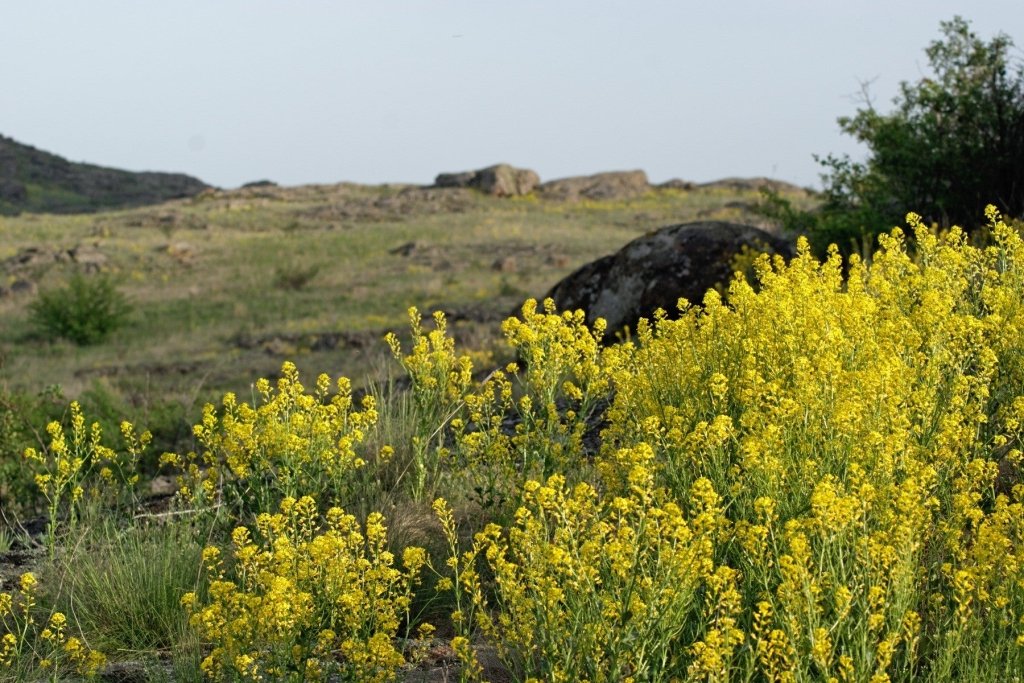
Brassica Biofumigation: A Home Gardener’s Guide to Natural Soil Disease Control
Are soil diseases building up in your garden? Brassica plants produce natural fumigant compounds that can suppress pathogens such as Verticillium and root-knot nematodes when chopped and incorporated into moist soil. Here’s how the science works, which species to use, and the step-by-step technique that makes the difference.