
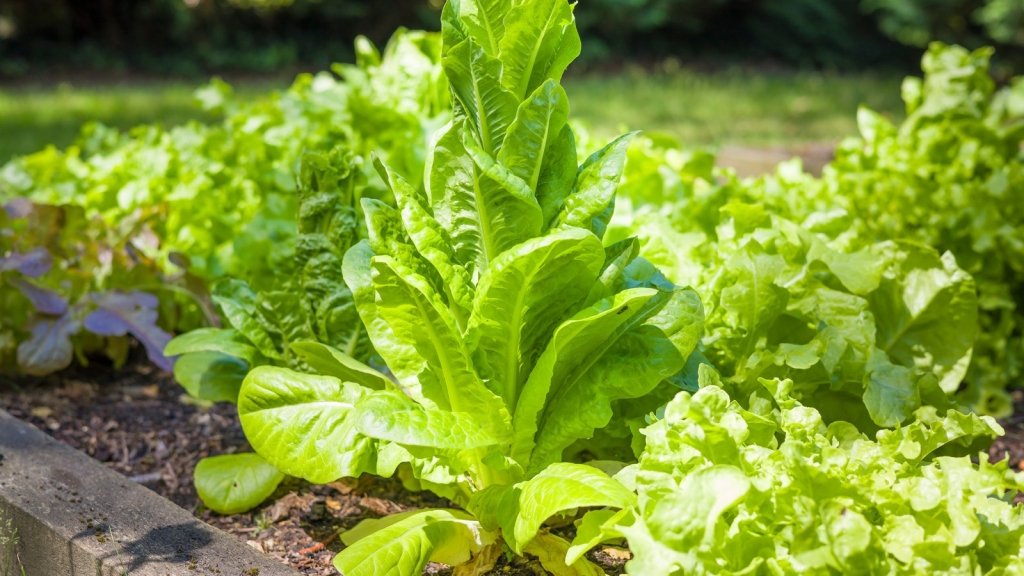
The short version: Bolting is a vegetable switching from leaves or roots to flowers and seed. Three things set it off: warmth and lengthening days (lettuce, spinach, rocket, Asian greens, radish), a cold spell followed by warmer weather in biennials such as onions, leeks, beetroot, celery, cabbage and silverbeet, and stress from dry soil or disturbed roots. It cannot be reversed, but it can be delayed: sow in the right window for your zone, choose slow-bolting varieties, shade, mulch and water steadily. Sowing little and often and picking young puts the harvest first.
It tends to happen in one warm week. The lettuce that was all soft rosettes on the weekend has a green spire climbing out of its centre by Friday, and the leaves taste sharp. Further along, the spinach is stretching too, and the autumn onions have each pushed up a stiff stalk with a papery bud on top.
None of that means your care has failed. Each plant has read a signal, warmth, longer days, a winter behind it or a dry spell, as its cue to make seed. Learn which signal each crop listens for and you can time your sowings so the harvest comes before the flowers.
What bolting is, and why a plant does it
Bolting is the plant changing jobs. It stops building the leaves, heart or root you wanted and sends up a stem from its centre to flower and set seed. ABC Organic Gardener notes the usual result: lettuce turns bitter, mustard greens turn fiercely hot and some leaves go tough. Root crops stop swelling, says the Royal Horticultural Society.
For an annual such as lettuce, flowering is the natural end of life, reached early. A biennial such as an onion, which normally flowers in its second year, has been convinced that a winter has passed. The RHS adds that bolting shows as a crop nears maturity but starts much earlier, which is why it seems to come from nowhere.
Trigger one: warmth and lengthening days
The leafy annuals flower when days stretch out and the weather warms, and spring delivers both at once.
- Lettuce is a quantitative long-day plant, a Queensland Government study notes: bolting begins when days run past 13 hours and temperatures sit well above its preferred range. Varieties differ in heat tolerance, and moisture stress makes it worse.
- Spinach bolts worst in late spring as days lengthen and temperatures climb, says the Canberra Organic Growers Society (COGS).
- Rocket, mustard and the Asian greens can go from fresh leaf to flower stalks from one week to the next in spring, Organic Gardener observes. COGS blames the fast-lengthening spring days, with some greens also bolting in heat or when short of water.
- Radish runs to flower in heat or drought, and the RHS counts some radish varieties as day-length sensitive.
- Coriander follows the same rules and has its own guide: our coriander bolting guide.
Trigger two: a cold spell, then warmer weather
A long cold spell early in a biennial's life can stand in for winter, and when the weather warms it flowers a year early. The RHS links this to prolonged cold, often while plants are young. The cold has to last: for carrot, the same Queensland series puts flower induction at six to eight weeks below 10°C, hurried along by lengthening days.
- Onions and leeks. Onion bolting is a cold response. Day length decides when the bulb forms (short-day types start bulbing at 11 to 12 hour days); size plus cold decides whether it flowers. The same COGS page says autumn-sown short-day seedlings should be no bigger than a pencil when winter arrives, and NSW DPI's onion guide warns that sowing too early can end in bolting. Leeks shrug off frost but go to seed once spring warms, so use them before then.
- Beetroot answers to both triggers: the RHS lists it among the cold-triggered biennials, and Organic Gardener advises lifting spring beetroot before hot weather makes it bolt.
- Celery and celeriac can bolt after cold on young plants, COGS warns of celeriac, and the RHS keeps celery seedlings above 10°C for the same reason.
- The cabbage family. Cabbage is a biennial, and a long cold spell can start a seed stalk. Chinese cabbage (wombok) bolts mainly from cold during early growth, which makes it tricky to grow into or out of winter. For cauliflower that buttons or bolts, see our guide to cauliflower head problems.
- Silverbeet is a biennial picked in its first season before it can go to seed. In Perth, the WA agriculture department notes, cold winter conditions may send it to seed in spring, and more plants bolt as a long-picked crop ages.
Trigger three: dry soil and disturbed roots
Stress brings bolting forward. Lettuce left to dry out may run to seed, turn bitter or die, Sustainable Gardening Australia warns, and COGS says spinach bolts under water or nutrient stress. Too much nitrogen can also make hearting lettuce bolt before it forms a head, notes a Queensland Government guide for growers.
Root disturbance matters for fast crops with touchy roots. The RHS sows spinach direct because transplanting can make it more prone to bolting, and COGS says radishes do not transplant well. Lettuce moves happily, but age counts: Organic Gardener warns that a tired punnet of overgrown seedlings can head straight to seed after planting.
How to slow bolting down
An annual will flower in the end, but bolting can be postponed long enough for a proper harvest.
- Sow in the right window for your zone. Grow leafy crops through mild weather, not your hottest weeks; in cool districts that makes summer lettuce season. Autumn-sown onions should meet winter small.
- Sow little and often. The Northern Territory's Alice Springs lettuce guide suggests planting every fortnight, so one bolted row hardly matters. Our succession planting guide sets out the rhythm.
- Choose slow-bolting varieties. They delay bolting rather than prevent it; NSW DPI notes the silverbeet Compacta Slo Bolt has a slower seed set, and for lettuce Organic Gardener rates cos bolt resistant and the loose-leaf types among the most heat tolerant.
- Shade and mulch in the heat. The Alice Springs guide recommends mulch to keep soil moist and cool, and midsummer shade to reduce bolting. In summer, Organic Gardener gives lettuce about half a day of sun, preferably morning sun. Our heatwave guide covers which shade cloth to buy.
- Keep the water steady. Aim for soil that is evenly moist but not waterlogged, as COGS advises for Asian greens, and check it a finger deep, not just the surface.
- Sow direct, or plant young. Sow spinach, radish and coriander where they will grow; plant lettuce and onion seedlings while small.
- Keep cold off the cold-triggered crops. Match onion sowing dates to the variety. Plant celery and celeriac out once the soil has warmed, as COGS advises; the RHS delays planting celery if cold weather is forecast. Cover young plants with frost cloth on cold spring nights, which Organic Gardener suggests.
- Pick young. Lettuce leaves grow steadily more bitter once a flower head starts, Organic Gardener notes, so pick before a stalk appears.

What to do once a plant has bolted
Bolting cannot be undone: the switch is made well before the stalk shows, so water and shade will not turn it back. You still have options.
- Pick what is still good, straight away. With silverbeet, Gardening Australia suggests pinching out flower buds as they appear. With onions, the RHS says to remove flower stems as soon as they form and use those bulbs first, since they will not store well.
- Eat the flowers. Organic Gardener suggests rocket, mustard, bok choy, kale and lettuce flowers for spring salads.
- Leave a few for the bees. Bees crowd onto bolted brassicas, Organic Gardener notes, and pollinate your other crops while they visit.
- Save the seed, with care. Take it from the plants in a sowing that bolt last, not first, as Oregon State University advises for a more heat-tolerant lettuce. Seed from an F1 hybrid will not come true to the parent, and some crops cross with their neighbours, so read our seed saving guide first.
- Pull the rest and resow with something suited to the coming season. In summer, silverbeet often replaces spinach, since NSW DPI notes it does not easily go to seed in hot weather.

Bolting and sowing time in each climate zone
These notes draw on state guides and commercial growing seasons. Your state's planting guide and the seed packet have the final word.
- Tropical (Darwin in the Northern Territory, Cairns and Townsville in Queensland): heat is the trigger most of the year. A Northern Territory Government note keeps Top End lettuce plantings to the cooler months of April to July because hot weather makes the plants flower, and favours cos and non-hearting types.
- Subtropical (Brisbane and south-east Queensland, northern New South Wales): spring warms early. Lockyer Valley growers plant lettuce from February to June and cut most of it by late September, as late-spring heat spoils it, a Queensland lettuce study found. Sow greens from late summer into winter; SGA gives February to May for early onions in warm northern areas.
- Arid and semi-arid (Alice Springs in the Northern Territory, Broken Hill in far western New South Wales, Mildura in north-west Victoria, Kalgoorlie in Western Australia): summer heat does the damage. The Alice Springs guide sows cool-season hearting varieties in April to June, and warns that even hearting types bred for heat still bolt in midsummer. Give spinach and Asian greens the cooler months.
- Temperate (Sydney and the central and southern New South Wales coast, Melbourne in Victoria): a long, mild season. Southern Victoria's commercial lettuce runs September to May, the Queensland study notes, so summer lettuce is realistic in the south with shade on hot days. Around Sydney, SGA gives March to May for early onions and June or July for mid-season types.
- Mediterranean (Perth and the wider south-west of Western Australia, Adelaide in South Australia): hot, dry summers. Top-quality lettuce at Gingin, north of Perth, stops by early December and resumes in April, the same study reports, while Manjimup further south produces better summer lettuce. Winter chill in Perth can also send silverbeet to seed in spring. In Adelaide as in Perth, sow greens from autumn and shade late-spring sowings.
- Cool and alpine (Tasmania, Ballarat in Victoria, Canberra and the ACT, the New South Wales tablelands around Orange and Armidale, Stanthorpe in Queensland): summer is lettuce season, and Granite Belt growers near Stanthorpe plant it from August to March. Spring is the testing time, with fast-lengthening days and cold-triggered bolting: keep autumn-sown early onions pencil-thin going into winter, and SGA suggests sowing onions progressively from April to September in the cold south.
These zones are broad groupings. If your garden sits between two, or up on a range, lean on local cues such as your first and last frosts and how early the hot days arrive.
Frequently asked questions
Can I stop a plant bolting once it has started?
No. The switch happened before the stalk appeared, so pick what is usable and resow. Pinching out silverbeet buds can keep its leaves coming a little longer.
Why does bolted lettuce taste so bitter?
Once a flower head starts, the leaves turn steadily more bitter, and a lettuce that has dried out tastes bitter too. Pick early and keep the water even.
Why did my onions go to seed in spring?
Sowing too early for the variety is the cause NSW DPI warns about: the plants grow too big before the cold weeks arrive, and the cold tells them to flower. For autumn-sown early onions, COGS puts the limit at pencil thickness going into winter. Our guide to onions not forming bulbs covers matching the variety to the sowing date.
Can I save seed from a plant that has bolted?
Often, if the variety is open-pollinated rather than an F1 hybrid, and ideally from the plants in a sowing that bolt last. Let the seed dry on the plant, and check whether the crop crosses with nearby relatives before counting on it coming true.
A bolting plant is keeping its own calendar, and once you know that calendar, you can plan the sowings so the picking comes first.
Related growing guides
Browse our lettuce seeds, where the product pages note which varieties are slower to bolt, and the leafy vegetable seeds for spinach, silverbeet and Asian greens to sow through the cooler months.