
How to Grow Buckwheat Cover Crops in Australia
Buckwheat is a fast, frost-tender summer cover crop that smothers weeds and flowers for bees. Sow after the last frost into warm, moist soil. Scatter 7 to 8 g of seed per square metre and rake it 10 to 25 mm deep. Cut it when the patch turns white with flowers, about 5 to 8 weeks after sowing, then dig it in or leave it as mulch.
| Sun | Full sun to part shade |
|---|---|
| Water | Keep moist for the first month |
| Soil | Free-draining, pH 5.4 to 6.5 |
| Feed | Minimal; no nitrogen feed needed |
| Spacing | Scatter 7 to 8 g per square metre |
| Depth | 10 to 25 mm |
| Germination | 3 to 10 days; quickest above 13°C |
| Harvest | Cut in flower, 5 to 8 weeks from sowing |
| Container | Not suited to pots |
| Frost | Tender; a light frost kills it |
| Use | Summer cover crop and flowers for bees |
Buckwheat (Fagopyrum esculentum, family Polygonaceae) is a fast, frost-tender annual grown as a summer cover crop. Closer kin to rhubarb than to wheat, it shades out weeds within weeks, copes with poor soil and fills with small white flowers for bees. The usual slip is the cutting: too early and it regrows, too late and it seeds itself through the next crop.
Three mistakes that matter
- Sowing before the frosts are over. A single light frost kills buckwheat, and seed sown into cold, wet soil sits and rots. Wait for the cue When to plant gives, then sow into warm, moist soil for a quick, even start.
- Sowing thin or patchy. Weeds grow up through any gap wider than about 25 cm, which undoes the reason for sowing it. Scatter the full rate evenly over a fine, firm bed, as Sowing Seeds describes.
- Cutting at the wrong moment. Mown before the patch is well in flower, it can regrow from the lower stems. Left until seeds turn brown, it drops them through the next crop. Cutting and Digging In gives the window.
When to plant
Sow after the last frost, into soil of 13°C or more for a quick start, and stop about eight weeks before the first autumn frost. Each sowing is ready to cut in five to eight weeks, so a long summer fits two or three crops in a row.
| Zone | Example cities | Sow | Harvest | Notes |
|---|---|---|---|---|
| Tropical | Darwin, Katherine NT; Cairns, Townsville QLD; Kununurra WA | Apr-Aug | May-Oct | Easiest in the dry season with irrigation; in the wet, sow only free-draining beds between downpours. |
| Subtropical | Brisbane, Bundaberg QLD; Coffs Harbour, Lismore NSW | Aug-Apr | Sep-Jun | Sow between summer storms, because soaked soil rots seed. Inland valleys stop by April, before light frosts. |
| Arid and semi-arid | Alice Springs NT; Broken Hill, Dubbo NSW; Mildura VIC; Kalgoorlie WA | Oct-Nov and Feb-Mar | Nov-Jan and Mar-May | Sow after spring frosts, which can run to early October inland. Irrigate, and finish autumn sowing by early March. |
| Temperate | Sydney, Newcastle, Wollongong NSW; Melbourne, Geelong VIC | Oct-Feb | Nov-Apr | Sydney can start in October. In Melbourne, the cold end, wait for November and stop by early February. |
| Mediterranean | Perth, Bunbury WA; Adelaide and the SA coast | Oct-Mar | Nov-May | Water every few days through the long, dry summer; March sowings grow on in the milder autumn. |
| Cool and alpine | Canberra ACT; Ballarat VIC; Orange, Armidale NSW; Stanthorpe QLD | Nov-Jan | Dec-Mar | Sow once frosts end and cut before autumn frost. It has been grown for grain on the NSW tablelands. |
In hot, dry weather, water the bed a few days before sowing so the seed lands in moist soil. Hold off if heavy rain is forecast, because the seed rots in soil that stays saturated even for a few hours.
Site, soil and setup
Choose an open bed that is resting between crops, or a patch of tired or newly cleared ground. The fine roots need loose, crumbly soil, so heavy clay that stays wet is a poor choice.
| Factor | Setup |
|---|---|
| Light | Full sun to part shade |
| Soil | Light to medium, free-draining loam or sandy loam; it copes with low fertility better than cereal grains do |
| pH | It tolerates acid soil: 6.0 to 6.5 is best, and it grows down to 5.4; if a soil test reads below 5.4, apply dolomite lime at 100 to 200 g per square metre, 4 weeks before sowing |
| Drainage | Essential: it does not tolerate waterlogging and does not recover from flooding; see waterlogged soil |
| Bed preparation | Pull weeds, loosen hard ground without overworking it, and rake to a fine, firm surface; no manure or fertiliser is needed |
| After another crop | Wait about a week after digging in fresh plant material, because sowing straight in can leave gaps from seed rot |
| Rotation | It is not a legume and adds no nitrogen; it fits between vegetable crops |
Sowing Seeds
Sow Green Manure Buckwheat seeds straight into the bed: the seed is large and quick to come up, so no tray is needed.
Sowing direct
- Rake the bed to a fine, firm surface, clear of clods and weeds.
- Scatter 7 to 8 g of seed per square metre, enough to cover the thinner spots.
- Rake the seed in 10 to 25 mm deep; seed buried deeper than about 40 mm comes up poorly and unevenly.
- Water in gently and keep the surface moist until seedlings appear.
- Lay shade cloth over the bed if birds take the seed, and lift it once seedlings are up.
- Expect seedlings in 3 to 5 days in warm soil, or up to 10 days in cooler soil.
Sown in rows 15 to 20 cm apart, about 5 g per square metre is enough, so 500 g covers 100 square metres. Scattering takes more seed but is quicker.
Care by growth stage
Moisture in the first month decides the crop, because buckwheat is not drought tolerant. Most garden soils need no feeding.
| Stage | Water | Feed | Watch for |
|---|---|---|---|
| Sowing to emergence, days 0 to 10 | Keep the surface moist; do not let a crust form | None | Seed rot after heavy rain; birds taking seed |
| Seedlings, weeks 1 to 3 | Water deeply whenever the top few centimetres dry | Seaweed solution at half strength, 15 mL per 9 L, fortnightly, only on poor sandy soil | Cut stems and collapsing seedlings (see Pests and diseases) |
| Leafy growth, weeks 3 to 5 | A deep soak in hot, dry spells | None | Wilting that lasts into the next morning; weeds in any gaps |
| First flowers to cutting, weeks 5 to 8 | Keep watering steady right up to cutting | None | The patch turning white with flowers, and the first seeds forming |
On very poor sand where growth stalls, a light dose of all-purpose controlled release granular (NPK around 14-5-10) scratched in at sowing can help. Where water beads on dry, sandy soil, a wetting agent at the label rate helps it soak in.
Companion planting
Buckwheat earns a place near summer vegetables for its flowers, but it smothers anything slow that shares its bed.
Grows well with
- Pumpkins, zucchini and other summer crops, where a flowering strip nearby draws hoverflies, predatory wasps and ladybirds that attack aphids and mites.
- Strawberries, sown on the bed a summer ahead of planting to cut down weeds before the runners go in.
- Autumn vegetables sown after it, which go into the loose, weed-suppressed soil it leaves behind.
Keep apart
- Slower cover crops such as lablab in the same sowing, because buckwheat is ready weeks earlier and seeds itself if left for the others.
- Small, slow vegetable seedlings in the same bed, which its quick, dense canopy shades out.
Cutting and Digging In
Cut when the patch has just turned white with flowers, usually 5 to 8 weeks after sowing. By then the first flowers are 7 to 10 days old. If seeds have begun to form, cut and dig in the same day, because seed on cut stems can still ripen.
- Cut low with a mower, a whipper snipper or shears.
- Chop the tops, so they break down faster.
- Fork them lightly into the topsoil, or leave them on the surface as mulch.
- Wait 4 to 6 weeks before sowing seed into a dug-in bed, or plant seedlings through surface mulch sooner.
- Pull any stems that survive the cut or regrow, and hoe out later seedlings while small.
Keep leftover seed in a sealed jar somewhere cool and dry. Germination can fall quickly in storage, so test older seed on damp paper towel before sowing a bed.
Weed lists, state by state
Buckwheat has naturalised in New South Wales and Western Australia, and the Queensland and Victorian records are doubtful. No state or territory declares it a weed, and Western Australia lists it as permitted. Its earliest seed can drop before flowering ends, so cutting on time keeps it in the bed.
| State or territory | List | Buckwheat |
|---|---|---|
| Queensland | Prohibited and restricted invasive plants | Not listed; doubtfully naturalised |
| New South Wales | State and regional priority weeds, all 11 regions | Not listed; occasionally naturalised on the coast, the tablelands, the western slopes and the north western plains |
| Western Australia | Western Australian Organism List | Permitted (section 11); naturalised around Manjimup in the south west |
| Northern Territory | Declared weeds | Not listed |
| South Australia | Declared plants | Not listed |
| Victoria | Declared noxious weeds | Not listed; doubtfully naturalised |
| Tasmania and ACT | Declared weeds; declared pests | Not listed |
Common problems
Gaps in the stand. Heavy rain soon after sowing, a crusted surface or seed sown too deep can leave bare patches (see Three mistakes that matter). Resow the gaps once the soil is moist but not soggy.
Wilting on hot afternoons. This is normal, and plants usually perk up overnight. If they are still limp the next morning, the soil is dry: water deeply.
Tall stems falling over. Too much nitrogen or a very dense sowing makes stems spindly, and wind or heavy rain lays them flat. Skip the feeding and cut on time.
Weeds breaking through. A slow start in cool or wet weather gives weeds the lead, and so does extra nitrogen. Pull them early, and wait for warm soil next time. Read more
Pests and diseases
Buckwheat has few pests or diseases in Australia, and most trouble comes while the seedlings are small.
Rutherglen bug (Nysius vinitor). Mottled grey-brown bugs 3 to 4 mm long that breed on weeds and move into crops in large numbers as the weeds dry off. Read more
Cutworms (Agrotis species). Dark, hairless caterpillars up to 50 mm long that hide in the soil by day and cut seedlings off at ground level at night. Scratch the soil beside a felled seedling to find and remove them. Read more
Damping off (Pythium species and Rhizoctonia solani). Soil-borne pathogens rot seed before it emerges, or leave a sunken, water-soaked mark at ground level so seedlings fall over. Wet soil and cold weather make it worse. Read more
Prevention first
- Clear weeds in and around the bed 3 to 4 weeks before sowing.
- Sow into warm, free-draining soil, so seedlings race away.
- Check the bed every few days for the first three weeks for cut or collapsed seedlings.
- Avoid overwatering, and water in the morning so the surface dries by night.
Tips
- For bees, sow a new strip every week to ten days, so one is coming into flower as the last is cut.
- If the bed had bought manure, straw or compost, sow a few seeds in a pot of its soil first. Buckwheat is sensitive to herbicide residue, and stunted seedlings give it away.
- Keep grazing stock off the crop: eating buckwheat can cause photosensitisation (skin damage in bright sunlight).
- Follow it quickly with the next crop or a winter cover crop. The soft stems break down fast and leave loose soil open to erosion.
- To grow buckwheat for its tender shoots in the kitchen, see Buckwheat Greens.
Due to quarantine restrictions and our shipping policy, we cannot send Green Manure Buckwheat seeds to Tasmania. Western Australian orders are limited to 10 kg.
Questions
When should I dig in a buckwheat cover crop?
Cut it when the patch has just turned white with flowers, usually 5 to 8 weeks after sowing. That is within 7 to 10 days of the first flowers. Cut before any seeds turn brown. Fork the chopped tops lightly into the soil or leave them as mulch, then wait 4 to 6 weeks before sowing seed.
Will buckwheat grow back after mowing?
Yes, if it is cut too early. Buckwheat mown before it is well in flower can regrow from its lower stems. Wait until the patch is white with flowers, cut it low, and pull any stems that regrow.
Is buckwheat a weed in Australia?
No state or territory declares it a weed, and Western Australia lists it as permitted. It has naturalised in New South Wales and Western Australia. Cut it before the seed ripens, and hoe out any seedlings that come up later.
How much buckwheat seed do I need per square metre?
Scatter 7 to 8 g per square metre, so the cover has no thin spots. Sown in rows 15 to 20 cm apart, about 5 g per square metre is enough, so 500 g covers 100 square metres.
Can I sow buckwheat in winter?
Not where frost falls, because a single light frost kills it. In frost-free tropical gardens, sow in the dry season with irrigation. Elsewhere, sow after the last frost and cut before the first autumn frost.
Is buckwheat good for bees?
Yes. Its small white flowers are rich in nectar and draw honey bees, hoverflies and predatory wasps. Because each patch is cut within about 10 days of flowering, sow a new strip every week to ten days to keep flowers going.
Grow it
Tap Add beside a size to put it in your cart. You stay on this page.
- Green Manure - Buckwheat seedsFrom $11.69

More cover crops to sow in October
All cover cropsBiofumigant Mustard
How to grow biofumigant mustard as a cover crop in Australia: when to sow, how to chop and dig it in at first flower, what it can do, and the state weed lists.
| Position | Full sun; tolerates part shade |
|---|---|
| Depth | 5 to 10 mm |
| Spacing | Broadcast, rate per blend |
| First pick | When a quarter flower, about 5 to 16 weeks |
Chicken Forage Mix
Grow a chicken forage patch in Australia: when and how to sow the mix, keeping hens off until it roots, rotational grazing and which plants need a safety check.
| Position | Full sun to part shade |
|---|---|
| Depth | 5 to 10 mm |
| Spacing | 2 to 3 g per square metre |
| First pick | First graze 8 to 14 weeks |
Cover Crop Mixes
How to grow cover crop mixes in Australia: choosing a mix by season and soil temperature, sowing rates, when to cut and dig in, and state weed list status.
| Position | Full sun, 6 hours or more |
|---|---|
| Depth | 1 to 2 cm; 2 to 3 for cereals |
| Spacing | Broadcast; rate varies by mix |
| First pick | 6 to 16 weeks, at flowering |
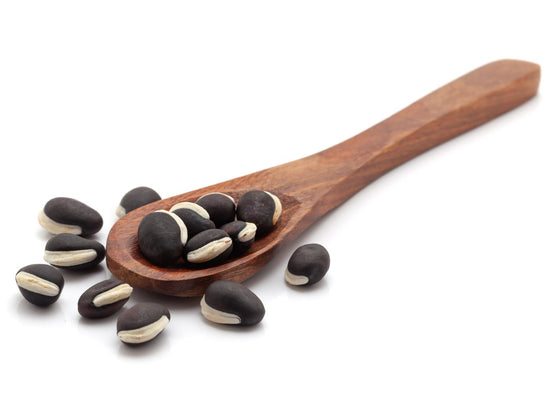
Lablab
How to grow lablab as a summer cover crop in Australia: sowing rate, depth and inoculant, when to slash and dig it in, and where it stands on state weed lists.
| Position | Full sun |
|---|---|
| Depth | 30 to 50 mm |
| Spacing | 2 g per square metre |
| First pick | At first flower buds or before frost |