
How to Grow Chicken Forage Mix in Australia
Chicken forage mix is a blend of twelve forage plants for chooks. Sow it in autumn or spring, broadcasting 2 to 3 g per square metre and raking it no deeper than 10 mm. Keep the hens off until most plants are 15 to 20 cm tall and firmly rooted. Then graze in short visits down to about 5 cm, and rest the patch three to four weeks.
| Sun | Full sun to part shade |
|---|---|
| Water | Damp to establish, then deep soaks in dry spells |
| Soil | Well drained; about pH 6 or above |
| Feed | Little; compost and seaweed on poor soil only |
| Spacing | 2 to 3 g per square metre |
| Depth | 5 to 10 mm |
| Germination | Starts in 2 to 3 days in moist soil |
| Harvest | First graze 8 to 14 weeks |
| Container | Seedling tray, or 30 cm pot |
| Frost | Buckwheat dies with frost; perennials carry on |
| Use | Grazing patch or cut greens for chooks |
Chicken forage mix blends twelve forage plants, among them pea-family legumes (Fabaceae) such as lucerne (Medicago sativa) and sub clover (Trifolium subterraneum). It is sown as a cover crop or forage patch for chooks to graze, or for greens to cut and carry to the run. What decides whether a patch lasts is keeping the hens off until it has rooted.
Three mistakes that matter
- Letting the chooks in too early. Hens scratch out seedlings and pull up young plants before their roots can hold. Keep the flock off until most plants stand 15 to 20 cm tall and resist a tug, as Grazing and Cutting describes.
- Grazing it to the ground. Plants eaten or scratched to bare soil lose the crowns they regrow from, and the patch can thin with every visit. Move the hens off at about 5 cm, then rest the patch.
- Burying the seed. Most seeds in the mix are small, and seed covered by more than about 10 mm of soil is slow to come up or fails. Rake it in lightly and firm the surface, as Sowing Seeds sets out.
When to plant
Sow in autumn or spring, into moist soil warm enough for quick growth: chicory establishes fast once the soil passes 12°C. Millet and sunflower are summer plants, while buckwheat grows fast in mild, moist weather, wilts in dry heat and dies with frost.
| Zone | Example cities | Sow | Harvest | Notes |
|---|---|---|---|---|
| Tropical | Darwin, Katherine NT; Cairns, Townsville, Mackay QLD | Apr-Aug | Jun-Nov | Sow in the dry season and water steadily until established; wet season heat and downpours are hard on seedlings. |
| Subtropical | Brisbane, Bundaberg, Rockhampton QLD; Coffs Harbour, Lismore NSW | May-Sep | Jul-Dec | Mild winters suit an autumn or winter sowing. Sow in August or September for more summer growth. |
| Arid and semi-arid | Alice Springs NT; Broken Hill, Dubbo NSW; Mildura VIC; Port Augusta SA | Mar-Apr and Aug-Sep | May-Nov | Water steadily until established. Inland frost from May kills buckwheat; the perennials carry on. |
| Temperate | Sydney, Newcastle, Wollongong NSW; Melbourne, Geelong VIC | Mar-May and Aug-Oct | May-Jan | In Melbourne, the cold end, sow by April or wait for spring, so seedlings establish before the cold. |
| Mediterranean | Adelaide and the SA coast; Perth, Bunbury WA | Mar-May and Aug-Sep | Jun-Dec | Around Adelaide, sow on the autumn rains and water the perennials steadily through the dry summer. |
| Cool and alpine | Canberra ACT; Ballarat VIC; Orange, Armidale NSW; Stanthorpe QLD | Feb-Mar and Sep-Oct | Nov-May | Spring sowing is safest where frost is regular; autumn seedlings must be well grown before the first frosts. |
In frosty districts a spring sowing is safer, because autumn seedlings must be well grown before the first frost. Outside the tropics and subtropics, avoid a mid-winter sowing.
Site, soil and setup
Put the patch beside the run or in a fenced section of it, so the hens can be let in and shut out easily.
| Factor | Setup |
|---|---|
| Light | Full sun suits most of the mix; part shade is tolerated |
| Drainage | Well drained; waterlogging kills lucerne, and chicory is unlikely to persist in heavy, poorly drained clay |
| pH | Lucerne needs slightly acid to alkaline soil, about pH 6 or above on a garden test kit; below that, rake in garden lime at 100 to 200 g per square metre, several months ahead where possible and at least 4 weeks before sowing |
| Bed preparation | Clear weeds, above all grasses, and rake to a fine, firm surface; on poor soil, dig in a 5 cm layer of compost first |
Container growing
With no room for a patch, sow 1 to 2 g of seed in a seedling tray, then set it in the run when grown. For a pot to cut from, use one at least 30 cm across holding 10 to 15 L of premium potting mix. The blend has no compact varieties to choose between.
- Watering: keep the mix evenly damp until seedlings show, then water when the surface dries.
- Feeding: seaweed solution at half strength, 15 mL per 9 L, fortnightly from the first true leaves.
- Position: full sun to part shade, out of the hens' reach until plants are about 10 cm tall.
- Turnover: take a tray out before it is eaten bare and let it reshoot, or resow it.
Sowing Seeds
Broadcast Chicken Forage Seeds Mix straight onto the patch where it will grow, because the hens graze it in place.
Sowing direct
- Where clover, lucerne or medic have not grown before, coat the seed with inoculant (root nodule bacteria) matched to each, or they fix little nitrogen.
- Scatter 2 to 3 g of seed per square metre over a raked, weed-free bed, so 100 g sows 33 to 50 square metres.
- Rake lightly so no more than 10 mm of soil covers the seed; small chicory and clover seed does best at about 5 mm.
- Firm the surface with the back of the rake or a roller, then water gently and keep it damp until the seedlings are up.
- Germination starts within 2 to 3 days in moist soil. Buckwheat shows in 3 to 5 days, and most of the mix within about a week.
- Leave the seedlings unthinned; the patch grows as one dense sward.
Protecting the patch
Any of these methods keeps the hens out while the patch roots.
| Method | How it works |
|---|---|
| Cage | A wire-mesh cover or temporary fence over the sown bed, lifted off for each graze |
| Grazing frame | A timber frame topped with chicken wire, or firmer 12 mm welded mesh for grass-like greens, held 7 to 15 cm above the soil; hens peck the tips that grow through but cannot scratch out the roots |
| Resting | A fenced section of the run, closed off while the patch establishes and again between grazings |
| Two patches | A strip 1.5 to 2 m wide on each side of the coop, one grazed while the other rests |
Care by growth stage
Water decides how soon the patch is ready to graze. The legumes fix their own nitrogen once root nodules form, and grazing hens manure the patch, so it needs little feeding.
| Stage | Water | Feed | Watch for |
|---|---|---|---|
| Germination, about week 1 | Keep the surface damp; water lightly whenever it starts to dry | None | Silvered leaves (redlegged earth mite) or clear windows in leaves (lucerne flea) |
| Seedlings, weeks 1 to 5 | Water deeply whenever the surface dries | Seaweed solution at half strength, 15 mL per 9 L, fortnightly, on poor soil only | Slugs and snails after rain; hens finding a way in |
| Establishing, week 5 until the first graze | A deep soak once a week in dry spells | None | Aphids on lucerne and medic tips |
| Grazing and rest, from week 8 to 14 on | Keep watering steady through each graze and rest, so regrowth stays leafy | Fish and seaweed blend, 25 mL per 9 L, fortnightly, only while regrowth is pale after a hard graze | Plants eaten below 5 cm; bare, scratched hollows |
| End of the season | A deep soak for the perennials in dry spells; none for plants dying back | None | Millet, sunflower and buckwheat dying with the first frost; sub clover and medic setting seed in spring |
If growth stalls on poor, sandy soil, scratch in a light dose of all-purpose controlled release granular (NPK around 14-5-10) and water it in.
Companion planting
Hens help plants they cannot easily damage and harm young or cropping ones.
Grows well with
- Established fruit trees, where hens catch pests such as fruit fly and codling moth.
- Comfrey along the outside of the run fence, which hens pick through the wire without destroying. It holds liver-harming alkaloids, so keep it a small share of their greens.
Keep apart
- Vegetable beds in crop, which scratching hens damage; let them in only between crops.
- Young fruit trees, which need a wire cage until they are established.
Grazing and Cutting
The patch is ready when most plants stand 15 to 20 cm tall and resist a tug, often 8 to 14 weeks after sowing.
- Let the hens in for a quick graze, not a long stay.
- Move them off when plants are down to about 5 cm.
- Rest it three to four weeks in fast growth, six weeks or more when growth slows.
- Graze lightly from late autumn to early spring, when regrowth is slow.
- To cut and carry, shear leaves to about 5 cm and toss an armful into the run.
- Graze or cut often in spring to keep chicory leafy, not stalky.
There is nothing to store: cut fresh each morning, only as much as the flock finishes. Offer the greens alongside the hens' usual feed, not in place of it.
| Plant | Lasts | Grows mainly | What poultry sources say |
|---|---|---|---|
| Sub clover (Trifolium subterraneum) | Annual; returns from seed | Autumn to spring | Clovers flagged on one general list for photosensitisation (skin damage in sunlight) |
| Clover, species not stated (Trifolium) | Not stated; white clover is perennial | White clover: spring to autumn | As for sub clover |
| Barrel medic (Medicago truncatula) | Annual; returns from hard seed (seed that stays dormant) in the soil | Autumn to spring | Not flagged |
| Lucerne (Medicago sativa) | Perennial | Spring to autumn | Not flagged |
| Forage chicory (Cichorium intybus) | Perennial | Spring to autumn | Not flagged |
| Forage plantain (Plantago lanceolata) | Perennial | All year, most in warm months | Not flagged |
| Cocksfoot (Dactylis glomerata) | Perennial grass | Some types rest over summer | Long, fibrous grass can lodge in a hen's crop (crop binding) |
| Millet, species not stated | Annual | Summer | Not flagged |
| Sunflower (Helianthus annuus) | Annual | Summer, in warm soil | One general list says it may hold toxic levels of nitrate |
| Buckwheat (Fagopyrum esculentum) | Annual | Mild, frost-free months; wilts in dry heat | Flagged for photosensitisation; the compounds, fagopyrins, are richer in the green plant than in the grain |
| Linseed (Linum usitatissimum) | Annual | Winter and spring | Whole plant flagged as cyanogenic (releases cyanide), the immature seed pods most |
| Bok choy (Brassica rapa) | Annual | Cool months | Cabbage-family leaves flagged as goitrogenic (affecting the thyroid) |
Resowing
The annuals die out within the year, though sub clover and barrel medic return each autumn if they set seed in spring. Lucerne, chicory, plantain and cocksfoot can carry on for several years with rest between grazings. To thicken a thin patch, let chicory seed as Common problems describes, or rake bare spots and oversow in the next window.
Weed lists, state by state
None of the twelve appears on the declared weed lists of the other states and territories, or on Western Australia's declared plants page. Several are naturalised, though: in New South Wales chicory is a common roadside weed and plantain a widespread garden weed.
| State or territory | List checked | What it says |
|---|---|---|
| Queensland | Prohibited and restricted invasive plants | None of the twelve listed |
| New South Wales | State and regional priority weeds, all 12 regions | None listed; the North Coast lists Aleman grass, a different Echinochloa from any millet |
| Victoria | Declared noxious weeds | None listed |
| South Australia | Declared plants | None listed |
| Western Australia | Declared plants | None on the declared plants page; the full Western Australian Organism List is the legal reference |
| Tasmania | Declared weeds | None listed |
| Northern Territory and ACT | Declared weeds; declared pest plants | None listed |
Common problems
A bare, scratched patch. Too many hens or too little rest strips the cover (see Three mistakes that matter). Fence off half, oversow it and graze the halves in turn.
Patchy seedlings. Dry soil, deep sowing or weeds leave gaps. Rake the bare spots and resow while the soil is moist and warm.
Lucerne fading out. Waterlogged or acid soil kills lucerne first. Fix drainage and lime as Site, soil and setup describes, or let acid-tolerant chicory and clover fill in.
Chicory disappearing. Grazing animals pick out chicory first, so it thins under constant grazing. Give it rests of six weeks or more from late spring into autumn so it can seed.
Tall, stalky growth. A patch left ungrazed through spring runs to stems that hens leave. Graze it more often, and slash old stems in a dry spell, not just before rain.
Pests and diseases
The patch draws the pasture pests of southern Australia, which do most harm to seedlings in autumn and spring.
Redlegged earth mite (Halotydeus destructor). Mites about 1 mm long, velvety black with orange-red legs, feed in groups and turn leaves silvery white. Seedlings can die as they emerge.
Lucerne flea (Sminthurus viridis). Light green-yellow springtails up to 3 mm long, often with darker mottling, rasp clear windows in clover and lucerne leaves. They thrive in moist weather.
Bluegreen aphid (Acyrthosiphon kondoi). Matt blue-green aphids up to 3 mm long cluster on lucerne, medic and sub clover tips, mostly in spring. Hoverfly larvae, lacewings and ladybirds eat them. Read more
Spotted alfalfa aphid (Therioaphis trifolii). Pale yellow-green aphids about 2 mm long, with rows of tiny black spots, feed under lucerne, medic and clover leaves, mostly in autumn. Veins yellow, then leaves drop. A hard graze sets them back.
Cabbage white butterfly (Pieris rapae). Velvety green caterpillars chew the bok choy in the mix. Hens pick caterpillars off the leaves, so a grazed patch rarely needs more. Read more
Prevention first
- Clear capeweed and other broadleaf weeds before sowing, as they carry earth mites.
- Check seedlings every few days for their first five weeks.
- Graze well in spring, down to about 5 cm, to cut mite numbers the next autumn.
- Keep flowering plants nearby for the insects that eat aphids.
Tips
- Plant the patch downslope of the run, to catch nutrients washed out in heavy rain.
- Brace a grazing frame with extra cross supports, because the mesh sags once hens stand on it.
- Judge each visit by the plants, not the clock: a flock eats greens faster than most keepers expect.
Due to quarantine restrictions and our shipping policy, we cannot send Chicken Forage Seeds Mix to Western Australia or Tasmania.
Questions
How long before chickens can graze a new forage patch?
Usually 8 to 14 weeks after sowing. Wait until most plants stand 15 to 20 cm tall and resist a tug, so the hens cannot pull them out. Until then, keep the flock off with a cage, a grazing frame or a fence.
How much chicken forage seed do I need per square metre?
Broadcast 2 to 3 g per square metre and rake it in no deeper than 10 mm. In a seedling tray, sow 1 to 2 g.
When should I sow chicken forage mix?
Sow in autumn or spring, into moist soil. In temperate gardens that means March to May or August to October. In frosty districts spring is safer, and in the tropics the dry season suits it best.
Are all the plants in chicken forage mix safe for chickens?
Most are standard forage plants. One general poultry list flags buckwheat, linseed, both clovers, sunflower and bok choy, while other lists name none of the twelve. Offer the patch as part of a varied diet, keep linseed a small share and off limits once green pods form, and graze cocksfoot young.
How do I stop chickens destroying the forage patch?
Let them graze in short visits and move them off when plants are down to about 5 cm. Then rest the patch for three to four weeks. Two patches used in turn, or a grazing frame the plants grow through, keep the crowns safe.
Does chicken forage mix come back every year?
Partly. Lucerne, chicory, plantain and cocksfoot are perennials that can last several years with rest between grazings. Sub clover and barrel medic return from seed if allowed to seed in spring, while the other annuals need resowing.
Grow it
Tap Add beside a size to put it in your cart. You stay on this page.
- Chicken Forage Seeds MixFrom $2.99

More cover crops to sow in October
All cover cropsBiofumigant Mustard
How to grow biofumigant mustard as a cover crop in Australia: when to sow, how to chop and dig it in at first flower, what it can do, and the state weed lists.
| Position | Full sun; tolerates part shade |
|---|---|
| Depth | 5 to 10 mm |
| Spacing | Broadcast, rate per blend |
| First pick | When a quarter flower, about 5 to 16 weeks |
Cover Crop Mixes
How to grow cover crop mixes in Australia: choosing a mix by season and soil temperature, sowing rates, when to cut and dig in, and state weed list status.
| Position | Full sun, 6 hours or more |
|---|---|
| Depth | 1 to 2 cm; 2 to 3 for cereals |
| Spacing | Broadcast; rate varies by mix |
| First pick | 6 to 16 weeks, at flowering |
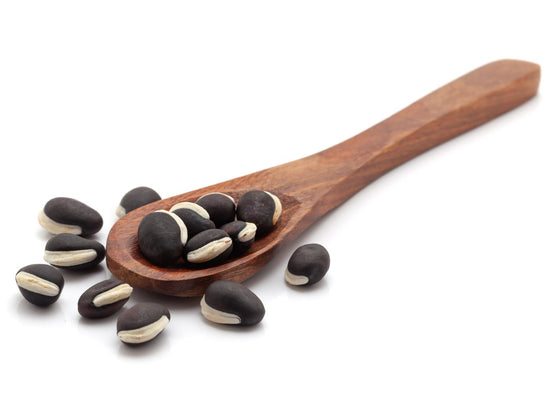
Lablab
How to grow lablab as a summer cover crop in Australia: sowing rate, depth and inoculant, when to slash and dig it in, and where it stands on state weed lists.
| Position | Full sun |
|---|---|
| Depth | 30 to 50 mm |
| Spacing | 2 g per square metre |
| First pick | At first flower buds or before frost |