
How to Grow Lablab in Australia
Lablab is a heat-loving summer legume grown as a cover crop. Sow once the soil holds 18°C and frosts are over. Coat the seed with a Group J inoculant and sow 50 g per 25 square metres, 30 to 50 mm deep. Cut it as the first flower buds appear or before the first frost, then dig it in or leave it as mulch.
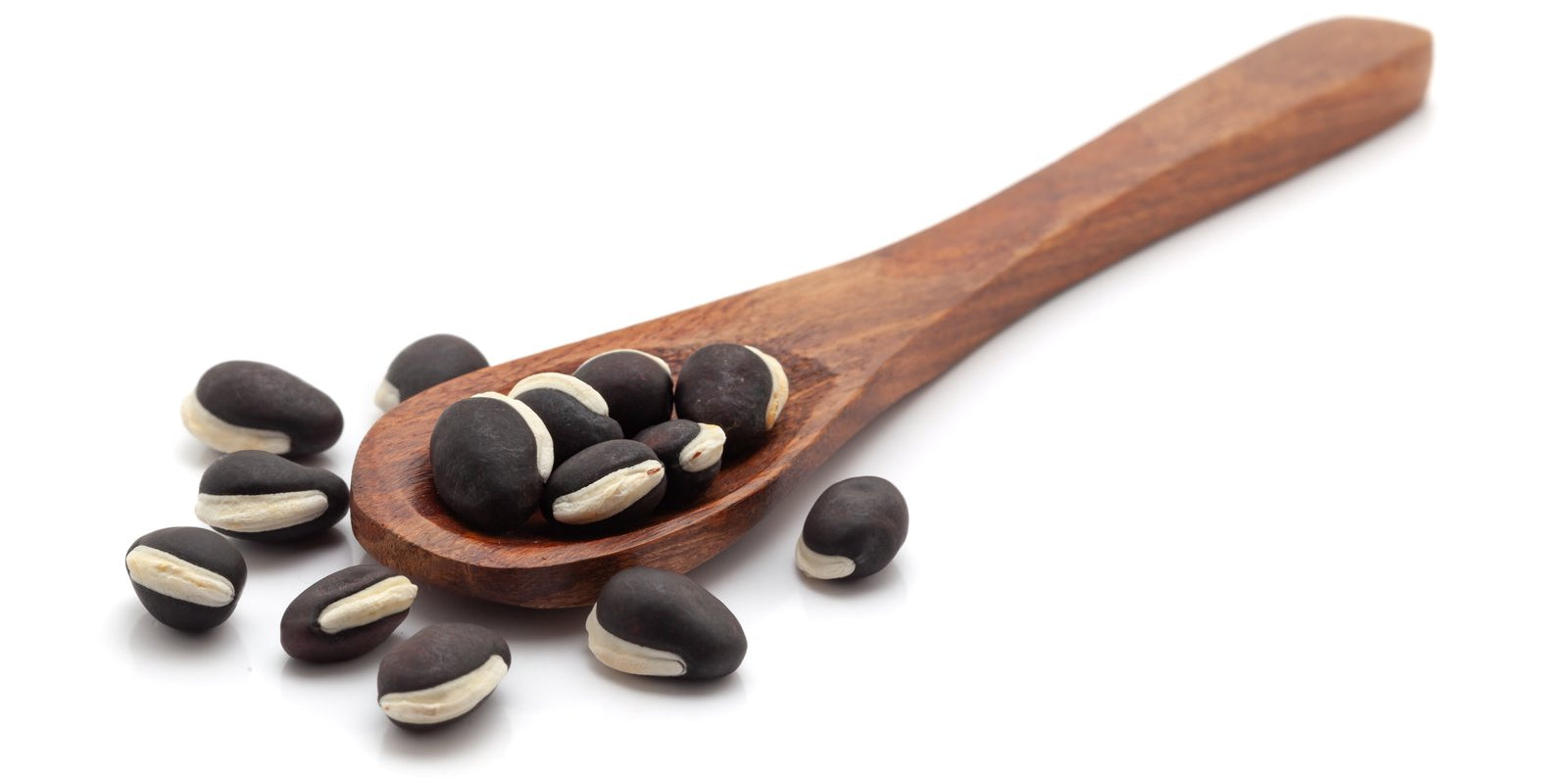
| Sun | Full sun |
|---|---|
| Water | Moist to establish, then drought tolerant |
| Soil | Free-draining, pH 5.0 to 7.5 |
| Feed | Minimal; inoculate seed, no nitrogen feed |
| Spacing | 2 g per square metre |
| Depth | 30 to 50 mm |
| Germination | 5 days to 3 weeks; soil 18°C |
| Harvest | At first flower buds or before frost |
| Container | Not suited to pots |
| Frost | Tender; tolerates only very light frost |
| Use | Summer cover crop, dug in or mulched |
Lablab (Lablab purpureus, pea family, Fabaceae), or hyacinth bean, is a fast, twining summer legume grown as a cover crop for resting soil. It handles heat and dry spells, smothers weeds and fixes its own nitrogen, so it suits a bed left empty over the hottest months. Where gardeners go wrong is timing: sown into cold soil it stalls, and left past flowering it sets seed.
Three mistakes that matter
- Sowing into cold soil. Lablab is a tropical plant, and seed sown into cool, damp soil comes up slowly and patchily, if at all. Wait for the soil temperature When to plant gives, with the frosts behind you.
- Letting it flower and set seed. Once the crop is in full flower its nitrogen content falls, and ripe pods drop seed that comes up in the next crop. Cut it as it nears flowering, as Slashing and Digging In describes.
- Sowing seed straight into the dug-in crop. Fresh green material breaks down fast, and for several weeks that burst of activity can hold back germinating seed. Slashing and Digging In gives the wait, and a way round it.
When to plant
Soil temperature decides it. Sow after the last frost, once the soil holds a steady 18°C at sowing depth at 9 am for three or four days running. One sowing covers a bed for the summer. In the tropics lablab grows year round wherever there is moisture.
| Zone | Example cities | Sow | Harvest | Notes |
|---|---|---|---|---|
| Tropical | Darwin, Katherine NT; Cairns, Townsville QLD; Broome, Kununurra WA | Nov-Jan | Jan-May | Sow with the wet season rains into beds that drain freely; with irrigation it grows year round. |
| Subtropical | Brisbane, Gold Coast, Bundaberg QLD; Coffs Harbour, Lismore NSW | Sep-Jan | Nov-Apr | Sow once soil holds 18°C; earlier sowings give more growth before autumn. Frost is rare on the coast. |
| Arid and semi-arid | Alice Springs NT; Broken Hill, Dubbo NSW; Mildura VIC; Kalgoorlie WA | Oct-Dec | Dec-Mar | Needs regular irrigation to establish. Cut before inland frosts start in May; a wetting agent helps dry soil. |
| Temperate | Sydney, Newcastle, Wollongong NSW; Melbourne, Geelong VIC | Oct-Jan | Dec-Apr | Sydney can sow from October. In Melbourne, the cold end, sow November to December once the soil warms. |
| Mediterranean | Perth, Bunbury WA; Adelaide and the SA coast | Oct-Dec | Dec-Mar | A summer crop here needs steady watering through the long, dry heat; soak the bed before sowing. |
| Cool and alpine | Hobart, Launceston TAS; Canberra ACT; Ballarat VIC; Orange NSW | Dec | Feb-Mar | Only in a warm summer, once the soil holds 18°C. Frost returns early, so cut before the first frost. |
At the cool edge of a window, sow early, because a late sowing can meet frost before it reaches cutting size. At the hot, dry edge, soak the bed a day or two before sowing, because the seed needs moist soil to come up.
Site, soil and setup
Pick a sunny bed that is resting over summer, clear of fences, shrubs and bushland. The stems run 3 to 6 m and twine through anything nearby.
| Factor | Setup |
|---|---|
| Light | Full sun; it does poorly in moderate to heavy shade |
| Soil | Deep sand to heavy clay, as long as it drains; it has low salt tolerance |
| pH | 5.0 to 7.5 (in water); below that, apply dolomite lime at 100 to 200 g per square metre, 4 weeks before sowing |
| Drainage | Essential: it does not tolerate poor drainage or prolonged waterlogging, so skip any bed that holds water after rain; see waterlogged soil |
| Bed preparation | Pull weeds, dig in a 5 cm layer of compost and rake to a fine surface; on poor sandy soil, rake in bone meal at 100 g per square metre |
| Rotation | Follow it with a hungry leafy or fruiting crop, and rotate with a grass crop such as corn to keep diseases down |
Sowing Seeds
Sow Green Manure Lablab seeds straight into the bed: the seed is large, quick to come up and needs no tray.
Preparing the seed
Coat the seed with a Group J inoculant (a peat culture of the rhizobia bacteria that let lablab fix nitrogen). Moisten the seed with a little milk or methyl cellulose glue (5 g per litre of water), not plain water, so more rhizobia survive. Stir in the inoculant until every seed is coated, then sow within 24 hours, keeping it out of the sun. Store the inoculant in the fridge and use it before its expiry date. No soaking or nicking is needed, because the common annual forage types have soft seed.
Sowing direct
- Clear weeds, then dig and rake the bed to an even surface.
- Scatter 50 g of seed over 25 square metres, about eight seeds per square metre, or sow in rows 20 to 40 cm apart.
- Cover the seed 30 to 50 mm deep in moist soil and firm it down.
- Water in well, and lay shade cloth over the bed if birds dig for the seed, lifting it once seedlings appear.
- Expect seedlings from about 5 days in warm soil, and up to 3 weeks when it is cooler.
Some growers sow up to twice as thick for quicker cover. Where lablab or cowpeas grew recently, the right rhizobia may already be in the soil, though inoculating is still the safe choice.
Care by growth stage
Moisture in the first month decides this crop. Once its taproot is down, lablab draws water from 2 m deep. It makes its own nitrogen, so it needs no nitrogen feed at all.
| Stage | Water | Feed | Watch for |
|---|---|---|---|
| Germination, weeks 0 to 2 | Keep the top few centimetres moist; do not let a crust form | None | Patchy emergence (see Common problems) |
| Seedlings, weeks 2 to 5 | Water deeply whenever the surface dries | Seaweed solution at half strength, 15 mL per 9 L, fortnightly, only on poor sandy soil | Bean fly, cutworms and cowpea aphid, the risk period for young legumes |
| Vines running, weeks 5 to 8 | A deep soak in long dry spells; established plants tolerate drought | None | Stems climbing fences and shrubs; pull them back onto the bed |
| Full cover, week 8 to cutting | Keep watering steady right up to cutting, so the tops are lush and break down fast | None | Flower buds, a frost forecast, and pink nodules (small root lumps that house the rhizobia) on a lifted root |
To check the inoculant, lift one plant at 8 to 10 weeks. Plenty of pink nodules near the top of the root means it is fixing nitrogen. If a soil test shows a trace element shortfall, a soluble trace element mix at the label rate corrects it.
Companion planting
Lablab pairs best with tall summer grasses and worst with low crops it can climb over.
Grows well with
- Corn, which lablab can climb; sow the lablab about four weeks after the corn so it does not smother the young stalks.
- Millet or forage sorghum, summer grasses that add bulk while the legume adds nitrogen.
- French marigolds (Tagetes patula), a summer cover crop dug in to help control root-knot nematode.
Keep apart
- Beans, because bean fly moves from older legume plantings onto young ones.
- Tomatoes, in a bed with root-knot nematode (see Pests and diseases).
- Pumpkins and other low, sprawling crops, which the vines climb over and shade out.
Slashing and Digging In
Cut the crop as the first flower buds appear, or before the first frost if that comes sooner. Most types flower in autumn as the days shorten, whatever the sowing month. The canopy is usually full 8 to 12 weeks after the seedlings emerge, so it can be cut then if the bed is needed.
- Slash or mow the plants low: cutting below 15 cm kills many plants, though some regrow from the base.
- Chop the tops finely, so they break down faster.
- Dig them into the top 15 cm of soil, or leave them on the surface as mulch.
- Wait 4 to 6 weeks before sowing seed into a dug-in bed.
- If the bed is needed sooner, leave the tops as surface mulch and plant through it.
- Dig out any regrowth before it flowers.
In northern New South Wales, early types flower in April, while late types are often killed by frost before they flower. Leftover seed stays viable for two to three years if kept dry, cool and dark.
Weed lists, state by state
Lablab has naturalised in Queensland, New South Wales and Western Australia, including the Kimberley, and the Northern Territory record is doubtful. No state or territory declares it, and Western Australia lists it as permitted. Pasture references rate its weed potential low, because volunteers (self-sown plants) rarely return beyond one year. Cutting before seed set keeps it in the bed.
| State or territory | List | Lablab |
|---|---|---|
| Queensland | Prohibited and restricted invasive plants | Not listed; naturalised |
| New South Wales | State and regional priority weeds, all 12 regions | Not listed; occasionally naturalised on the coast, the north western slopes and Lord Howe Island |
| Western Australia | Western Australian Organism List | Permitted (section 11); naturalised in the Kimberley, around Perth and elsewhere |
| Northern Territory | Declared weeds | Not listed; doubtfully naturalised |
| South Australia | Declared plants | Not listed; the declared "dolichos pea" is a different plant, Dipogon lignosus |
| Victoria, Tasmania and ACT | Declared noxious weeds; declared weeds; declared pests | Not listed |
Common problems
Gaps in the bed. Seed sown too deep, into dry soil or before the soil warmed often fails to come up (see Three mistakes that matter). If warm, moist soil still leaves gaps, dig for wireworms, shiny cream to tan larvae up to 35 mm long that eat germinating seed. Pick out any you find, and resow once the soil is warm and moist.
Pale, slow plants. Few or no pink nodules on the roots means the rhizobia did not take, often because the inoculant was old or sun-baked. Wet, poorly drained soil gives the same look.
Blackened leaves in autumn. Frost has caught the crop, which tolerates only very light frost. Cut and dig in what is left, and sow earlier the next summer.
Pests and diseases
Young lablab is most at risk in its first four weeks. Once established it is fairly free of root diseases, though caterpillars and locust swarms can chew the growing tips and leaves.
Bean fly (Ophiomyia phaseoli). Tiny shiny black flies leave pale pinprick marks in the leaves, and their maggots tunnel into the stems, sometimes killing seedlings. It is worst in tropical and subtropical coastal gardens. Hill soil around damaged stems 2 to 3 weeks after germination, so new roots form.
Cowpea aphid (Aphis craccivora). Shiny black aphids with black and white legs cluster on shoot tips and can stunt seedlings. Hose them off with a firm jet of water. Read more
Cutworms (Agrotis species). Smooth grey-brown to black caterpillars that hide in the soil by day and cut seedlings off at ground level at night. Scratch the surface near a felled seedling to find and remove them. Read more
Root-knot nematode (Meloidogyne species). Microscopic soil worms that swell roots into galls, which, unlike nodules, cannot be rubbed off. Lablab is a host, so it can keep numbers up in an infested bed. Read more
Sclerotinia stem rot (Sclerotinia sclerotiorum). A stem rot recorded on lablab in Queensland, most likely in wet conditions. Rotting stems carry white, cottony growth and small black lumps (sclerotia) that survive years in soil. Bin affected plants rather than digging them in, and follow with a grass crop such as corn.
Prevention first
- Clear volunteer legumes and weeds such as phasey bean before sowing.
- Rake off debris and clods, where cutworms hide by day.
- Check seedlings twice a week for leaf pinpricks, aphid colonies and cut stems.
- Choose a free-draining bed and do not overwater.
Tips
- Keep lawn weed sprays well away: lablab is highly sensitive to hormone herbicides such as 2,4-D and dicamba, and drift can damage it.
- Before planting a new garden bed, grow one crop of lablab to cover the ground, suppress weeds and ease compaction first.
- Sowing with millet or forage sorghum, cut the lablab rate by about a quarter and the grass rate by half, so neither swamps the other.
Questions
When should I dig in a lablab cover crop?
Cut it as the first flower buds appear, or before the first frost. Most types flower in autumn, but the canopy is full 8 to 12 weeks after emergence, so it can be cut sooner if needed. Dig the chopped tops into the top 15 cm or leave them as mulch, then wait 4 to 6 weeks before sowing seed.
Do I need to inoculate lablab seed?
It is the safe choice. Lablab fixes nitrogen only with the right rhizobia bacteria, and it takes a Group J inoculant. Coat the seed just before sowing and sow within 24 hours. A bed that grew lablab or cowpeas recently may already hold the bacteria.
Is lablab a weed in Australia?
It is not a declared weed in any state or territory, and Western Australia lists it as permitted. It has naturalised in Queensland, New South Wales and Western Australia, so cut it before it sets seed and keep it away from bushland.
Can you eat lablab beans from a cover crop?
No. This seed is sold for a cover crop. Raw or undercooked lablab beans contain cyanogenic glycosides, which release cyanide, so keep the seed and pods out of the kitchen.
How much lablab seed do I need?
About 50 g covers 25 square metres, which is roughly 2 g, or eight seeds, per square metre. Some growers sow up to twice as thick for quicker cover.
Will lablab grow in Melbourne, Hobart or Canberra?
In Melbourne, sow in November or December once the soil warms. In Hobart and Canberra it suits only the warmest months. Sow there in December and cut the crop before the first frost, because it tolerates only very light frost.
Grow it
Tap Add beside a size to put it in your cart. You stay on this page.
- Green Manure - Lablab seedsFrom $19.29

More cover crops to sow in October
All cover cropsBiofumigant Mustard
How to grow biofumigant mustard as a cover crop in Australia: when to sow, how to chop and dig it in at first flower, what it can do, and the state weed lists.
| Position | Full sun; tolerates part shade |
|---|---|
| Depth | 5 to 10 mm |
| Spacing | Broadcast, rate per blend |
| First pick | When a quarter flower, about 5 to 16 weeks |
Chicken Forage Mix
Grow a chicken forage patch in Australia: when and how to sow the mix, keeping hens off until it roots, rotational grazing and which plants need a safety check.
| Position | Full sun to part shade |
|---|---|
| Depth | 5 to 10 mm |
| Spacing | 2 to 3 g per square metre |
| First pick | First graze 8 to 14 weeks |
Cover Crop Mixes
How to grow cover crop mixes in Australia: choosing a mix by season and soil temperature, sowing rates, when to cut and dig in, and state weed list status.
| Position | Full sun, 6 hours or more |
|---|---|
| Depth | 1 to 2 cm; 2 to 3 for cereals |
| Spacing | Broadcast; rate varies by mix |
| First pick | 6 to 16 weeks, at flowering |