
How to Grow Cover Crop Mixes in Australia
Choose a cover crop mix by soil temperature. Sow cool-season mixes of cereals, peas and clover from autumn. Sow summer mixes of soybean, mung bean and buckwheat once the soil holds 15°C to 18°C. Broadcast at the listed rate, rake in 1 to 2 cm deep and keep moist for two weeks. Cut at first flowers, before seed sets, then dig in or mulch.
| Sun | Full sun, 6 hours or more |
|---|---|
| Water | Moist for two weeks, then as needed |
| Soil | Most drained soils; legumes prefer pH 6.5 to 7.5 |
| Feed | Minimal; no nitrogen before legume mixes |
| Spacing | Broadcast; rate varies by mix |
| Depth | 1 to 2 cm; 2 to 3 for cereals |
| Germination | 3 to 14 days, by species |
| Harvest | 6 to 16 weeks, at flowering |
| Container | Not suited to pots |
| Frost | Cool-season mixes tolerate frost; summer mixes do not |
| Use | Cover crop, dug in, mulched or mown |
Cover crop mixes blend legumes such as field pea (Pisum sativum, Fabaceae) with cereals such as oats (Avena sativa, Poaceae). Many add buckwheat (Fagopyrum esculentum). Sown to cover resting soil and then cut back into it, the legumes add nitrogen and the cereals add organic matter. Where gardeners go wrong is season: each mix suits a soil temperature, and the wrong one stalls.
Three mistakes that matter
- Sowing the wrong mix for the season. Summer species such as soybean, mung bean and buckwheat sit still in cold soil and die in frost. Cereals and ryegrass slow down in summer heat. Match the mix to the soil temperature in Choosing a mix.
- Letting it set seed. Once a cover crop has fully flowered, its nitrogen content falls, and ripe seed comes up as weeds through the next crop. Ryegrass, millet and early-seeding buckwheat are the ones to watch. Cut at first flowers, as Cutting and Digging In describes.
- Sowing seed straight into the dug-in crop. Fresh green material breaks down fast, and for a few weeks that activity can hold back germinating seed. Cutting and Digging In gives the wait, and a way round it.
When to plant
Soil temperature decides which mix goes in. Cool-season mixes want soil between about 8°C and 20°C, so autumn is their season, and Anzac Day sits inside the southern window. Summer mixes need soil above 15°C to 18°C, after the last frost. One bed can carry a cool mix from autumn to spring, then a summer mix until autumn.
| Zone | Example cities | Sow | Harvest | Notes |
|---|---|---|---|---|
| Tropical | Darwin, Katherine NT; Cairns, Townsville QLD; Broome, Kununurra WA | Mar-Jun and Sep-Jan | May-Sep and Nov-Apr | Cool-season mixes in the dry season; summer mixes with the wet season build-up, or year round with water. |
| Subtropical | Brisbane, Gold Coast, Bundaberg QLD; Coffs Harbour, Lismore NSW | Apr-Jun and Sep-Feb | Jul-Oct and Nov-Apr | Wait until late April or May for cool-season mixes; sow summer mixes once soil holds 18°C. |
| Arid and semi-arid | Alice Springs NT; Broken Hill, Dubbo NSW; Mildura VIC; Port Augusta SA | Mar-May and Oct-Dec | Jun-Sep and Dec-Mar | Sow cool-season mixes after autumn rain, before inland frosts; summer mixes need regular irrigation. |
| Temperate | Sydney, Newcastle, Wollongong NSW; Melbourne, Geelong VIC | Mar-May and Sep-Jan | Jul-Oct and Nov-Apr | Early autumn suits cool-season mixes. In Melbourne, the cold end, hold summer mixes until mid-October. |
| Mediterranean | Perth, Bunbury WA; Adelaide and the SA coast | Mar-Jun and Oct-Dec | Jul-Oct and Dec-Mar | Sow cool-season mixes with the autumn rains; summer mixes need steady watering through the dry heat. |
| Cool and alpine | Hobart, Launceston TAS; Canberra ACT; Ballarat VIC; Orange NSW | Mar-Apr and Sep-Dec | Aug-Oct and Nov-Mar | Sow cool-season mixes in early autumn or early spring; summer mixes only after frost, once soil holds 18°C. |
Late in autumn, choose a cereal-based mix, because all three cereals tolerate frost. In hot, dry spells, water a summer mix daily for its first week.
Site, soil and setup
Any resting vegetable bed, a new garden area or the bare ground under fruit trees can carry a mix.
| Factor | Setup |
|---|---|
| Light | Full sun, at least 6 hours of direct sun a day |
| Soil | Most garden soils; field peas rot in waterlogged beds, so choose one that drains |
| pH | Legumes prefer 6.5 to 7.5; on acid soil apply dolomite lime at 100 to 200 g per square metre, 4 weeks before sowing |
| Bed preparation | Pull weeds, loosen the top 5 cm and rake level; on tired soil, fork in a 5 cm layer of compost first |
| Nitrogen | None before a legume mix: extra nitrogen makes the legumes lazy at fixing their own |
| Rotation | Fit a mix wherever a bed rests for 6 weeks or more between crops |
Sowing Seeds
Every mix is broadcast straight onto the bed and raked in: no trays, no transplanting.
Choosing a mix
| Mix | Best for | Season | Soil temperature | Contains | Garden rate |
|---|---|---|---|---|---|
| Green Manure Mix Autumn Winter | Resting a vegetable bed through winter | Autumn; through winter to early Aug where frost-free | Cool season, about 8 to 20°C | Chicory, crimson clover, annual ryegrass, peas, linseed, oats, tillage radish, ryecorn, purple vetch, winter wheat, forage rape and leafy turnip, as seed allows | 100 g covers 12 square metres |
| Green Manure Mix Spring Summer | Resting a vegetable bed through summer | Spring after frost, then summer when rain is due; year round in the tropics | Warm season, above 15 to 18°C | Cowpea, buckwheat, sunflower, vetch, mustard, radish, lablab, fenugreek, rye, oats, mung bean, endive, rocket, purslane, millet and soybean, as seed allows | 100 g covers 12 square metres |
| Nitrogen Powerhouse 5 Legume Soil Fix Mix | Nitrogen before hungry crops | Mar to May or Aug to Oct in the south; Mar to May in the tropics; Apr to May in the subtropics | Cool season, about 8 to 20°C | Brown pea, blue pea, fenugreek, red clover, lucerne (sold as alfalfa) | 40 to 60 g per square metre |
| Soil Regenerator 10 Species Cover Crop Blend | New or worn-out beds, without cereals | Sep to Nov, or Mar to Apr | 12 to 25°C | Blue pea, buckwheat, sunflower, soybean, daikon radish, broccoli, fenugreek, red clover, lucerne, mung bean | 60 to 100 g per square metre |
| Market Garden Quick Flip 6 Week Cover Crop | A short gap between two crops | Warm months, in a 6 to 8 week gap between crops | Above 15°C | Buckwheat, mung bean, fenugreek | 50 to 80 g per square metre |
| Living Mulch and Food Forest Understory Mix | Lasting cover under fruit trees | Autumn in cool and temperate areas; early wet season in the tropics | Cool season in the south, about 8 to 20°C; warm in the tropics | Red clover, lucerne, perennial ryegrass, fenugreek, buckwheat, millet, brown linseed | 30 to 50 g per square metre; 20 to 40 g under fruit trees |
| Erosion Control and Land Rehabilitation Mix | Holding bare soil and slopes | Any time soil is laid bare | Any season | Perennial ryegrass, buckwheat, red clover, soybean, sunflower, millet, mung bean, lucerne | 60 to 80 g per square metre on flat ground; 80 to 120 g on slopes |
| Winter Pasture and Green Cover Mix | Winter cover for beds and orchard alleys | Mar to Aug; not for hot summer sowing | 8 to 18°C | Perennial ryegrass, field blue pea, red clover, fenugreek | 40 to 70 g per square metre |
| Summer Soil Builder Warm Season Green Manure | Summer fallow beds | Oct to Feb in temperate areas; Sep to Apr in the tropics and subtropics | Above 18°C | Soybean, mung bean, black and grey sunflower, buckwheat, millet | 50 to 80 g per square metre |
| Triple Cereal Carbon Builder and Weed Suppressor | Bulk and weed suppression before planting | Mar to Aug; Feb to Oct in most zones; the dry season in the tropics | 8 to 20°C | Oats, wheat, barley | 80 to 120 g per square metre |
| Pollinator and Beneficial Insect Seed Mix | Feeding bees and beneficial insects | Sep to Nov in temperate and cool areas; Mar to May in the tropics and subtropics | Warm season, above 15 to 18°C | Buckwheat, sunflower, red clover, lucerne, fenugreek, golden linseed | 30 to 50 g per square metre |
Three mixes are built to stay rather than be dug in. Living Mulch, Erosion Control and the Pollinator mix settle into lasting clover and lucerne cover. Single-species cover crops, lablab, tillage radish, soybean, buckwheat and millet, each have a guide of their own, as does the Chicken Forage Mix. The two biofumigation blends belong with Biofumigant Mustard, and brassica biofumigation explains the method.
Sowing direct
- Mix fine seed with dry sand so it spreads evenly, then scatter at the rate in the table.
- Rake it in 1 to 2 cm deep, the most its finest seed will take; Triple Cereal, all cereals, can go 2 to 3 cm.
- Water in, and keep the surface moist for 10 to 14 days while the slower species come up.
- Expect buckwheat and mung bean in 3 to 5 days, peas in 5 to 10, and clover and lucerne in 10 to 14.
Legumes fix nitrogen only with their matching rhizobia, soil bacteria that form root nodules. A bed that has not grown that legume for four years or more may lack them. A legume inoculant for the right group, coated on just before sowing and kept out of the sun, supplies them. Peas, clovers, lucerne and the summer beans each take a different group, so a mix can need more than one.
Care by growth stage
Moisture in the first fortnight decides a mix. After that most cover crops look after themselves.
| Stage | Water | Feed | Watch for |
|---|---|---|---|
| Germination, weeks 0 to 2 | Keep the surface moist; water in if no rain is due within 48 hours | None | Birds taking seed; earth mites in southern autumns (see Pests and diseases) |
| Establishing, weeks 2 to 5 | Water deeply whenever the surface dries | Seaweed solution at half strength, 15 mL per 9 L, fortnightly, only on poor sandy soil | Slugs and snails on seedlings; gaps to oversow |
| Full cover, weeks 4 to 8 | A deep soak in long dry spells; established summer mixes cope with drought | None | Armyworms in cereals; aphid colonies on shoot tips |
| Flowering, weeks 6 to 16 | Keep watering steady right up to cutting, so the tops stay lush and break down fast | None | First flowers, and cereal heads swelling in the stem |
Leave Living Mulch unmown for its first 12 weeks, and Erosion Control for 8 to 12 weeks, so the perennials root. If a cereal mix stalls on poor sandy soil, a light dose of all-purpose controlled release granular (NPK around 14-5-10) scratched in can help.
Companion planting
With a cover crop, the companions that matter are the crops that come before and after it.
Grows well with
- Tomatoes, corn, pumpkins and potatoes, hungry crops that follow a legume mix well.
- A legume mix after the Triple Cereal, to make up the nitrogen the cereal straw ties up.
- Fruit trees over Living Mulch, sown with 30 cm kept clear around each trunk.
- Vegetable beds edged with the Pollinator mix, which feeds beneficial insects while it flowers.
Keep apart
- Broccoli, cabbage and other brassicas straight after a radish, rape or mustard mix, which can carry their pests through.
- Carrots and other small seed sown straight after a cereal mix is dug in.
- Ryegrass mixes beside vegetable beds or bushland, because perennial ryegrass persists for years.
Cutting and Digging In
Cut when the first flowers open, before any seed sets; cereals are cut at boot stage, just before the heads emerge from the stem. In a mix, cut before the quickest species, often buckwheat, sets seed. Most annual mixes reach this 6 to 16 weeks after sowing.
- Slash or mow the crop low, then chop it finely so it breaks down faster.
- Dig it into the top 10 to 15 cm, or leave it on the surface as mulch.
- In a no-dig bed, cover the cut crop with a tarp until it has died, about 2 weeks for Quick Flip, and check before planting.
- Wait 2 to 6 weeks before sowing seed into a dug-in bed.
- If the bed is needed sooner, leave the tops as surface mulch and plant through them.
- Mow Living Mulch to 10 to 15 cm once it passes 30 cm. Cut ryegrass before it flowers near anyone with hay fever or asthma, as its spring pollen can trigger both. Let the Pollinator mix flower, then cut it back as the flowers fade, before seed ripens.
Cut tops not needed on the bed make mulch around the rest of the garden. Keep leftover seed dry, cool and dark.
Weed lists, state by state
No species in these mixes is a declared weed in any state or territory, and Western Australia lists every one as permitted. Several are naturalised, though, some are on environmental weed records, and Gardening Australia warns lablab may be one in some areas. Cutting before seed set keeps them in the bed.
| State or territory | Declared list | What it says about the mix species |
|---|---|---|
| Queensland | Prohibited and restricted invasive plants | None listed; perennial ryegrass and chicory are widely naturalised, and millet, native to Asia, is recorded there |
| New South Wales | State and regional priority weeds, all 12 regions | None listed; perennial ryegrass and chicory are recorded as environmental weeds, and millet is a weed of disturbed ground |
| Victoria | Declared noxious weeds | None listed; the listed sand rocket is a different plant from garden rocket; both ryegrasses, chicory and red clover are recorded as environmental weeds |
| South Australia | Declared plants | None listed; the declared Lincoln weed and blue mustard are different plants; chicory is an occasional environmental weed |
| Western Australia | Western Australian Organism List | All permitted, including annual and perennial ryegrass and millet; both ryegrasses, chicory and red clover are recorded as environmental weeds |
| Tasmania | Declared weeds | None listed; chicory is an occasional environmental weed |
| Northern Territory and ACT | Declared weeds; declared pest plants | None listed; the declared Burgu millet and Paddy's lucerne are different plants from the sown millet and lucerne |
Common problems
Seed gone before it sprouts. Birds pick broadcast seed off the surface, leaving bare patches. Lay shade cloth over the bed after sowing and lift it once seedlings appear.
Only buckwheat and millet showing. The fast nurse species come up first and shade the ground while clover, lucerne and ryegrass root below. Give a lasting mix three months before judging it.
Pale, slow legumes. Few or no nodules on a lifted root means the rhizobia did not take (see Sowing Seeds). The legumes then draw on soil nitrogen instead of adding it.
Yellow, slow crop after a cereal mix. Microbes breaking down carbon-rich cereal straw tie up soil nitrogen for a while. Cut cereals younger, leave them as surface mulch, or follow with a legume mix.
Pests and diseases
Seedlings in their first three to five weeks carry most of the risk, and southern autumn sowings meet earth mites.
Redlegged earth mite (Halotydeus destructor) and blue oat mite (Penthaleus species). Velvety black redlegged earth mites, about 1 mm long with eight orange-red legs, silver the leaves of clover, lucerne, peas and cereals. Blue oat mites carry a red mark on the back and feed singly. Both feed from autumn to late spring in southern Australia, and heavy numbers kill seedlings as they emerge.
Lucerne flea (Sminthurus viridis). A light green-yellow springtail up to 3 mm long, often with darker mottling, that rasps clear windows in clover and lucerne leaves. It is worst in moist southern winters and on loam or clay.
Common garden snail (Cornu aspersum) and grey field slug (Deroceras reticulatum). They graze seedlings overnight after rain, leaving slime trails. Hand-pick them after dark. Read more
Common armyworm (Mythimna convecta). Striped, smooth caterpillars up to 40 mm long that hide at the base of plants by day and strip cereal leaves at night. Barley, oats and wheat are among its hosts. Read more
Oat aphid (Rhopalosiphum padi) and cowpea aphid (Aphis craccivora). Colonies suck sap from cereals and legumes, though they rarely do real damage and predators usually clear them. Hose off heavy clusters. Read more
Cutworms (Agrotis species). Caterpillars that hide in the soil by day and cut young seedlings off at or below ground level at night.
Prevention first
- Clear weeds, especially capeweed, well before sowing, because mites, lucerne fleas and cutworms build up on them.
- Check seedlings in the morning or on overcast days, when mites are easiest to see.
- Remove boards, pots and debris where slugs and snails hide by day.
- Avoid broad-spectrum sprays, which kill the predators that keep aphids and armyworms down.
Tips
- Before sowing seed kept from an earlier year, test a few on moist tissue in a small container and watch for roots.
- Sow straight after clearing a finished crop, because bare soil dries out, loses structure and lets weeds in.
- On a slope, sow at the higher rate and rake downhill. A 1 to 2 cm layer of straw over the seed helps stop rain washing it away.
Due to quarantine restrictions and our shipping policy, we cannot send cover crop mixes to Western Australia or Tasmania.
Questions
Which cover crop mix should I sow in autumn?
Choose a cool-season mix: Green Manure Mix Autumn Winter, Winter Pasture, Triple Cereal or Nitrogen Powerhouse. They grow best in soil between about 8°C and 20°C and tolerate frost. Summer mixes with soybean, mung bean and buckwheat stall in cold soil and die in frost.
When should I dig in a cover crop?
Cut it when the first flowers open, before any seed sets, and cut cereals just before the heads emerge. Most annual mixes reach this 6 to 16 weeks after sowing. Chop it finely, then dig it into the top 10 to 15 cm or leave it as mulch.
How long after digging in a cover crop can I plant?
Wait 2 to 6 weeks before sowing seed into the bed. Fresh material breaks down fast and can hold back germinating seed. If you need the bed sooner, leave the cut tops as surface mulch and plant through them.
How much cover crop seed do I need per square metre?
It depends on the mix. Most run from 30 to 120 g per square metre, with cereal mixes and slopes at the heavy end. The two Green Manure Mixes cover more ground: 100 g covers 12 square metres. The table in Choosing a mix gives each rate.
Is ryegrass in a cover crop mix a weed?
Ryegrass is not a declared weed in any state or territory. Perennial ryegrass is recorded as an environmental weed in New South Wales, Victoria and Western Australia, and annual ryegrass is a widespread weed of crops. Cut ryegrass mixes before they set seed and keep them away from bushland.
Do I need to fertilise a cover crop?
Usually not. Legume mixes need no nitrogen, because extra nitrogen slows their own fixing. On poor sandy soil, seaweed solution at half strength fortnightly can help seedlings. A cereal mix that stalls can take a light dose of controlled release granular.
Grow it
Tap Add beside a size to put it in your cart. You stay on this page.
- Green Manure Mix seeds - Autumn WinterFrom $2.99
- Green Manure Mix seeds - Spring SummerFrom $2.99
- Nitrogen Powerhouse - 5 Legume Soil Fix MixFrom $14.59
- Market Garden Quick Flip - 6 Week Cover CropFrom $12.09
- Living Mulch & Food Forest Understory MixFrom $16.99
- Erosion Control & Land Rehabilitation MixFrom $14.59
- Winter Pasture & Green Cover MixFrom $13.39


More cover crops to sow in October
All cover cropsBiofumigant Mustard
How to grow biofumigant mustard as a cover crop in Australia: when to sow, how to chop and dig it in at first flower, what it can do, and the state weed lists.
| Position | Full sun; tolerates part shade |
|---|---|
| Depth | 5 to 10 mm |
| Spacing | Broadcast, rate per blend |
| First pick | When a quarter flower, about 5 to 16 weeks |
Chicken Forage Mix
Grow a chicken forage patch in Australia: when and how to sow the mix, keeping hens off until it roots, rotational grazing and which plants need a safety check.
| Position | Full sun to part shade |
|---|---|
| Depth | 5 to 10 mm |
| Spacing | 2 to 3 g per square metre |
| First pick | First graze 8 to 14 weeks |
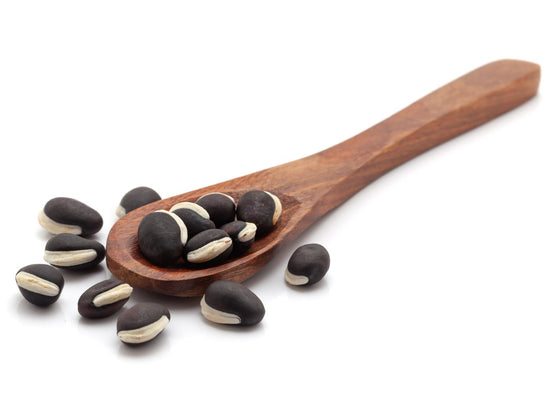
Lablab
How to grow lablab as a summer cover crop in Australia: sowing rate, depth and inoculant, when to slash and dig it in, and where it stands on state weed lists.
| Position | Full sun |
|---|---|
| Depth | 30 to 50 mm |
| Spacing | 2 g per square metre |
| First pick | At first flower buds or before frost |