
How to Grow Biofumigant Mustard in Australia
Biofumigant mustard is a brassica cover crop, grown with radish, that is chopped and dug in to help suppress some soil-borne diseases and nematodes. Sow once the soil holds 12°C, scattering seed 5 to 10 mm deep. Chop finely when about a quarter of the plants flower, dig in within 30 minutes, water heavily, and wait 3 to 4 weeks before planting.
| Sun | Full sun; tolerates part shade |
|---|---|
| Water | Steady moisture, then a heavy soak after digging |
| Soil | Well drained, pH 5.5 to 8.5 |
| Feed | Light; compost, blood and bone, sulphur |
| Spacing | Broadcast, rate per blend |
| Depth | 5 to 10 mm |
| Germination | 5 to 10 days; soil at least 12°C |
| Harvest | When a quarter flower, about 5 to 16 weeks |
| Container | Not suited to pots |
| Frost | Tolerates light frost; grows slowly in cold |
| Use | Biofumigant cover crop, chopped and dug in |
Biofumigant mustard (Brassica juncea, cabbage family, Brassicaceae), also called Indian mustard, is a cover crop grown with radish. It is chopped and dug in between vegetable crops. As the chopped leaves meet moist soil they release isothiocyanates. These natural compounds can suppress some soil-borne diseases, nematodes (microscopic worms that feed on roots) and weed seedlings. Most disappointments come down to technique: chopping too late, leaving the pieces on the surface, or expecting one crop to clean up a bed.
Three mistakes that matter
- Waiting too long to chop. Glucosinolates, the compounds that turn into the active gas, peak when about a quarter of the plants are in flower. Later the crop weakens as a fumigant and sets seed that comes up as weeds. Chopping and Incorporating gives the sign to act on.
- Leaving the chopped crop on top. The gases are volatile, so leaves left lying or turned into dry soil lose much of their effect to the air. Chopping and Incorporating sets out the steps that seal it in.
- Counting on it alone against nematodes. Indian mustard can host warm-climate root-knot nematodes while it grows, and one crop often leaves too many for carrots or tomatoes. Use it within a rotation, as What it can and cannot do explains.
When to plant
Sow once the soil holds at least 12°C. Cool months grow more bulk, but soil above 12°C at chopping helps the gas form, so in cooler zones the earlier autumn dates suit best. In Queensland trials crops reached a quarter in flower in about 6 weeks in summer and 11 in winter. Some varieties took up to 16 weeks.
| Zone | Example cities | Sow | Harvest | Notes |
|---|---|---|---|---|
| Tropical | Darwin, Katherine NT; Cairns, Townsville QLD; Kununurra WA | Apr-Jul | Jun-Sep | Sow in the dry season with irrigation. Wet season heat and rain favour rots and caterpillars. |
| Subtropical | Brisbane, Bundaberg, Gold Coast QLD; Coffs Harbour, Lismore NSW | Mar-May and Aug-Sep | May-Aug and Oct-Nov | Queensland trials grew it year round; summer crops reach chopping stage in about 6 weeks, with less bulk. |
| Arid and semi-arid | Alice Springs NT; Broken Hill, Dubbo NSW; Mildura VIC; Kalgoorlie WA | Mar-Apr and Aug-Sep | May-Jul and Oct-Nov | Water to establish. Autumn sowings grow slowly through frosty winter nights; spring sowings must beat the heat. |
| Temperate | Sydney, Newcastle, Wollongong NSW; Melbourne, Geelong VIC | Feb-Apr and Sep-Oct | Apr-Jul and Nov-Dec | Sow autumn crops by April, before soil cools below 12°C; Melbourne, the cold end, suits the earlier dates. |
| Mediterranean | Perth, Bunbury WA; Adelaide and the SA coast | Mar-May and Sep-Oct | Jun-Aug and Nov-Dec | Sow on the autumn break. Spring sowings need steady water once the dry heat arrives. |
| Cool and alpine | Hobart, Launceston TAS; Canberra ACT; Ballarat VIC; Orange NSW | Feb-Mar and Sep-Nov | Apr-Jun and Nov-Jan | Sow autumn crops early, before frosts from April slow growth; spring sowings wait for soil to reach 12°C. |
At the cold end of a window, sow early, because growth crawls through frosty weather. At the hot end, expect a smaller crop that flowers sooner, and still chop it when a quarter of the plants flower.
Site, soil and setup
Use a bed that has just finished a crop, ideally one where tomatoes, potatoes, capsicum or strawberries have struggled with soil-borne disease. To confirm root-knot nematodes, dig up a struggling plant and look for knobbly swellings on its roots.
| Factor | Setup |
|---|---|
| Light | Full sun for the most leaf; mustard tolerates part shade |
| Soil | Well drained; brassicas do poorly in waterlogged ground, especially as seedlings. Lighter, sandy soil low in organic matter suits biofumigation best, because rich soil ties up the gas |
| pH | 5.5 to 8.5; below 5.5, apply dolomite lime at 100 to 200 g per square metre, 4 weeks before sowing; see soil pH |
| Bed preparation | Clear the old crop and weeds and rake in blood and bone at 100 to 150 g per square metre; add a 5 cm layer of compost only where the soil is poor, since extra organic matter ties up the gas |
| Rotation | Grow it in the gap between two crops from other families; Companion planting lists what to keep apart |
Sowing Seeds
Scatter the seed straight onto the bed: the crop is grown for bulk, so it needs no rows or spacing.
| Blend | What is in it | Sowing rate |
|---|---|---|
| Green Manure Biofumigation Mix | Radish and mustard | 1.5 kg per 1,000 square metres, about 1.5 g per square metre |
| Intensive Biofume | Tillage Radish, broccoli, Indian mustard and daikon radish | 8 to 15 g per square metre in garden beds |
Sowing direct
- Rake the bed to a fine, level surface, because the seed is small and needs close contact with the soil.
- Weigh out the seed for the bed and scatter it evenly at the rate in the table.
- Rake lightly to cover it 5 to 10 mm deep.
- Water in gently and keep the surface moist until seedlings appear, usually in 5 to 10 days; radish often shows in 2 or 3.
- Leave the seedlings unthinned, so a dense stand grows quickly and crowds out weeds.
For leafy mustard to eat, see the Mustard guide. Tillage Radish and cover crop mixes each have a guide of their own.
Care by growth stage
A lush, leafy crop holds the most glucosinolates, and brassicas need sulphur as well as nitrogen to make them.
| Stage | Water | Feed | Watch for |
|---|---|---|---|
| Germination, weeks 0 to 2 | Keep the surface moist; do not let a crust form | None | Shot holes in seed leaves from flea beetles |
| Seedlings, weeks 2 to 4 | Water whenever the top few centimetres dry | Seaweed solution at half strength, 15 mL per 9 L, fortnightly | Pale green caterpillars and pinholes in leaves |
| Leafy growth, weeks 4 to 8 | Deep soaks when the top few centimetres dry, rather than light sprinkles | Fish and seaweed blend, 25 mL per 9 L, fortnightly on poor soil | Aphid colonies; white growth under leaves in cool, damp weather |
| Buds to first flowers, weeks 6 to 12 | Keep watering steady right up to chopping, so the leaves stay soft and full | Sulphate of potash, 30 to 50 g per square metre, once as buds show; it supplies sulphur as well as potassium | The first open flowers; start counting plants in flower |
Summer crops race through these stages and winter crops dawdle, so judge by the plants, not the calendar. If growth stalls in poor soil, a light dose of all-purpose controlled release granular (NPK around 14-5-10) scratched into the soil can help.
Companion planting
As a cover crop, biofumigant mustard pairs best with the crops that follow it and worst with its own relatives.
Grows well with
- Tomatoes and capsicum as the next crop, from a family that shares neither its caterpillars nor clubroot (a soil disease that swells brassica roots). Where root-knot nematode is the problem, grow a crop the nematode does not feed on first.
- Potatoes and strawberries, which suffer from soil-borne diseases and suit a bed after biofumigation.
- French marigolds (Tagetes patula), another cover crop dug in against root-knot nematode, sown in spring.
Keep apart
- Broccoli, cabbage and other brassica vegetables, before or after it, because they share its pests and clubroot.
- Corn and sunflowers straight after it, because brassicas let the helpful root fungi these crops depend on die back.
Chopping and Incorporating
Chop when about a quarter of the plants show open flowers; in a blend, go by the first species to reach that stage.
- Water the bed a day ahead if it is dry, because the reaction needs moist soil. Wait while it is waterlogged, since digging wet soil damages its structure.
- Chop the plants as finely as you can with a mower, line trimmer or spade, since finer pieces release more gas.
- Dig the pieces into the topsoil within 30 minutes of cutting.
- Water heavily straight away, 10 to 15 mm, or firm the surface to seal the gas in.
- If you can, cover the bed with a plastic sheet for 7 to 14 days.
- Wait 3 to 4 weeks before planting seedlings, and 4 to 6 weeks before sowing seed.
Keep leftover seed dry, cool and dark in a sealed container for the next break. Beyond any fumigant effect, the dug-in crop adds organic matter that improves soil structure and water holding.
What it can and cannot do
Results vary with the crop, the soil and the technique, and benefits may not show after the first crop. Bare fallow soil also suppressed disease in the Queensland trials. The research behind the method is summarised in Brassica biofumigation.
| Target | What the evidence shows |
|---|---|
| Root-knot nematode | Can reduce numbers, but often not below the low damage level of carrot, tomato, potato and sweet potato; Indian mustard can host warm-climate species while it grows, while most oil radish lines are poor hosts |
| White mould, basal rot, charcoal rot, onion white rot | Suppressed in Queensland field trials in the Lockyer Valley and Bundaberg, varying by variety and season |
| Verticillium wilt | Mixed: some studies report suppression, while others find brassicas cannot release enough gas to kill its resting bodies in the field |
| Weed seedlings | Incorporated correctly, the gas can burn weed seedlings in their early stages |
| Helpful soil life | Also affected: beneficial fungi such as Trichoderma were suppressed in laboratory tests |
Weed lists, state by state
Neither Indian mustard nor radish appears on any state or territory's declared weed list, and Western Australia lists both as permitted. Indian mustard is naturalised in Western Australia as a weed of farmland, and wild radish, a close relative, is a serious crop weed. Chopping before seed set keeps the crop in the bed.
| State or territory | List | Brassica juncea and Raphanus |
|---|---|---|
| Queensland | Prohibited and restricted invasive plants | Not listed |
| New South Wales | State and regional priority weeds, every region | Not listed |
| Victoria | Declared noxious weeds | Not listed; its sand mustard is a different plant, Diplotaxis tenuifolia |
| South Australia | Declared plants | Not listed; its blue mustard is a different plant, Chorispora tenella |
| Western Australia | Western Australian Organism List | Both permitted (section 11), including wild radish |
| Tasmania, Northern Territory and ACT | Declared weeds; declared weeds; declared pests | Not listed |
Common problems
Patchy emergence. Seed buried deeper than about 2 cm, or a surface left to dry and crust, often fails to come up. Seedlings that collapse at soil level in warm, wet weather have damping off (a rot of young roots and stems). Resow the gaps while the soil is still warm enough. Read more
Thin, pale crop. Hungry soil short of nitrogen or sulphur grows a small crop with fewer glucosinolates. Feed as Care by growth stage sets out, and on poor soil add compost before the next sowing.
Knotted roots in the next crop. Root-knot nematodes survived, or bred on the mustard while it grew (see Three mistakes that matter). Lengthen the rotation with crops the nematode does not feed on. Read more
Leaves stripped or a stand wilting in summer. Cabbage cluster caterpillars (Crocidolomia pavonana) and cluster caterpillars (Spodoptera litura) feed in groups and can strip plants to the midribs. Red-shouldered beetles (Monolepta australis) fly in to strip foliage in late summer and early autumn, and Rutherglen bugs (Nysius vinitor) can wilt a summer stand. If damage spreads, chop and dig the crop in early, as Tips explains.
Stunted seedlings after digging in. Planting too soon exposes young roots to the leftover gas. Keep to the wait in Chopping and Incorporating.
Pests and diseases
This crop carries the same pests as broccoli and cabbage, but it tolerates far more damage because nothing is eaten.
Diamondback moth (Plutella xylostella). Plump, bright green caterpillars about 10 mm long mine and then window the leaves, leaving holes. Young plants suffer most, and autumn and spring crops are most at risk. Read more
Cabbage white butterfly (Pieris rapae). White butterflies with grey-black wing spots lay eggs that hatch into silky, blue-green caterpillars. They chew large holes and leave green droppings. Pick them off or hose them away. Read more
Green peach aphid (Myzus persicae). Colonies suck sap and spread viruses, and a large infestation can kill Indian mustard outright. Hoverflies and ladybirds usually keep them down; if a colony builds anyway, hose it off or spray insecticidal soap under the leaves. Read more
Flea beetles (Phyllotreta species). Small beetles that spring away when disturbed leave shot holes in seedling leaves. Plants usually outgrow the damage.
Downy mildew (Hyaloperonospora parasitica). White spore growth forms under the leaves, with black speckling on top, in cool, damp weather. Indian mustard is especially susceptible, so pull out badly infected seedlings, and if it spreads through the stand, chop and dig the crop in early. Read more
Clubroot (Plasmodiophora brassicae). Roots swell into galls and plants wilt. Its spores survive in soil for many years, so never grow a biofumigant in a bed known to have clubroot.
Prevention first
- Pull brassica weeds such as wild radish and shepherd's purse, which carry clubroot and leaf diseases.
- Check young seedlings regularly for shot holes, eggs and caterpillars.
- Water deeply and less often, so leaves spend less time wet.
- Clean tools before moving from a clubroot bed to clean soil.
Tips
- Save any Trichoderma or Bacillus soil treatment for the next crop, because the biofumigant can suppress these helpful microbes.
- If the bed is needed before flowering, chop and dig the crop in anyway: it still beats bare soil.
Due to quarantine restrictions and our shipping policy, we cannot send biofumigant mustard seed blends to Western Australia or Tasmania.
Questions
When should I dig in a biofumigant mustard crop?
Chop it when about a quarter of the plants are in flower, when glucosinolates peak. In a mixed blend, go by the first species to reach that stage. In Queensland trials that took about 5 to 16 weeks, sooner in summer.
Does biofumigation get rid of root-knot nematodes?
It can reduce them, but often not enough for sensitive crops such as carrots and tomatoes. Indian mustard can also host warm-climate root-knot nematodes while it grows. Treat it as one part of a longer rotation that includes crops the nematode does not feed on.
How long after digging in mustard can I plant?
Wait 3 to 4 weeks before planting seedlings, and 4 to 6 weeks before sowing seed. Planting sooner can expose young roots to leftover gas.
Do I need to cover the soil with plastic after biofumigation?
It helps but is optional. Watering heavily straight after digging in, 10 to 15 mm, seals most of the gas in. A plastic sheet left on for 7 to 14 days traps more of it.
Can I grow biofumigant mustard before broccoli or cabbage?
No. Keep brassica vegetables out of the bed before and after it, because they share its pests and clubroot. Never use a biofumigant in a bed known to have clubroot.
Is Indian mustard a declared weed in Australia?
No state or territory declares it, and Western Australia lists it as permitted. It is naturalised as a farm weed in parts of Western Australia, so chop the crop before it sets seed.
Grow it
Tap Add beside a size to put it in your cart. You stay on this page.


More cover crops to sow in October
All cover cropsChicken Forage Mix
Grow a chicken forage patch in Australia: when and how to sow the mix, keeping hens off until it roots, rotational grazing and which plants need a safety check.
| Position | Full sun to part shade |
|---|---|
| Depth | 5 to 10 mm |
| Spacing | 2 to 3 g per square metre |
| First pick | First graze 8 to 14 weeks |
Cover Crop Mixes
How to grow cover crop mixes in Australia: choosing a mix by season and soil temperature, sowing rates, when to cut and dig in, and state weed list status.
| Position | Full sun, 6 hours or more |
|---|---|
| Depth | 1 to 2 cm; 2 to 3 for cereals |
| Spacing | Broadcast; rate varies by mix |
| First pick | 6 to 16 weeks, at flowering |
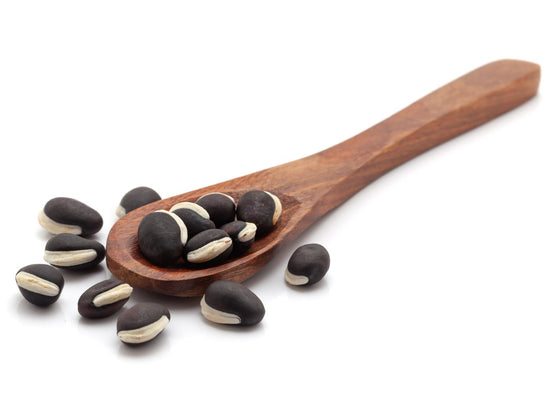
Lablab
How to grow lablab as a summer cover crop in Australia: sowing rate, depth and inoculant, when to slash and dig it in, and where it stands on state weed lists.
| Position | Full sun |
|---|---|
| Depth | 30 to 50 mm |
| Spacing | 2 g per square metre |
| First pick | At first flower buds or before frost |