
How to Grow Linseed Microgreens in Australia
Linseed turns to jelly in water, so it grows on a tray, never in a jar. Soak untreated brown linseed 2 to 4 hours, spread the gel thinly over a damp lining, then cover it. Mist 2 to 4 times a day without rinsing or draining. Uncover once shoots stand, give bright, indirect light, and cut above the seed in 10 to 14 days.
| Seed | About 40 g per 25 x 50 cm tray |
|---|---|
| Soak | 2 to 4 hours, never drained |
| Rinse | None while growing: mist 2 to 4 times daily |
| Light | Bright, indirect light |
| Temperature | Best near 21°C, slower in cool rooms |
| Harvest | 10 to 14 days |
| Yield | Roughly the dry seed weight in shoots |
| Storage | Dry, sealed, 5°C or colder, a few days |
| Use | Raw garnish for salads and sandwiches |
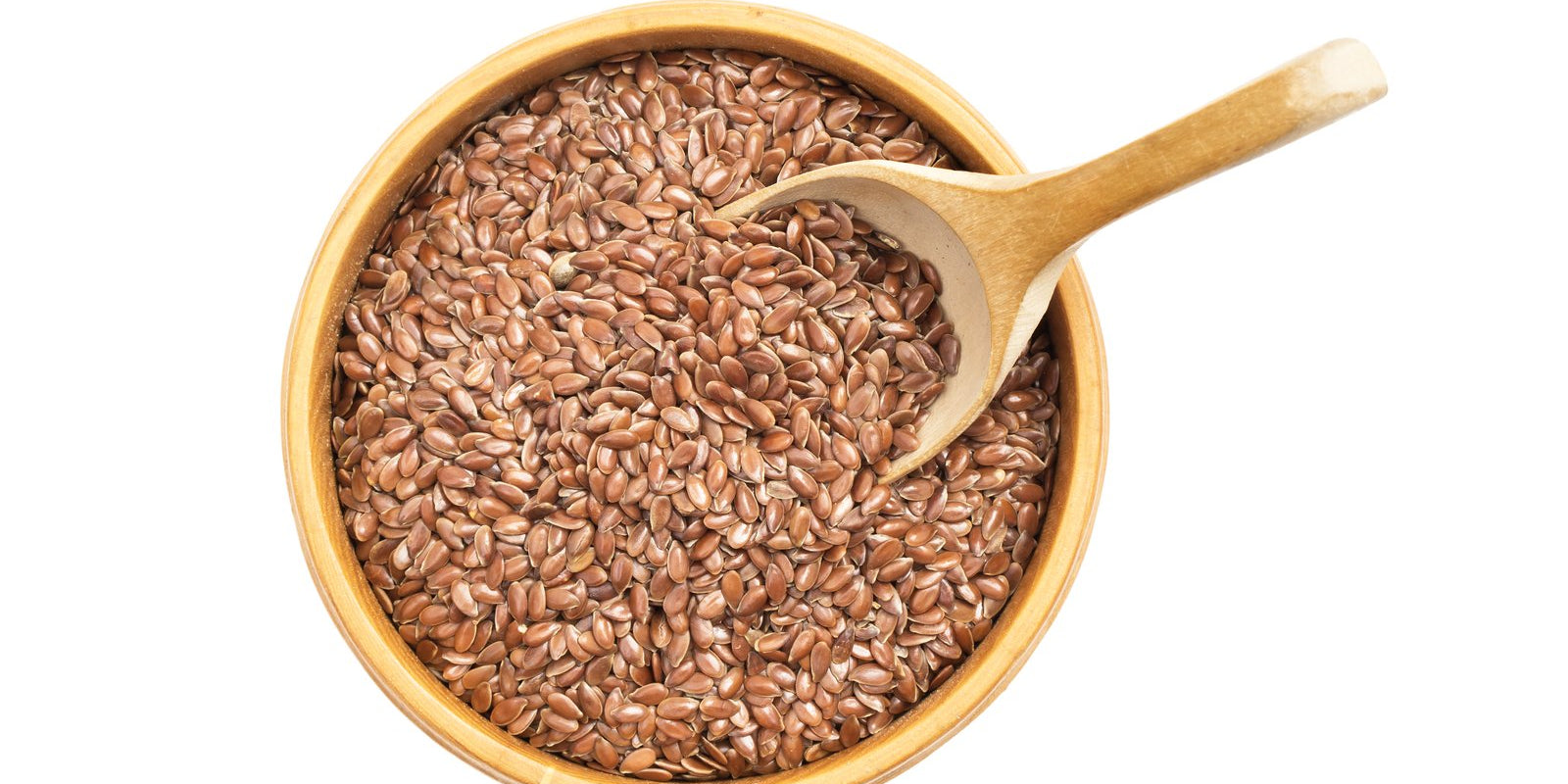
Brown linseed, also sold as flaxseed (Linum usitatissimum, family Linaceae), is grown here as tray shoots that are cut green and eaten raw. The shoots taste mild and nutty, and are usually ready 10 to 14 days from the soak. Wet linseed turns to jelly, so it grows on a tray, never in a sprouting jar.
Three mistakes that matter
- Sprouting it in a jar. The seed coat turns to a thick gel in water, so a jar cannot drain and the seed sits in its own slime. Soak it briefly, spread it on a tray, and never rinse it.
- Spreading the gel thickly. Seed sunk in deep jelly stays wet and airless, so few seeds root and mould has time to start. Spread the gel thin.
- Letting the gel dry out. Linseed needs to stay moist from the soak to the cut, and a tray left dry on a warm day can stop growing. Mist it 2 to 4 times a day while it is covered.
When to sprout
Linseed shoots grow indoors in any month, and a room near 21°C suits them. A cold kitchen slows them. A warm, humid one speeds them up but helps mould take hold in the gel.
| Zone | Example cities | Sow | Harvest | Notes |
|---|---|---|---|---|
| Tropical | Darwin NT; Cairns, Townsville QLD; Broome WA | Jan-Dec | Year round | Wet season air keeps the gel soaked, so mist less, lift the cover daily and run a fan. |
| Subtropical | Brisbane, Gold Coast, Sunshine Coast QLD; Coffs Harbour, Lismore NSW | Jan-Dec | Year round | Muggy summers favour mould on the gel. Mild, drier winters make the easiest trays of the year. |
| Arid and semi-arid | Alice Springs NT; Broken Hill, Dubbo NSW; Mildura VIC; Kalgoorlie WA | Jan-Dec | Year round | Dry summer heat can crust the gel within hours, so check it morning, midday and evening, misting whenever it dulls. |
| Temperate | Sydney, Newcastle, Wollongong NSW; Melbourne, Geelong VIC | Jan-Dec | Year round | A Melbourne winter bench slows the shoots: allow extra days, not extra water, and add light if dim. |
| Mediterranean | Perth, Bunbury WA; Adelaide SA | Jan-Dec | Year round | Hot, dry summer winds dry trays fast; keep them from afternoon sun. Damp winters call for airflow. |
| Cool and alpine | Hobart, Launceston TAS; Canberra ACT; Ballarat VIC; Orange NSW | Jan-Dec | Year round | Frosty months from April to October slow germination; use the warmest room or a heat mat. |
In a muggy Brisbane February or a Darwin wet season, choose the airiest room you have rather than the warmest.
Food safety
Linseed shoots start as raw sprouts, in warm, damp conditions that suit bacteria. Bacteria inside a contaminated seed cannot be washed away.
- Grow untreated linseed sold for sprouting, never seed sold for sowing a crop, which can carry fungicide, as which seeds to sprout explains.
- Wash your hands first. Wash and rinse the tray, cover, bowl, spray bottle and scissors, then sanitise them before the first batch and between batches. Use a dishwasher that can sanitise, usually on its longest, hottest setting. Otherwise, soak them in very hot water (77°C for 30 seconds). Or soak them for 30 seconds in plain unscented household bleach at 25 mL to 10 L of cold water. Make it up fresh each day, use it as its label directs, and let everything air-dry.
- Soak, mist and water only with water fit to drink, and use a fresh lining for every tray.
- Keep shoots and trays away from raw meat, poultry and seafood, and store the shoots above them in a fridge at 5°C or colder. Cooked sprouts for anyone at higher risk are eaten straight away. Leftovers are cooled, kept in the fridge, used within a day of cooking and reheated until steaming hot.
- Mould, slimy gel or a sour smell end a tray: bin the shoots, compost the lining and wash the tray. Sprouts can carry harmful bacteria while looking, smelling and tasting normal, so none of those is a test of safety. See sprout problems and safety.
What you need
Use a shallow tray or dish with no drainage holes, lined with a coir mat or a few layers of paper towel. Add a tray or plate as a cover, a bowl, a spray bottle, clean scissors and brown linseed sold for sprouting.
| Tray | Dry seed | Approximate yield |
|---|---|---|
| About 13 x 13 cm | About 7 g (2 level teaspoons) | About 7 g of cut shoots |
| About 25 x 25 cm | About 20 g (6 level teaspoons) | About 20 g of cut shoots |
| About 25 x 50 cm | About 40 g (12 level teaspoons) | About 40 g of cut shoots |
These amounts leave a little space around each seed. The gel can also go straight into a clean, unlined dish, as the product page describes, though seed sitting deep in gel roots poorly.
Soaking and Sowing
Start in the morning, because the gel wants a misting every couple of hours on its first day.
- Tip the seed for your tray into a clean bowl.
- Pour in about one and a half times its volume of cool drinking water, enough to cover it.
- Leave it 2 to 4 hours, until the seed has taken up the water and set into one jelly mass. Do not drain or rinse it.
- Wet the lining through, so it is saturated but not dripping, and tip off any water pooling in the tray.
- Spoon the gel onto the lining and spread it thin and even, with a little space around each seed.
- Mist the surface, cover the tray and set it somewhere still and dim, out of direct sun.
Water must not pool in the tray, because standing water is where mould starts.
Day by day
Damp without puddles decides the tray: gel and lining moist, tray floor dry. Days count from the start of the soak.
| Day | What to do | What to look for |
|---|---|---|
| Day 0 | Soak 2 to 4 hours, spread the gel, mist and cover | Seed swells into a glossy, sticky jelly |
| Day 1 | Mist every couple of hours while you are home | Gel stays moist and shiny, never crusted |
| Day 2 to 4 | Mist 2 to 4 times a day, lifting the cover each time to let fresh air in | White root tips, then roots gripping the lining |
| Day 3 to 5 | Uncover once shoots stand and shed their hulls; move into bright, indirect light | Pale shoots turning green |
| Day 5 to 12 | Pour a little water into one corner, tilt the tray so the lining drinks, pour off the rest | Upright shoots with opening seed leaves |
| Day 10 to 14 | Cut what you need just above the lining; the tray gives one cut, with no regrowth | Open green seed leaves, shoots 2.5 to 7.5 cm tall |
Once uncovered, the shoots need at least five hours of good light a day, out of hot direct sun. A fan on low or a window open nearby keeps damp air moving over the tray.
Cutting and Storing
The shoots are ready once the seed leaves have opened green, usually at 2.5 to 7.5 cm tall. Cut them earlier for a milder flavour. Use clean scissors just above the lining, leaving the hulls and any unsprouted seed behind.
Keep water off the shoots for their last 8 to 12 hours, so they go into the fridge dry. Seal them in a clean container and refrigerate them as Food safety describes. They lose quality fast, so eat them within a few days. Rinse them under cool running water just before use, then add them raw to salads and sandwiches, or stir them through a hot dish.
Raw linseed naturally contains cyanogenic glycosides, which release hydrogen cyanide when the seed is chewed, crushed or ground. Food Standards Australia New Zealand lists linseed among the foods that contain them. Germany's Federal Institute for Risk Assessment says baking or cooking lowers the risk. It expects no harm in adults from up to 15 to 20 g of ground raw linseed a day. It advises that young children are not given raw ground linseed. That amount is for ground seed and does not apply to the shoots. Young flax shoots make these compounds too, and no source gives an amount for them, so use them as a garnish rather than a bowlful.
Common problems
White fuzz on the roots. Root hairs coat the roots only, evenly, and collapse when misted. Mould can be white too, or grey, green or black, and grows in patchy, cobwebby tufts over seed, gel and lining. It stays after a misting and smells musty, and the tray goes out as Food safety describes.
Sour smell or slimy gel. Water has pooled in or under the gel in still air. Throw the tray out, and tip off pooled water sooner next time.
Few seeds sprouting. Old seed, a cold room or seed sunk in deep gel can each slow or stop it. Move the next tray somewhere near 21°C and spread fresh seed as Three mistakes that matter describes.
Pale, thin, flopping shoots. They had too little light after the cover came off. Move the tray somewhere brighter, as Day by day describes.
Tips
- Start a small tray each week for a steady supply.
- An unglazed terracotta dish soaks up excess water, which suits a seed that holds so much of its own.
- Dry seed can keep for up to about three years sealed in a cool, dark, dry cupboard.
- The microgreens article covers trays, light and watering for other shoots grown the same way.
Due to quarantine restrictions and our shipping policy, we cannot send brown linseed to Western Australia or Tasmania.
Questions
Can I sprout linseed in a jar like alfalfa?
No. Linseed is a gel-forming seed: the coat turns to a thick jelly in water, so a jar cannot drain and the seed sits in slime. Soak it 2 to 4 hours, spread the gel thinly on a damp tray lining, and keep it misted, never rinsed or drained.
Are raw linseed microgreens safe to eat?
They carry the raw sprout risk. People who are pregnant, aged 70 or over, under 5 or immune-compromised should eat them only cooked until steaming hot. Linseed also contains cyanogenic glycosides, and the young shoots make them too. Cut above the seed and use the shoots as a garnish rather than a bowlful.
Is the white fuzz on my linseed tray mould?
Often not. Root hairs coat the roots evenly and collapse when misted. Mould grows in patchy, cobwebby tufts over seed, gel and lining, stays after misting and smells musty. A tray with mould is thrown out, not cut above.
How long do linseed microgreens last in the fridge?
A few days. Keep water off the shoots for their last 8 to 12 hours, so they are cut dry. Seal them in a clean container at 5°C or colder. They lose quality quickly, so cut only what you will use soon.
Can I grow microgreens from golden linseed or kitchen linseed?
Grow untreated brown linseed sold expressly for sprouting, not kitchen linseed from the pantry. Golden linseed can grow the same way, but it is not sold here as a sprouting seed. Seed sold for sowing a crop can carry fungicide, so it is never used for food.
Grow it
Tap Add beside a size to put it in your cart. You stay on this page.
- Linseed Brown - FlaxseedOut of stock

More sprouts to sow in October
All sprouts
Alfalfa Sprouts
Grow alfalfa sprouts in a jar in Australia: how much seed, soaking, rinsing, greening, floating off hulls, storing, food safety, and root hairs versus mould.
| Position | Indirect light, never direct sun |
|---|---|
| First pick | Days 5 to 8 |
Barley Grass
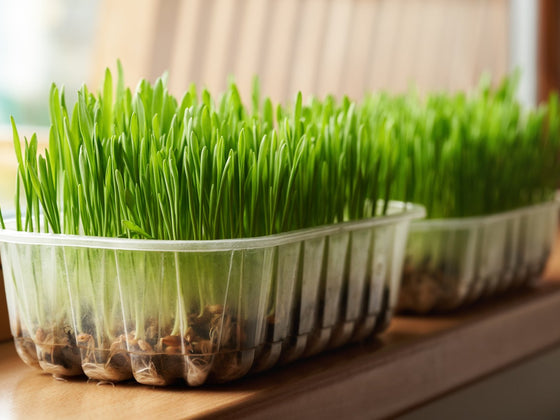
Grow barley grass on a tray in Australia: soaking, sowing, watering from below, when to cut, storing, food safety, and how it differs from wheatgrass.
| Position | Bright indirect light |
|---|---|
| First pick | 6 to 10 days |

Black Sunflower Shoots
Grow black sunflower shoots on a tray in Australia: soaking, sowing under a weight, light, watering, knocking off the shells, cutting, storing and food safety.
| Position | Bright, indirect light |
|---|---|
| First pick | 8 to 14 days |
Blue Pea Sprouts
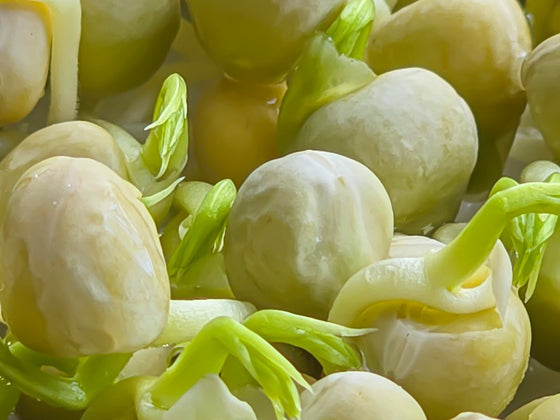
Grow firm, crunchy blue pea sprouts in a jar in Australia: how many peas to use, soaking, rinsing, when to harvest, storing, food safety and common problems.
| Position | Low light, out of sun |
|---|---|
| First pick | 2 to 4 days |