
How to Grow Jonquils in Australia
Plant jonquil bulbs pointed end up in autumn, from March in cool districts and April to May in warmer ones. Set them deeper as the climate warms, from about 5 cm in cool soil to 18 cm in hot inland gardens. Space them 10 to 20 cm apart. Give them winter sun and good drainage. Leave the leaves for six weeks after flowering, and chill bulbs only in the tropics.
| Sun | Full sun or part shade |
|---|---|
| Water | Weekly while in leaf; dry when dormant |
| Soil | Well drained, compost enriched, pH 6 to 6.5 |
| Feed | Bone meal at planting; potash from flowering |
| Spacing | 10 to 20 cm |
| Depth | 5 to 18 cm, by climate |
| Germination | Bulbs, not seed: shoots by winter |
| Harvest | Midwinter to mid-spring, by district |
| Container | 6 to 15 bulbs per 40 cm pot |
| Frost | Hardy bulbs; take frost in cool districts |
| Use | Scented cut flowers, clumps, borders and pots |
Jonquils (Narcissus tazetta and Narcissus jonquilla) are spring bulbs of the amaryllis family (Amaryllidaceae). They are grown for clusters of small, strongly scented flowers from midwinter into spring. The store's 'Avalanche' is a tazetta that carries up to ten white flowers with yellow cups on each stem. Jonquils and daffodils are both Narcissus, and daffodils, the large single trumpet and cupped kinds, have a guide of their own. Jonquils flower more reliably than daffodils in warm districts, and old clumps often survive for years in abandoned gardens. The usual mistake in warm gardens is planting them too shallow.
Three mistakes that matter
- Planting too shallow in a warm garden. Jonquils dislike hot soil, and a shallow bulb in warm or sandy ground sits in the hottest layer. Plant deeper as the climate warms, down to 15 to 18 cm in hot districts, using the depth table under Planting Bulbs.
- Cutting or knotting the leaves after flowering. The leaves feed the bulb for next year's flowers, so removing them early often leaves a clump of leaves and no flowers the following winter. Leave them for at least six weeks, until they yellow and wither.
- Watering dormant bulbs or planting in wet ground. Jonquils rest underground through summer, and hot, wet soil rots them. Plant in free-draining soil, stop watering once the leaves turn yellow, and keep summer sprinklers off the clumps.
When to plant
Plant as the soil cools in autumn, once the summer heat has passed. Start from March in cool districts, and in April or May in warmer ones, around Anzac Day. In most gardens one planting comes back each winter for years. Where summers are hot, wet and humid, the bulbs may need treating as annuals and replanting each autumn.
| Zone | Example cities | Plant | Flowering | Notes |
|---|---|---|---|---|
| Tropical | Darwin NT; Cairns, Townsville QLD; Broome WA | May-Jun | Jul-Aug | Marginal. Chill bulbs 6 to 8 weeks, grow them in pots in the dry season and buy fresh yearly. |
| Subtropical | Brisbane, Sunshine Coast, Bundaberg QLD; Coffs Harbour, Lismore NSW | Apr-May | Jul-Sep | Plant around Anzac Day, 10 to 14 cm deep. After humid summers, clumps may need replanting each autumn. |
| Arid and semi-arid | Alice Springs NT; Broken Hill, Dubbo NSW; Mildura VIC; Kalgoorlie WA | Apr-May | Jul-Sep | Plant 15 to 18 cm deep once the heat eases. Water weekly while in leaf, then keep dry. |
| Temperate | Sydney, Newcastle, Wollongong NSW; Melbourne, Geelong VIC | Mar-May | Jun-Sep | Start in March in Melbourne, April in Sydney. |
| Mediterranean | Perth, Bunbury WA; Adelaide and the SA coast | Apr-May | Jun-Sep | Suits wet winters and dry summers. Plant at least 15 cm deep in sand; never water dormant clumps. |
| Cool and alpine | Hobart, Launceston TAS; Canberra ACT; Ballarat VIC; Orange NSW | Mar-Apr | Aug-Oct | Plant early, 5 to 12 cm deep. Bulbs take frost, and flowers open about the start of spring. |
Plant bulbs soon after they arrive. If the bed is not ready, keep them in a paper bag somewhere cool, dry and airy until it is.
Site, soil and setup
Winter sun matters most, because that is when jonquils grow and flower. Summer shade does no harm once the bulbs are resting underground.
| Need | What to do |
|---|---|
| Light | Full sun or part shade. Avoid dense shade, where clumps grow leaves but few flowers. |
| Soil | Most garden soils, as long as they drain well. Dig in compost before planting. |
| pH | Slightly acid, 6 to 6.5. If a test reads below 6, dig in garden lime at 100 to 200 g per square metre four weeks before planting. |
| Drainage | Avoid low spots where water lies after rain. On heavy clay, plant on a low mound or in a raised bed. |
| Bed preparation | About a month before planting, weed thoroughly and dig in a 5 cm layer of compost. |
| Rotation | Not needed for healthy clumps, which stay put for years. Where bulbs have rotted, plant elsewhere for five years. |
Jonquils have naturalised in Western Australia, South Australia, New South Wales, the ACT and Victoria. Keep spare bulbs and lifted clumps out of bushland, and do not tip them over the back fence. For wet ground, see waterlogged garden soil.
Container growing
Jonquils make a scented pot display, and 'Avalanche' grows about 35 cm tall. Plant 6 to 15 bulbs in a pot at least 40 cm wide, about 27 L, with drainage holes and filled with premium potting mix. Set the bulbs 15 cm deep, pointed end up.
- Watering. Water once at planting, then again when shoots appear. Keep the mix moist while the leaves are green, then let it dry once they yellow.
- Feeding. Give liquid potash at the rate on the label every fortnight from the first flowers until the leaves yellow.
- Position. Full winter sun, and out of heavy summer rain while the bulbs rest. In the tropics, mulch the pot to keep the bulbs cool.
- The next year. Potted bulbs are hungry, so plant them into the garden after one season, or repot them each autumn into fresh mix.
Planting Bulbs
Jonquils start from bulbs planted pointed end up in autumn, with a spell in the fridge first only in the tropics.
Chilling
Tazetta jonquils such as 'Avalanche' flower without a cold treatment from the subtropics to cool districts, so plant them straight in. In the tropics, chill them first. Keep the bulbs in a paper bag in the fridge crisper for 6 to 8 weeks, and never longer than 12. Keep ripening fruit out of that fridge, because the ethylene gas it gives off can kill the flower bud. Plant straight from the fridge.
Planting in the ground
- Plant in clumps rather than single rows, with the pointed end up and the roots down.
- Set each bulb at the depth for your climate in the table below, measured from the top of the bulb to the soil surface.
- Space bulbs 10 to 20 cm apart.
- Shoots usually show by winter, and flowers follow from midwinter into spring.
| Where you garden | Planting depth | Why |
|---|---|---|
| Cool and alpine | 5 to 12 cm, about twice the bulb's height | Cool soil, so the bulb needs no extra cover from heat |
| Temperate, Mediterranean and subtropical coasts | 10 to 14 cm | Warmer soil, which jonquils dislike near the surface |
| Arid and tropical | 15 to 18 cm | Hot soil; depth keeps the bulb cooler |
| Sandy soil, any zone | At least 15 cm | Sand heats and dries fast near the surface |
Care by growth stage
The weeks after flowering decide next year's flowers, because the green leaves are refilling the bulb. Feed lightly, and lean on potassium rather than nitrogen.
| Stage | Water | Feed | Watch for |
|---|---|---|---|
| Planting to first shoots, autumn | Water in once; then only if the soil dries right out | Bone meal at 100 g per square metre, mixed into the soil under the bulbs at planting | Bulbs rotting in wet ground |
| Leaf growth, late autumn to winter | Weekly in dry spells once shoots show | Seaweed solution at 30 mL per 9 L every fortnight | Snails on young shoots; mottled or streaked leaves |
| Buds and flowering, midwinter to spring | A good soak each week, kept steady right through flowering | Sulphate of potash at 30 to 50 g per square metre, once as the flowers open, watered in; then liquid potash at the label rate every fortnight from the first flowers | Snails and slugs on buds and petals |
| After flowering, about six weeks | Keep watering while the leaves stay green | Liquid potash every fortnight until the leaves yellow | Seed heads forming; leaves cut or knotted too early |
| Dormant, summer | None; keep irrigation off the clump | None | Soft, rotting bulbs where the soil stays wet |
Snap off each spent flower stem so the bulb does not spend its reserves on seed, but leave every leaf in place. If clumps flower poorly in thin soil, a light dose of all-purpose controlled release granular (NPK around 14-5-10), scratched in at planting, can help.
Lift and divide clumps every three to five years, once the leaves have died back, because crowded bulbs give fewer, smaller flowers. Replant at once, or store the bulbs as described under Harvesting Blooms and replant in autumn.
Companion planting
Jonquils pair best with plants that give them winter sun and leave them dry in summer.
Grows well with
- Deciduous trees, which let full winter sun through and cast dappled shade once the bulbs are resting.
- Roses and deciduous shrubs in a mixed border, which share the same open winter light. Set the bulbs clear of the roses' summer watering.
Keep apart
- Onions, shallots and garlic, because jonquil bulbs look like onions and are poisonous if eaten.
- Lawns on summer irrigation, which keep dormant bulbs wet and prone to rot.
Harvesting Blooms
Pick when the buds have swollen and bent over at the top of the stem, the goose-neck stage, before the flowers open.
- Wear gloves, because the sap irritates skin.
- Cut or snap the stem near its base; the leaves stay (see Three mistakes that matter).
- Give them a vase of their own, because the sap clogs other stems. To mix them with other flowers, stand them alone in water for at least 12 hours first.
- Do not recut the stems after that soak.
Store lifted bulbs dry, in a paper bag or open tray somewhere cool and airy such as a garage, and replant them in autumn. A small bunch can scent a whole room, though some people find several stems too strong indoors.
Common problems
Leaves but no flowers. Crowded clumps, early leaf cutting, dense shade and shallow planting are the usual causes (see Three mistakes that matter), and unchilled bulbs in the tropics.
Soft, rotting bulbs. Bulbs turn soft and brown in hot, wet soil or after heavy nitrogen feeding, so bin them at once and replant elsewhere. Basal rot (Fusarium oxysporum f. sp. narcissi), a fungus recorded in Australia and worse after hot summers, is the most serious cause. Read more
Red-brown scorched leaf tips. Narcissus leaf scorch (Peyronellaea curtisii), a fungus, marks leaf tips red-brown in warm, humid weather and spreads down the leaf. Remove affected leaves promptly, and dig out and bin badly affected plants.
Tall, floppy stems in pots. Pots kept too warm or in poor light stretch, so grow them outdoors in a sunny, cool spot until the buds open.
Pests and diseases
Jonquils are usually trouble-free, apart from snails and slugs and the viruses that aphids carry.
Common garden snail (Cornu aspersum). Snails chew young shoots, buds and petals, most often from winter to early summer. Scatter iron-based snail bait around the clumps at the label rate in that season, never in heaps. Read more
Grey field slug (Deroceras reticulatum). Slugs rasp holes in leaves and flowers in damp weather, and can carry virus from an infected plant to a healthy one. Manage them as for snails.
Green peach aphid (Myzus persicae). This common aphid carries narcissus viruses from plant to plant. Hose small groups off, or spray insecticidal soap late in the day. Read more
Narcissus late season yellows virus (a potyvirus). Infected plants show a mild mottle, some leaf distortion and mild stunting. It has been found in garden and wild Narcissus in Australia, and there is no cure.
Prevention first
- Plant firm, plump bulbs, and throw out any that are soft or mouldy.
- Check lifted bulbs in storage every few weeks, and destroy any that turn soft.
- Check clumps weekly from winter to early summer, when snails and slugs do most damage.
- Dig up and bin any plant with mottled or streaked leaves before aphids spread the virus.
Tips
- Mark each clump with a stake or label, so a spade does not slice into the bulbs once the leaves have gone.
- Plant a few bulbs inside an old colander or open basket sunk into the bed, so they are easy to find and lift.
- Some people call jonquils "stinkers", so set a pot by a gate or path, where the scent greets you without filling a closed room.
Due to quarantine restrictions and our shipping policy, we cannot send jonquil bulbs to Western Australia or Tasmania.
Questions
What is the difference between a jonquil and a daffodil?
Both are Narcissus. Australians call the clustered, strongly scented kinds jonquils: mostly tazettas such as 'Avalanche', plus the true jonquils bred from Narcissus jonquilla. The name daffodil is kept for the large trumpet and cupped kinds, which carry one flower per stem. Jonquils usually flower earlier and suit warmer districts better.
Do jonquils need to be chilled before planting?
Not in most of Australia. Tazetta jonquils flower without a cold treatment from the subtropics to cool districts. In the tropics, chill the bulbs in a paper bag in the fridge crisper for 6 to 8 weeks. Never chill them longer than 12 weeks, keep ripening fruit away, then plant them in pots.
How deep do you plant jonquil bulbs?
Deeper as the climate warms. Plant 5 to 12 cm deep in cool districts and 10 to 14 cm on warm coasts. Go 15 to 18 cm deep in hot inland gardens and the tropics, and at least 15 cm in sandy soil. Measure from the top of the bulb, and space bulbs 10 to 20 cm apart.
Should I cut back jonquil leaves after flowering?
No. Leave the leaves for at least six weeks, until they yellow and wither, because they feed the bulb for next year's flowers. Do not tie or knot them. Snap off the spent flower stems instead, so the bulb does not spend its reserves on seed.
Are jonquils poisonous to dogs and cats?
Yes. Every part contains lycorine and is harmful if eaten, the bulb most of all, and the sap irritates skin. Keep bulbs away from pets and children, and store them apart from onions. For a person, seek medical attention or call the Poisons Information Centre on 13 11 26; for a pet, call your vet.
Why are my jonquils not flowering?
Crowding, leaves cut too early, dense shade or shallow planting in a warm garden are the usual causes. Lift and divide crowded clumps every three to five years once the leaves die back, and replant at the right depth in a sunny spot. In the tropics, unchilled bulbs often fail.
Grow it
Tap Add beside a size to put it in your cart. You stay on this page.
- Jonquil Avalanche (Pack of 4 Bulbs)From $13.19

More bulbs and tubers to sow in October
All bulbs and tubersCalla Lily
Grow coloured calla lilies from tubers: planting depth and timing for six zones, water and feeding, lifting and storing, pests, toxicity and the arum lily weed.
| Position | Full sun, hot-afternoon shade |
|---|---|
| Depth | 10 cm, rough side up |
| Spacing | 20 to 30 cm |
| First pick | 7 to 12 weeks from planting |
Canna Lily
Grow dwarf canna lilies from rhizomes: planting depth and timing for six zones, feeding for flowers, cutting back, dividing, pests, and the weed lists by state.
| Position | Full sun |
|---|---|
| Depth | 5 to 10 cm, eyes up |
| Spacing | 50 to 70 cm |
| First pick | 6 to 8 weeks from shooting |
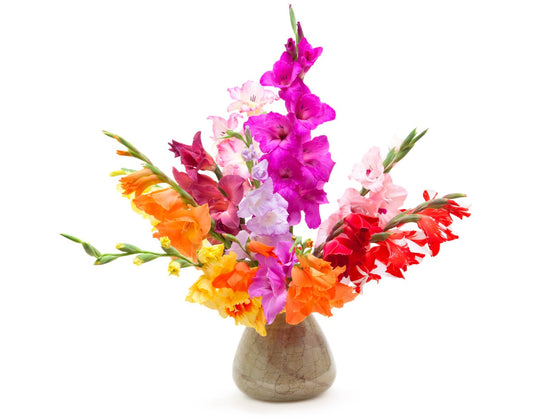
Gladioli
Grow gladioli from corms in Australia: planting depth and timing for six zones, staking, feeding, cutting, lifting and storing, pests and the wild weed species.
| Position | Full sun, sheltered from wind |
|---|---|
| Depth | 10 to 15 cm, flat side down |
| Spacing | 10 to 15 cm |
| First pick | 13 to 17 weeks from planting |
Hippeastrum
Grow hippeastrums in any Australian zone: when to plant bulbs, why the neck sits above the soil, pots, feeding, frost, pests, toxicity and state weed status.
| Position | Full sun or dappled shade |
|---|---|
| Depth | Top third above soil |
| Spacing | 10 to 30 cm |
| First pick | 5 to 8 weeks |