
How to Grow Hyacinths in Australia
Plant hyacinth bulbs in autumn, pointed end up, 10 to 12 cm deep and 10 to 15 cm apart. Choose free-draining soil in full sun to part shade. Where winters are mild, chill the bulbs in the fridge for 6 to 8 weeks first. Water once, then keep the soil moist only while plants are in leaf. Wear gloves, because the bulbs irritate skin.
| Sun | Full sun to part shade |
|---|---|
| Water | Water in once; moist in leaf, never wet |
| Soil | Well drained, moderately fertile, any pH |
| Feed | Bone meal at planting; potash at flowering |
| Spacing | 10 to 15 cm apart |
| Depth | 10 to 12 cm deep |
| Germination | Grown from bulbs, not seed; chill first |
| Harvest | Late winter to spring, by zone |
| Container | Very good: squat pots, bowls, forcing glasses |
| Frost | Frost hardy in the ground; shelter pots |
| Use | Scented spring beds, pots and cut flowers |
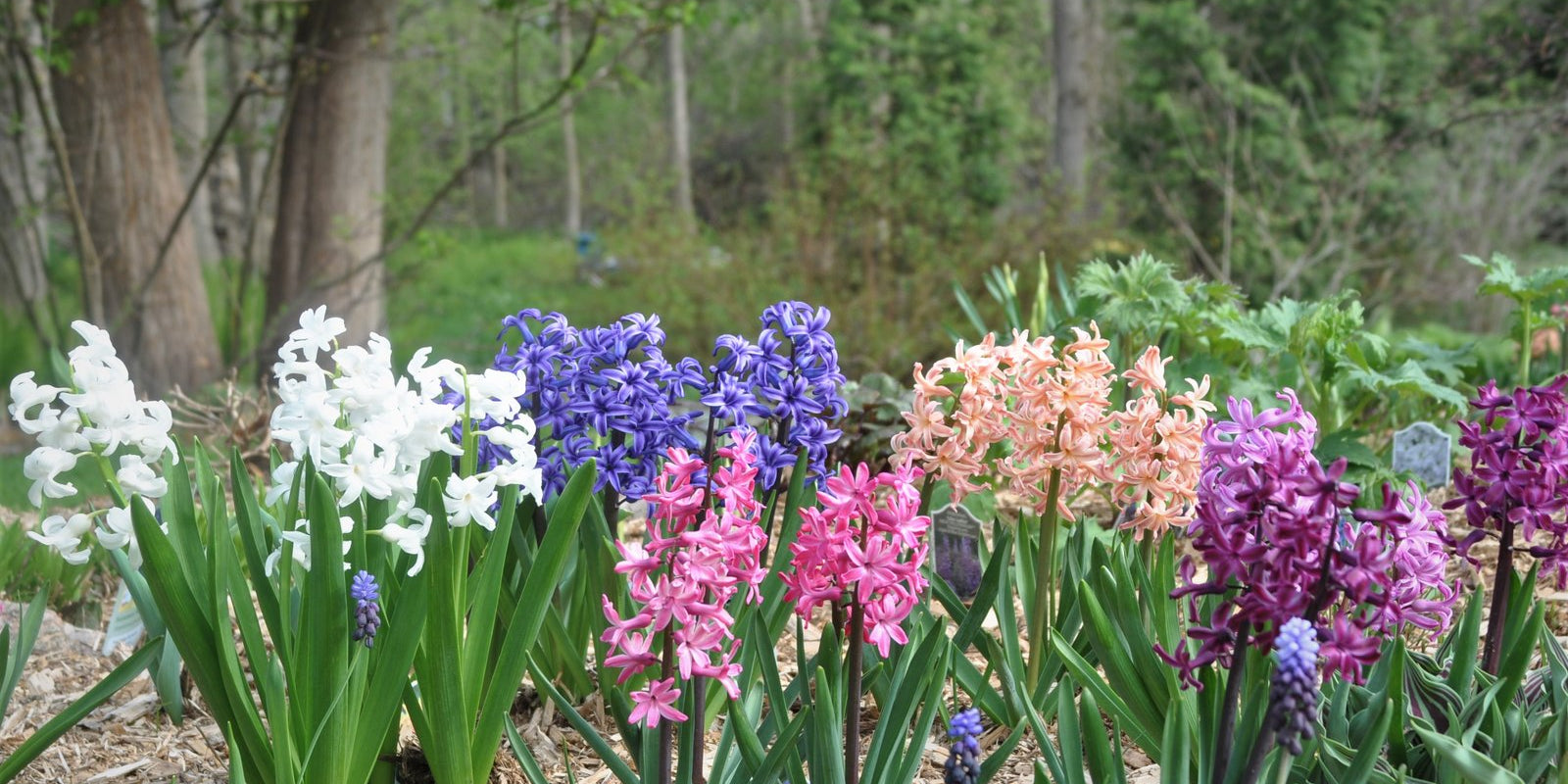
Hyacinth (Hyacinthus orientalis) is a spring-flowering bulb in the asparagus family (Asparagaceae), grown for dense, sweetly scented flower spikes. It suits beds, pots and forcing glasses, and a single spike indoors can fill a room with fragrance. It needs a cold winter to flower well, and the mistake most often made in warm Australian gardens is skipping the chill.
Three mistakes that matter
- Skipping the chill. Where winters stay mild, an unchilled bulb often flowers poorly, with short, weak spikes or none at all. Chill bulbs in the fridge for 6 to 8 weeks before planting, as described under Planting Bulbs.
- Planting into wet ground. Wet soil is the biggest enemy of hyacinths, because waterlogged bulbs rot. Plant in free-draining soil, a raised bed or a pot.
- Cutting the leaves early. The leaves feed the bulb for the following year, and cutting or tying them shrinks it. Remove the spent flower spike, then leave the foliage for 6 to 8 weeks until it has yellowed and withered.
When to plant
Plant in autumn as the weather cools: from March in cold districts, and from about Anzac Day to Mother's Day elsewhere. Cool soil is the cue, so where autumn soil stays warm, chill the bulbs first and plant them straight from the fridge.
| Zone | Example cities | Plant | Flowering | Notes |
|---|---|---|---|---|
| Tropical | Darwin NT; Cairns, Townsville QLD; Broome WA | Not recommended | Not recommended | Winters stay too warm for reliable flowering. To try, chill bulbs and grow them in pots as dry-season annuals. |
| Subtropical | Brisbane, Sunshine Coast, Bundaberg QLD; Coffs Harbour, Lismore NSW | Apr-May | Aug-Sep | Chill bulbs 6 to 8 weeks and plant around Mother's Day. Results vary, so treat bulbs as annuals. |
| Arid and semi-arid | Alice Springs NT; Broken Hill, Dubbo NSW; Mildura VIC | Apr-May | Aug-Sep | Cold inland nights help, but chill bulbs first in milder districts. Mulch, and lift bulbs before summer heat. |
| Temperate | Sydney, Newcastle, Wollongong NSW; Melbourne, Geelong VIC | Apr-May | Aug-Oct | Chill 6 to 8 weeks in Sydney and coastal districts. In Melbourne, chilling is optional but gives stronger spikes. |
| Mediterranean | Perth, Bunbury WA; Adelaide and the SA coast | Apr-May | Aug-Sep | Chill bulbs 6 to 8 weeks and plant in May. Keep bulbs dry over the long, hot summer. |
| Cool and alpine | Hobart, Launceston TAS; Canberra ACT; Ballarat VIC; Orange NSW | Mar-May | Sep-Oct | Winter chills bulbs naturally, so no fridge is needed. Bulbs can stay in the ground for years. |
Keep bought bulbs dry and cool until they go in the fridge.
Site, soil and setup
Hyacinths are adaptable about soil type, as long as water drains away quickly.
| Need | What to do |
|---|---|
| Light | Full sun to light shade. |
| Soil | Moderately fertile, humus-rich and well drained. Very rich soil can make stems soft and floppy. |
| Drainage | On heavy or wet ground, plant in a raised bed or in pots, where you control the drainage. |
| pH | Grows in acid, neutral or alkaline soil, so pH rarely needs correcting. |
| Bed preparation | Clear weeds and clods, loosen the soil 15 to 20 cm deep and dig in a 5 cm layer of compost. Rake in bone meal at 100 g per square metre at planting. Never use fresh manure, which can burn bulbs. |
| Summer | Dormant bulbs prefer a dry rest, so avoid beds that are watered all summer. |
Rotation does not apply to a perennial bulb. Where bulbs stay in the ground, lift and divide crowded clumps every three or four years instead.
Container growing
For three bulbs, use a wide bowl or squat pot at least 20 cm across and 15 cm deep, about 4 to 5 L. Choose one with drainage holes and fill it with premium potting mix. Set the bulbs close but not touching, and cover them with at least their own depth of mix. The variety 'Purple Sensation' grows 20 to 25 cm tall and suits pots.
- Position. Keep the pot cool and shaded until shoots are 5 to 10 cm tall. Then move it to a sunny spot.
- Watering. Water well at planting, then check weekly. Potting mix dries out faster than soil, and a dry pot gives stunted, short flowers.
- Feeding. Give seaweed solution at 30 mL per 9 L once a fortnight from the first shoots until the leaves yellow.
- Frost. Bulbs are frost hardy in the ground, but move pots to a sheltered, cool spot on frosty nights.
- After flowering. Potted bulbs seldom flower as well a second year, so plant them into the garden once the leaves die down.
Forcing glasses
A forcing glass is an hourglass-shaped vase that flowers a single bulb indoors without soil.
- Chill the bulb first, as described under Planting Bulbs.
- Fill the glass so the water sits just below the base of the bulb without touching it. If the bulb sits in water, it can rot.
- Add a few pieces of charcoal to keep the water fresh.
- Stand the glass in a cool, dark cupboard until roots reach down and a shoot appears, which can take a couple of months.
- Move it into bright light out of direct sun and top up the water as it drops. It flowers soon after.
- Discard the bulb after flowering, because a forced bulb does poorly in the garden.
Planting Bulbs
Hyacinths start from bulbs planted pointed end up in autumn, chilled first wherever winters are mild.
Chilling
Chill bulbs wherever the zone table calls for it. Put them in an open paper bag in the crisper of the fridge for 6 to 8 weeks. Keep them away from ripening fruit, whose ethylene gas can ruin the flower bud inside the bulb. Never put bulbs in the freezer, and plant them straight from the fridge. Spring bulbs stress if chilled too long, so never leave them in beyond 12 weeks.
Planting in the ground
- Plant only firm, plump bulbs, and discard any that are soft, squashy or mouldy.
- Wear gloves, for the reasons given under Harvesting Blooms.
- Set each bulb pointed end up, 10 to 12 cm deep, and a little deeper in sandy soil.
- Space bulbs 10 to 15 cm apart, in groups of three or more for a fuller display.
- Cover lightly without compacting the soil, then water in well.
- After that, water only in a long dry spell until shoots appear, as winter rain is usually enough.
Care by growth stage
Drainage and steady moisture decide the result: moist soil while the leaves grow, never wet, and dry soil once they die down. The bulb already carries this spring's flower, so feeding builds next year's bulb.
| Stage | Water | Feed | Watch for |
|---|---|---|---|
| Rooting, about weeks 0 to 8 after planting | Water in once; then only in a long dry spell, every two or three weeks at most | Nothing beyond the bone meal at planting | Soft, rotting bulbs in waterlogged soil |
| Shoots and leaves, about weeks 8 to 14 | Keep evenly moist, never soggy | Seaweed solution at 30 mL per 9 L every fortnight | Snails and slugs on young shoots |
| Buds and flowers, about weeks 14 to 24 | Keep moist right through flowering; do not let pots dry out | Liquid potash at the label rate every fortnight from the first flowers | Grey mould (Botrytis species) on flowers in wet, still weather; heavy spikes flopping |
| After flowering, 6 to 8 weeks | Keep watering until the leaves yellow | Sulphate of potash at 30 to 50 g per square metre, once, as the flowers fade | Leaves cut or tied before they wither |
| Summer dormancy | None; let the bulbs dry off | None | Bulbs to lift in warm districts once the leaves have withered |
Week ranges count from planting and stretch in cold districts. In poor soil, an all-purpose controlled release granular (NPK around 14-5-10) mixed in at planting can stand in for the bone meal.
Companion planting
Hyacinths look best in groups among other spring flowers, and their bulbs need sun and little competition while in leaf.
Grows well with
- Daffodils and tulips, which share the autumn planting and the spring display.
- Violas and pansies planted over the bulbs, which add colour and remind you to water the spot.
- Deciduous trees, because bulbs beneath them get winter and spring sun while the branches are bare.
Keep apart
- Vegetable beds, where a bulb could be dug up and eaten by mistake.
- Vigorous groundcovers and weeds, which compete with the bulbs and smother flowering.
Harvesting Blooms
Cut stems for the vase once a third to half of the lower florets have opened, and they usually last 7 to 10 days.
- Wear gloves, because cut stems ooze a clear sap that can irritate skin.
- Cut the stem low and leave every leaf on the plant to feed the bulb.
- Stand stems in cool water straight away.
- Trim as little from the base as possible, because the thick white stem base keeps drawing water.
- On plants left in the garden, snap off each spike as it fades, so the bulb does not spend energy on seed.
To store bulbs, lift them once the leaves have withered and dry them out of the sun for a few days. Keep them in a single layer on a tray in a cool, airy spot until autumn, then chill them again in warm districts. Indoors, a cool room keeps cut stems and flowering pots fresh longer than a heated one.
Common problems
No flowers or very short spikes. The bulb missed its cold period or went into warm soil, as described in Three mistakes that matter.
Floppy stems. Too little light, heat, dry soil, very rich soil or shallow planting can make heavy spikes fall over. Prop them with a thin stake.
Soft, rotten bulbs. Waterlogged soil is the usual cause, as described in Three mistakes that matter. Read more
Smaller spikes each year. This is expected after the first spring, so many gardeners replace bulbs after the second year.
Small offsets that do not flower. The little bulbs that form beside the main one can take two to four years to reach flowering size.
Pests and diseases
Hyacinths are reasonably free of pests and diseases, and these four are the ones to watch for.
Common garden snail (Cornu aspersum) and slugs. They chew young shoots and leaves, mostly at night and in damp weather. Hand-pick snails by torchlight in the first two hours after sunset, and collect slugs each morning from under a board laid on the soil. Read more
Grey mould (Botrytis species). A fuzzy grey coating forms on flowers and leaves, and buds can brown and rot, mainly in cool, damp, still weather. Snip off affected parts as soon as they appear.
Bulb mite (Rhizoglyphus robini). These tiny, shiny, translucent mites enter through the base or outer skin of a bulb, and a heavy infestation turns it to rotten pulp. Bruised or damaged bulbs are attacked faster, so bin any soft bulb rather than planting it.
Hyacinth mosaic virus (Potyvirus hyacinthi). Yellow streaks, distorted leaves and stunted growth can mean this virus, which has no cure. Bin the whole plant, bulb included.
Prevention first
- Handle bulbs gently, because bruised bulbs invite mites and rot.
- Space bulbs for airflow and water the soil rather than the flowers and leaves.
- Clear away spent flowers and dead leaves, where grey mould starts, as part of everyday garden hygiene.
- Check young shoots after rain for snail and slug damage.
Tips
- Bring a pot in flower indoors for a few days at a time to scent a room.
- After watering a shallow bowl of bulbs, cover it with a couple of sheets of newspaper. The darkness builds strong roots, and the flowers are less likely to flop. Take the paper off once shoots are about 5 cm tall and move the bowl into sun.
- Mark where bulbs are planted with a stake or label, because nothing shows above ground for weeks.
- In warm districts, plant bulbs inside an old colander or open basket so they are easy to find and lift.
Due to quarantine restrictions and our shipping policy, we cannot send hyacinth bulbs to Western Australia or Tasmania.
Questions
Do hyacinth bulbs need to go in the fridge before planting?
Only where winters are mild. Cold districts chill bulbs naturally. Elsewhere, keep them in an open paper bag in the fridge crisper for 6 to 8 weeks, away from ripening fruit. Plant them straight from the fridge.
Will hyacinths flower again next year?
Often, but with smaller spikes each year. In cool gardens they can stay in the ground. In warm districts, lift them once the leaves wither, store them dry and chill them again before replanting. Many gardeners replace bulbs after two years.
How do you grow a hyacinth bulb in water?
Chill the bulb, then sit it in a forcing glass with the water just below its base, not touching it. Keep it in a cool, dark cupboard until roots reach down and a shoot appears. Then move it to bright light out of direct sun. Discard the bulb after flowering.
Are hyacinths poisonous to dogs and cats?
Yes. Every part is toxic if eaten, and the bulbs hold the most. Store bulbs where pets cannot dig or chew them, and seek veterinary advice if any part is eaten. The bulbs can also irritate skin, so wear gloves to handle them.
Are grape hyacinths the same as hyacinths?
No. Grape hyacinths belong to a separate genus, Muscari, with small spikes of tiny, downward-facing bells. Garden hyacinths, Hyacinthus orientalis, are larger bulbs with dense, heavily scented spikes of starry flowers.
What do I do with hyacinths after they flower?
Snap off the faded spike, then keep watering until the leaves yellow and wither, which takes 6 to 8 weeks. Do not cut or tie the leaves, because they feed the bulb for next spring.
Grow it
Tap Add beside a size to put it in your cart. You stay on this page.
- Hyacinth Purple Sensation (Pack of 2 Bulbs)Out of stock

More bulbs and tubers to sow in October
All bulbs and tubersCalla Lily
Grow coloured calla lilies from tubers: planting depth and timing for six zones, water and feeding, lifting and storing, pests, toxicity and the arum lily weed.
| Position | Full sun, hot-afternoon shade |
|---|---|
| Depth | 10 cm, rough side up |
| Spacing | 20 to 30 cm |
| First pick | 7 to 12 weeks from planting |
Canna Lily
Grow dwarf canna lilies from rhizomes: planting depth and timing for six zones, feeding for flowers, cutting back, dividing, pests, and the weed lists by state.
| Position | Full sun |
|---|---|
| Depth | 5 to 10 cm, eyes up |
| Spacing | 50 to 70 cm |
| First pick | 6 to 8 weeks from shooting |
Gladioli
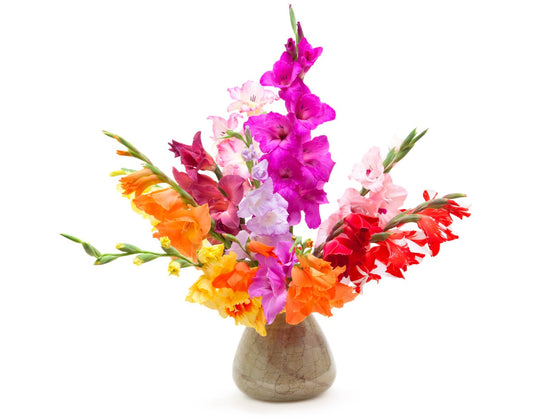
Grow gladioli from corms in Australia: planting depth and timing for six zones, staking, feeding, cutting, lifting and storing, pests and the wild weed species.
| Position | Full sun, sheltered from wind |
|---|---|
| Depth | 10 to 15 cm, flat side down |
| Spacing | 10 to 15 cm |
| First pick | 13 to 17 weeks from planting |
Hippeastrum
Grow hippeastrums in any Australian zone: when to plant bulbs, why the neck sits above the soil, pots, feeding, frost, pests, toxicity and state weed status.
| Position | Full sun or dappled shade |
|---|---|
| Depth | Top third above soil |
| Spacing | 10 to 30 cm |
| First pick | 5 to 8 weeks |