
How to Grow Scilla in Australia
Woodland bluebells sold as Scilla are Spanish bluebell, a hardy spring bulb for part shade. Plant bulbs 7 to 10 cm deep and 10 to 15 cm apart from March to May, in humus-rich, well-drained soil. In warm districts, chill them in the fridge for 6 to 8 weeks first. Flowers follow from August to October, later in cold districts, and clumps return each year.
| Sun | Part shade or dappled light |
|---|---|
| Water | Moist while growing; dry in summer dormancy |
| Soil | Humus-rich, well drained, any pH |
| Feed | Bone meal at planting; potash from flowering |
| Spacing | 10 to 15 cm |
| Depth | 7 to 10 cm |
| Germination | Bulbs: leaves appear through winter |
| Harvest | Aug to Oct, later in cold districts |
| Container | Yes: 20 cm pot holds about 10 |
| Frost | Fully frost hardy |
| Use | Cut flowers and drifts under deciduous trees |
Woodland bluebells, sold as Scilla, are Spanish bluebell (Hyacinthoides hispanica), a spring bulb in the asparagus family (Asparagaceae) once named Scilla hispanica. A different plant from hyacinths (Hyacinthus) and grape hyacinths (Muscari), they are grown for upright spikes of bell-shaped flowers in part shade. Bluebells return and spread each spring in cool and temperate gardens, but in warm districts the bulbs need chilling first.
Three mistakes that matter
- Skipping the chill in a warm district. Bluebells need a cold winter to flower well, so in Brisbane or on the NSW north coast flowering is often patchy. Chill the bulbs in the fridge for 6 to 8 weeks first, as described under Planting Bulbs.
- Planting into wet, heavy soil. Bulbs sitting in waterlogged ground over winter rot before they flower. Choose a well-drained spot, dig compost through clay before planting, or grow them in a pot of potting mix instead.
- Cutting the leaves off after flowering. The yellowing leaves are feeding the bulb for next spring, so removing them early means fewer flowers. Leave them for 4 to 8 weeks until they wither, and hold off mowing bluebells in a lawn.
When to plant
Plant in autumn, once the nights turn cool: from March in cold districts, and in April or May where winters are mild. Roots grow while the soil still holds some warmth, so plant by the end of May. Anzac Day falls in the middle of the window. One planting lasts for years, because the clumps multiply.
| Zone | Example cities | Plant | Flowering | Notes |
|---|---|---|---|---|
| Tropical | Darwin NT; Cairns, Townsville QLD; Broome WA | Not recommended | Not recommended | Too warm for the cool winter rest bluebells need, and wet-season rain rots dormant bulbs. |
| Subtropical | Brisbane, Sunshine Coast, Bundaberg QLD; Coffs Harbour, Lismore NSW | Apr-May | Aug-Oct | Marginal. Chill bulbs 6 to 8 weeks first, then plant in the coolest, shadiest, best-drained spot. |
| Arid and semi-arid | Alice Springs NT; Broken Hill, Dubbo NSW; Mildura VIC | Apr-May | Aug-Oct | Marginal. Frosty winters chill the bulbs; plant in shade and water through spring, away from hot wind. |
| Temperate | Sydney, Newcastle, Wollongong NSW; Melbourne, Geelong VIC | Mar-May | Aug-Oct | Reliable, especially in Melbourne. On the warm Sydney coast, plant in April or May into part shade. |
| Mediterranean | Perth, Bunbury WA; Adelaide and the SA coast | Apr-May | Aug-Oct | Dry summers suit the resting bulbs. Plant in dappled shade, away from hot afternoon sun. |
| Cool and alpine | Hobart, Launceston TAS; Canberra ACT; Ballarat VIC; Orange NSW | Mar-May | Sep-Nov | The best zone for bluebells. Clumps naturalise freely and take full sun as well as shade. |
In warm districts, count back 6 to 8 weeks from your planting day and start the chill then.
Site, soil and setup
Bluebells are woodland plants: they want winter and spring light, then shade and a dry rest over summer.
| Need | What to do |
|---|---|
| Light | Dappled light or part shade, with at least four hours of sun in late winter and early spring. Full sun suits cool districts. No bulb flowers well in deep shade. |
| Where | Under deciduous trees, along shaded fences and borders, or in a lawn that can go unmown until the leaves die down. |
| Soil | Humus-rich soil that is moist but well drained. Heavy clay needs compost dug through it first. |
| pH | Acid, neutral or alkaline soil all suit, so pH rarely needs correcting. |
| Drainage | Avoid spots where water lies after rain. Where drainage is poor, grow them in pots. |
| Bed preparation | Dig in a 5 cm layer of compost and bone meal at 100 g per square metre before planting. |
A clump stays put for years, so crop rotation does not apply.
Weed status by state
Spanish bluebell spreads by seed and by offsets (small bulbs that form beside the parent). In Victoria it occasionally escapes from gardens, often as a hybrid with English bluebell (Hyacinthoides non-scripta).
| State or territory | What the weed lists say |
|---|---|
| Queensland | Not on the prohibited or restricted invasive plant lists. |
| New South Wales | Not among the weed profiles in NSW WeedWise. |
| Victoria | Not a declared noxious weed. The state advisory list of environmental weeds includes it, with a rarely significant impact and a medium risk rating. |
| Tasmania | Not on the declared weeds index. |
| South Australia | Not a declared plant. A different bulb, hyacinth squill (Scilla hyacinthoides), is an environmental weed around Adelaide. |
| Western Australia | Permitted under section 11 on the Western Australian Organism List. Hyacinth squill is a declared, prohibited pest there. |
| Northern Territory | Not on the list of weeds in the NT. |
| Australian Capital Territory | Not a declared pest, and not on the advisory list of naturalised alien plants, which does list English bluebell. |
No state declares it, but keep it in the garden. Cut spent stems before seed sets near bushland (see Harvesting Blooms), and put unwanted bulbs in the green waste bin rather than the home compost.
Container growing
Pots suit bluebells and keep their seed and offsets in check. Use a pot at least 20 cm wide, about 4.5 L, for around 10 bulbs, or 25 cm wide, about 8.5 L, for around 15. Choose one with drainage holes, fill it with premium potting mix and set the bulbs close together, a little shallower than in the ground.
- Watering. Water in, keep the mix just moist from first shoots to the end of flowering, then let it dry out over summer.
- Feeding. Give seaweed solution at 30 mL per 9 L once a fortnight from first shoots until the leaves yellow.
- Position. Bright shade or morning sun, out of hot afternoon sun once buds show.
- Repotting. Lift and repot crowded bulbs as described under Harvesting Blooms.
Planting Bulbs
Bluebells start from dormant bulbs planted straight into the ground or a pot in autumn.
Chilling
In subtropical and other warm districts, give the bulbs a false winter before planting. Put them in a paper bag in the fridge crisper for 6 to 8 weeks. Keep fruit out of that fridge, because the ethylene gas it gives off can ruin the flower buds. Plant them straight from the fridge. Cool and temperate gardens can skip the chill altogether.
Planting in the ground
- Choose firm, plump bulbs, and set aside any that are soft, mouldy or squashy.
- Dig holes 7 to 10 cm deep and set each bulb pointed end up.
- Space bulbs 10 to 15 cm apart in loose drifts, or scatter a handful and plant them where they land.
- Backfill, water in well to settle the soil, then mulch with 5 cm of compost to hold moisture and keep weeds down.
- Mark the spot with a stake, so a spade does not find the bulbs in summer.
- Leaves usually appear through winter, and flowers follow from about August to October, later in cold districts.
Care by growth stage
Moisture while they grow and a dry summer rest decide how well bluebells flower. Feed lightly, because compost and bone meal at planting carry them most of the way.
| Stage | Water | Feed | Watch for |
|---|---|---|---|
| Planting to first shoots, weeks 0 to 8 | Water in well, then only if autumn turns dry; keep the soil just moist, never soggy | Bone meal at 100 g per square metre dug in at planting; seaweed solution at 30 mL per 9 L to water in | Bulbs rotting in wet soil; snails on the first shoots |
| Leaves in winter, weeks 8 to 20 | Rain is usually enough; water deeply if a dry spell sets in | Seaweed solution at 30 mL per 9 L once a fortnight | Snails and slugs on wet nights |
| Buds and flowers, weeks 20 to 30 | Keep watering steady through flowering, with one good soak a week when rain is low | Liquid potash at the label rate once a fortnight from the first flowers | Weak flowering in deep shade |
| Leaves yellowing, weeks 30 to 38 | Water lightly until the leaves wither, then stop | Fish and seaweed blend at 25 mL per 9 L once a fortnight while the leaves fade, stopping when they wither | Leaves cut or mown too early |
| Summer dormancy, weeks 38 to 52 | None; dry soil suits the resting bulbs | None; top up the compost mulch to 5 cm in autumn | Crowded clumps flowering less (see Harvesting Blooms) |
Weeks run from an autumn planting, so let the plants mark each stage. If growth stays weak in poor soil, a light dose of all-purpose controlled release granular (NPK around 14-5-10), scratched in as shoots appear, can help.
Companion planting
Bluebells do best among plants that shade them in summer and hide their fading leaves.
Grows well with
- Deciduous trees, which let in winter and spring light, then shade the resting bulbs in summer.
- Hellebores, which grow early and help hide the dying bulb leaves.
- Jonquils and snowflakes, hardy bulbs that also stay in the ground for years.
Keep apart
- Vegetable beds, where a bulb could be dug up and eaten by mistake.
- Small, slow perennials and ground covers, which spreading bluebell clumps can smother.
- Bushland edges, where seed and dumped bulbs can escape into native vegetation.
Harvesting Blooms
Pick stems for the vase when they stand firm with every bell well attached, before any begin to drop.
- Snap or cut each stem at the base rather than pulling it, which can damage the bulb.
- Strip any leaves that would sit below the waterline, and recut the stem end with a sharp knife.
- Stand stems in water with flower food.
- Keep pets away from the vase water, because every part of the plant is poisonous.
- Cut stems left in the garden as the bells fade, to stop seed forming.
The bulbs are best left in the ground, but crowded clumps can be lifted every three to four years once the leaves have died down. Replant them straight away, or store them dry in old stockings or mesh bags in an airy shed and replant in autumn.
Common problems
Leaves but few flowers. In warm districts the bulbs have missed their winter chill (see Three mistakes that matter). In cooler gardens, deep shade is the usual cause.
Soft, rotting bulbs. Bulbs that were soft, brown or smelly when bought already carried disease, and wet ground finishes the job (see Three mistakes that matter). Read more
Fewer flowers each year. Clumps crowd themselves after a few years. Lift and divide them in summer, as described under Harvesting Blooms.
Bluebells coming up everywhere. Seed from spent stems and new offsets spread them through a bed. Cut spent stems (see Harvesting Blooms), and fork out strays while they are dormant.
Pests and diseases
Bluebells are generally free of serious pests and diseases, so one pest does most of the damage.
Common garden snail (Cornu aspersum). Snails and slugs chew holes in young leaves and flowers, mostly on wet nights. They hide by day, so go out after dark with a torch and pick them off. Read more
Prevention first
- Sink a shallow container of beer among the clumps to trap snails and slugs.
- Line pots and raised beds with copper tape, which snails and slugs dislike crossing.
- Drop collected snails into soapy water rather than squashing them, because their eggs can survive.
- Welcome kookaburras, magpies and frogs, which eat snails.
Tips
- Plant a few bulbs inside an old colander or open basket, so they are easy to find and lift later.
- Grow bulbs in a plain pot set inside a better-looking outer pot, then lift it out to die down out of sight once flowering ends.
- Check the botanical name on any label: bluebell creeper (Billardiera) is an unrelated climber and a declared plant in South Australia.
Due to quarantine restrictions and our shipping policy, we cannot send Scilla bulbs to Western Australia or Tasmania.
Questions
Are Scilla and Spanish bluebells the same plant?
The woodland bluebells sold as Scilla are Spanish bluebell, Hyacinthoides hispanica. Botanists once named it Scilla hispanica, and bulb sellers still use the name Scilla. True squills, the genus Scilla, are related but separate bulbs.
Do bluebell bulbs need chilling before planting?
In subtropical and other warm districts, yes. Chill them for 6 to 8 weeks in a paper bag in the fridge crisper, away from fruit, then plant straight from the fridge. Cool and temperate gardens give the bulbs enough winter cold without it.
Are Spanish bluebells a weed in Australia?
No state or territory declares Spanish bluebell a weed, and Western Australia lists it as permitted. Victoria's advisory list includes it as an environmental weed with a medium risk rating. Deadhead near bushland and bin unwanted bulbs in green waste.
Are bluebells poisonous to dogs and cats?
Yes. All parts are poisonous if eaten, and the bulbs carry the most toxin. Pets that chew leaves or flowers usually show mild stomach upset, but chewing a bulb can cause more serious signs. Store bulbs out of reach and call your vet if a pet eats one.
Will bluebells grow in full shade?
They flower best in dappled light or part shade, with at least four hours of sun in late winter and early spring. Under deciduous trees suits them well. In deep, year-round shade they flower poorly.
When can I cut back bluebell leaves after flowering?
Wait until the leaves have yellowed and withered, usually 4 to 8 weeks after flowering. Until then they are feeding the bulb for next spring. In a lawn, hold off mowing the patch until the leaves have died down.
Grow it
Tap Add beside a size to put it in your cart. You stay on this page.
- Scilla Woodland Bluebells (Pack of 5 Bulbs)Out of stock

More bulbs and tubers to sow in October
All bulbs and tubersCalla Lily
Grow coloured calla lilies from tubers: planting depth and timing for six zones, water and feeding, lifting and storing, pests, toxicity and the arum lily weed.
| Position | Full sun, hot-afternoon shade |
|---|---|
| Depth | 10 cm, rough side up |
| Spacing | 20 to 30 cm |
| First pick | 7 to 12 weeks from planting |
Canna Lily
Grow dwarf canna lilies from rhizomes: planting depth and timing for six zones, feeding for flowers, cutting back, dividing, pests, and the weed lists by state.
| Position | Full sun |
|---|---|
| Depth | 5 to 10 cm, eyes up |
| Spacing | 50 to 70 cm |
| First pick | 6 to 8 weeks from shooting |
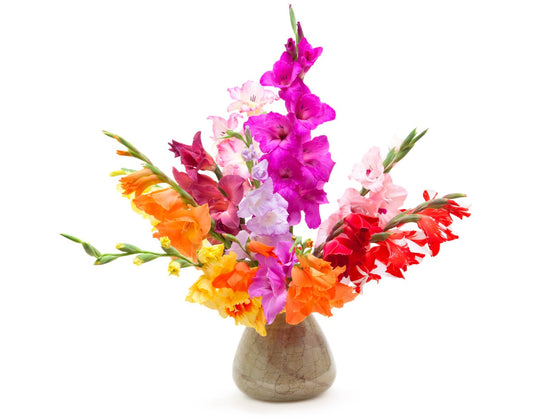
Gladioli
Grow gladioli from corms in Australia: planting depth and timing for six zones, staking, feeding, cutting, lifting and storing, pests and the wild weed species.
| Position | Full sun, sheltered from wind |
|---|---|
| Depth | 10 to 15 cm, flat side down |
| Spacing | 10 to 15 cm |
| First pick | 13 to 17 weeks from planting |
Hippeastrum
Grow hippeastrums in any Australian zone: when to plant bulbs, why the neck sits above the soil, pots, feeding, frost, pests, toxicity and state weed status.
| Position | Full sun or dappled shade |
|---|---|
| Depth | Top third above soil |
| Spacing | 10 to 30 cm |
| First pick | 5 to 8 weeks |