
How to Grow Ginger in Australia
Ginger is a frost-tender tropical perennial grown from pieces of rhizome, not seed. Once the soil holds 20°C, plant firm, budded pieces about 5 cm deep and 20 to 30 cm apart. Choose rich, free-draining soil with afternoon shade. Keep it barely moist until shoots show, then water steadily. Pick young ginger from five months and lift mature rhizomes at eight to ten months.

| Sun | Morning sun, afternoon shade |
|---|---|
| Water | Barely moist until shoots, then steady |
| Soil | Rich, free-draining loam, pH 5.5 to 6.5 |
| Feed | Moderate; potassium as rhizomes swell |
| Spacing | 20 to 30 cm apart |
| Depth | About 5 cm, buds up |
| Germination | Shoots in 4 to 8 weeks above 20°C |
| Harvest | 22 to 43 weeks |
| Container | Pot of 40 L, 40 cm across |
| Frost | Frost tender; shelter dormant rhizomes in winter |
| Use | Grated, sliced, pickled or dried in cooking |
Ginger (Zingiber officinale) is a leafy tropical perennial in the family Zingiberaceae, grown for its knobbly rhizome (a swollen underground stem). Turmeric and galangal are close relatives with their own needs, and the ornamental gingers sold in nurseries are not the kitchen plant. One ornamental, kahili ginger (Hedychium gardnerianum), is a restricted invasive plant in Queensland that must not be given away, sold or released. Culinary ginger grows readily from Sydney north and in pots further south.
Three mistakes that matter
- Planting ginger bought for eating. Shop ginger can carry pests and diseases, and soil-borne rots and nematodes travel inside planting pieces. Plant firm, plump rhizomes sold for planting, each with at least one visible bud.
- Planting into cold, wet soil. A piece in cool soil is slow to shoot, and in cold, wet soil it often rots first. Wait for the soil temperature When to plant gives, or pre-sprout the pieces, and keep the soil barely moist until green tips show.
- Letting summer growth go dry. Once the leaves are up, ginger needs plenty of summer water, and dry heat or hot afternoon sun scorches the leaves. Mulch deeply and water steadily, as Care by growth stage describes.
When to plant
Plant once the soil holds at least 20°C, because ginger needs 20 to 30°C to produce shoots. That means spring in the south and a longer window in the frost-free north. Plant once a year: each crop takes eight to ten months to mature.
| Zone | Example cities | Plant | Harvest | Notes |
|---|---|---|---|---|
| Tropical | Darwin NT; Cairns, Townsville QLD; Broome WA | Aug-Nov | Jan-Sep | Plant as soil warms before the wet season build-up; give filtered shade and steady water in the dry. |
| Subtropical | Brisbane, Sunshine Coast, Bundaberg QLD; Coffs Harbour, Lismore NSW | Sep-Nov | Feb-Aug | Australian commercial ginger centres on Yandina, Sunshine Coast; plant once spring soil warms and lift as leaves yellow. |
| Arid and semi-arid | Alice Springs NT; Mildura VIC; Broken Hill, Dubbo NSW | Sep-Oct | Feb-May | Challenging in dry heat: use a large pot or shaded, mulched trench, and lift or shelter before inland frost. |
| Temperate | Sydney, Newcastle, Wollongong NSW; Melbourne, Geelong VIC | Sep-Nov | Feb-Jul | Sydney grows it in the ground; in Melbourne, pot it up by Melbourne Cup weekend and shelter it in winter. |
| Mediterranean | Perth, Bunbury WA; Adelaide and the SA coast | Oct-Nov | Mar-May | Needs heavy summer watering in a trench or pot; lift by late autumn, before cold, wet winter soil rots it. |
| Cool and alpine | Canberra ACT; Hobart, Launceston TAS; Ballarat VIC; Orange NSW | Oct-Nov | Apr-Sep | Not suited to open ground: start pots indoors or under glass, and keep them frost-free from April to October. |
At the cool edge of a window, pre-sprout the pieces indoors on a seedling heat mat and plant out once the soil warms. A late planting has less time before autumn dieback, so expect smaller rhizomes and pick them young.
Site, soil and setup
| Get the bed right | What to do |
|---|---|
| Light | Morning sun and afternoon shade; filtered light in the tropics and subtropics, and the warmest, sunniest spot in cool southern gardens |
| Shelter | Out of strong and drying winds, which tear and scorch the leaves |
| Soil | Deep, loose, free-draining loam rich in organic matter; ginger cannot stand waterlogging |
| pH | About 5.5 to 6.5; on more acid soil, add dolomite lime at 100 to 200 g per square metre, 4 weeks before planting |
| Bed preparation | Dig in a 5 to 10 cm layer of well-rotted manure 4 to 6 weeks ahead, or a 5 cm layer of compost, then rake in blood and bone at 100 to 150 g per square metre at planting; or mix in a controlled release all-purpose granular (NPK around 14-5-10) at the label rate |
| Sandy soil | Dig a trench about 30 cm deep and 50 cm wide, and fill it with compost and manure to hold summer water |
On heavy soil, plant along raised ridges or mounds so water drains away from the rhizomes. Leave at least four years between ginger crops in one bed. Avoid beds where rhizome rot or nematodes have shown up, since both persist in soil.
Container growing
Pots suit every zone and are the practical way to grow ginger where frost comes, because the plant can move into shelter for winter. A pot at least 40 cm across, holding about 40 L, takes three pieces. Fill it with half premium potting mix and half compost. Allow for leafy stems about 75 cm to 1 m tall.
- Watering: let the mix dry a little between waterings until shoots appear, then keep it evenly moist; pots dry out fast in summer heat.
- Feeding: a small handful of pelletised chicken manure each month, with fish and seaweed blend at 25 mL per 9 L fortnightly in summer.
- Position: in cool southern gardens, use a black pot in a warm, bright spot, and move it into shade during extreme heat.
- Winter: move the pot to a frost-free, sheltered place such as a greenhouse or verandah, and keep the mix barely damp while dormant.
Planting Rhizomes
Until the soil warms or a tray is ready, keep newly bought rhizomes as Harvesting Rhizomes describes for replanting pieces.
Pre-sprouting
- Cut the rhizome into pieces of about 50 to 80 g, each with at least one plump bud, ideally two.
- Leave the pieces in an airy spot for two days so the cut faces dry, which reduces rot.
- Bury them in a tray of moist coconut coir or potting mix, kept at about 24°C on a heat mat.
- Mist when the surface dries. Green tips usually show in three to four weeks; plant them soon after, since sprouted pieces left too long in trays often die.
Planting out
- Lay pieces flat with the buds facing up, about 5 cm deep.
- Space them 20 to 30 cm apart, with 30 to 40 cm between rows or ridges.
- Water in once, then let the soil almost dry between waterings until shoots appear.
- Unsprouted pieces usually show shoots in four to eight weeks in warm soil.
- Give tray-raised pieces a week of hardening off (getting used to outdoor sun and wind) first.
Due to quarantine restrictions and our shipping policy, we cannot send ginger rhizome to the Northern Territory, Tasmania or Western Australia.
Care by growth stage
Too much nitrogen builds leaf at the expense of rhizome, so feeds shift to potassium as the rhizomes swell. Weeks count from planting and shift with zone and planting date.
| Stage | Water | Feed | Watch for |
|---|---|---|---|
| Planting to first shoots, weeks 0 to 8 | Barely moist until shoots show, as Planting out describes | Organic: nothing until shoots show; water pre-sprouted pieces in with seaweed solution at 30 mL per 9 L. Synthetic: the controlled release granular from bed preparation | Pieces that soften or smell sour in cold, wet soil |
| Leafy growth, weeks 4 to 16 | Increase gradually as shoots emerge, keeping the soil moist but never soggy | Organic: fish and seaweed blend at 25 mL per 9 L, fortnightly. Synthetic: an all-purpose soluble (NPK around 23-4-18) at half the label rate, fortnightly | Leaf scorch in hot afternoon sun; weeds around young shoots |
| Summer growth, weeks 12 to 24 | Deep soak at least weekly, more often in heat, wind and pots | Organic: pelletised chicken manure at 100 g per square metre every six weeks, scattered clear of the stems. Synthetic: keep up the all-purpose soluble, fortnightly | Yellowing lower leaves and collapsing stems in patches after heavy rain |
| Rhizome swelling, weeks 20 to 36 | Even and regular; never let the bed swing from dry to waterlogged | Organic: sulphate of potash at 30 to 50 g per square metre once, watered in, or liquid potash at the label rate fortnightly. Synthetic: a high potassium soluble (NPK around 0-0-41) at the label rate, fortnightly | Rhizomes pushing up through the soil, which need covering |
| Dieback, weeks 32 to 43 | Ease back as leaves yellow, but keep the soil evenly damp rather than dry, with no soaking after a dry spell | Nothing | Frost in the forecast and cold, wet soil, the signals to lift or move pots |
As the rhizomes swell they often rise to the surface. Cover them with 5 to 10 cm of straw or sugar cane mulch, or draw soil over them. Exposed rhizomes turn green and can crack in the sun, which lets rot in.

Companion planting
Follow ginger with corn, a sound rotation crop because it does not suffer from soft rot.
Grows well with
- Pigeon pea, a tall shrub whose light shade suits ginger in hot northern gardens.
Keep apart
- Tomato and carrot, which both host root-knot nematode (Meloidogyne spp.).
- Capsicum and beans, which host the water mould behind soft rot as well as root-knot nematode.
Harvesting Rhizomes
Young ginger is ready from about five to six months, and mature rhizomes at eight to ten months, once the leaves yellow and die down.
- For young ginger, scratch at the edge of the clump and snap off a few rhizomes, leaving the rest to grow.
- For the main crop, fork well out from the clump and lift it whole once the leaves have yellowed.
- In Mediterranean and cool gardens, lift before cold, wet winter soil sets in, because dormant rhizomes can rot.
- Brush off the soil and trim the stems to 1 to 2 cm, handling young rhizomes gently, since their skin bruises.
- Set aside the plumpest pieces, free of rot, cracks and damage, for replanting.

Young ginger has a thin skin and little fibre, and it wilts within days in warm air, so use it quickly. Mature rhizomes keep for a few weeks in a sealed bag in the fridge crisper, and grate well from frozen. Keep pieces for replanting dry and airy at about 12 to 14°C, never in the fridge, because chilling below 12°C damages them.
Grate or slice mature ginger into curries, stir-fries, tea and baking. Young ginger is mild enough to pickle or eat fresh, and the young shoots cook as a vegetable. Pickle only by a tested method, such as CSIRO's preserving advice, because vegetables kept without enough acid can carry botulism.
Common problems
Scorched, browning leaves. Hot sun and drying wind burn the leaves, most often from late spring into early summer; give afternoon shade and see Site, soil and setup.
Whole clump yellows in autumn. An even yellowing late in the season is normal dieback into winter dormancy, not disease; cut the dead leaves off at the base.
Tough, stringy rhizomes. Fibre builds as the rhizome ages, so for tender pieces pick some young, as Harvesting Rhizomes describes.
Knobbly rhizomes sprawling on the surface. Rhizomes grow sideways and knobbly when they are left uncovered; keep them under mulch or soil, as Care by growth stage describes.
Rhizomes rot over winter. Dormant rhizomes break down in cold, wet soil; lift them as Harvesting Rhizomes describes, or move the pot into shelter, as Container growing describes.
Pests and diseases
The troubles that matter for ginger in Australia live in the soil and travel in planting pieces.
Pythium soft rot (Pythium myriotylum). This water mould is a serious ginger disease in Queensland and can attack between 20 and 35°C. Lower leaves yellow, stems collapse and pull away easily, and rhizomes turn soft and watery, often in patches after heavy rain. Lift and discard affected clumps, and keep ginger out of that bed, as Site, soil and setup describes.
Fusarium yellows (Fusarium oxysporum f. sp. zingiberi). Infected pieces often fail to shoot, or send up stunted yellow shoots that die early, and cut rhizomes show a brown rot. The fungus enters through cracks from frost or sun, tool wounds and waterlogged soil. Read more
Root-knot nematode (Meloidogyne spp.). These microscopic soil worms are very common in Queensland soils, and ginger is one of the crops they commonly affect. Plants look stunted and unthrifty, and roots carry lumpy galls. Rotate beds, and dig in compost, which feeds the nematodes' natural enemies. Read more
Prevention first
- Plant clean pieces on raised, free-draining ground, as Three mistakes that matter and Site, soil and setup describe.
- Keep weeds down, since many weeds host the soft rot water mould.
- Clean soil off tools and boots before working a clean bed, and never move soil from a diseased one.
- Keep runoff from a diseased bed away from healthy ginger, since the water mould spreads in surface water.
Tips
- A polystyrene fruit box made into a small wicking bed keeps ginger warm and constantly moist, which suits it in dry or cool gardens.
- To keep a patch going, lift clumps in spring as new growth begins. Break them into budded pieces and replant the best in fresh compost.
- Cut the leafy tops off two to three weeks before a planned lift, which helps the rhizomes part cleanly from the stems.
Questions
Can I grow ginger from supermarket ginger?
It can sprout, but it is a gamble. Ginger sold for eating can carry pests and diseases, including rots and root-knot nematode, that then build up in your soil. Start with firm, plump rhizomes sold for planting, each with visible buds, and discard any soft or cracked piece.
How long does ginger take to grow in Australia?
Young, mild ginger can be picked from about five to six months after planting. Mature rhizomes take eight to ten months and are ready when the leaves yellow and die down. Most gardens plant in spring and lift the main crop from late summer into winter.
Can you grow ginger in Melbourne or Canberra?
Yes, in a pot. Start pieces indoors or under glass in spring, and move the pot into a warm, sunny spot once the weather settles. Bring it into a frost-free place before the cold arrives, and keep the mix barely damp while the plant is dormant.
Why are my ginger leaves turning yellow?
An even yellowing of the whole clump in autumn is normal dieback before winter. Yellow, collapsing stems in summer, often in patches after heavy rain, point to Pythium soft rot or Fusarium yellows in the rhizomes. Dig one up: a soft, watery or brown rhizome means the clump should go.
How do I harvest ginger without killing the plant?
Scratch into the soil at the edge of the clump and snap off a few outer rhizomes, leaving the rest growing. The plant keeps going as long as the central shoots and their rhizomes stay undisturbed. Cover the gap with soil or mulch afterwards.
Does ginger need sun or shade?
Both, depending on where you garden. In the tropics and subtropics it does best in filtered light or afternoon shade. In cooler southern gardens it needs the warmest, sunniest spot available, or a pot that can follow the sun.
Grow it

More edible produce guides
All edible produce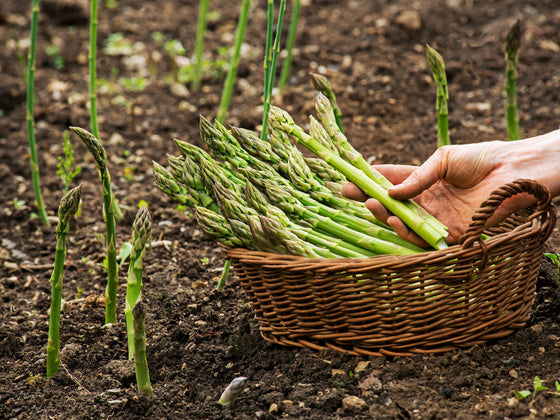
Asparagus
How to grow asparagus from seed in Australia: raising seedlings, planting crowns, a bed of its own, when to start picking spears and cutting back the fern.
| Position | Full sun |
|---|---|
| Depth | Seed 1 to 2 cm |
| Spacing | 30 to 40 cm |
| First pick | Third spring from sowing |
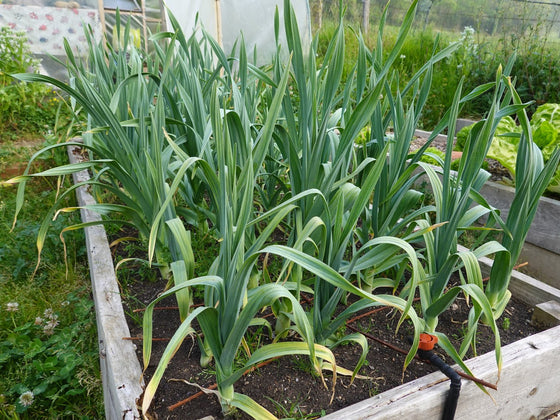
Elephant garlic
Also sold as Russian garlic. Plant the large cloves in April or May, keep the bed weeded and watered, and use the finger test to judge when the bulbs are ready.
| Position | Full sun, 6 hours or more |
|---|---|
| Depth | 5 cm of soil over tip |
| Spacing | 20 to 30 cm |
| First pick | 6 to 8 months |
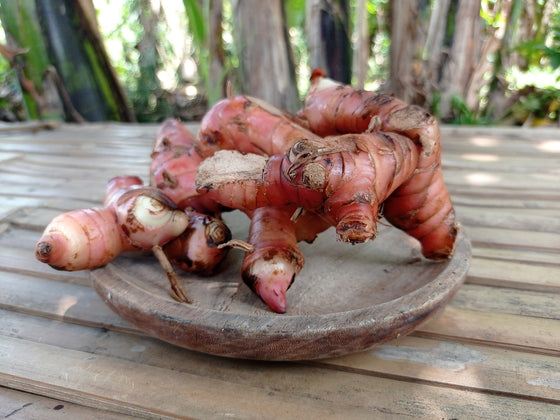
Galangal
Grow Thai red and lesser galangal from rhizomes in Australia: planting months for six zones, pre-sprouting, pots for frosty areas, feeding, pests and harvest.
| Position | Morning sun, afternoon shade |
|---|---|
| Depth | 5 to 7 cm, buds up |
| Spacing | 30 to 45 cm |
| First pick | 17 to 43 weeks |
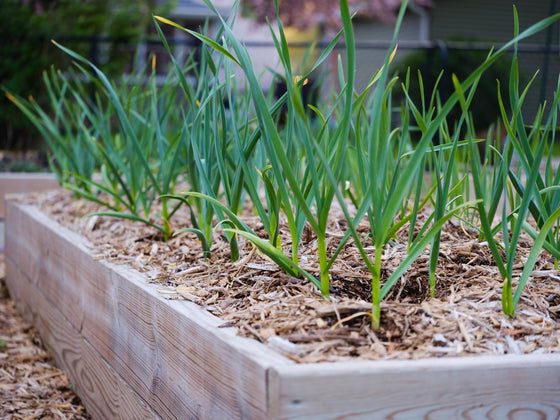
Garlic
When to plant garlic in each Australian climate zone, how deep and how far apart, feeding through winter, and how to tell when the bulbs are ready to lift and cure.
| Position | Full sun, 6 hours or more |
|---|---|
| Depth | Tip 2 to 5 cm deep |
| Spacing | 10 to 15 cm |
| First pick | 22 to 39 weeks |