
How to Grow Galangal in Australia
Galangal is a frost-tender ginger relative grown from rhizomes. Plant pieces with two or more buds 5 to 7 cm deep and 30 to 45 cm apart in soil of about 20°C or more. Give it morning sun, afternoon shade and rich, moist, free-draining soil. Dig young pieces from about four months, or lift the clump after 9 to 10 months. Grow it in a pot where frost is regular.

| Sun | Morning sun, afternoon shade |
|---|---|
| Water | Evenly moist, never waterlogged; less in winter |
| Soil | Rich, free-draining, pH 5.5 to 6.5 |
| Feed | Moderate; fortnightly liquid feeds in warm months |
| Spacing | 30 to 45 cm |
| Depth | 5 to 7 cm, buds up |
| Germination | Shoots in 4 to 8 weeks in warm soil |
| Harvest | 17 to 43 weeks |
| Container | At least 75 L, about 50 cm across |
| Frost | Frost tender; shelter pots over winter |
| Use | Rhizomes in curries, soups and spice pastes |
Galangal is a clumping perennial in the ginger family, Zingiberaceae, grown for peppery rhizomes (swollen underground stems) used in tom yum, curries and laksa. Two species usually carry the name: Thai red or greater galangal (Alpinia galanga), and the shorter lesser galangal (Alpinia officinarum), with smaller, sharper rhizomes. It thrives in warm, humid gardens and in large pots further south; most failures start in cold, wet soil.
Three mistakes that matter
- Planting into cold, wet soil. A rhizome sitting in cold, soggy ground rots before it shoots. Wait for the soil warmth given in When to plant, and keep the soil just moist until shoots appear. Where spring is slow, pre-sprout pieces indoors.
- Leaving it out through a frosty winter. Frost burns the leaves, and cold, wet soil rots the resting rhizomes. Where frost is regular, grow galangal in a pot and move it under cover before the first frost of autumn.
- Waiting for one big harvest. Rhizomes turn tough and fibrous as they age, so a clump saved for one big dig gives woody pieces. Dig young, plump pieces from the side of the clump as you need them, as Harvesting Rhizomes describes.
When to plant
Plant once the soil stays at about 20°C or warmer, the warmth galangal needs to push shoots, which in most gardens means spring. In cool soil, sprouting is slow and uneven. One planting lasts for years, because the clump regrows each spring from the rhizomes left behind.
| Zone | Example cities | Plant | Harvest | Notes |
|---|---|---|---|---|
| Tropical | Darwin, Katherine NT; Cairns, Townsville QLD; Kununurra WA | Sep-Dec | Jun-Oct | Plant as the wet season build-up begins. Young pieces can be dug for much of the year. |
| Subtropical | Brisbane, Gold Coast, Sunshine Coast QLD; Coffs Harbour, Lismore NSW | Sep-Nov | Jun-Sep | Plant once spring soil warms. Grows well in the ground; mulch inland valley clumps against light frost. |
| Arid and semi-arid | Alice Springs NT; Broken Hill, Dubbo NSW; Mildura VIC | Oct-Nov | Jul-Sep | Marginal: grow in a large pot in afternoon shade, water often in summer, and shelter it before winter frost. |
| Temperate | Sydney, Newcastle, Wollongong NSW; Melbourne, Geelong VIC | Oct-Nov | Jul-Sep | Sydney clumps can stay in a warm, sheltered bed. Melbourne gardens grow it in a pot, sheltered over winter. |
| Mediterranean | Perth, Bunbury WA; Adelaide and the SA coast | Oct-Nov | Jul-Sep | Give afternoon shade, mulch and steady water through the dry summer; pots move under cover for winter. |
| Cool and alpine | Hobart, Launceston TAS; Canberra ACT; Ballarat VIC; Orange NSW | Nov-Dec | Aug-Oct | Pots or a glasshouse only. Pre-sprout indoors, and bring pots inside before the first autumn frost. |
At the cool edge of a window, pre-sprout pieces in the warmth, as Planting Rhizomes describes, and plant out once nights stay mild. In the tropics, planting at the start of the wet season lets the rain do much of the watering.
Site, soil and setup
| Get the bed right | What to do |
|---|---|
| Light | Morning sun and afternoon shade suit it best, with at least 3 hours of full sun a day; deep shade gives lush leaves and small rhizomes |
| Soil | Moist but free-draining and rich in organic matter; on heavy clay, plant into a raised bed or mound, since waterlogged soil rots rhizomes |
| pH | About 5.5 to 6.5; if a test reads below 5.5, add dolomite lime at 100 to 200 g per square metre, 4 weeks before planting |
| Bed preparation | Weed thoroughly, loosen the soil and dig in a 5 cm layer of compost with pelletised chicken manure at 100 g per square metre; or mix in a controlled release all-purpose granular (NPK around 14-5-10) at the label rate |
| Shelter | A warm spot out of strong wind; frost damages the leaves |
| Room | 30 to 45 cm between plants, with space for the clump to spread |
Choose a spot where the clump can stay for three or four years. Avoid beds where root-knot nematode (Meloidogyne spp.) has galled earlier crops, or where ginger or turmeric has rotted, as Companion planting explains.
Container growing
Use a pot of at least 75 L, about 50 cm across, filled with a good quality, coarse, free-draining potting mix.
| Galangal | Botanical name | Height | Rhizomes | In a pot |
|---|---|---|---|---|
| Thai red (greater galangal) | Alpinia galanga | 1 to 2 m | Reddish skin, hot and peppery | Needs the full 75 L and regular dividing |
| Lesser galangal | Alpinia officinarum | About 1.5 m | Smaller, sharper and more peppery | The more compact of the two |
Sand ginger (Kaempferia galanga) is also called galangal, but it is a different plant from both of these.
- Water: keep the mix evenly moist in the warm months, water less in winter, and never leave the pot standing in water.
- Feed: fish and seaweed blend at 25 mL per 9 L, fortnightly from spring to autumn. Or mix a controlled release all-purpose granular (NPK around 14-5-10) into the potting mix at planting, at the label rate.
- Position: as for a bed, see Site, soil and setup.
- Dividing: every year or two, as the rhizomes fill the pot, tip the clump out. Cut down through the root ball between sets of shoots with a clean knife, and repot the pieces in fresh mix.
Planting Rhizomes
Start galangal from a firm rhizome piece with at least two buds, planted straight into warm soil or pre-sprouted indoors first. Due to quarantine restrictions and our shipping policy, we cannot send galangal rhizomes to Western Australia or Tasmania.
Pre-sprouting
In Melbourne and cool and alpine gardens, start in September or October, since shoots take one to two months. Cut rhizomes at natural joints into pieces 5 to 8 cm long, each with two or more buds. Let the cuts dry for a few days. Sit the pieces on moist potting mix at about 28°C, on a seedling heat mat or in a warm room. Keep the mix below 30°C and never soggy, because heat and wet rot the pieces.
Planting out
- Plant 5 to 7 cm deep, buds facing up, so the soil just covers the rhizome.
- Space plants 30 to 45 cm apart.
- Keep the soil just moist, not wet, until shoots emerge, which can take several weeks.
- Harden off (accustom to outdoor sun and wind) pre-sprouted pieces for about a week, and handle the new roots and shoots gently.
- Set a crown (a piece with stems already attached) at the depth it grew, with its stems above the soil.
- Water sprouted pieces and crowns in with seaweed solution at half strength, 15 mL per 9 L.
Buy or keep only firm rhizomes, and discard any piece with soft, mouldy or discoloured patches.
Care by growth stage
Warmth, steady moisture and feeding in the warm months decide how many rhizomes a clump makes. Weeks count from a spring planting. Cold, not shorter days, slows galangal, so in the tropics it keeps growing and the last row applies only where nights turn cool.
| Stage | Water | Feed | Watch for |
|---|---|---|---|
| Shooting, weeks 1 to 8 | Just moist, never wet, until shoots appear | Nothing until shoots are 5 to 10 cm tall. Organic: seaweed solution at half strength, 15 mL per 9 L, fortnightly. Synthetic: the controlled release granular from bed preparation | Soft or rotting pieces in cold, wet soil |
| Leafy growth, weeks 8 to 16 | Deep soak at the base when the top few centimetres dry, early morning or late afternoon | Organic: fish and seaweed blend at 25 mL per 9 L, fortnightly. Synthetic: an all-purpose soluble (NPK around 23-4-18) at the label rate, fortnightly | Curled leaves or burnt tips from dry soil; mites in hot, dry weather |
| Clump building, weeks 16 to 26 | Regular and even through summer | Organic: sulphate of potash at 30 to 50 g per square metre, watered in once. Synthetic: a fruiting and flowering soluble (NPK around 15-4-26) at the label rate, fortnightly | Flowering stems in summer; rhizomes showing at the surface |
| Slowing down, weeks 26 to 43 | Even to the end, less often as growth slows, with no dry spell then soaking | Nothing once growth slows | Lower leaves yellowing on a mature clump, the sign to lift it; frost in the forecast |
| Winter rest, where it is cold | Only enough to stop the soil drying out | Nothing until new shoots appear in spring | Waterlogged pots; frost on plants left outside |
Spread 5 cm of compost as mulch in spring to keep the shallow roots cool and moist. Each flowering stem dies down after it flowers, so cut it off at ground level.

Companion planting
Galangal fits a warm herb bed or the dappled understorey of taller plants, and should not follow related crops in the same soil.
Grows well with
- Lemongrass, which shares its liking for warmth, moisture and a harvest-as-you-go herb bed.
- Makrut (kaffir) lime and other taller fruit trees, which give the dappled light galangal grows well in as an understorey plant.
Keep apart
- Tomato, capsicum and eggplant beds with root-knot nematode, since all three host it, as galangal does.
- Ginger and turmeric grown in the same soil within three to five years, since rhizome rots carry over.
- Small herbs such as thyme and chives, which a spreading clump soon crowds out.
Harvesting Rhizomes
Young, plump rhizomes with pale or pink skin can be dug from the side of the clump from about four months after planting. A whole clump is usually ready 9 to 10 months after planting, once the lower leaves yellow or the stems dry and fall over.
- Push a fork in at the edge of the clump and break off the rhizomes you need.
- Leave the centre of the clump and its young shoots in place to keep growing.
- For a full harvest, lift the clump, shake off the soil and cut the stems 1 to 2 cm above the rhizome.
Store unpeeled rhizomes in an airtight container in the fridge and use them within a week or so. For longer storage, peel, slice and freeze them.
Slice, pound or grate the rhizome into curries, soups and spice pastes. The young shoots and peeled young stems of Thai red galangal can also be cooked as a vegetable.
Common problems
Rhizomes rot after planting. Cold, soggy soil lets rot in before shoots form, as Three mistakes that matter explains; for rot in warm, wet weather, see Pests and diseases. Read more
No shoots after several weeks. Cool soil slows and staggers sprouting, so check that a piece is still firm, then wait for warmer weather.
Curled leaves with brown tips. Dry soil curls the leaves and then burns their tips and edges, and harsh afternoon sun adds to it; water evenly and give afternoon shade.
Leaves yellow in autumn. Where nights turn cool, the clump slows towards its winter rest, which is normal and shows a mature clump is ready to lift. Yellowing with collapsing stems in warm, wet soil is rhizome rot instead.
Lush leaves, few rhizomes. Deep shade grows healthy tops over small rhizomes, so move the plant to the light in Site, soil and setup.
Small, crowded rhizomes. An old clump crowds itself, so lift, divide and replant fresh pieces every 3 to 4 years.
Pests and diseases
Galangal is seldom troubled by insects, and most losses start in the soil.
Root-knot nematode (Meloidogyne spp.). These microscopic soil worms include guava root-knot nematode (Meloidogyne enterolobii), found around Darwin and in Queensland, which lists galangal among its hosts. Infected plants look yellow, stunted and wilted, and their roots carry lumpy galls. Plant clean rhizomes, and dig in compost, which feeds the nematodes' natural enemies. Have suspect galls identified by your state or territory agriculture department before moving or sharing rhizomes. Read more
Rhizome rot (Pythium spp.). This soil water mould is a serious wet-weather disease of ginger in Queensland, and it rots rhizomes in warm soil as well as cold. Leaves yellow, stems collapse and pull away easily, and the rhizome goes soft. Lift and bin affected plants rather than composting them, and keep ginger-family crops out of that bed, as Companion planting describes.
Two-spotted mite (Tetranychus urticae). These tiny mites, under 0.5 mm long, feed under the leaves and leave a yellow, stippled mottle. Numbers climb fast in hot, dry weather and under cover. Keep plants well watered, and avoid broad sprays that kill the predatory mites and ladybirds that usually control them. Read more
Aphids (family Aphididae). These small sap-sucking insects can gather on soft new growth, especially on plants grown under cover. Squash small colonies or hose them off, and leave ladybirds and hoverflies to finish the job. Read more
Prevention first
- Start with firm, clean rhizomes, as Planting Rhizomes describes.
- Clean boots and tools after working in infested soil, since nematodes travel in soil and plant material.
- Water the soil, not the leaves, in the morning.
- Rotate beds as Companion planting describes, and add compost before each planting.
Tips
- Drop the flowered stems you cut off back onto the bed as mulch, where they break down and feed the soil.
- In Melbourne and other southern cities, a sheltered, north-facing courtyard or balcony is often the warmest spot for a pot.
- Keep a few plump pieces with buds from each harvest as planting stock. Store them unwashed, with the soil still on, somewhere dry at about 13 to 16°C.
Questions
What is the difference between greater and lesser galangal?
Greater galangal, sold as Thai red, is Alpinia galanga: a plant of 1 to 2 m with reddish, hot, peppery rhizomes. Lesser galangal is Alpinia officinarum, about 1.5 m tall, with smaller rhizomes and a sharper, more peppery taste. Both grow the same way. Sand ginger, Kaempferia galanga, is a different plant.
When do you plant galangal in Australia?
Plant rhizomes in spring once the soil stays at about 20°C or warmer, usually September to November. In the tropics, plant as the wet season build-up begins. In cool and alpine areas, start pieces indoors and plant into pots in November or December.
Can you grow galangal in Melbourne or Canberra?
Yes, in a large pot. Galangal is frost tender, so move the pot to a sheltered, frost-free spot before the first autumn frost and water it sparingly until spring. A pot of at least 75 L gives the clump room to make rhizomes. A glasshouse also works in cool areas; open its vents on hot days.
How long does galangal take to grow?
Young, tender pieces can often be dug from about four months after planting. A whole clump is usually ready 9 to 10 months after planting, when the lower leaves yellow or the stems dry and fall over. The clump then regrows from the rhizomes left behind.
Can I grow galangal from a shop-bought rhizome?
Often, yes. Choose firm, plump, Australian-grown pieces with visible buds and no soft or mouldy patches, then pre-sprout them in warmth. Imported rhizomes may have been treated to stop them sprouting. Food rhizomes also carry more disease risk than clean planting stock, so discard any piece that softens.
How do you store fresh galangal?
Keep unpeeled rhizomes in an airtight container in the fridge and use them within a week or so. For longer storage, peel and slice them, then freeze. Frozen slices can go straight into soups and curries.
Grow it


More edible produce guides
All edible produce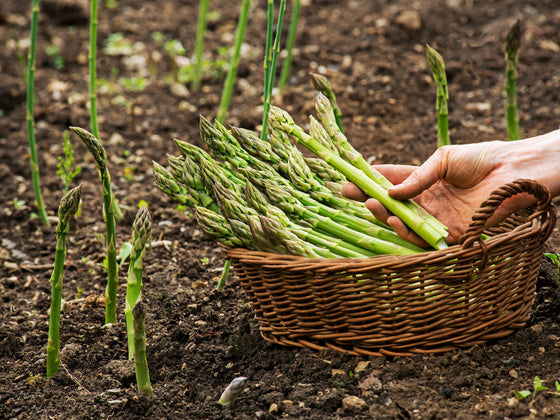
Asparagus
How to grow asparagus from seed in Australia: raising seedlings, planting crowns, a bed of its own, when to start picking spears and cutting back the fern.
| Position | Full sun |
|---|---|
| Depth | Seed 1 to 2 cm |
| Spacing | 30 to 40 cm |
| First pick | Third spring from sowing |
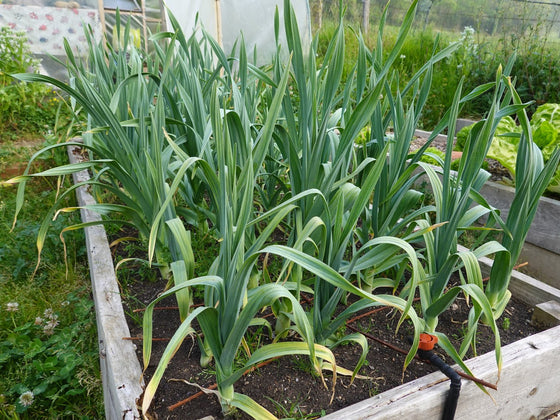
Elephant garlic
Also sold as Russian garlic. Plant the large cloves in April or May, keep the bed weeded and watered, and use the finger test to judge when the bulbs are ready.
| Position | Full sun, 6 hours or more |
|---|---|
| Depth | 5 cm of soil over tip |
| Spacing | 20 to 30 cm |
| First pick | 6 to 8 months |
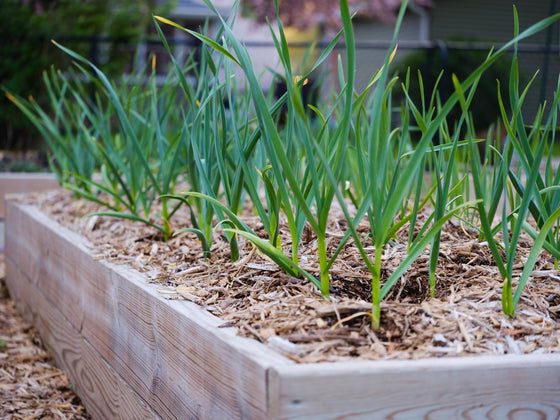
Garlic
When to plant garlic in each Australian climate zone, how deep and how far apart, feeding through winter, and how to tell when the bulbs are ready to lift and cure.
| Position | Full sun, 6 hours or more |
|---|---|
| Depth | Tip 2 to 5 cm deep |
| Spacing | 10 to 15 cm |
| First pick | 22 to 39 weeks |

Ginger
Grow ginger in Australia from rhizomes: planting months for all six zones, pre-sprouting, pots for cool areas, feeding, soft rot, harvest and replanting.
| Position | Morning sun, afternoon shade |
|---|---|
| Depth | About 5 cm, buds up |
| Spacing | 20 to 30 cm apart |
| First pick | 22 to 43 weeks |