
How to Grow Black Currants in Australia
Plant a dormant bare-root black currant cane in winter, about 5 cm deeper than it grew, in rich, moisture-holding soil sheltered from hot wind. Cut it back hard after planting. Black currants need cold winters and suit cool districts best. Feed nitrogen in spring and potash at flowering, net the ripening fruit, and each winter cut out the oldest, darkest stems at the base.
| Sun | Full sun; shade hot afternoons |
|---|---|
| Water | Even moisture, steady right through picking |
| Soil | Rich, moisture-holding, free-draining, pH 6.0 to 6.5 |
| Feed | Medium; nitrogen in spring, potash at flowering |
| Spacing | 1.2 to 1.5 m apart |
| Depth | 5 cm below old mark |
| Germination | Not from seed: plant a dormant bare-root cane |
| Harvest | Second summer after planting |
| Container | At least 50 L, 45 cm wide |
| Frost | Very frost hardy; frost harms open flowers |
| Use | Jam, cordial, syrup, pies and freezing |
Black currant (Ribes nigrum) is a deciduous fruiting shrub in the currant and gooseberry family, Grossulariaceae, grown for its tart, glossy black berries. It reaches about 1.5 m and can crop for many years where winters turn properly cold, from Hobart and Ballarat to Canberra. The mistake most gardeners make is planting it where winters are too mild to give the chill it needs.
Three mistakes that matter
- Planting where winters are mild. The fruit buds need winter chilling, so a bush in a warm district leafs up but flowers and fruits poorly. Check your zone under When to plant before buying, and give the plant your coolest sheltered spot.
- Shortening the young stems. Black currants fruit best on the pale stems that grew the summer before, so trimming their tips cuts off next summer's crop. Remove whole old, dark stems at the base instead, as Pruning and Training explains.
- Leaving ripening fruit uncovered. Birds and possums can strip a bush overnight once the berries colour. Net it before then with white, wildlife-safe netting stretched taut over a frame, with mesh too small to push a finger through.
When to plant
Plant a bare-root cane while it is dormant, usually from June to August, before the buds break in spring. After that, the bush needs a cold winter every year. Many black currant varieties need up to 1,400 hours below 7°C for the fruit buds to form well.
| Zone | Example cities | Plant | Harvest | Notes |
|---|---|---|---|---|
| Tropical | Darwin, Katherine NT; Cairns, Townsville QLD; Broome WA | Not recommended | Not recommended | Winters are far too warm to give black currant fruit buds the winter chilling they need. |
| Subtropical | Brisbane, Gold Coast, Sunshine Coast QLD; Coffs Harbour, Lismore NSW | Not recommended | Not recommended | Coastal winters give too little chill. Stanthorpe, high on the Granite Belt, belongs to the cool zone instead. |
| Arid and semi-arid | Alice Springs NT; Mildura VIC; Broken Hill, Dubbo NSW; Kalgoorlie WA | Jun-Aug | Dec-Jan | Marginal: cold nights give some chill, but hot, dry summer winds scorch; give afternoon shade, deep mulch and steady water. |
| Temperate | Sydney, Newcastle, Wollongong NSW; Melbourne, Geelong VIC | Jun-Aug | Dec-Jan | Plant before buds break. Melbourne and cooler inland districts suit best; the mild Sydney coast often lacks chill. |
| Mediterranean | Perth, Bunbury WA; Adelaide and the SA coast | Jun-Aug | Dec-Jan | Marginal: Perth and the Adelaide plains get little winter chill. The cooler Adelaide Hills suit better, with afternoon shade. |
| Cool and alpine | Hobart, Launceston TAS; Canberra ACT; Ballarat VIC; Stanthorpe QLD | Jun-Aug | Dec-Jan | The best black currant country. Plant while dormant, before spring growth; berries ripen from about December into January. |
Avoid frost hollows, because frost on open flowers in spring can cost the crop. If frost is forecast at flowering, cover the bush overnight with fleece and remove it in the morning so bees can reach the flowers.
Site, soil and setup
| Get the site right | What to do |
|---|---|
| Sun | Full sun in cool districts; in warmer ones, morning sun with shade from hot afternoon sun and shelter from hot, dry winds |
| Soil | Rich and moisture-holding but free-draining; heavy soil is fine as long as it never waterlogs |
| pH | 6.0 to 6.5; below 6.0, dig in dolomite lime at 100 to 200 g per square metre, 4 weeks ahead. See soil pH |
| Bed preparation | Clear perennial weeds, then dig in a 5 cm layer of compost and 5 to 10 cm of well-rotted cow or horse manure, 4 to 6 weeks ahead |
| Base feed | Black currants are hungry for nitrogen: mix pelletised chicken manure at 100 g per square metre into the planting area |
| Room | 1.2 to 1.5 m between bushes; a mature bush grows about 1.5 m tall and 1 m or more wide |
As a permanent shrub it sits outside any crop rotation, so choose ground where it can stay undisturbed for many years.
Container growing
A pot suits a courtyard or balcony for a few years, although a black currant crops better and lives longer in the ground. Use a pot at least 45 cm wide and 45 cm deep, holding about 50 L of premium potting mix, with drainage holes. Once cropping falls away, plant the bush out in the garden.
- Watering: keep the mix evenly moist through the growing season, checking daily in warm weather and watering whenever it is dry 5 cm down. See watering pots in summer.
- Feeding: mix a controlled release fertiliser for containers into the potting mix at planting, at the label rate. From first flowers, give liquid potash at the label rate, fortnightly.
- Position: full sun in spring; in hot districts, move the pot into afternoon shade for summer.
- Repotting: every few years in spring, move the bush into a larger pot of fresh mix.
Planting Canes
Black currants start from a dormant bare-root cane planted straight into prepared ground or a large pot. Red currant, which covers the white currant, has its own guide because it is pruned differently, and the raspberry guide uses the same bare-root handling.
Bare-root preparation
The cane arrives leafless, with bare roots and a short woody stem. Never let the roots dry out, and plant as soon as you can. If the bed is not ready, heel the cane into a shallow hole in a cool spot and keep it watered. Soak the roots for one to two hours in a bucket of water with seaweed solution at 30 mL per 9 L. Soaking much longer than two hours can rot them.
Planting in the ground
- Dig a hole at least twice as wide as the spread of the roots.
- Set the cane about 5 cm deeper than it grew before, judged by the soil mark on the stem. New shoots then rise from below ground.
- Spread the roots, backfill, firm the soil to remove air pockets and water in thoroughly.
- Cut the stem back to 5 to 7 cm above the soil, just above an outward-facing bud.
- Mulch with compost or well-rotted manure, leaving a small clear circle around the stem.
The hard cut means no fruit in the first summer. It makes the plant send up several strong shoots from the base, and those carry the first crop the summer after.
State weed and biosecurity lists
Outside Western Australia, which keeps its own organism list, no state or territory lists black currant or any other Ribes as a declared weed. Tasmania and Western Australia also control plants brought in from other states.
| State or territory | What the lists say about Ribes |
|---|---|
| ACT | Not a declared pest plant under the ACT pests declaration |
| New South Wales | No entry in NSW WeedWise, the state's weed database |
| Northern Territory | Not on the NT list of weeds and their declared classes |
| Queensland | Not a prohibited or restricted invasive plant |
| South Australia | Not a declared plant, and not on the list of plants banned from sale |
| Tasmania | Not a declared weed. Biosecurity Tasmania files Ribes under berry plants, and nursery stock enters only under its import requirements for fire ants, potato cyst nematode, tomato potato psyllid and nursery stock |
| Victoria | Not on the Victorian noxious weeds list |
| Western Australia | Black currant is named on the Western Australian Organism List. To enter WA, a plant must be listed there as permitted, and most plants also need chemical treatment and a plant health certificate |
Lists change, so check your state or territory's current list before planting.
Care by growth stage
Steady moisture and plenty of nitrogen in spring decide the crop, with potassium from flowering.
| Stage | Water | Feed | Watch for |
|---|---|---|---|
| Planting and dormancy, winter | Water in well, then keep the soil just moist, never soggy | Seaweed solution at 30 mL per 9 L, fortnightly, until the leaves open; the base feed, or a controlled release granular (NPK around 14-5-10) at the label rate, covers the rest | Waterlogged soil; frost pockets |
| Bud burst and new shoots, late winter to spring | Keep the soil evenly moist, watering deeply at soil level when it is dry 5 cm down | From the second spring: pelletised chicken manure at 100 g per square metre at bud burst, then fish emulsion at half strength, fortnightly; or a controlled release granular (NPK around 14-5-10) at the label rate | Aphids on soft shoot tips; frost on opening flowers |
| Flowering and fruit set, spring | Steady moisture, with deep soaks in dry spells | Sulphate of potash at 30 to 50 g per square metre once, at first flowers; or a fruiting and flowering soluble (NPK around 15-4-26) at the label rate, fortnightly | Late frost; grey mould on flowers in cool, wet weather |
| Ripening and picking, December to January | Keep watering steady right through picking, avoiding sudden heavy soakings that split the berries | Fish and seaweed blend at 25 mL per 9 L, fortnightly; or a fruiting and flowering soluble (NPK around 15-4-26) at the label rate, fortnightly | Birds and possums; two-spotted mite in hot, dry weather |
| After harvest to leaf fall | Water in dry spells until the leaves colour | None | Wilting or dying shoots, a sign of currant borer moth |
Top up the mulch each spring, keeping it clear of the stems, to hold moisture and keep the roots cool.
Pruning and Training
Black currants fruit best on young wood, mostly the pale stems that grew the summer before. Pruning replaces old stems with new ones from the base each year. Prune while the bush is dormant in winter, or start once fruiting ends in late summer or early autumn.
- First three years: the cut at planting is the main pruning; after that, remove only weak or low-lying shoots.
- Old wood: from about the fourth winter, cut the oldest, darkest stems at ground level each year, a third of the bush or more. They crop less and need loppers.
- Young wood: leave pale, one-year-old stems at full length, since they carry next summer's fruit.
- Shape: remove dead, diseased, crossing and low stems, cutting to an outward-facing bud to keep an open goblet shape.
- Centre: rub off buds and shoots pointing into the middle of the bush.
- Stem count: aim for about 6 to 10 strong stems.
A weak bush needs a harder cut: take at least half its stems to the base to push up strong new growth.
Companion planting
A black currant stays put for years, so companions work best as low flowers around its base.
Grows well with
- Marigold, often planted with currants, which draws beneficial insects.
- Alyssum, whose small flowers draw beneficial insects.
Keep apart
- Red currant, white currant and gooseberry, close relatives that host the same currant borer moth.
- Potato and other crops dug each year, which disturb a shrub that needs settled ground.
Harvesting Fruit
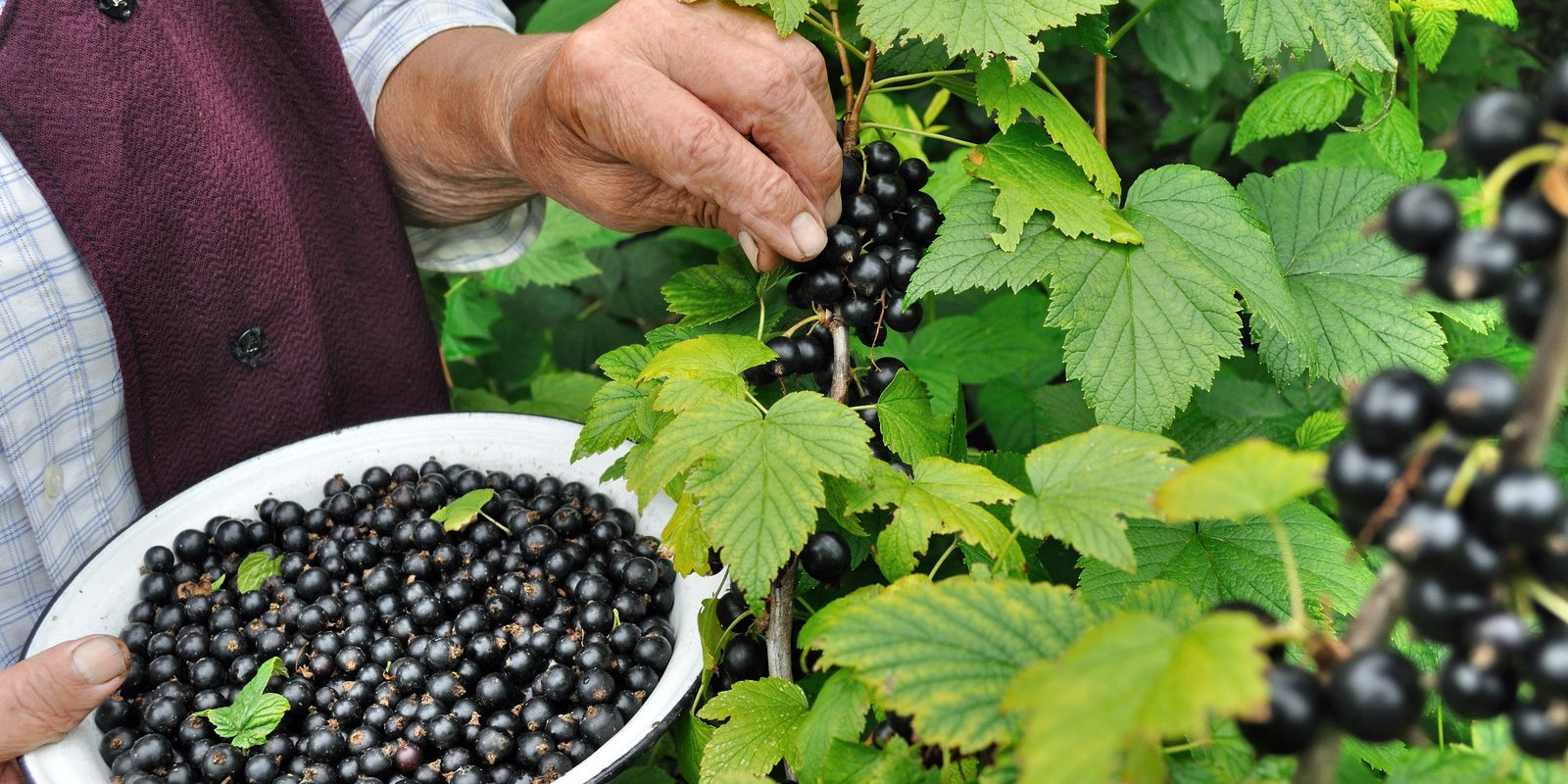
Pick from about December to January, once the berries have turned fully black and glossy.
- Berries at the top of each bunch, called a strig, often ripen first, so pick them singly as they colour.
- Where a whole strig ripens together, cut it off and strip the berries in the kitchen.
- Handle them gently, as ripe currants squash easily and the juice stains.
Fresh currants keep for a few days in the fridge, and freeze well raw or cooked. The tart fruit is mostly cooked or sweetened, into jam, jelly, cordial, syrup and pies.
Common problems
No fruit in the first summer. This is expected after the hard cut at planting; see Planting Canes.
Plenty of leaves but few flowers. The winter was too mild for the fruit buds; see Three mistakes that matter and the zone notes under When to plant.
Flowers drop soon after a cold night. Frost killed the open flowers; cover the bush at flowering as When to plant describes.
Split berries. A heavy soaking as fruit ripens swells and splits the skins; keep watering even, as Care by growth stage shows.
Leaf edges turning brown. Summer heat and hot, dry wind can scorch leaf edges, so shelter the bush and water deeply. Otherwise, browning can signal a shortage of potassium, which the sulphate of potash in the flowering row of Care by growth stage supplies.
Fruit gone before you pick it. Birds and possums take ripe currants quickly; net the bush as Three mistakes that matter describes. Read more
Pests and diseases
Black currants are usually healthy, and most trouble comes from a few insects and damp weather.
Currant borer moth (Synanthedon tipuliformis). An introduced clearwing moth found in the ACT, New South Wales, South Australia, Tasmania and Victoria. Its larvae tunnel through the pith of black currant, red currant and gooseberry stems. Shoots wilt and die back, and a cut stem shows a tunnel in its centre. Cut affected stems off at ground level in winter and bin them, never compost them.
Two-spotted mite (Tetranychus urticae). Tiny mites feed under the leaves, leaving yellow stippling near the main veins, and numbers climb fast in hot, dry weather. Predatory mites and ladybirds usually keep them down, so avoid needless sprays. Read more
Aphids, including currant lettuce aphid (Nasonovia ribisnigri). Colonies cluster on soft shoot tips in spring and curl the young leaves. Hose them off or spray insecticidal soap, and leave the ladybirds and hoverflies that eat them. Read more
Grey mould (Botrytis cinerea). Grey fur covers flowers and rotting fruit, spreading most in cool, damp weather. Pick off affected flowers and fruit, water at soil level, and keep the bush open.
Prevention first
- Start with a healthy cane from a reliable supplier, and take cuttings only from vigorous, healthy bushes.
- Prune every winter to keep the bush open, cutting out weak, dying or hollow stems at the base.
- Water at soil level in the morning, and keep mulch clear of the stems.
- If a spray is needed, choose one registered for the pest and crop, and follow the label and its withholding period. Pyrethrum harms bees, so spray late in the day away from open flowers.
Tips
- Take hardwood cuttings in winter from healthy young stems. Cut pencil-thick lengths of 15 to 20 cm just below a bud, and rub off the lower buds. They often root within two months.
- Set the cuttings in pots in a sheltered spot, or straight into deep, well-drained soil in a protected position. Leaf buds opening in spring show they have rooted.
- If you grow several currants and gooseberries, a walk-in fruit cage covers them all and makes netting a one-off job.
Due to quarantine restrictions and our shipping policy, we cannot send black currant canes to Western Australia or Tasmania.
Questions
When do you plant black currants in Australia?
Plant a dormant bare-root cane in winter, from June to August, before the buds break in spring. Plant it soon after it arrives and never let the roots dry out. Set it about 5 cm deeper than it grew before, then cut the stem back to 5 to 7 cm above the soil.
Can you grow black currants in Queensland?
Not on the warm coast or in the tropics, because winters there are too mild for the fruit buds. Stanthorpe, high on the Granite Belt, has the cold winters black currants need. Elsewhere in Queensland, a black currant usually grows leaves but crops poorly.
How do you prune a black currant bush?
Prune in winter while the bush is dormant. On an established bush, cut the oldest, darkest stems at ground level, a third of the bush or more. Leave the pale young stems at full length, because they carry next summer's fruit. Remove dead, crossing and low stems, and keep the centre open.
Why is my black currant not fruiting?
A newly planted bush does not fruit in its first summer, because the hard cut at planting removes that year's flowering wood. Later, poor fruiting usually means a winter too mild for the fruit buds, frost on the open flowers, or tipping the young stems at pruning.
Can I grow a black currant in a pot?
Yes, for a few years. Use a pot at least 45 cm wide and deep, about 50 L, with premium potting mix. Keep the mix evenly moist and give liquid potash fortnightly from first flowers. Repot every few years, and plant the bush in the ground once cropping falls away.
When are black currants ripe?
Black currants usually ripen from about December into January, once the berries are fully black and glossy. Berries at the top of each bunch often ripen first, so pick those singly. Net the bush before the fruit colours, because birds and possums find it quickly.
Grow it
Choose a size to add it to your cart. You stay on this page.
- Black Currant (Pack of 1 Cane)Out of stock

More edible produce to sow in September
All edible produce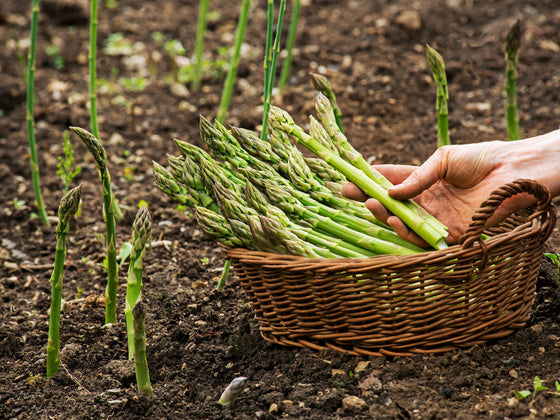
Asparagus
How to grow asparagus from seed in Australia: raising seedlings, planting crowns, a bed of its own, when to start picking spears and cutting back the fern.
| Position | Full sun |
|---|---|
| Depth | Seed 1 to 2 cm |
| Spacing | 30 to 40 cm |
| First pick | Third spring from sowing |
Ginger
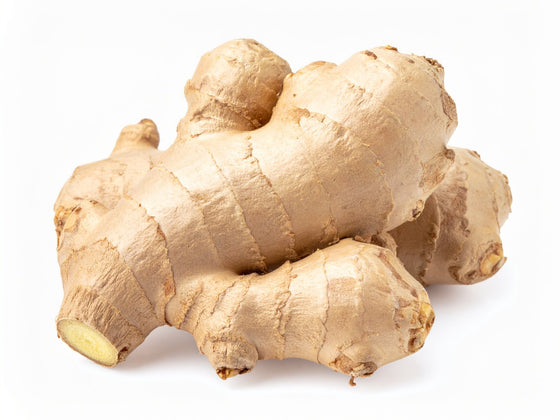
Grow ginger in Australia from rhizomes: planting months for all six zones, pre-sprouting, pots for cool areas, feeding, soft rot, harvest and replanting.
| Position | Morning sun, afternoon shade |
|---|---|
| Depth | About 5 cm, buds up |
| Spacing | 20 to 30 cm apart |
| First pick | 22 to 43 weeks |
Horseradish
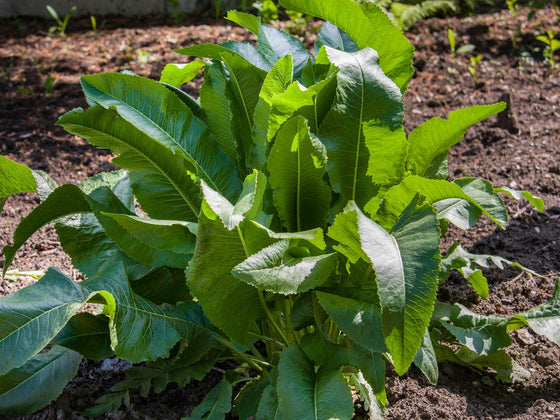
How to grow horseradish in Australia: planting crowns and root cuttings in all six climate zones, keeping it contained, light feeding and winter digging.
| Position | Full sun to light shade |
|---|---|
| Depth | About 3 cm, laid flat |
| Spacing | 30 to 50 cm |
| First pick | 30 weeks; mainly year two |
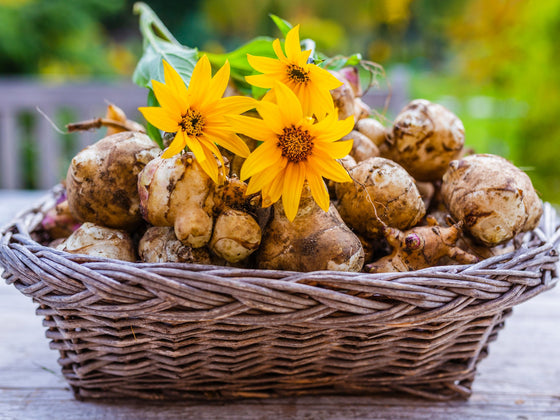
Artichoke Jerusalem
Grow Jerusalem artichokes in Australia: when to plant tubers in all six zones, spacing, feeding, keeping the patch contained, and when to dig and store them.
| Position | Full sun; tolerates part shade |
|---|---|
| Depth | Tubers 10 cm deep |
| Spacing | 25 to 30 cm |
| First pick | 20 to 30 weeks, usually at autumn dieback |